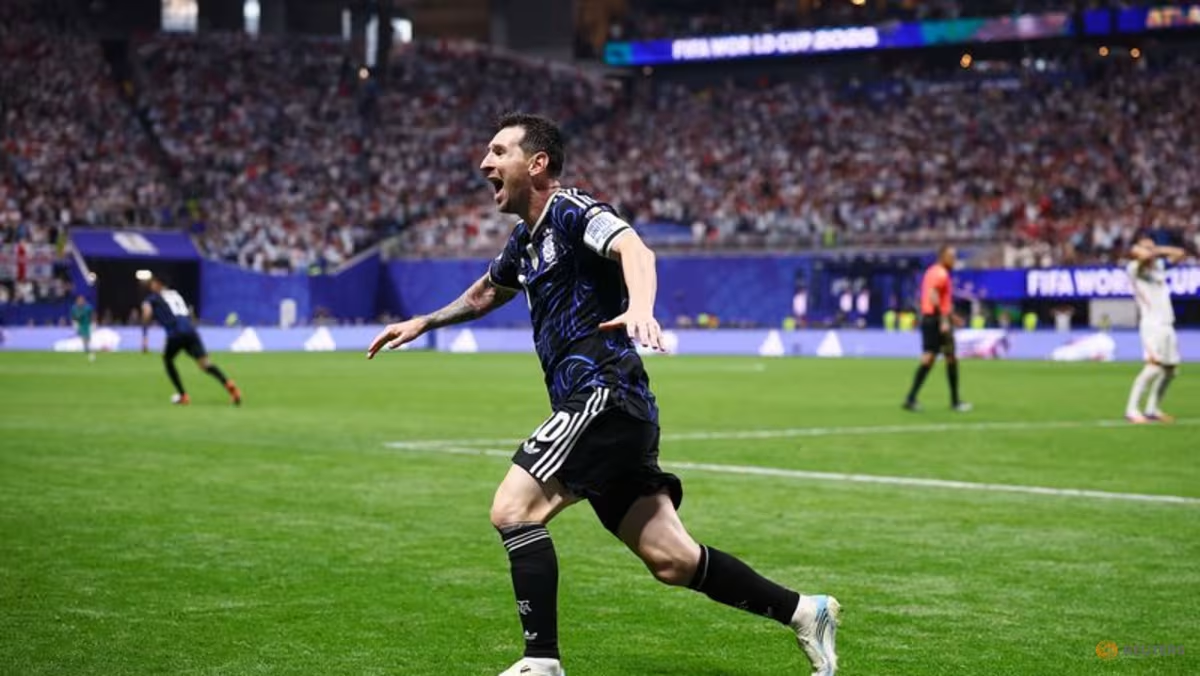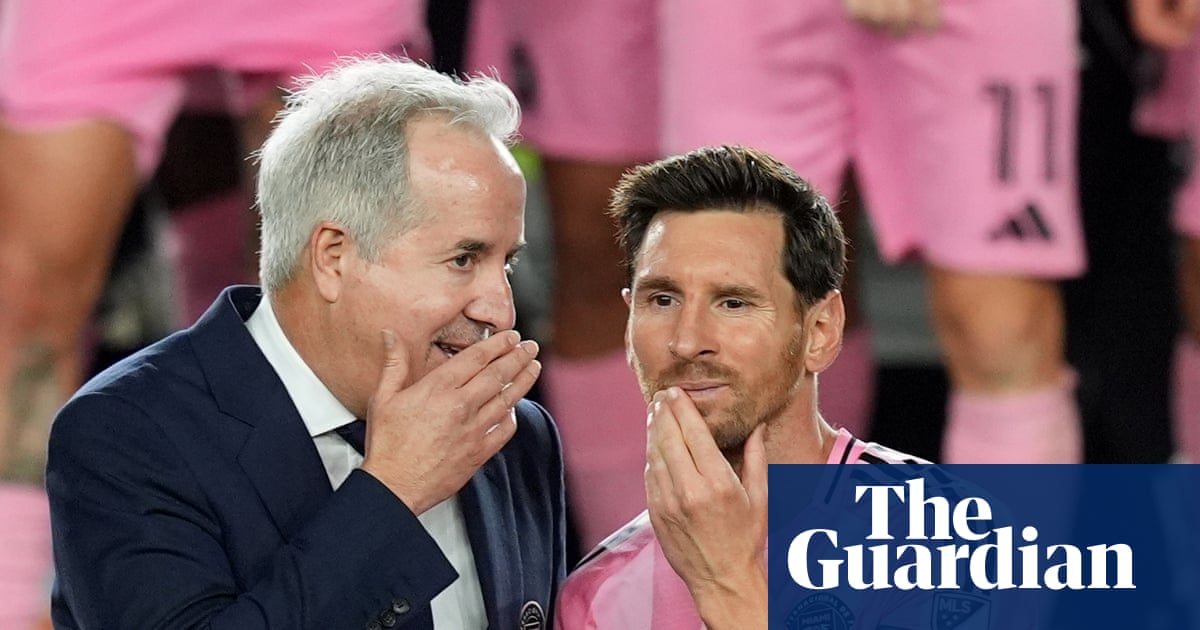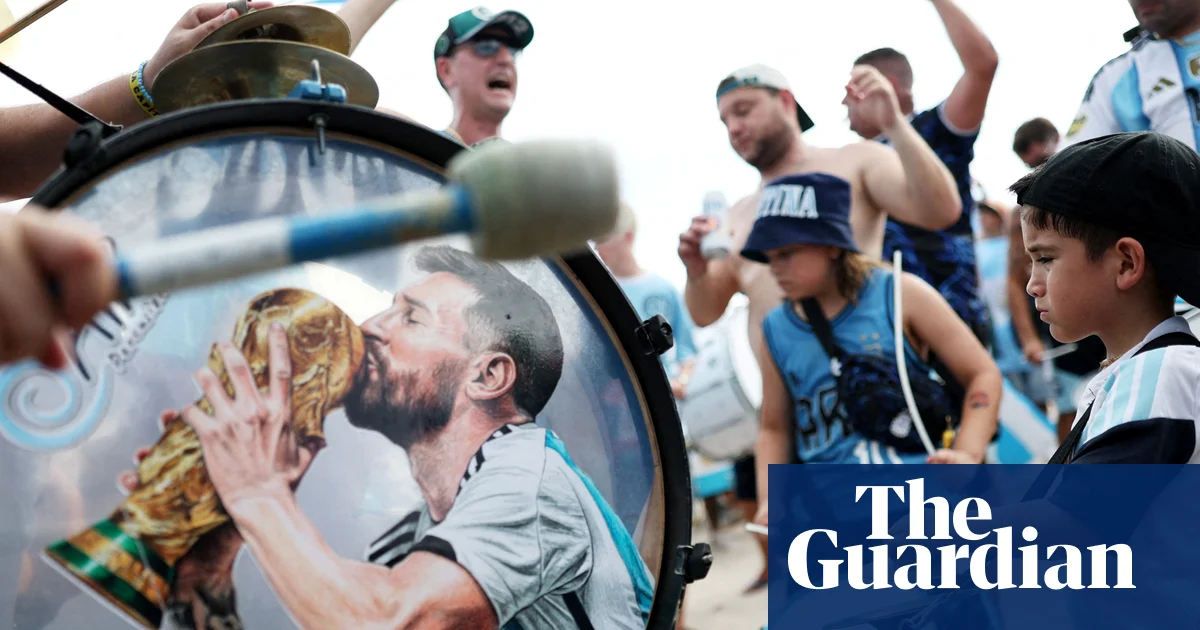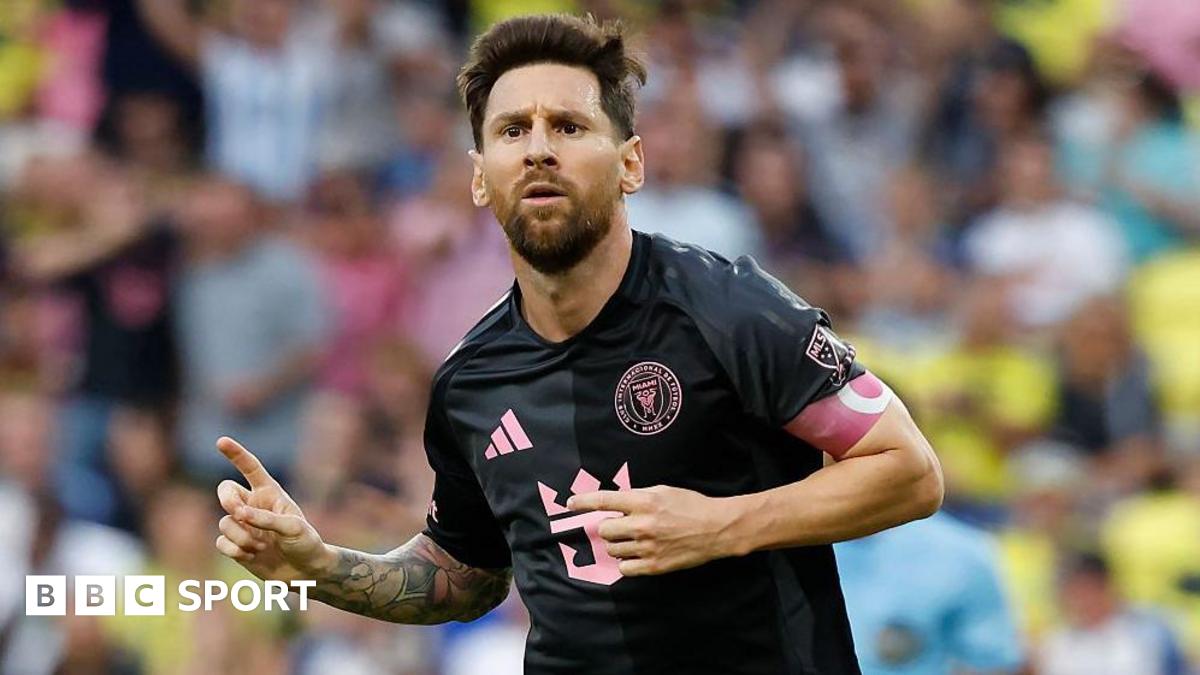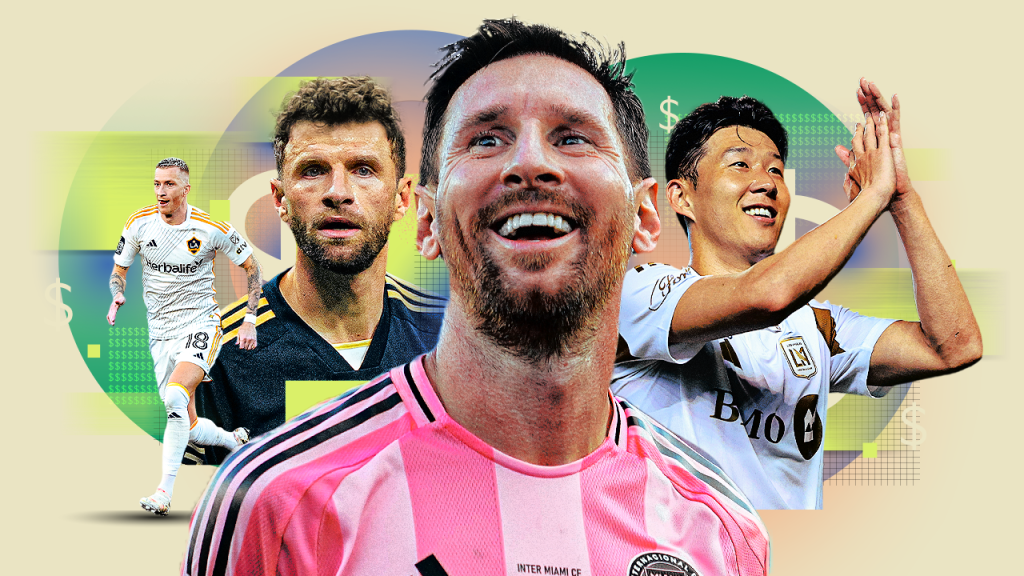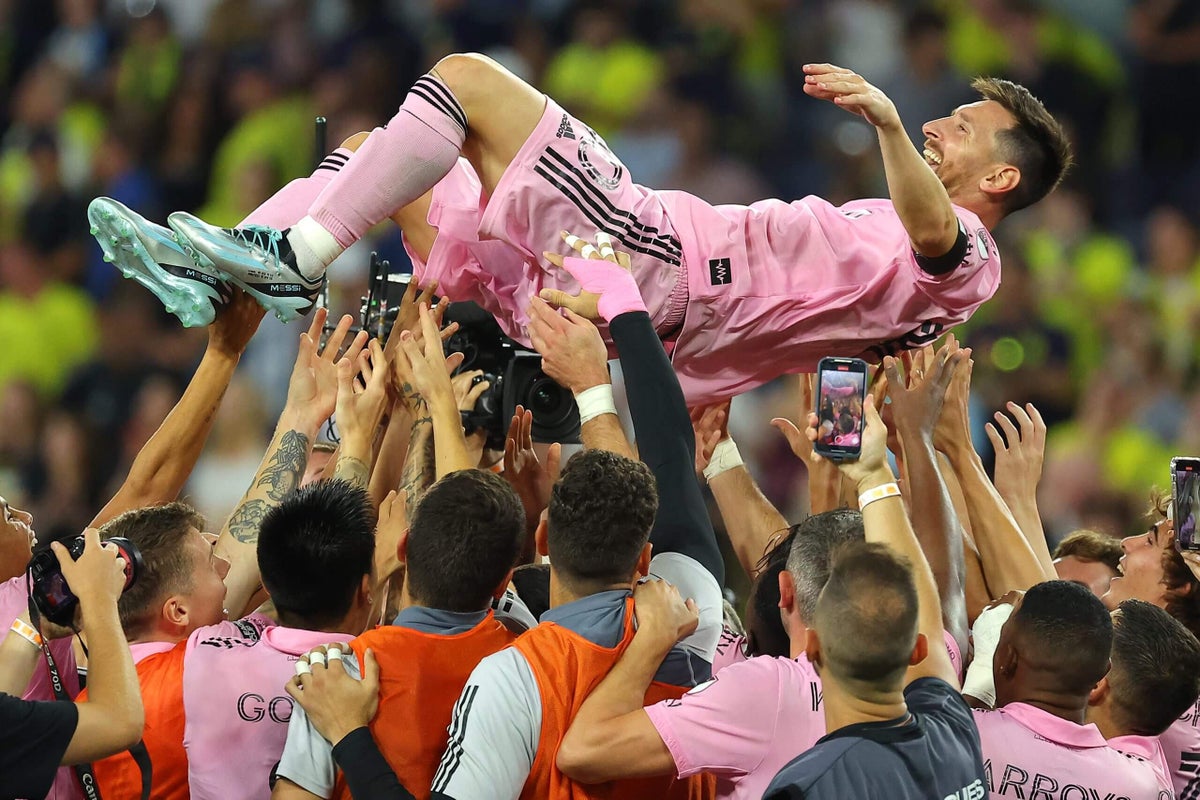
When Lionel Messi arrived in Major League Soccer in 2023, it became very clear that this would be something different — and bigger — than I had experienced in two decades covering American soccer.The media descended on Fort Lauderdale in force. Inter Miami and MLS was leading SportsCenter. LeBron James, Kim Kardashian and Serena Williams were showing up to games.Not since David Beckham arrived to MLS in 2007 had the world so intently focused its attention of American domestic soccer. And, like when Beckham signed with the LA Galaxy from Real Madrid, the league was facing a pivotal period.Beckham arrived just a few years after MLS considered filing bankruptcy. The decision to create a “designated player rule” would shape the next decade-plus of MLS. Messi’s arrival promised to deliver similar change.Messi signed coming off of his 2022 World Cup victory with Argentina, and at an unprecedented moment for the sport in this country. The footballing world was descending on the U.S., which would, over the next three years, host the 2024 Copa América, the 2025 Club World Cup and the 2026 World Cup. MLS as an institution was seemingly unsure of how to leverage it all.Inter Miami owner Jorge Mas was not.“Evolution is inevitable and change is likely,” Mas told me that summer outside of an MLS board of governors meeting in Washington, D.C.In my book, The Messi Effect, out June 2, I explore the growth of American soccer, the creeping influence of the global football economy on the sport in North America and how Messi’s arrival impacted league stakeholders.Messi wanted to be accepted quicklyImagine being a career MLS player making six figures, having grown up with a poster of Messi on your wall and suddenly he’s a teammate. For players like Victor Ulloa, it was a new reality.As we reported in The Athletic in 2023, Messi was invited to and joined the team’s WhatsApp chat and hopped into the chat to give a teammate tickets to his unveiling event. It was Ulloa who asked his childhood-hero-turned-teammate for a phone number to add to the group chat.But that wasn’t Ulloa’s toughest ask of Messi in the early days. Ulloa and U.S. World Cup veteran DeAndre Yedlin decided to see if the new stars on the team would be willing to sing at a team meal as an initiation ritual. From The Messi Effect:Ulloa approached Sergio Busquets, Jordi Alba, and Messi, who were sitting together. The superstar trio was initially skeptical, as expected. But Ulloa urged Busquets and Alba, especially. Eventually, Busquets decided he was game to sing.“I’m going to do it,” Busquets told his two former Barcelona teammates. “But you guys have to do it, too.”Alba and Messi doubted that Busquets would actually sing. The midfielder’s nickname was “The Silent Conductor” because of his quiet demeanor and subtle brilliance on the pitch. Ulloa stood up and clinked his glass to quiet the group. Then, with the unflinching calm he displayed on the ball while under pressure, Busquets, the legendary No. 6, stood and performed a song. Alba was next. The room turned into a party as the left back belted out the first two words: Pobre diabla! It was the reggaeton classic by Don Omar, and nearly the entire room knew the words and joined in.
Miami initiation, future of MLS and a longing for legacy: What I’ve learned writing about Messi
Scenes of Messi singing in front of his teammates, a glimpse into his competitive drive and more from a project focused on the GOAT's impact
1,618 words~7 min read