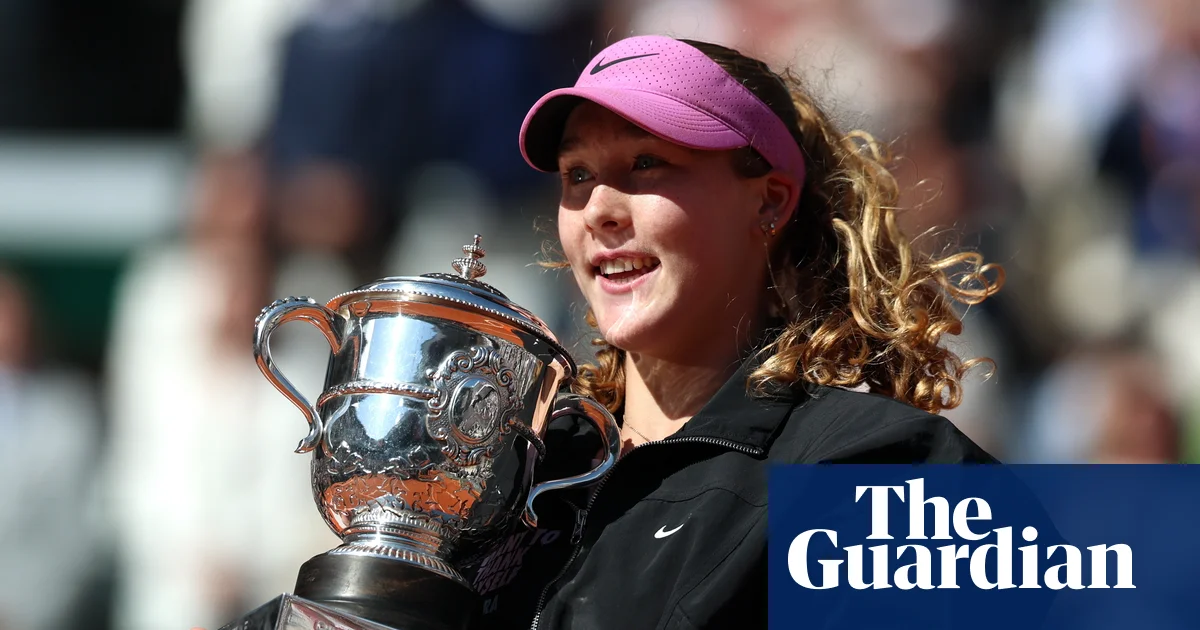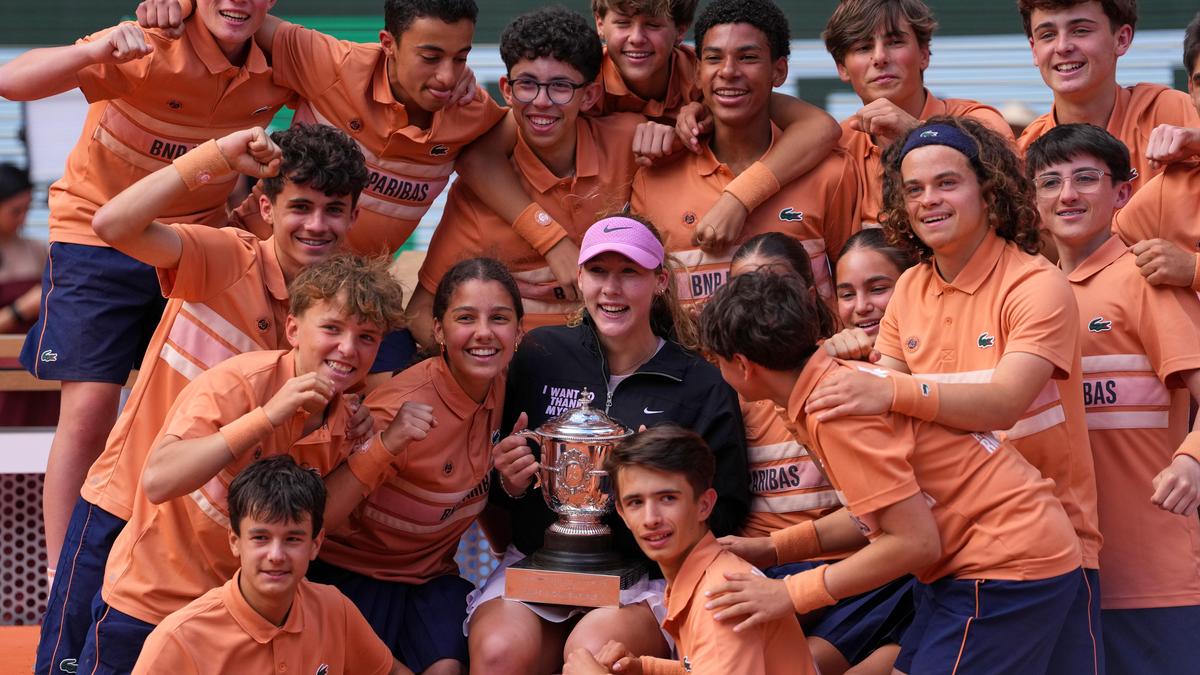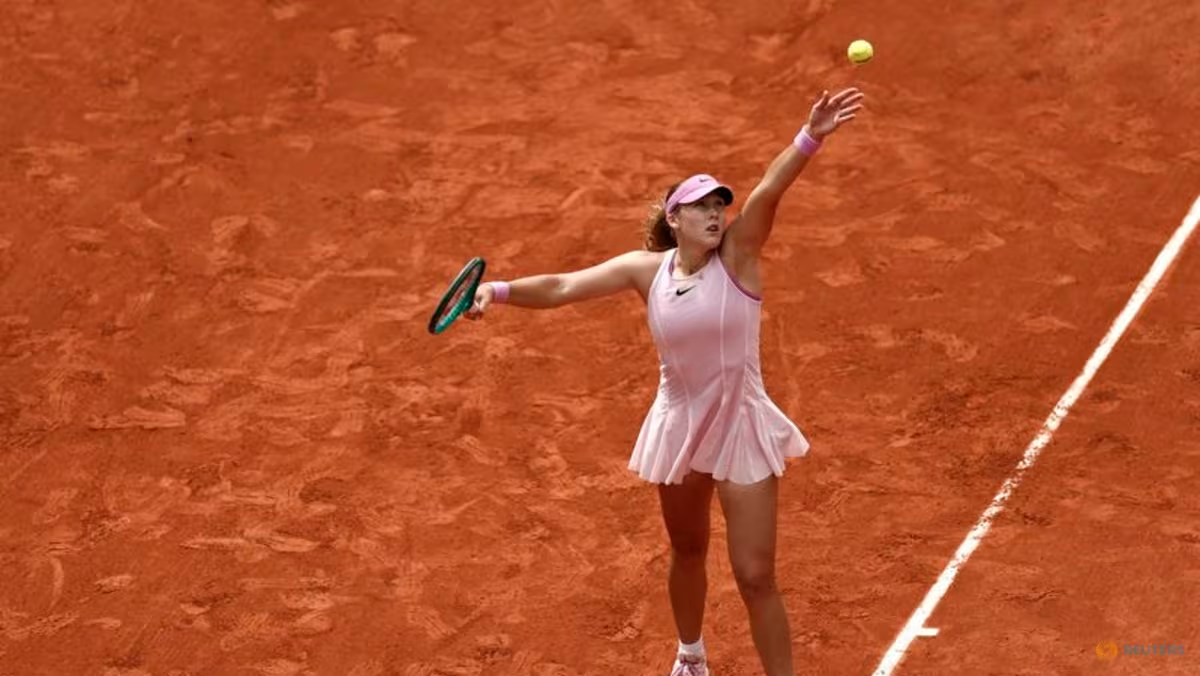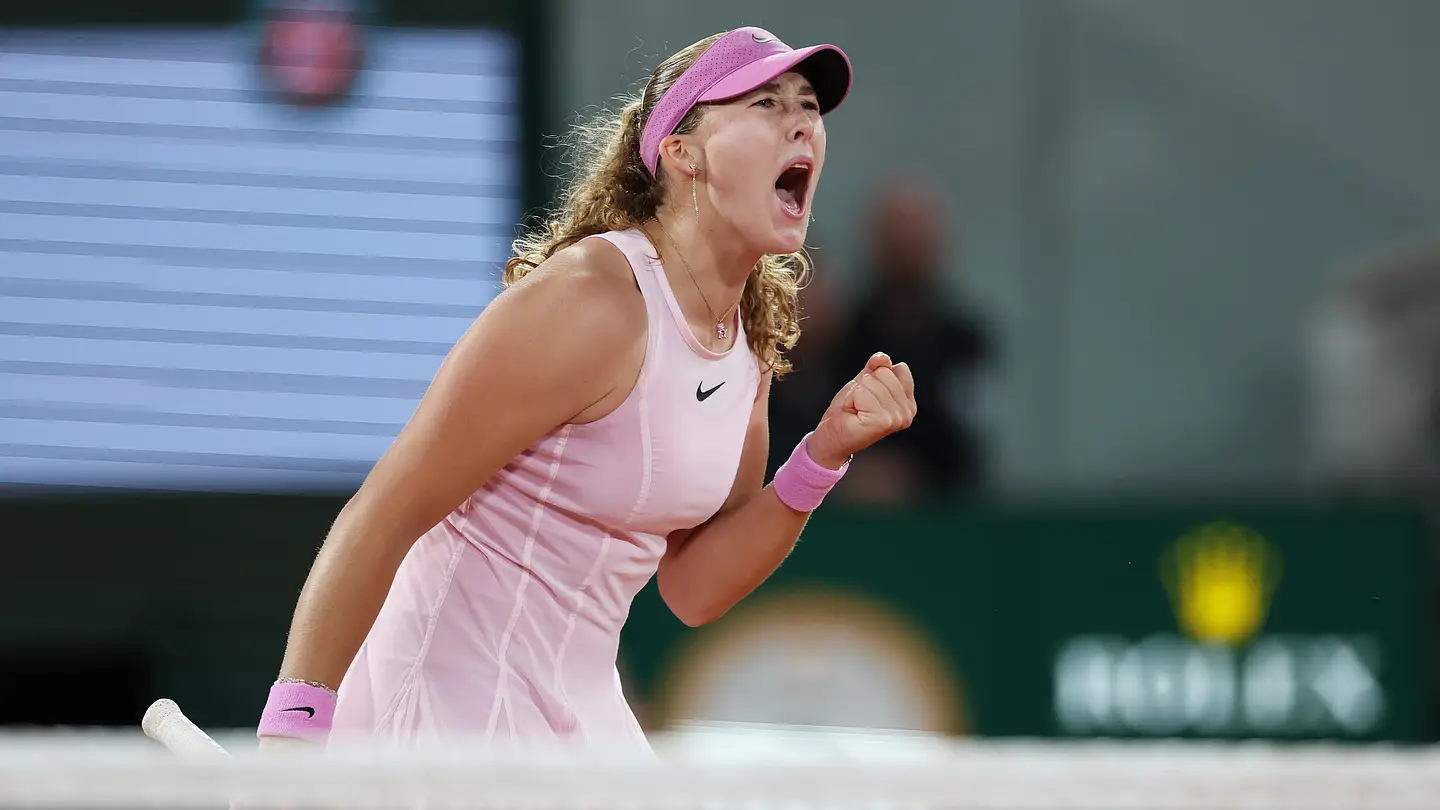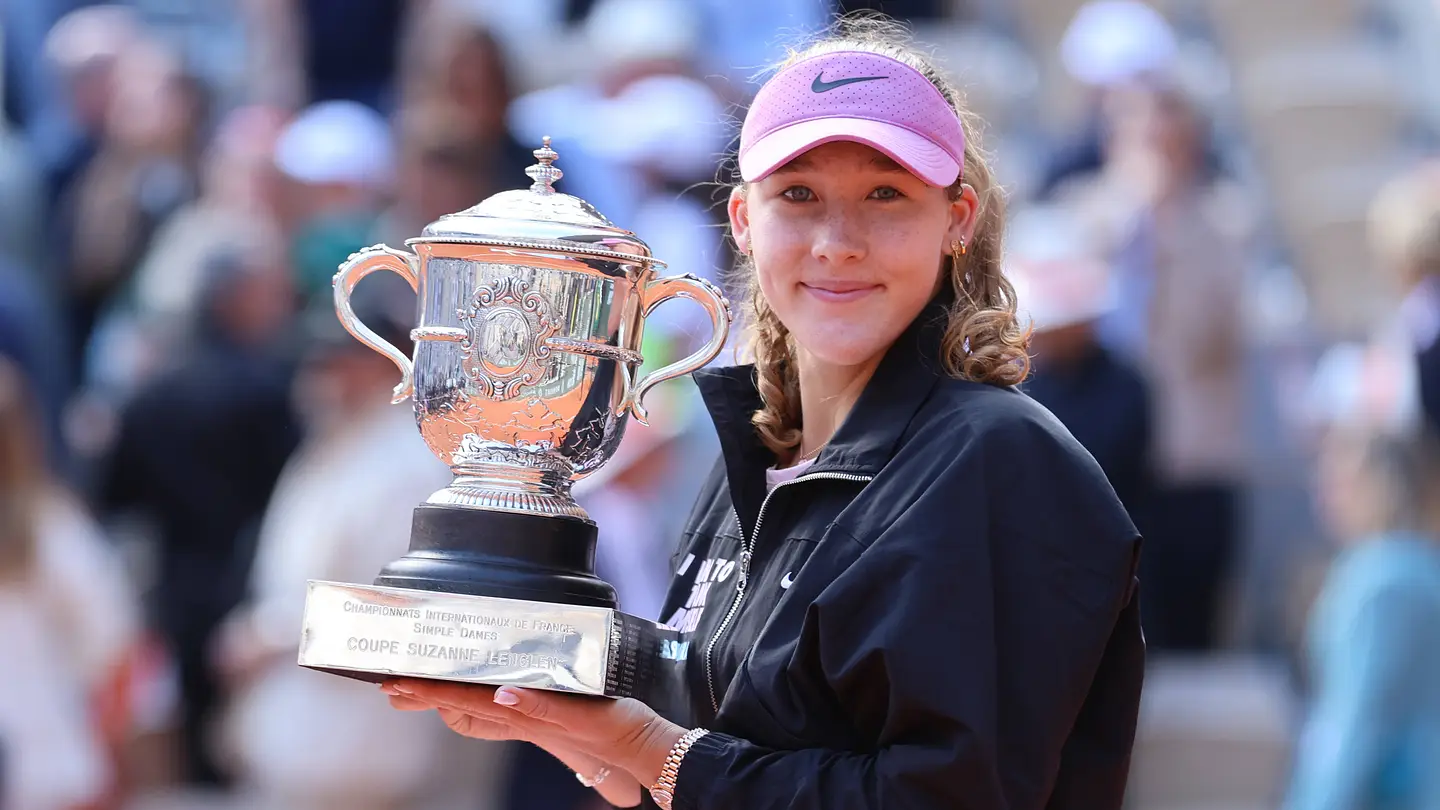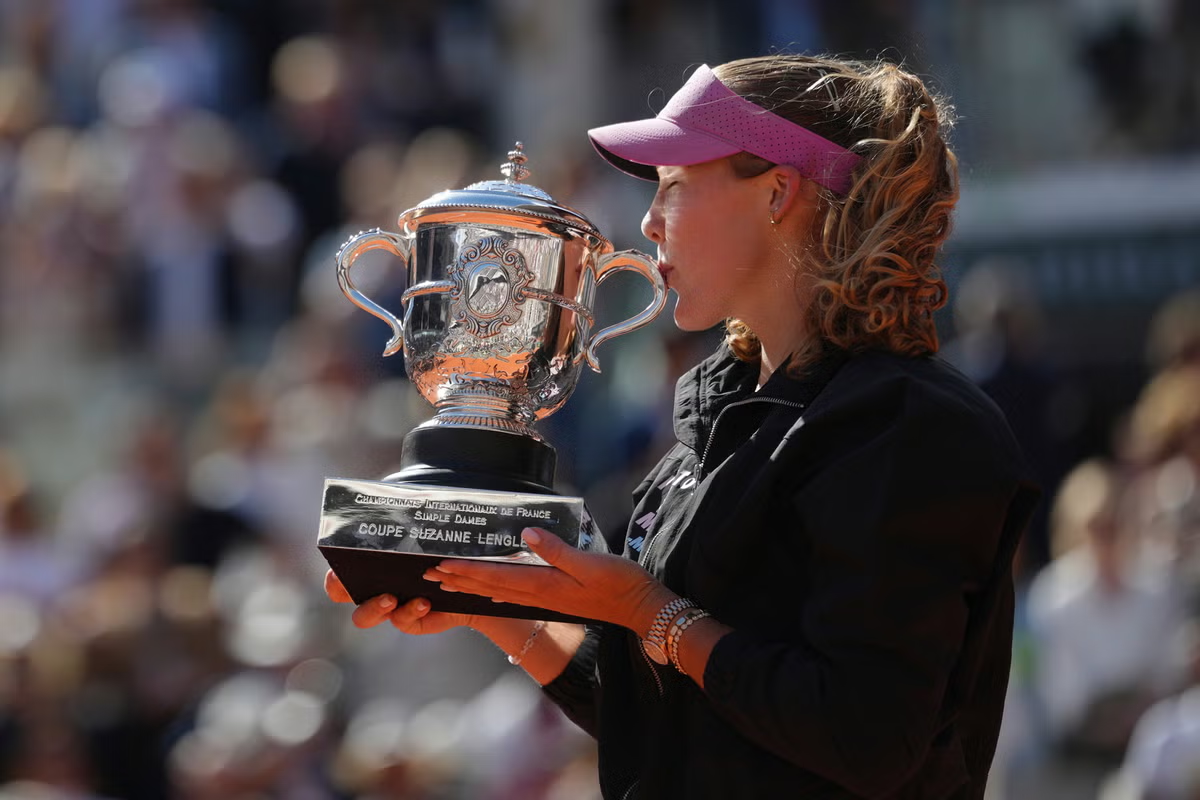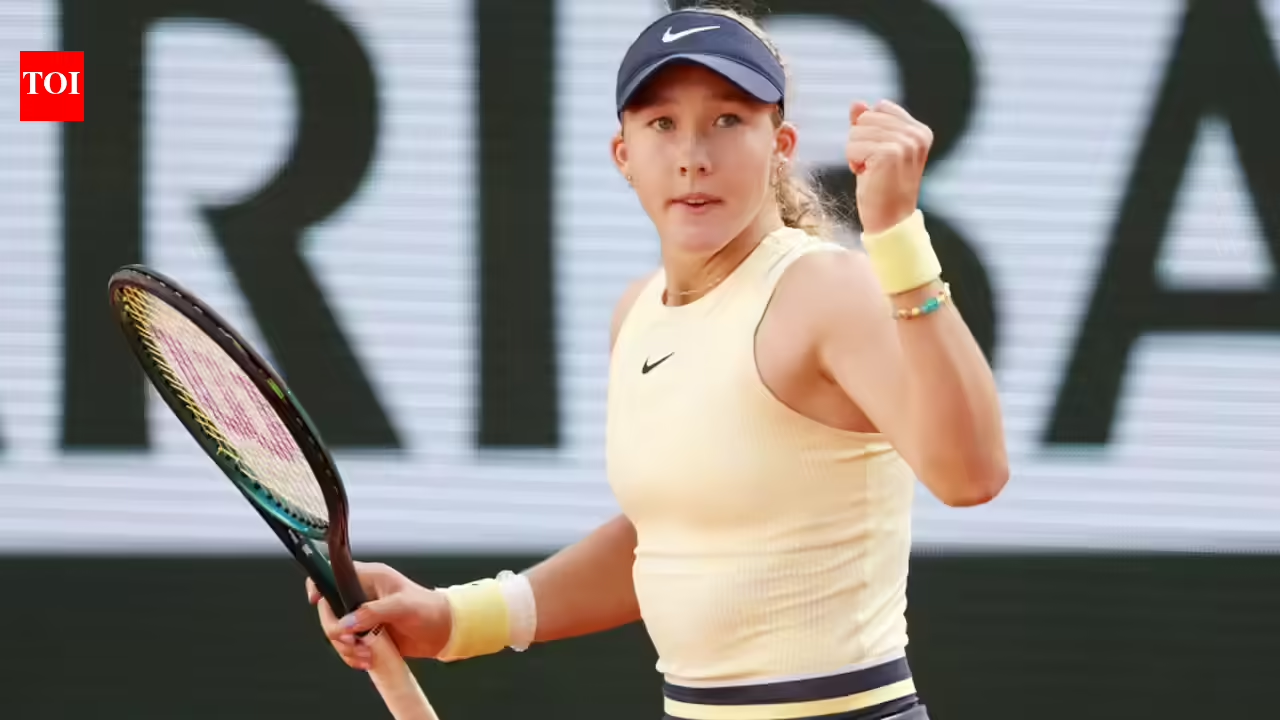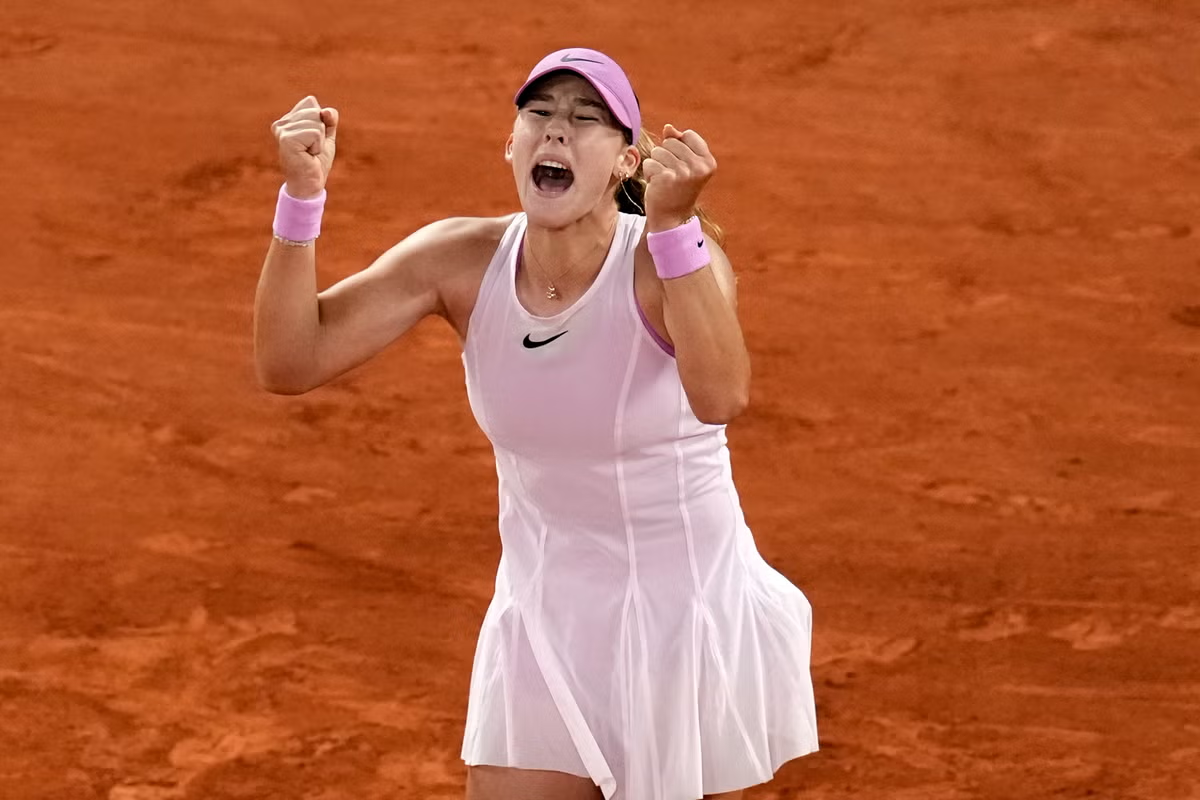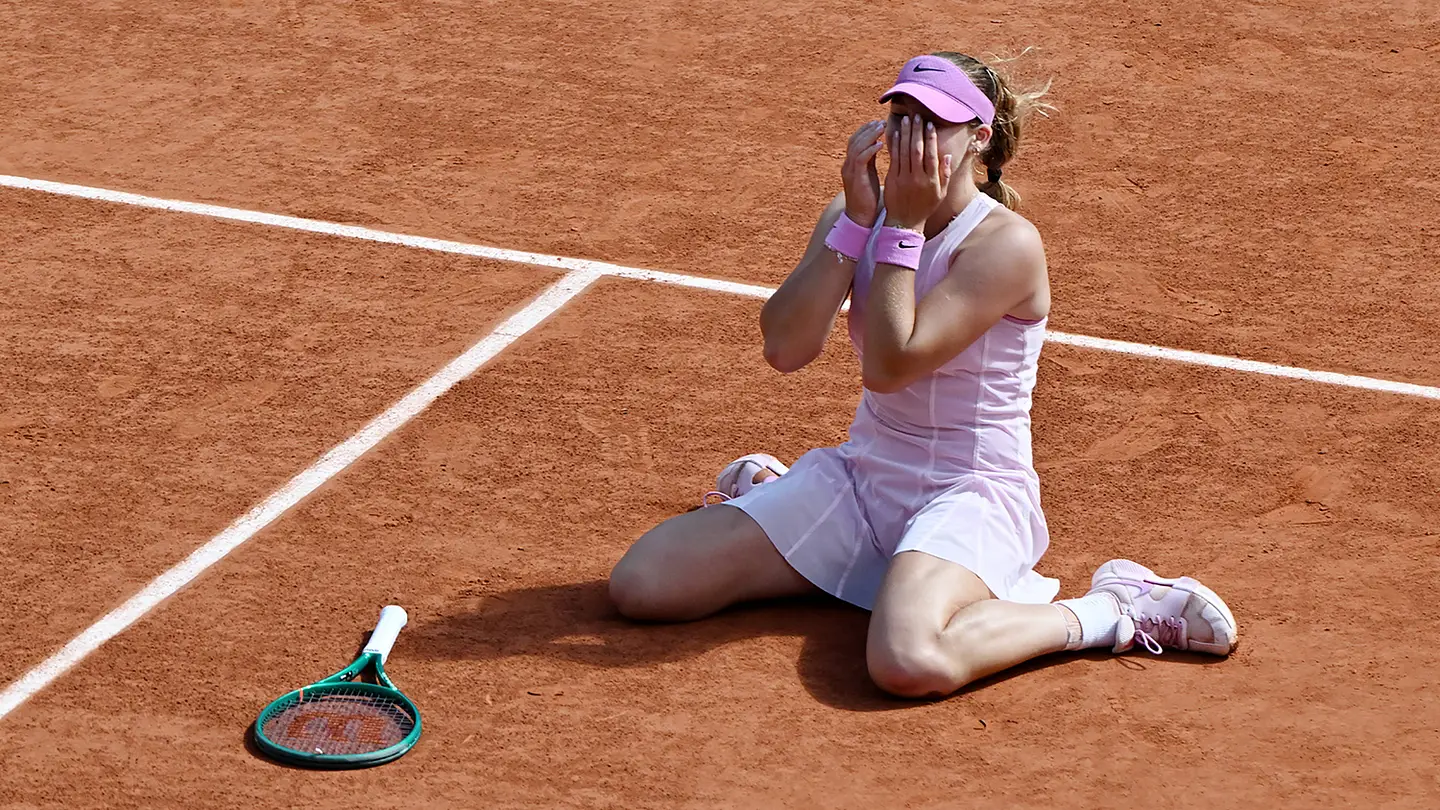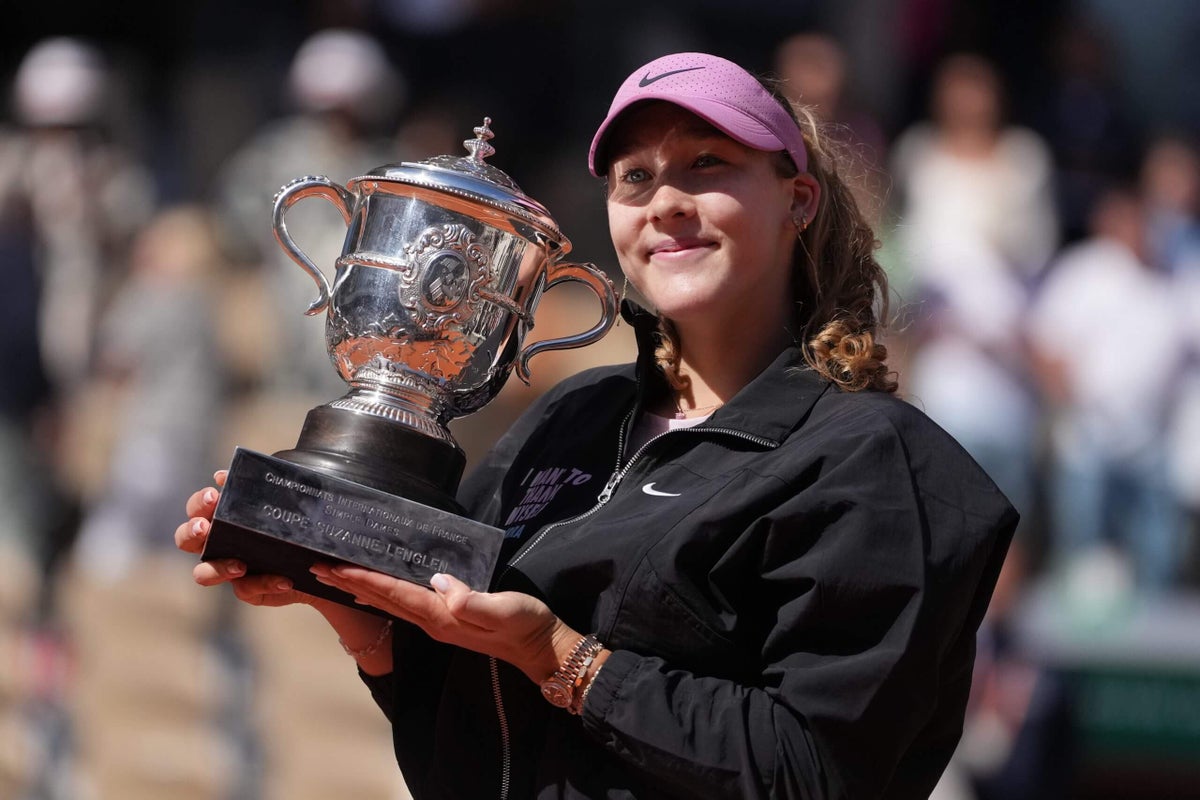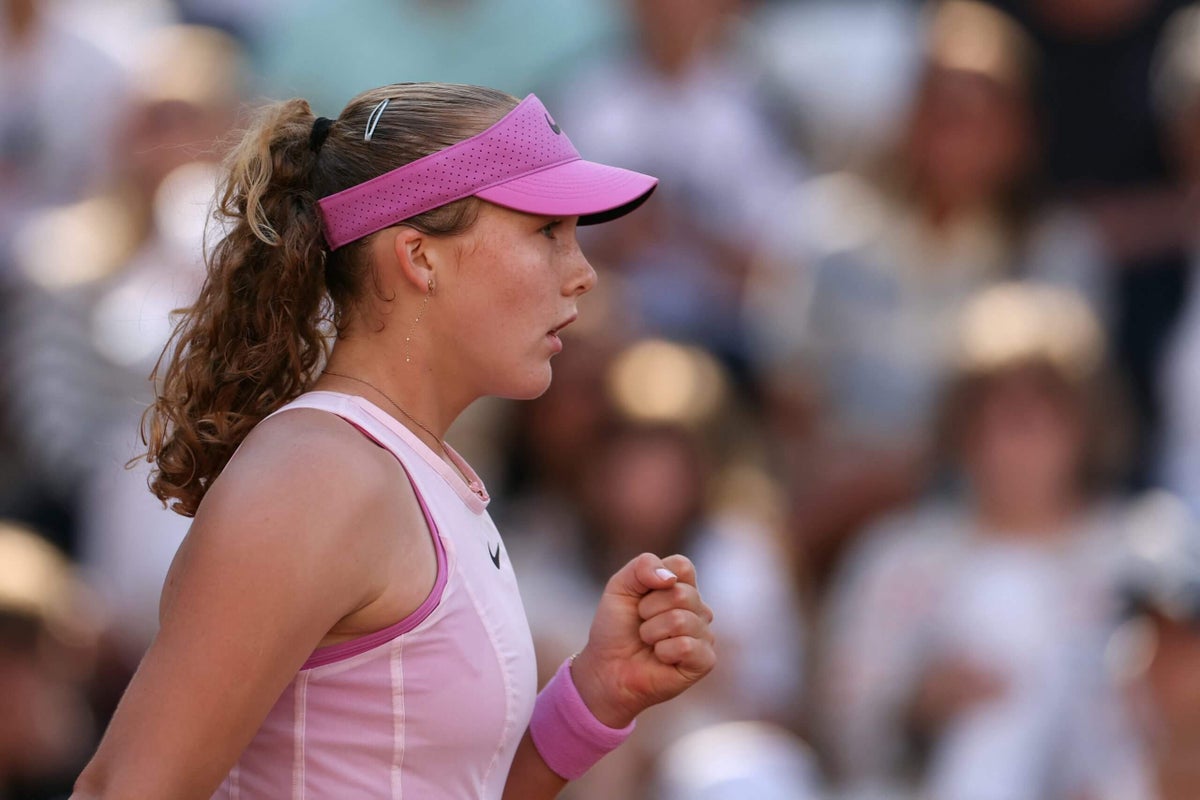
PARIS — Mirra Andreeva knows that the tennis moments that can undo her are going to come.She might start missing. Her opponent might suddenly get hot. The crowd might start railing against her.How Andreeva — so talented, so young, and sometimes so not ready for the swirling intensity of a tennis match — manages those moments, will likely make the difference between fulfilling her potential and wondering about what could have been.“Sometimes it doesn’t work the best way, but I have the plan in my head that I’m trying, you know, to have if something doesn’t go according to the plan,” she said Sunday in a news conference, after reaching the French Open quarterfinals for the third consecutive time.For over a year, Andreeva has had a first-world tennis problem. Winning two of the more prestigious tournaments in the sport at 17 proved to be one of the worst parts of her career so far.In one month, she went from being an ascendant star, to being fixed in the tennis firmament as a favorite, expected to deliver on that status week in, week out.Since March 2025, in which she won the Dubai Tennis Championships and the BNP Paribas Open at Indian Wells, Calif., 16 of Andreeva’s 20 losses have come against players ranked lower than her. She has been a top-10 player since then, so she’s almost always playing someone ranked lower, but the 19-year-old is still undergoing the sporting and mental transition that every rising player does.Learning how to be the favorite, who plays under the pressure of expectation, instead of how to be the underdog, who plays with the freedom of the unexpected, can make plenty of players vulnerable against an inferior foe at the business end of a tournament. At this year’s French Open, these pressure dynamics are especially heavy. Both draws will crown a first-time champion, and there are just four top-10 seeds — three women and one man — left in the tournament.Andreeva is one of them. She is back where she was 12 months ago, a prohibitive favorite in the quarterfinals, after a near-perfect 6-3, 6-2 win over Jil Teichmann of Switzerland in the fourth round. She faces Sorana Cîrstea, the 36-year-old world No. 18 from Romania, for a spot in the semifinals. Cîrstea is playing the best tennis of her life, during what she says is her final year on tour. But already Andreeva has achieved things and shown promise in a way that most players, Cîrstea included, cannot.Last year in this spot, when Andreeva met French wild card Loïs Boisson in the quarterfinals, things got ugly. She led 5-3 in the opening set, before Boisson saved a set point and used the confidence from it to steal a tiebreak. Andreeva, still very much in the match, smacked a ball away in anger.This roused the Court-Philippe-Chatrier crowd, and in the second set Andreeva fully unraveled, smacking another ball to the rafters and asking people in her box to leave. Her tennis became both tight and loose, pushing and passive one point and spraying errors the next. Boisson won at a canter.“Sometimes I was a bit emotional,” Andreeva said in a news conference afterward.Mirra Andreeva’s quarterfinal defeat to Loïs Boisson last year in Paris started a decline in her on-court emotional management. (Julian Finney / Getty Images)She has spent the past week trying to replace those memories with better ones. On the opening day of the tournament, she returned to the scene of the meltdown when organizers made Andreeva an opening-day match on Court Philippe-Chatrier against another Frenchwoman, Fiona Ferro. No such luck.
Back on the French Open court that undid her a year ago, Mirra Andreeva is growing up
Andreeva, 19, has potential and time to achieve great things in tennis. For now, she is learning how to stay in the moment.
1,556 words~7 min read