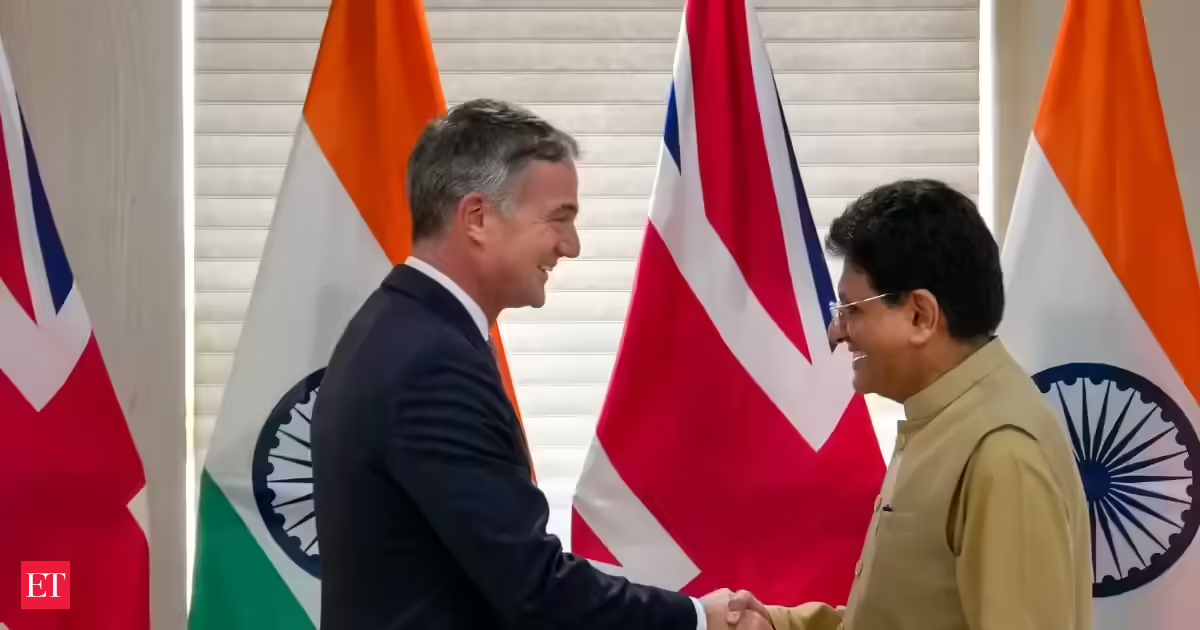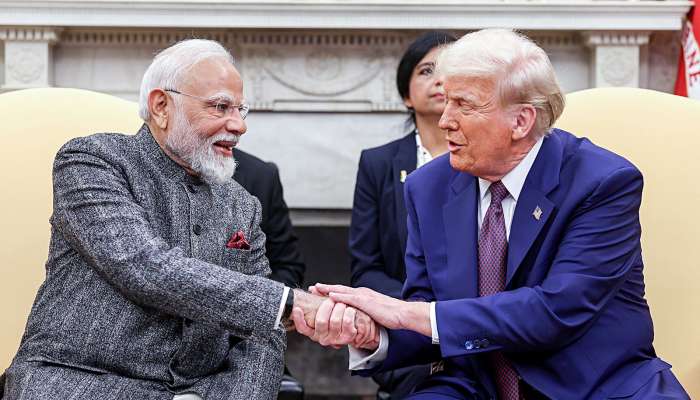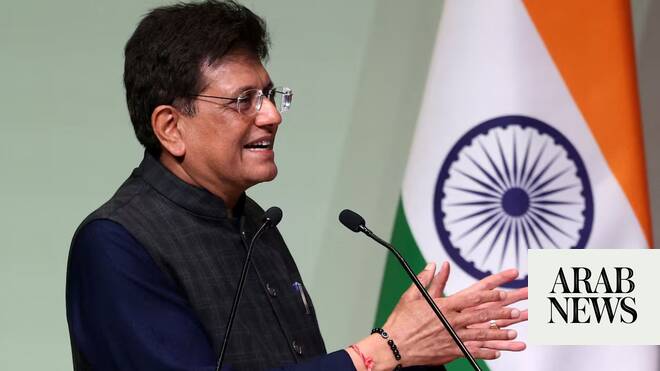
Two of India’s most consequential trade negotiations are testing New Delhi’s ability to secure stronger protections for exporters in Asia’s third-largest economy.The challenge will be on display this week as India hosts a US trade delegation led by chief negotiator Brendan Lynch, as well as UK Business and Trade Secretary Peter Kyle. New Delhi has warned it could scale back some concessions under the free trade agreement it signed with the UK last year unless its steel exports are exempted from safeguard duties that kick in next month. At the same time, negotiators are trying to close a deal with Washington, with India pushing for exemptions from any tariffs that may arise from ongoing US trade investigations.The talks come at a difficult moment for India. The war in Iran, which has severely disrupted shipping through the Strait of Hormuz, has hit not only energy supplies but also access to a key export market for Indian goods. While the government has moved to cushion the impact on exporters, concerns are growing that a prolonged conflict could weigh on trade this fiscal year. Trade agreements with the US and the UK could help cushion some of those headwinds while attracting foreign investment at a time when the rupee is under pressure. They are also a key part of Prime Minister Narendra Modi’s strategy to diversify India’s export markets amid growing geopolitical uncertainty.In the case of the US, however, some analysts argue that New Delhi has less reason to rush.The rationale for quickly concluding a trade deal weakened after the US Supreme Court struck down the reciprocal tariff framework, according to Ajay Srivastava, founder of the New Delhi-based Global Trade Research Initiative.“More importantly, a bilateral trade agreement would offer no guarantee against future US trade actions,” Srivastava said. “It would be wise to wait for US trade policy to stabilize than to lock itself into long-term expensive obligations.”Last year, the White House imposed some of the world’s highest tariffs on Indian goods, partly in response to New Delhi’s purchases of Russian oil. The two countries reached an agreement on an interim trade pact earlier this year, before the US Supreme Court struck down President Donald Trump’s sweeping reciprocal tariffs.Soon afterward, however, the Office of the US Trade Representative launched investigations under Section 301 of the Trade Act into several countries, including India, over concerns about forced labor and excess production capacity. If the investigations result in adverse findings, additional tariffs could be imposed.New Delhi has urged Washington to address the issue within the framework of ongoing trade negotiations rather than through unilateral measures. A US trade team will hold talks with counterparts in New Delhi from Tuesday. Separately, UK’s Kyle, who is on a one-day visit to the Indian capital, is scheduled to meet Commerce Minister Piyush Goyal to discuss speeding up the implementation of the India-UK trade pact.The UK discussions are expected to focus on New Delhi’s concerns over Britain’s recent steel safeguard measures, which India says could restrict market access for its steel exports. On Monday, a senior Indian government official said New Delhi could scale back tariff concessions on a range of British products, including Scotch whisky, under the trade agreement signed last year if the issue is not resolved.
India set to bargain hard in trade talks with US, UK this week
India faces critical trade negotiations with the US and UK this week. New Delhi seeks to protect its exporters from potential tariffs and safeguard duties. Talks aim to secure better terms for Indian steel exports to the UK and avoid US trade actions. These agreements are vital for India's export diversification and attracting investment during uncertain times.
TL;DRAI
India questa settimana negozia esenzioni daziarie con USA e UK, minacciando ridurre concessioni UK se safeguard su acciaio non risolti. Deal stabilizzano export colpiti da disruption Hormuz e attirano FDI; non affrettarsi con USA finché trade policy non stabilizza, per evitare long-term obligations.
540 words~2 min read