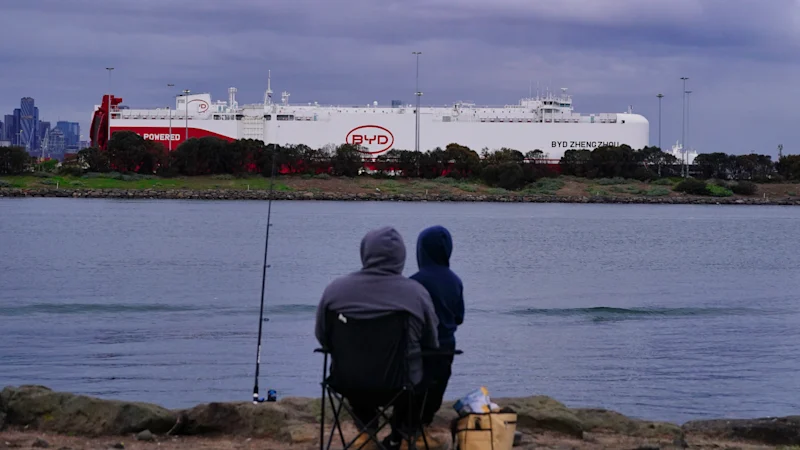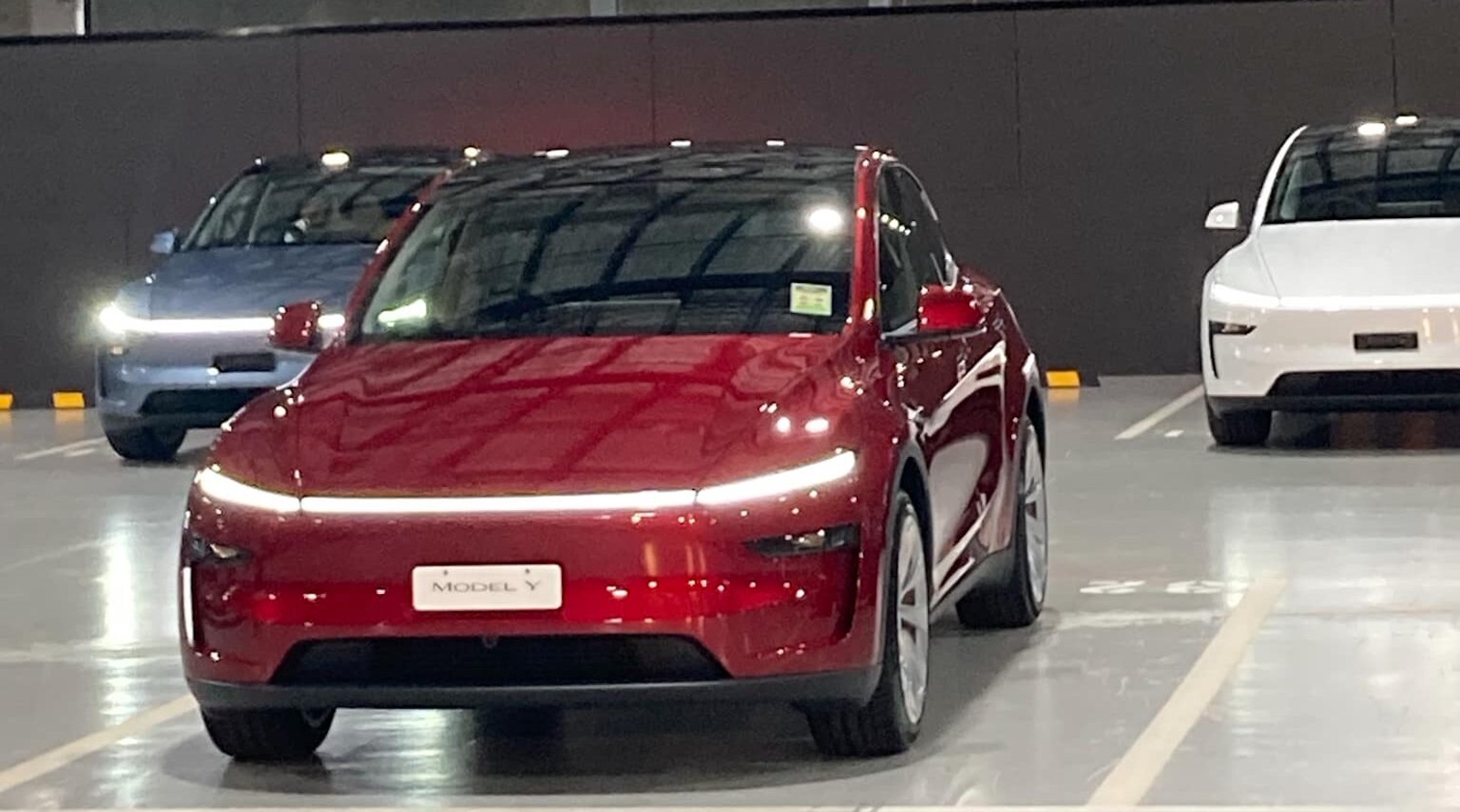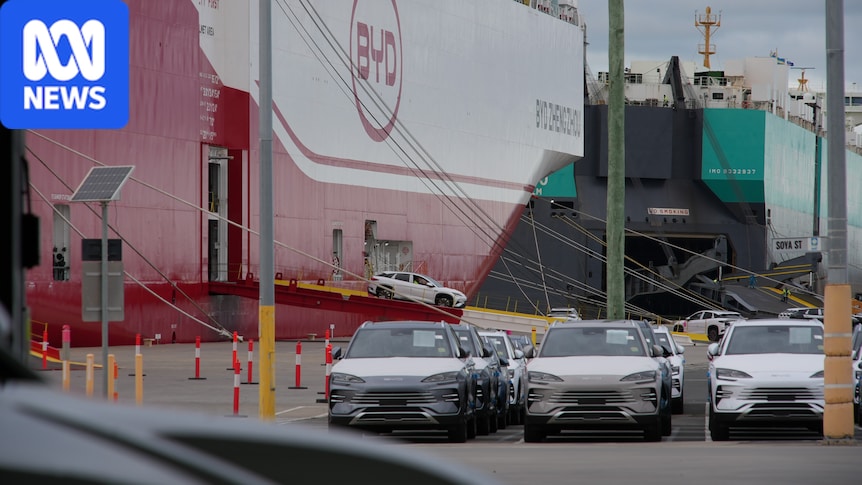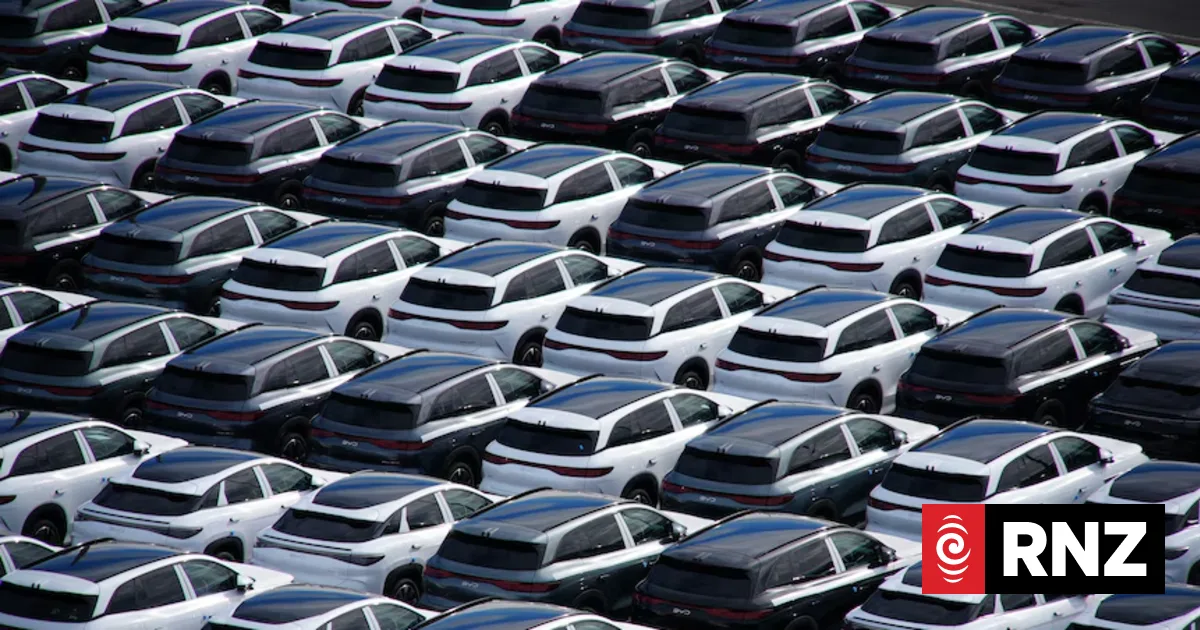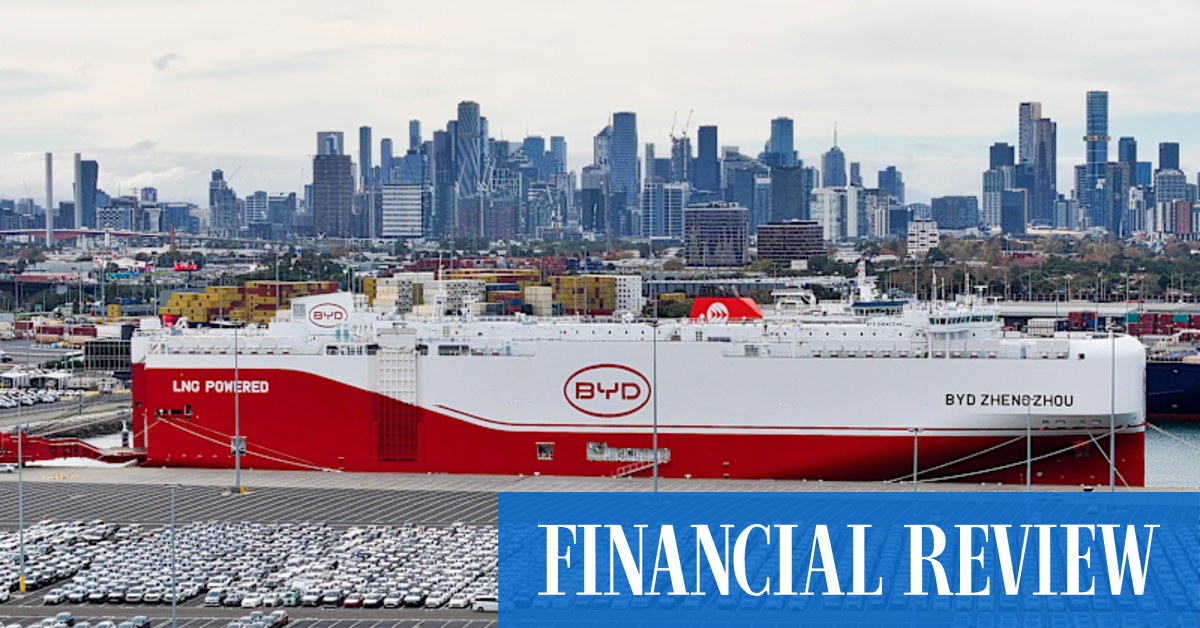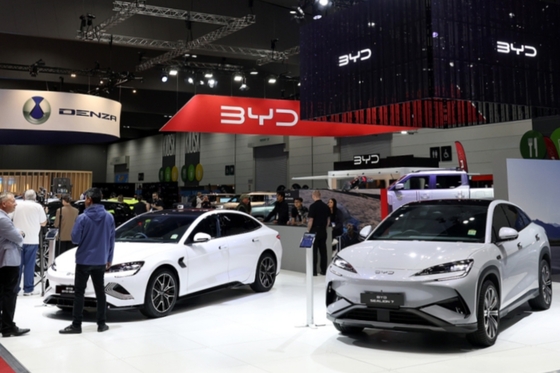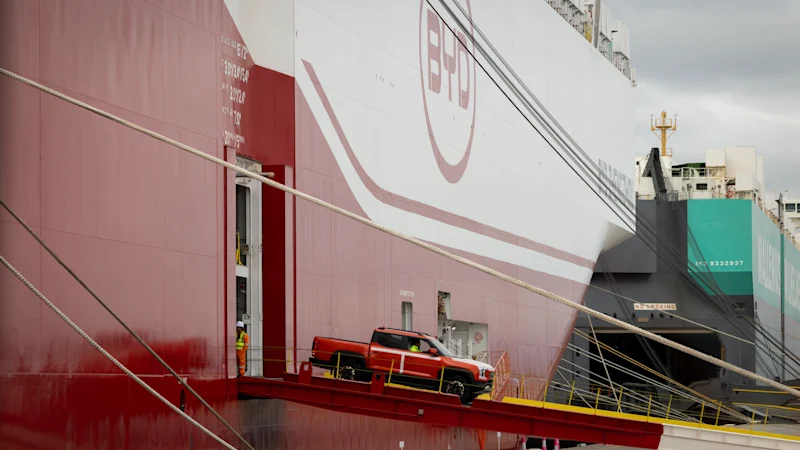
June 2, 2026 — 7:00pmThe giant purpose-built ship owned by BYD disgorging 5000 electric vehicles in Port Melbourne on Tuesday was not the only ominous sign of change for Australia’s dominant car brands this week, as new data suggests a structural shift is taking place in the auto market.The number of Australians seeking quotes to insure electric cars has leapt this year, according to new data from NRMA insurance, while sales of large diesel utes are rapidly falling.A BYD vehicle drives off the car maker’s ship at Port Melbourne on Tuesday.Ruby Alexander“At NRMA Insurance we’ve seen quotes for EV insurance effectively double in 2026, reflecting a clear structural shift in how Australians are now thinking about EVs,” said NRMA’s head of insurance research, Shawn Ticehurst.“Fuel price volatility linked to geopolitical tensions in the Middle East highlighted both the cost pressures and petrol supply uncertainty associated with traditional vehicles.“At the same time, the EV market has matured significantly. There are now over 100 different models available across every major price tier, making EVs a viable option for more Australians than ever before.”The EV sector in Australia is also benefiting from federal government tax breaks for electric vehicle purchases. The tax breaks will continue in full until March next year before being scaled back.A smoking ceremony to welcome the car maker.Ruby AlexanderThe vessel BYD Zhengzhou, one of a fleet of eight car-carrying ships owned and operated by the Chinese car maker, which is the only manufacturer in the world to operate its own shipping line, docked in Melbourne on Sunday, and cars began being unloaded on Tuesday.The ship normally delivers vehicles to South America, but it was diverted to Australia after BYD noted a surge in demand for its cars after the war in Iran began in February, BYD Australia chief operating officer Stephen Collins said.Collins said the surge came on top of a change in the general acceptance of EV technology in general and in Chinese manufacturing that had occurred over recent years.“I think there’s still a part of the market that is welded onto internal combustion engines, but I think the understanding of the quality of the product and the attributes of that technology is widely understood now,” he said.Aman Gaur, head of policy for Australia’s Electric Vehicle Council, said he believed a structural shift was taking place, and was accelerated by the increase in costs of driving an internal combustion engine.“People are just not buying diesel utes because the price of diesel is to the roof, petrol [is] obviously still somewhere around $2 [a litre] and with the fuel excise cut likely to be coming off in the coming months, once again petrol [will] go up about 22¢,” Gaur said.“So big question that’s been asked is, is this a structural shift or is this just for the moment? I think more and more we’re finding that not only are the cars more affordable, but Australians are more interested in driving EVs.”Drivers inside the vessel BYD Zhengzhou.Ruby AlexanderOn Tuesday afternoon, the EV Council released sales figures showing that in May, Tesla sold 6433 cars in Australia, a figure up 66 per cent from the same time last year. That is Tesla’s best month for sales in Australia since the company began reporting sales figures to the council.Earlier, the Federal Chamber of Automotive Industries reported a significant decline in sales of traditionally dominant models in Australia such as the Toyota HiLux, which had a 31 per cent drop-off in sales relative to April 2025, followed by the Ford Everest, which dropped in sales by more than 29 per cent.A fraction of the cars unloaded at Port Melbourne on Tuesday.Ruby AlexanderDemand for second-hand electric cars is also increasing, with searches at Pickles, Australia’s largest online vehicle auction platform, on the rise. Pickles recorded a 163 per cent surge in EV searches in March, according to the Chris Shaw, the company’s general manager of motor sales.“In May, EV-related searches on Pickles remained approximately 46 per cent higher than February levels, while EV clearance rates continued to sit around the 70 per cent mark despite increased market supply,” Shaw said.BYD expects to import 30,000 vehicles into Australia by the end of the financial year. That target will harness the organisation’s vast capacity to quickly build and ship a range of vehicles in response to the demand spike.Start the day with a summary of the day’s most important and interesting stories, analysis and insights. Sign up for our Morning Edition newsletter.Nick O'Malley is National Environment and Climate Editor for The Sydney Morning Herald and The Age. He is also a senior writer and a former US correspondent.Connect via email.From our partners
How the arrival of a BYD ship marks a sea change in Australian motoring
The Chinese car maker has made a splash in Melbourne with the arrival of a vessel carrying thousands of electric vehicles. BYD now plans to take down Australia’s favourite car brands.
776 words~4 min read