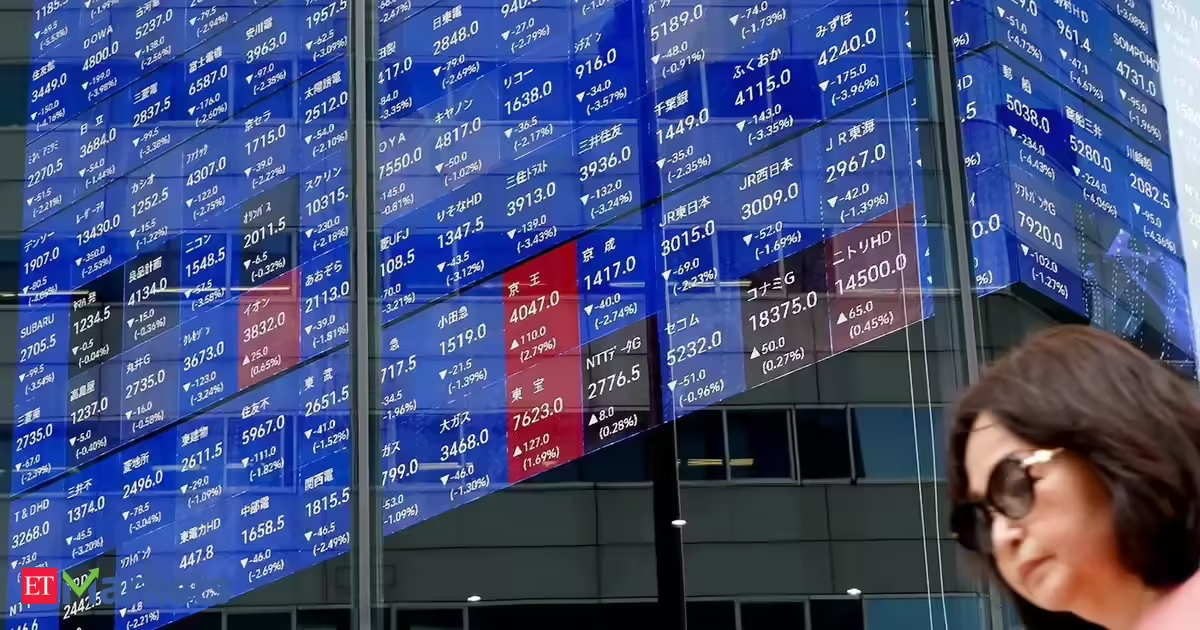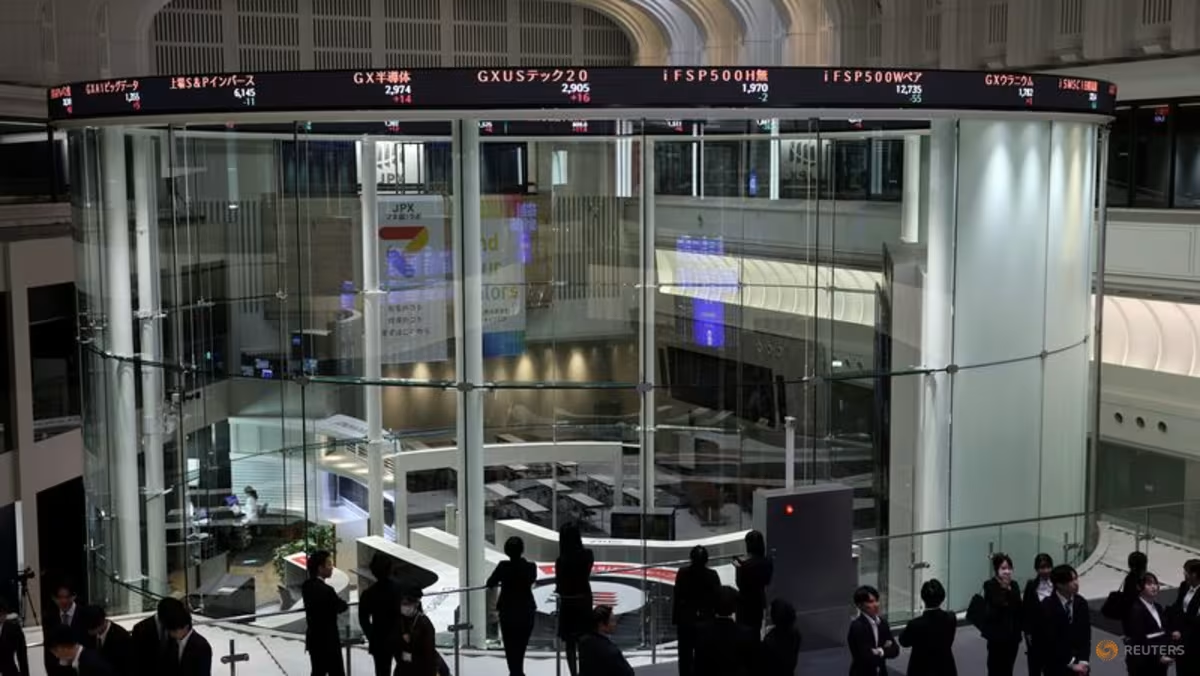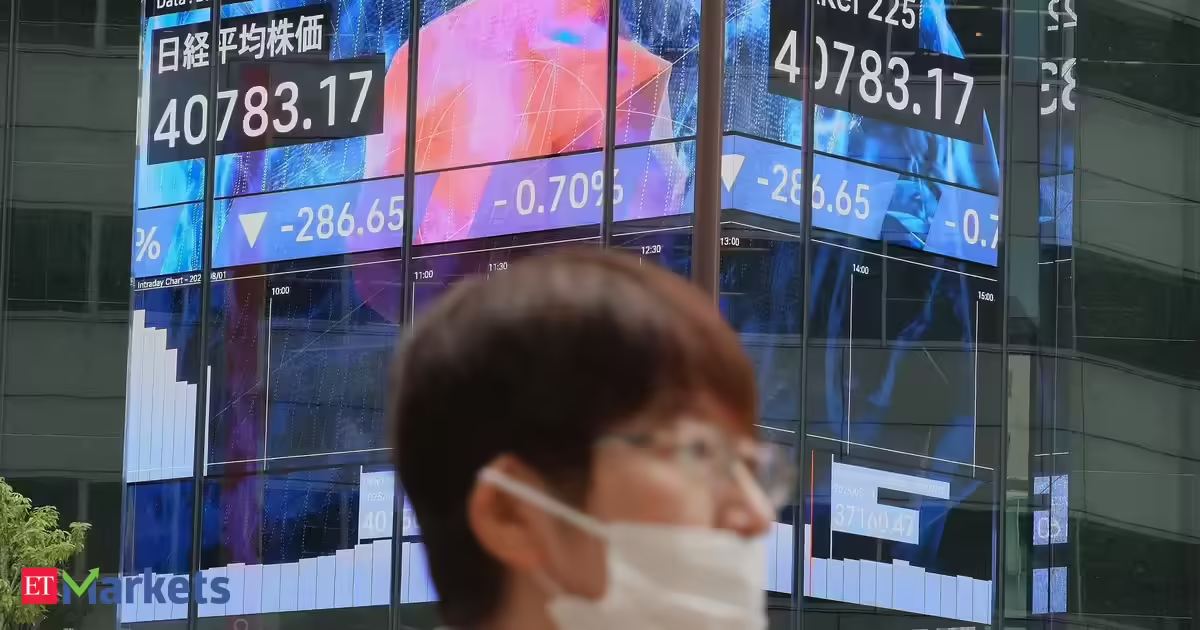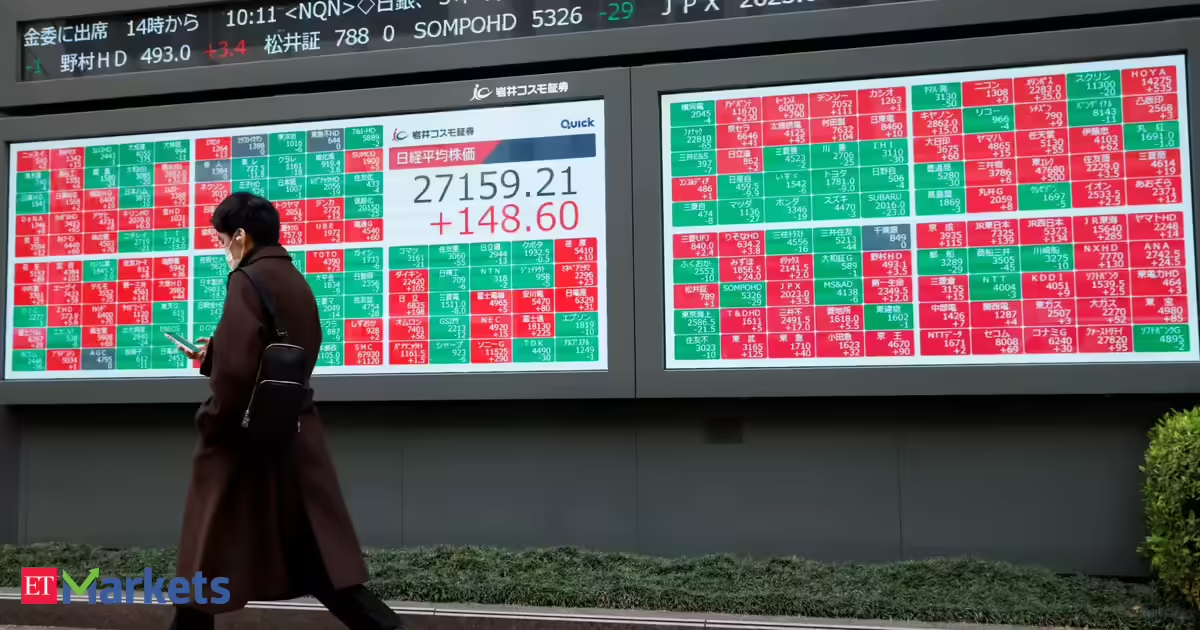
Japan's Nikkei share average retreated on Tuesday from a record high hit in the previous session, as investors cautiously assessed Middle East peace talks, with broader geopolitical uncertainties weighing on risk appetite.The index recovered some of its early losses as high-flying memory-chip maker Kioxia reversed course to jump nearly 7% ahead of a scheduled investor meeting later in the day.The Nikkei ended down 0.3% at 66,734.24, after falling as much as 2% earlier in the session. The broader Topix edged down 0.42% to 3,924.24.The Nikkei touched a record peak of 67,231.28 on Monday and posted a record closing high of 66,934.33, roughly 7% above the 25-day moving average, a sign of an overheated market."There was a caution for the Nikkei's sharp rally, and the optimism for the early end of the Middle East conflict weakened and the oil prices rose," said Daisuke Hashizume, senior strategist at Daiwa Securities.Uncertainty looms over the status of ceasefire talks between the U.S. and Iran and the potential reopening of the Strait of Hormuz.U.S. President Donald Trump said on Monday that talks with Iran were ongoing, while Tasnim news agency reported that Tehran had suspended indirect negotiations with Washington.In Japan, electronic components maker TDK and robot maker Fanuc fell 2% each, dragging the Nikkei lower the most.Technology investor SoftBank Group ended 1% higher after choppy trade. Fibre-optic cable maker Fujikura narrowed its loss to fall 2.2%.Energy stocks bucked the trend, tracking overnight gains in oil prices, with Inpex climbing 4.42%.Mining jumped 3.75% to become the Tokyo Stock Exchange's top-performing sector.Bank shares rose, with Mitsubishi UFJ Financial Group and Mizuho Financial Group gaining 0.76% and 2.24%, respectively.Of the nearly 1,500 stocks trading on the TSE's prime section, 28% rose, 69% fell and 2% traded flat.
Japan's Nikkei retreats from record peak as market gauges fragile Mideast peace talks
The Nikkei touched a record peak of 67,231.28 on Monday and posted a record closing high of 66,934.33, roughly 7% above the 25-day moving average, a sign of an overheated market.
289 words~1 min read