By Keith Martin, Professor, Information Security Group, Royal Holloway, University of London and Briana Bowen, Postgraduate research student, Department of Information Security, Royal Holloway, University of London for The Conversation
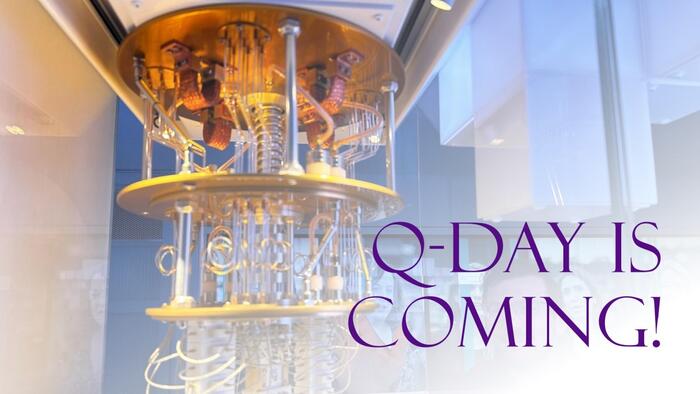
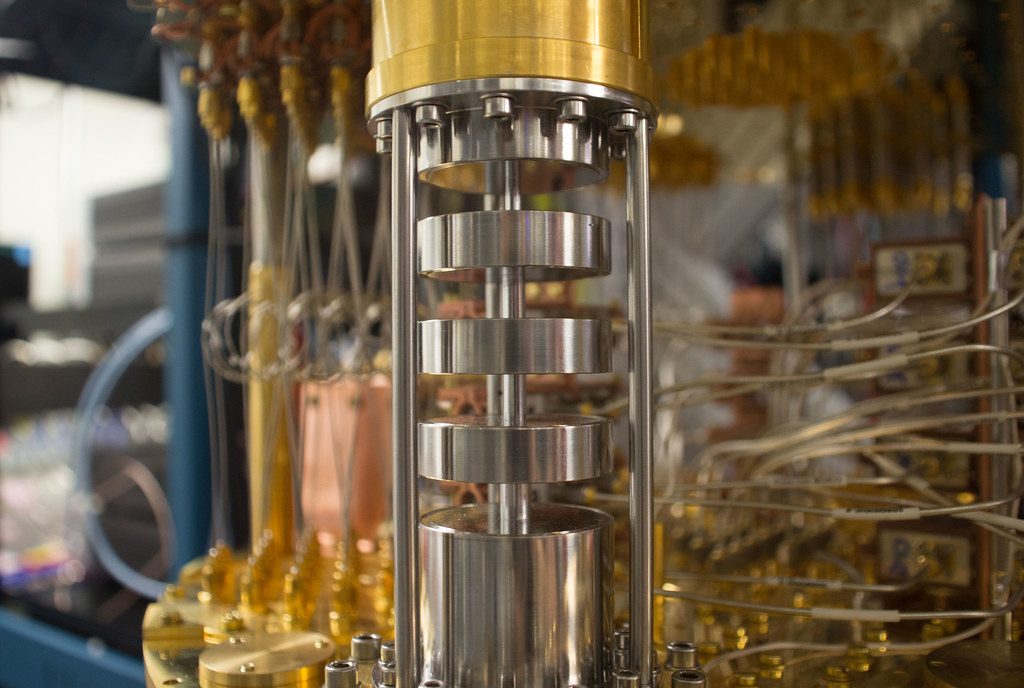
Quantum computers are coming. Or, at least, that’s what current predictions say. These machines harness the power of quantum mechanics, the set of rules governing how physics operates at atomic and sub-atomic scales.
Because of this, they operate in radically different ways to current machines. Tasks requiring trillions of years on existing supercomputers might be reduced to days on future quantum computers. They could tackle a range of challenges that are out of reach for existing technology.
These potential challenges include code-breaking. In 1994, the American computer scientist Peter Shor came up with a quantum algorithm capable of breaking the form of encryption that would later underpin routine email messaging and internet security. Shor’s advance drew interest from the US military and intelligence community, which began investing in the emerging field.
While decryption is often touted as a potential use for quantum computers, there are now protections against attempts to use them in this way. And in recent decades, other exciting applications have emerged. So is the threat to secure communications being overstated?