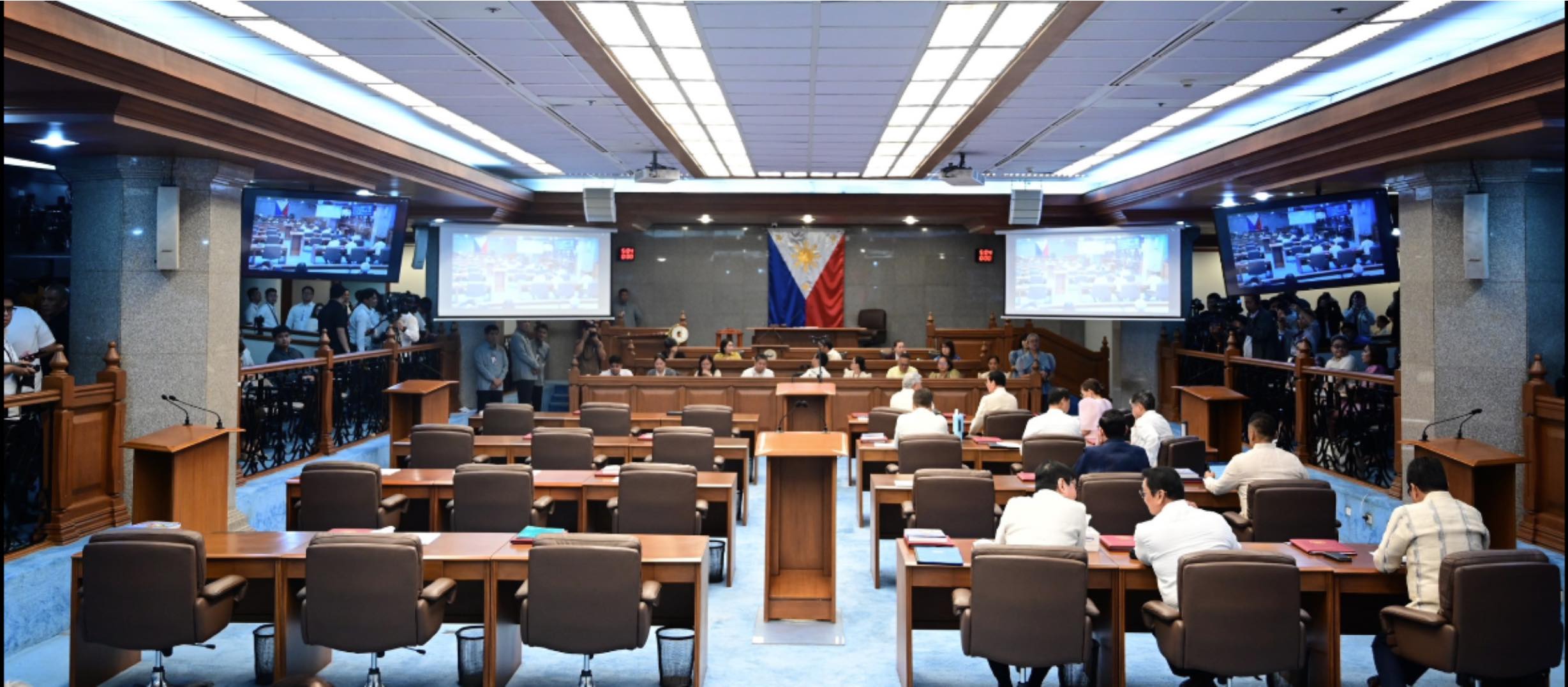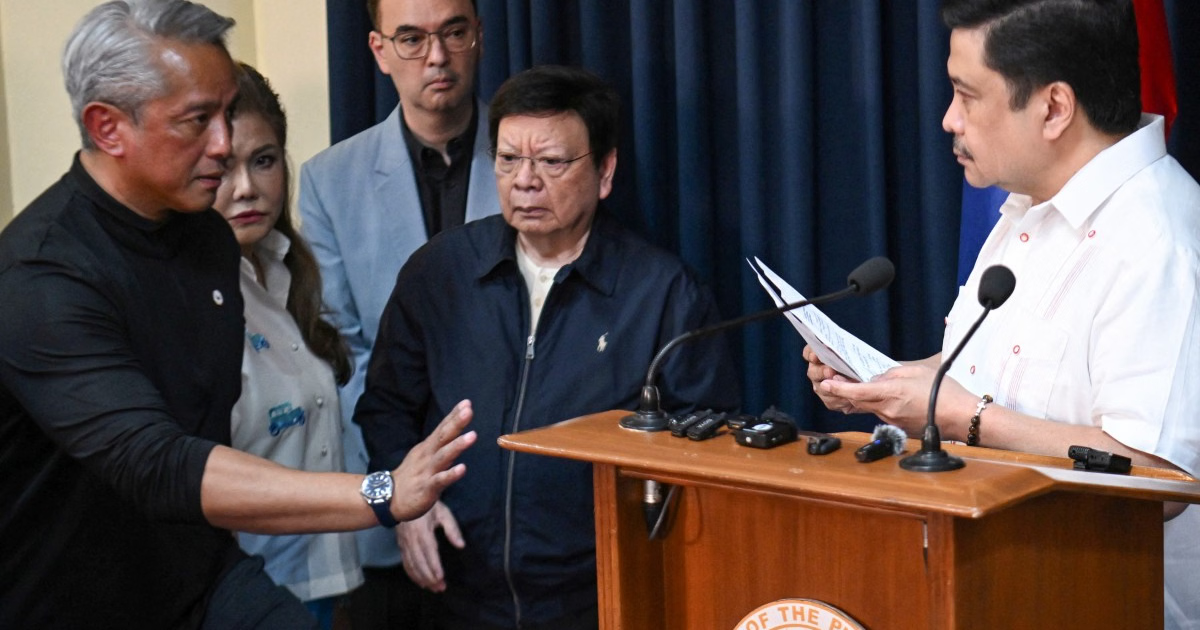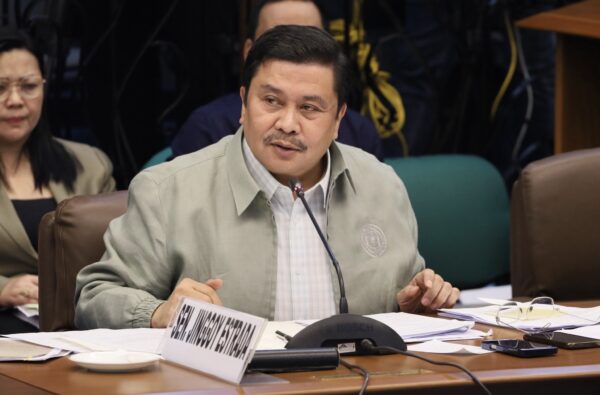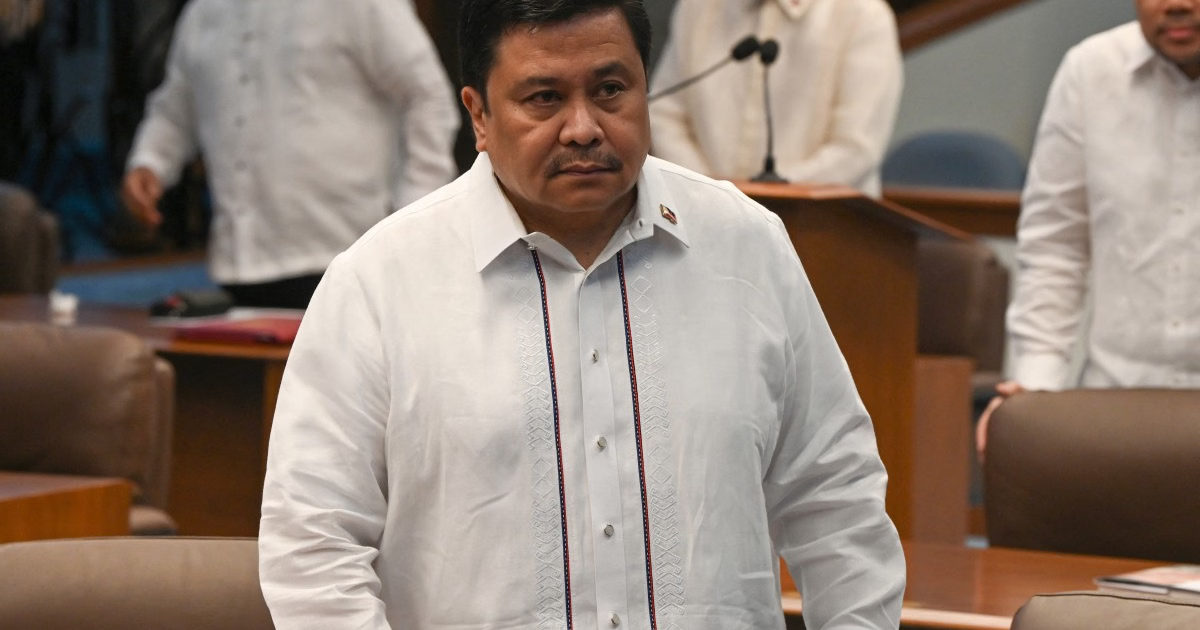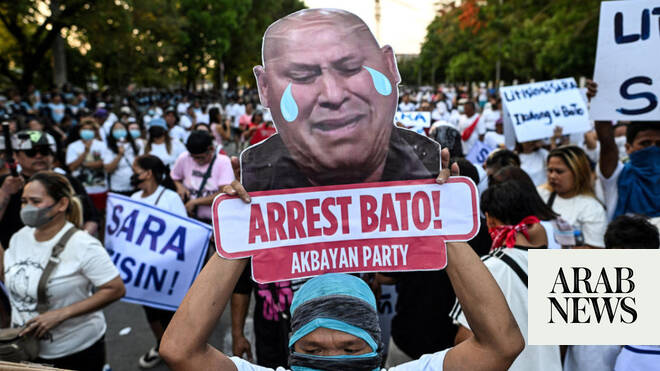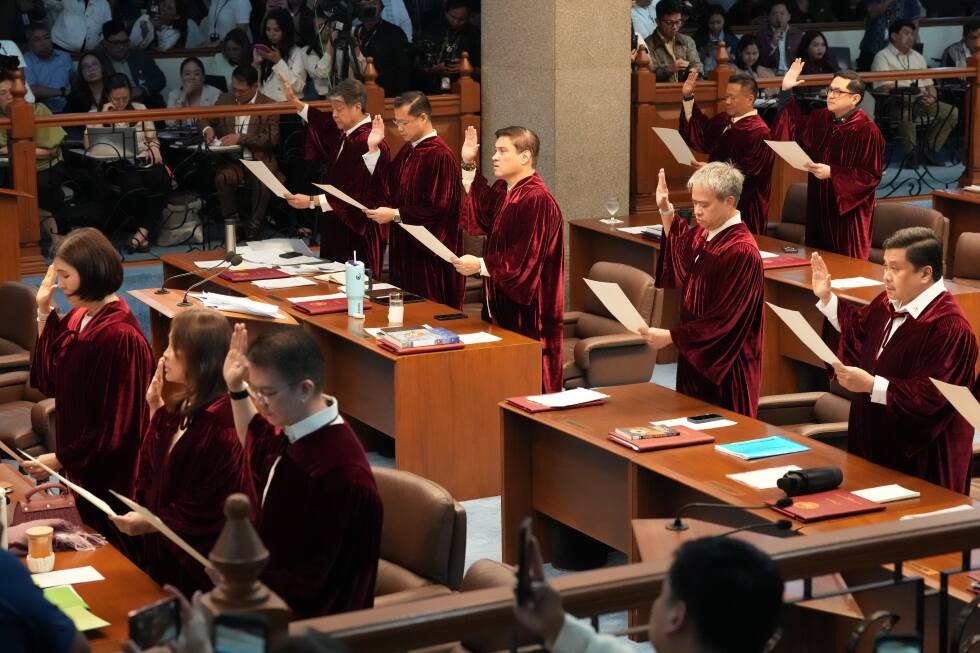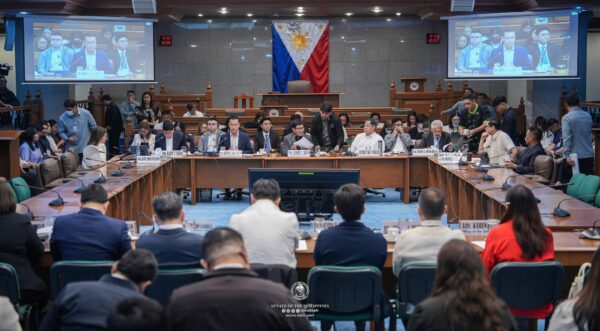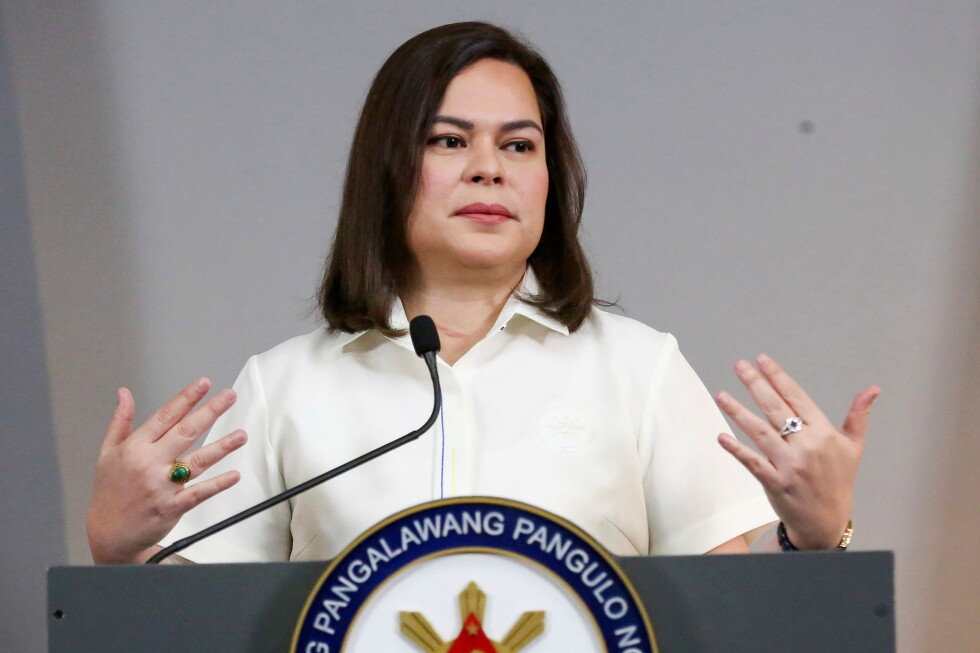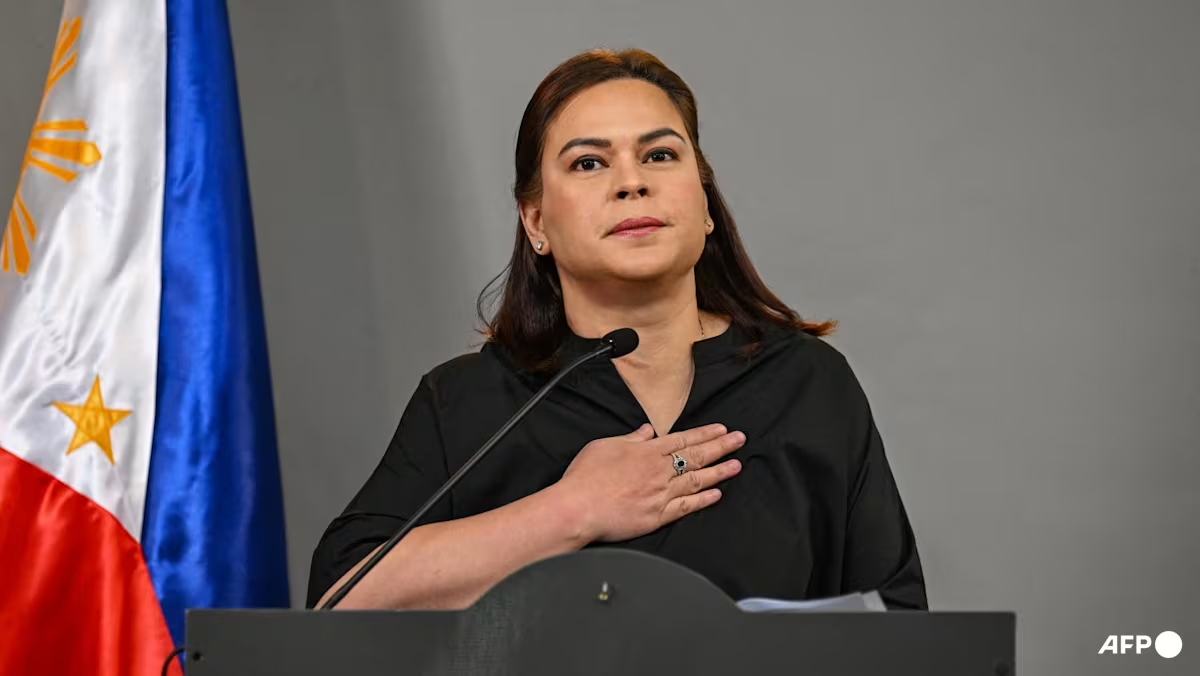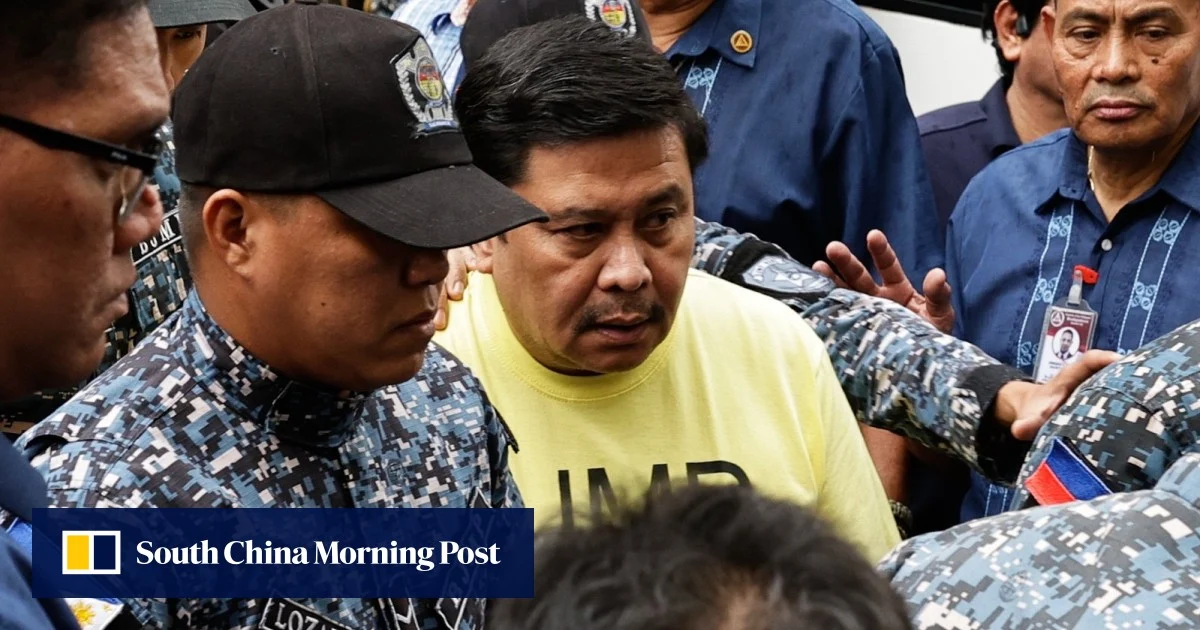
The arrest of Philippine Senator Jinggoy Estrada has deepened a stand-off in the Senate, leaving the chamber split between two 11-member blocs and raising the risk of a wider political crisis, analysts told This Week in Asia.They warned the stalemate could stall legislation, delay military appointments and complicate Vice-President Sara Duterte-Carpio’s impeachment trial, leaving the Senate’s basic ability to do business hostage to a factional power struggle.Estrada, chairman of the Senate defence committee, was arrested on Monday on a non-bailable corruption charge, further weakening the bloc that installed Alan Peter Cayetano as Senate president last month after a leadership challenge that ousted Vicente “Tito” Sotto III.His arrest came after Senator Ronald “Bato” Dela Rosa, a close Duterte ally and former police chief, went into hiding after the International Criminal Court (ICC) issued an arrest warrant over alleged crimes against humanity linked to Duterte’s drug war.01:01Philippine lawmaker charged with corruption surrenders in connection with flood-control scandalWith both Estrada and Dela Rosa unable to attend Senate activities, Cayetano’s 13-member “majority bloc” has been reduced to 11 senators – the same number as the “minority bloc”.“This [kind of number stalemate] has never happened before,” said University of the Philippines political science professor Dr Jean Franco.
Philippine Senate power struggle veers towards crisis after Estrada arrest
The arrest has left rival blocs short of the numbers needed to act ahead of the vice-president’s impeachment trial.
202 words~1 min read