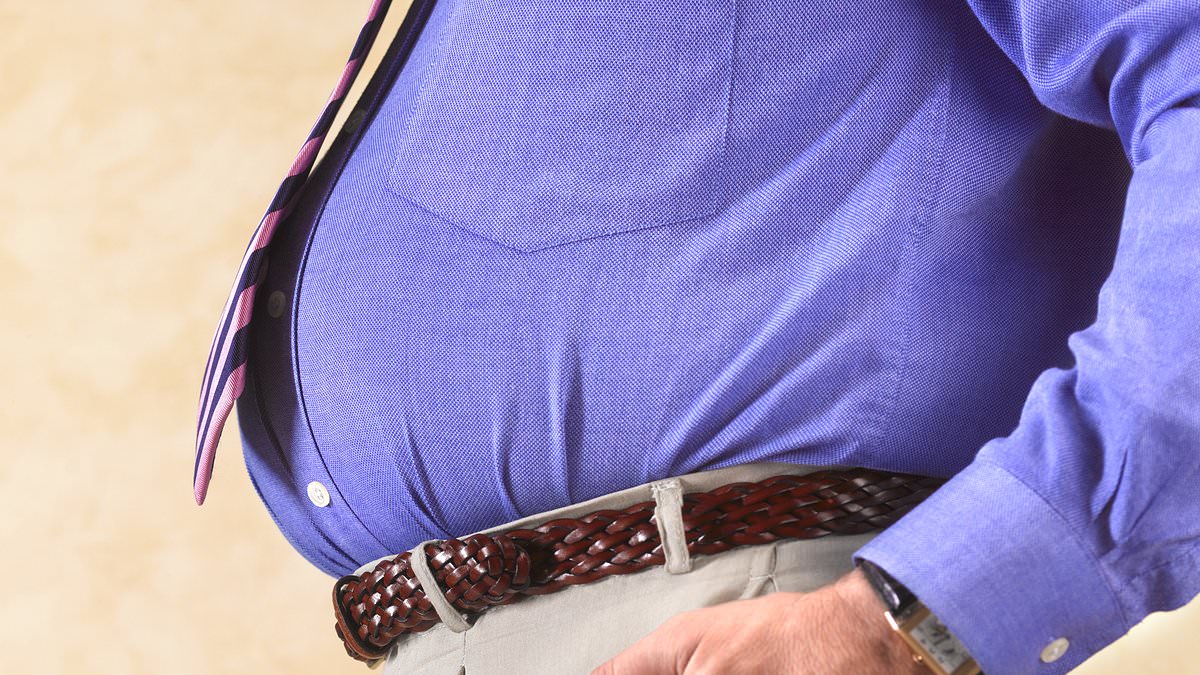
As men age, the body often sends subtle signals when something is not right, but many of these warning signs become so familiar that they are dismissed as a normal part of getting older. Symptoms such as snoring, poor sleep, low energy, or changes in sexual health may seem harmless on their own, yet they can sometimes point to deeper cardiovascular and metabolic issues. Recognising these early red flags and addressing them before they become routine can help prevent more serious health problems later in life.Erectile dysfunction is not just a bedroom issue! It can be a sign of heart disease. (Shutterstock)Also Read | From peptides to cold plunges: Heart surgeon with 25 years of experience shares health routines that offer most benefitsJeremy London, a board-certified cardiothoracic surgeon with 25 years of experience, is breaking down four warning signs that many men ignore until it is too late. In an Instagram video shared on June 1, he explains that symptoms often dismissed as a normal part of ageing may actually be early indicators of underlying cardiovascular disease.Low testosteroneAccording to Dr London, one of the most overlooked warning signs is low testosterone, which many men mistakenly dismiss as a natural part of ageing. However, he explains that in many cases, declining testosterone levels are closely linked to excess belly fat, poor sleep quality, and a lack of physical activity. Rather than immediately seeking medication, Dr London recommends addressing these underlying lifestyle factors first.He explains, “The first is decreasing testosterone levels. And most of us chalk this up just to getting older, but really it's downstream from increased belly fat, poor sleep, lack of exercise. So, fix these things before you go chasing a prescription.”Heart disease shows up earlierDr London points out that, unlike women, who benefit from the cardiovascular protection of oestrogen until menopause, men face a higher risk of heart disease much earlier in life. As a result, cardiovascular problems can begin to emerge up to a decade sooner in men. This is why, he says, the key window for protecting men's heart health is often in their thirties and forties – not their sixties, when much of the damage may already be underway.The heart surgeon highlights, “Number two, and this one's really important. Heart disease shows up about a decade earlier in men than it does in women. That's because women have the protective effects of oestrogen before menopause. That means that our window of opportunity is in our 30s and 40s, not our 60s.”Erectile dysfunctionDr London emphasises that erectile dysfunction is not merely a sexual health issue – it can also be an early warning sign of underlying cardiovascular disease. He explains that the arteries involved in achieving an erection are among the smallest in the body, meaning they are often the first to show signs of reduced blood flow or damage. In some cases, he says, the first episode of erectile dysfunction may be your heart's way of warning you that trouble is beginning to develop.He notes, “This one isn’t just a bedroom problem. The arteries down there are tiny – they clog first. New ED can be the earliest warning your heart gives you, years before chest pain. Don’t just grab a pill. Get your heart checked.”Sleep apnoeaThe warning signs of sleep apnoea often begin with loud snoring, disrupted sleep, and waking up feeling tired despite spending enough time in bed. While many men experience these symptoms, they may not realise that untreated sleep apnoea can contribute to high blood pressure, increase the risk of heart rhythm disorders, and place significant strain on the heart over time.Dr London warns, “Sleep apnoea shows up with snoring, waking up exhausted, and this isn't just a quirk. Sleep apnoea increases the risk of hypertension, arrhythmias, and it strains the heart, and most men that have it are not even aware.”“Now, see the pattern here? Increased belly fat, poor sleep, lack of exercise, vascular failure – same story, different four warning signs. And remember, take care of yourself first because if you're not around, you can't take care of anyone else,” concludes the heart surgeon.Note to readers: This article is for informational purposes only and not a substitute for professional medical advice. It is based on user-generated content from social media. HT.com has not independently verified the claims and does not endorse them.
Did you know erectile dysfunction can be a warning sign of heart disease? Heart surgeon shares 4 red flags men ignore
Warning signs of long-term diseases are often dismissed as natural parts of ageing. However, Dr London stresses that catching them early can be life-saving. | Health
723 words~3 min read