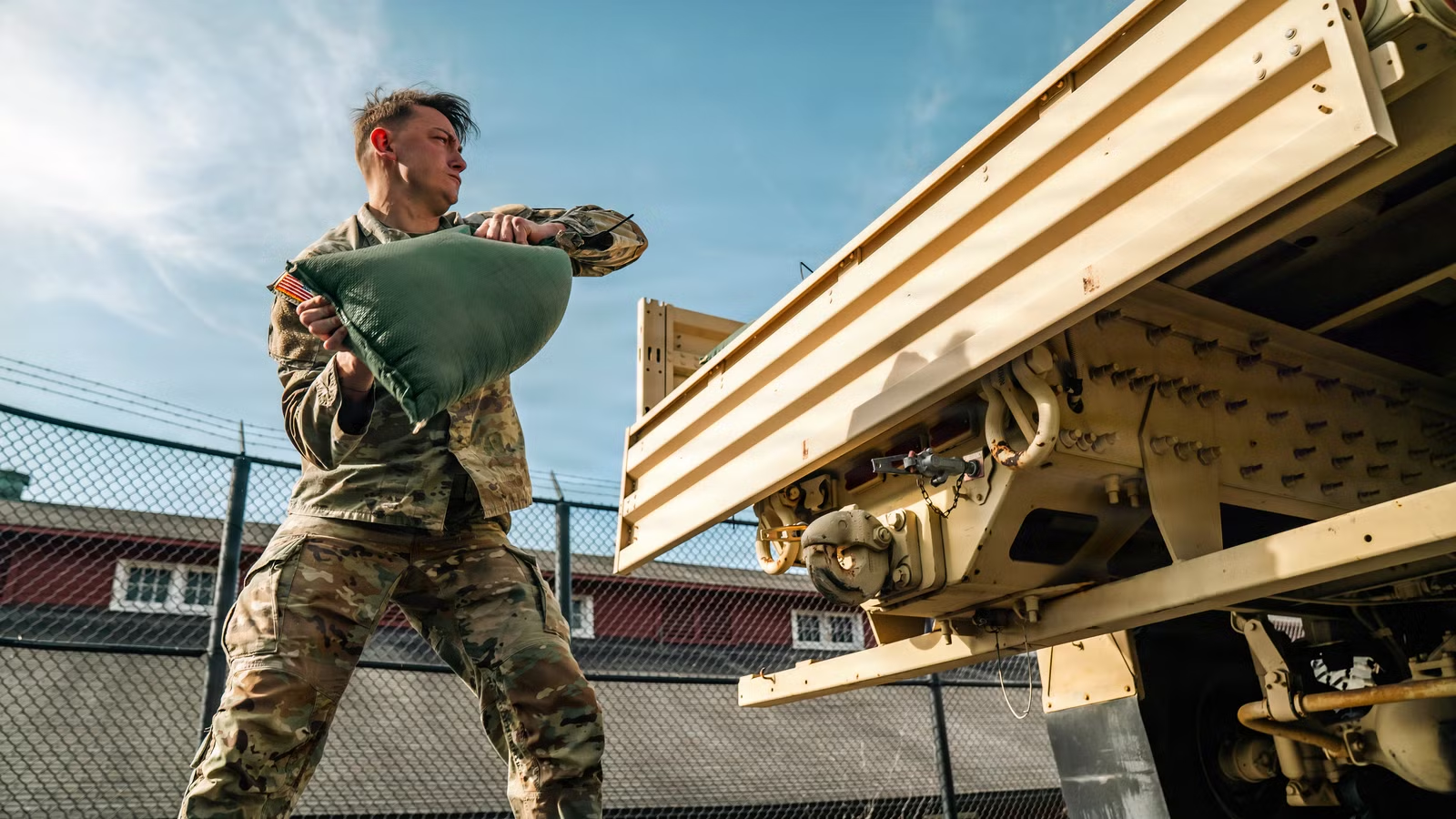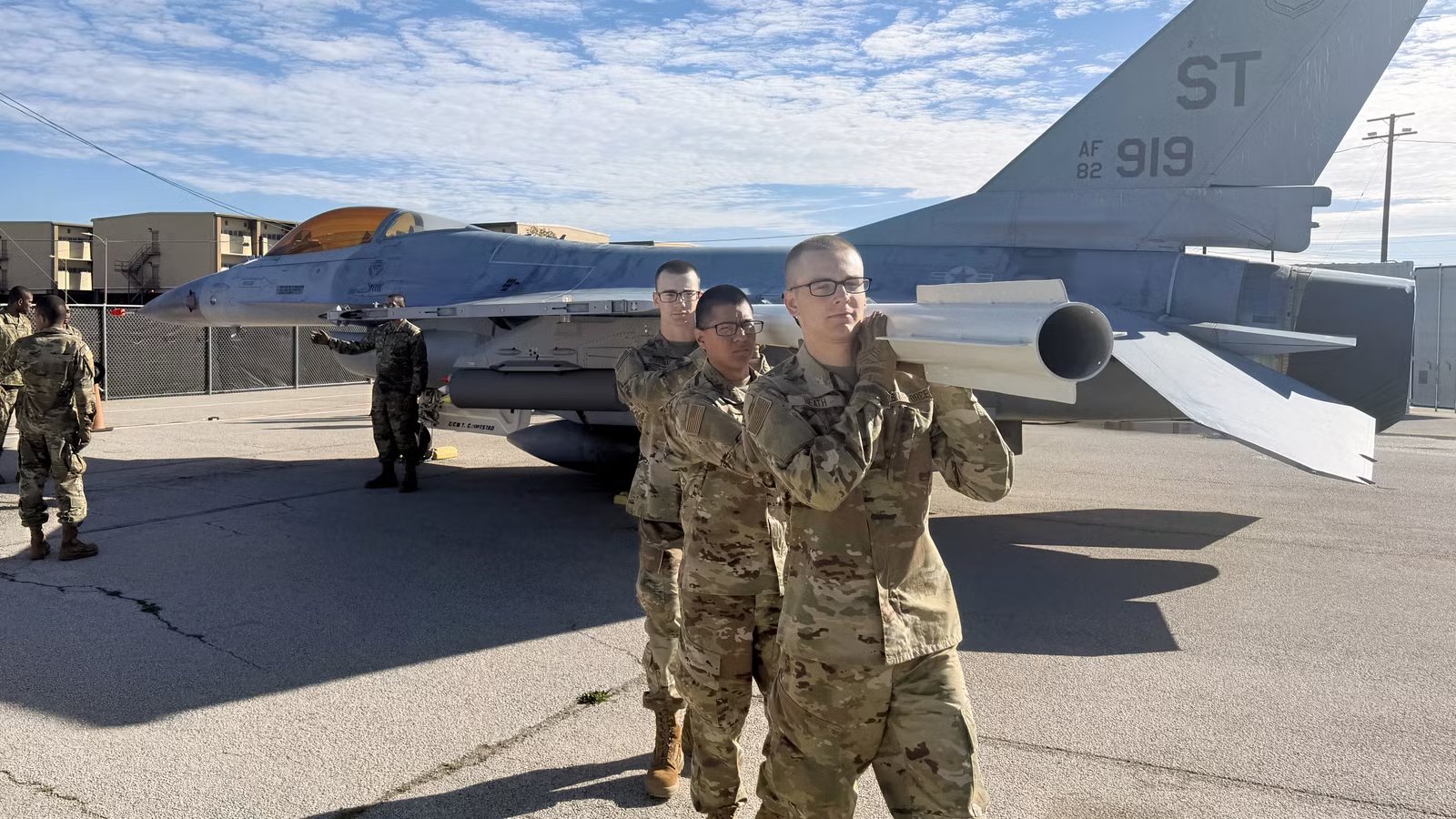
The Air Force is reshaping basic training around aircraft, small teams and simulated airfields as it prepares new airmen for future wars. For generations, Air Force basic military training (BMT) has centered on drill pads, inspections, dormitories and military discipline. Those elements aren't disappearing. But in an interview with Military.com, Maj. Gen. Davidson, commander of 2nd Air Force, said the service is undertaking what he describes as the most significant transformation of Air Force basic training in decades. One designed to move trainees closer to the mission they will ultimately support. The overhaul includes a new training range featuring two C-130s, an F-16 and multiple airfield training stations where recruits will learn in environments designed to mirror future combat operations.
We have to prepare these airmen for the wars they will fight, not the wars we have fought, Davidson told Military.com.
At the center of that effort is a simple idea: move Air Force recruits from the drill pad to the flight line.
From Drill Pads to Airfields
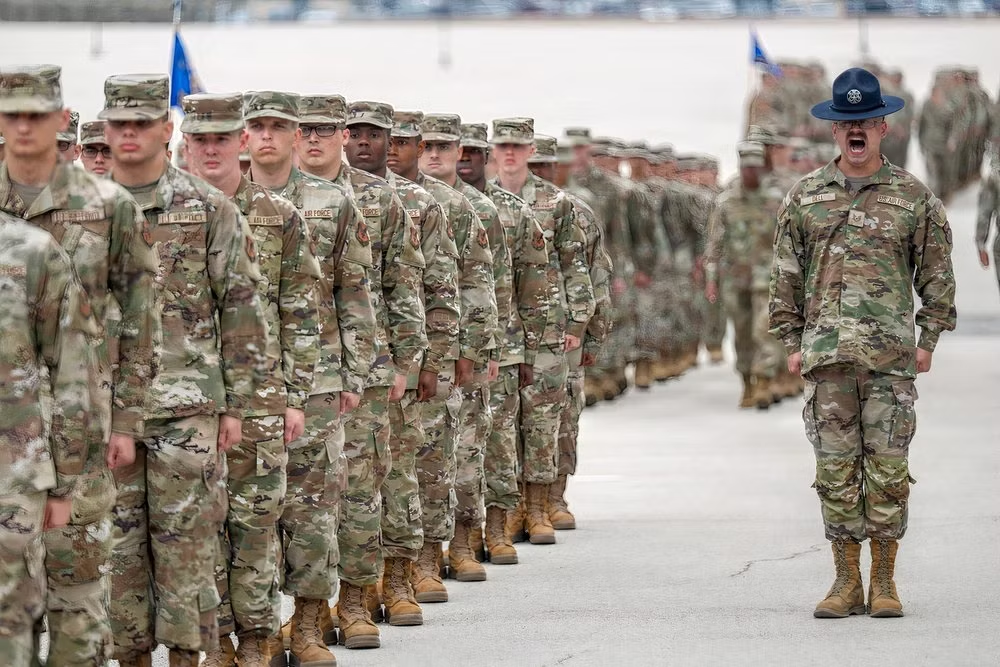
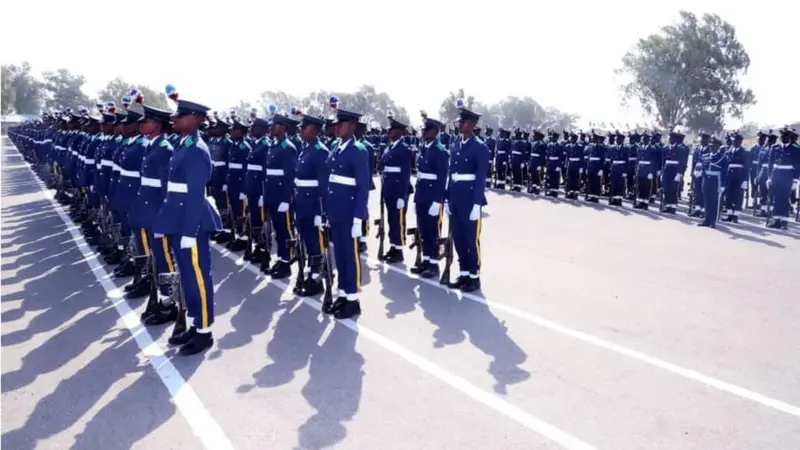
For decades, the physical experience of basic military training has revolved around military customs and courtesies, inspections, marching, physical fitness and classroom instruction. Those foundational elements remain. But Air Force leaders increasingly believe they are not enough by themselves. Davidson said the service is intentionally shifting BMT from what he calls a "drill pad-centric" model toward an "airfield-centric" training experience. "The opportunity is to go from the drill pad...to how a team puts missiles on an F-16, defends forward and solves complex problems," Davidson said. The goal is not to eliminate drill and ceremony. Rather, Davidson argues that many of the traditional activities in basic training are tools used to develop discipline, teamwork, precision and attention to detail. The challenge is ensuring trainees understand why those skills matter. "We're not trying to train people to march," Davidson said. "We're trying to train people" to bring those same habits and standards to operational missions. That shift is now becoming visible across Lackland AFB.