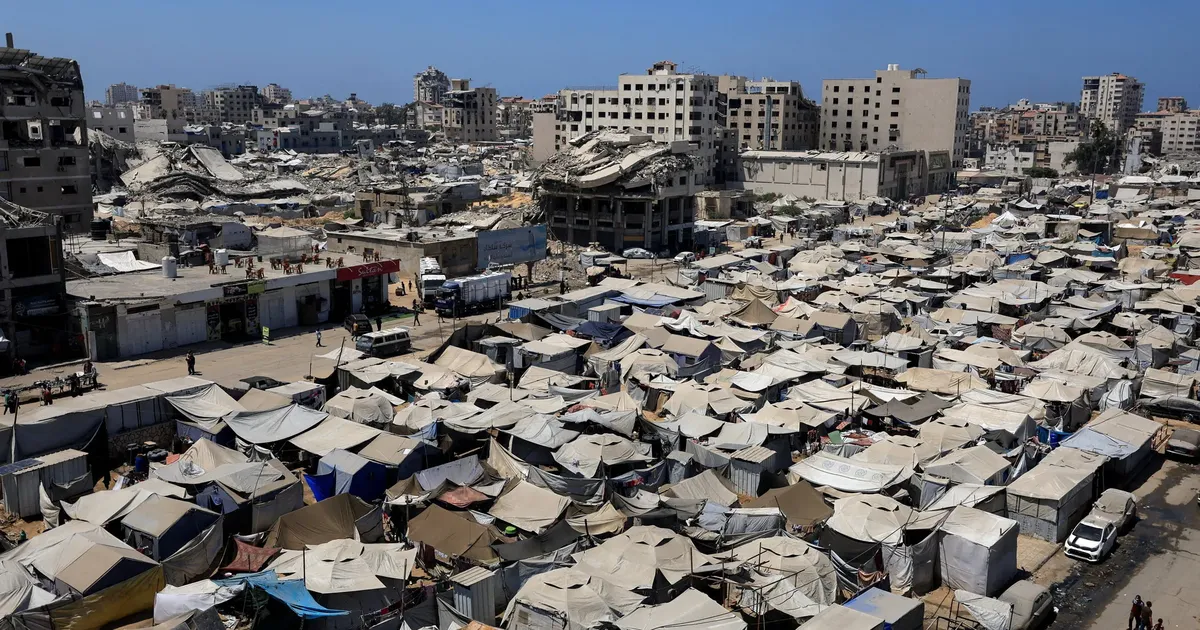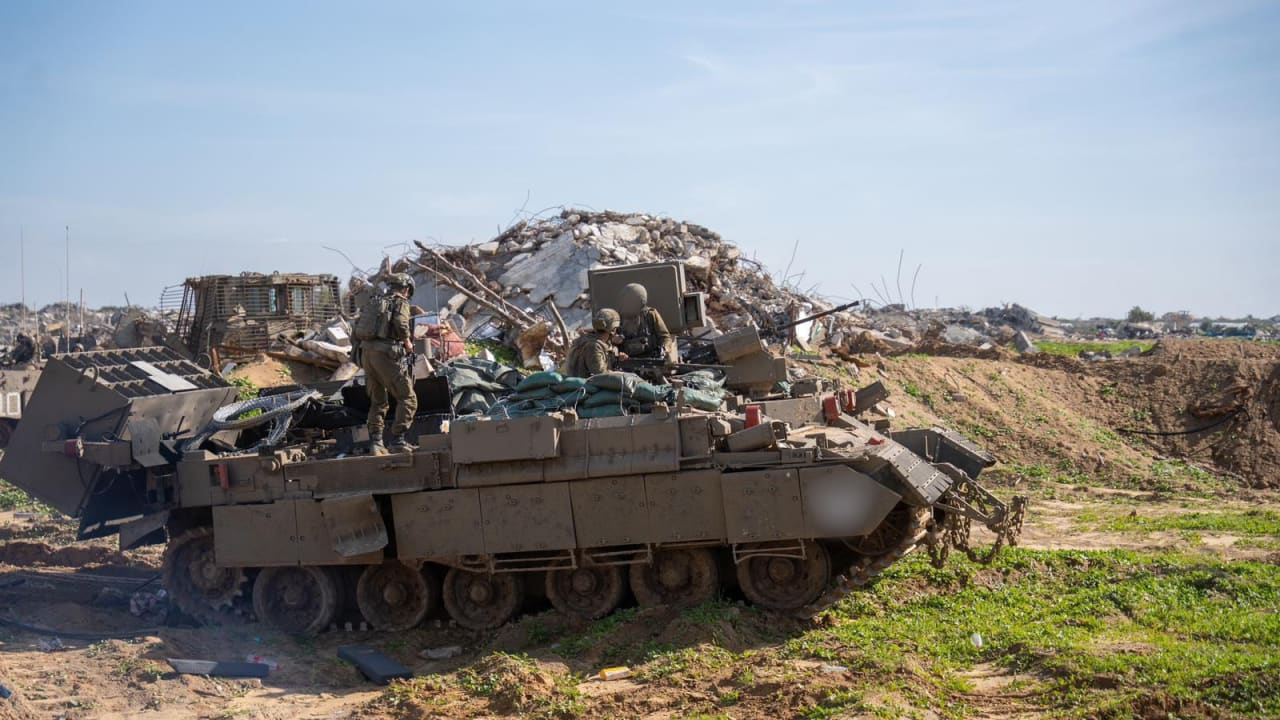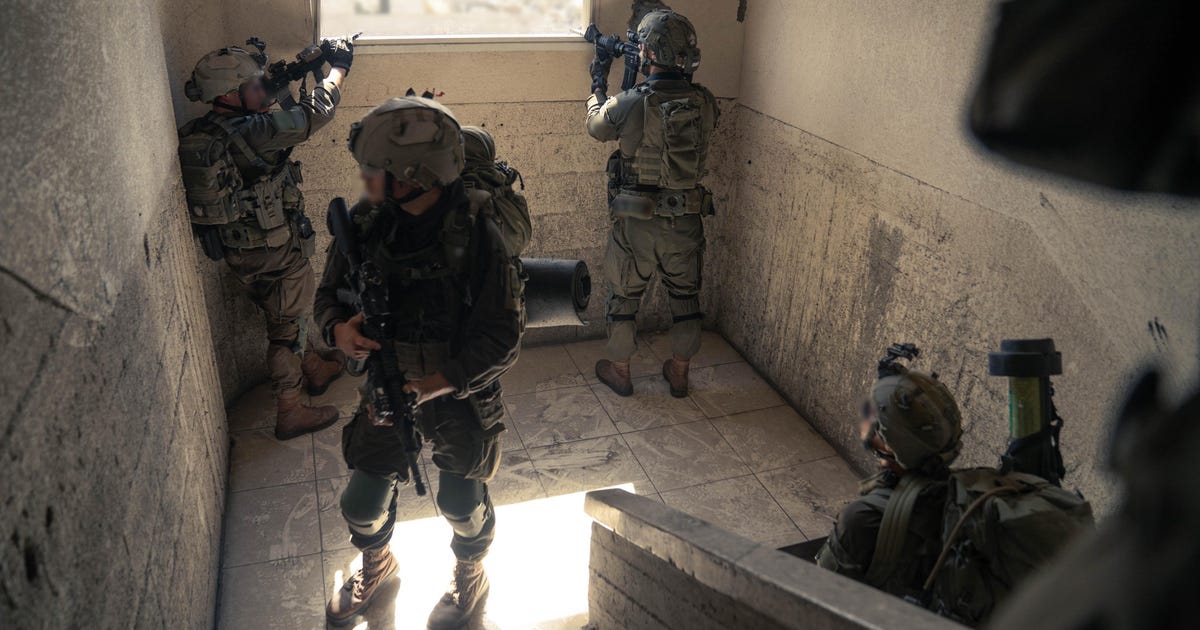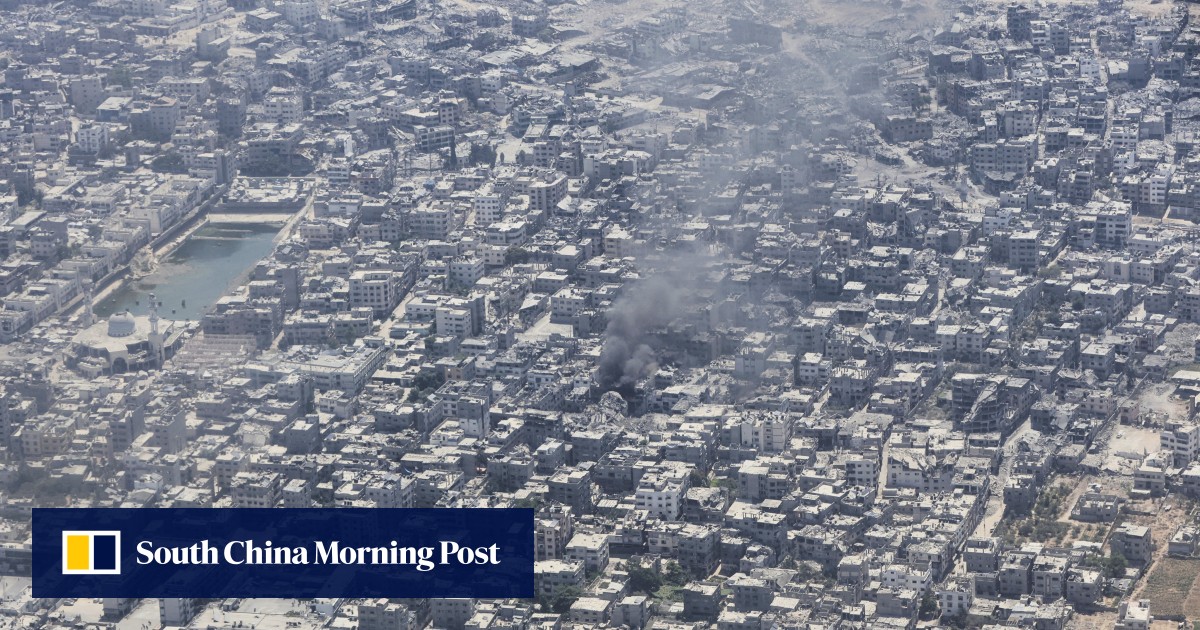
Maj. Gen. Yaniv Asor is pushing for an operation in Gaza, and estimates disarming Hamas will take 6-10 weeks; however, the political echelon is in no hurry to adopt his recommendations, prioritizing Lebanon and Iran insteadAccording to sources familiar with the discussions, Asor has already presented operational plans and is advocating for their implementation, arguing that he can dismantle Hamas’ military force within six to 10 weeks. He has reportedly presented Chief of Staff Lt. Gen. Eyal Zamir and the political leadership with the anticipated costs and implications, including expected casualties among Israeli forces. The proposal comes amid the reality that Hamas continues to govern and build up its strength in roughly 40% of the Gaza Strip that remains under its control.Attack on the Gaza port on SundayDespite the Southern Command chief’s recommendation, political leaders have been reluctant to embrace the move, arguing that Israel cannot wage an intensive campaign on all fronts simultaneously and must prioritize its arenas of conflict, with Lebanon and Iran currently considered the primary fronts.A senior political official told Ynet and Yedioth Ahronoth that “there have been several discussions about Gaza. We want to maintain a hierarchy of arenas in terms of resources and attention. Everything is supposedly waiting for Hamas’ answer on whether it is willing to disarm, but it is clear that it will not do so, and it is clear that this will ultimately be our task. The question is whether it is right to return now to an intensive ground maneuver with the cost of casualties among our forces, or whether we should first try to strangle them economically, change the distribution of humanitarian aid, and then, once the Lebanon front stabilizes, return to focusing more on Gaza.”1 View gallery Southern Command chief Maj. Gen. Yaniv Asor has been pushing for a new offensive operation in Gaza (Photo: IDF Spokesperson's Unit)Prime Minister Benjamin Netanyahu said in recent days that his directive is to deepen Israeli control in the Strip by expanding the territory held by Israel and pushing the so-called Yellow Line farther west.“We’re at 60% right now. Proceed step by step — first 70%, let’s start there. We are squeezing them from every direction, and we’ll deal with the remnants,” Netanyahu said at a conference in the Jordan Valley.“Southern Command is preparing plans for a variety of operational scenarios in accordance with the chief of staff’s directives and policy. These plans have been presented as possible alternatives to the General Staff and the political leadership, along with the implications of each option,” the IDF said in a statement.Meanwhile, Hamas continues to strengthen itself economically in the areas under its control. According to numerous reports, including accounts from soldiers in the field and sources at border crossings, there have been significant attempts to smuggle dual-use materials through humanitarian aid shipments, including among the 600 trucks entering the Strip each day as part of the ceasefire terms and the first phase of the U.S. plan.As previously reported by Ynet, the political leadership has held discussions on changing the aid distribution system to prevent assistance from reaching Hamas, or at least reduce the group’s ability to seize it. Among the options considered was a return to the aid distribution center model, with centers redeployed near the Yellow Line, despite the fact that the initiative failed a year ago, along with several other proposals.First published: 08:22, 06.02.26
IDF Southern Command chief pushes new Gaza offensive to dismantle Hamas
Maj. Gen. Yaniv Asor is pushing for an operation in Gaza, and estimates disarming Hamas will take 6-10 weeks; however, the political echelon is in no hurry to adopt his recommendations, prioritizing Lebanon and Iran instead
TL;DRAI
IDF Southern Command chief proposes 6-week Gaza offensive to dismantle Hamas; Israeli political leadership defers plan, prioritizing Lebanon and Iran. Hamas consolidates strength by smuggling dual-use materials through humanitarian aid, prompting Israeli debate over intensive operations versus economic strangulation.
563 words~3 min read