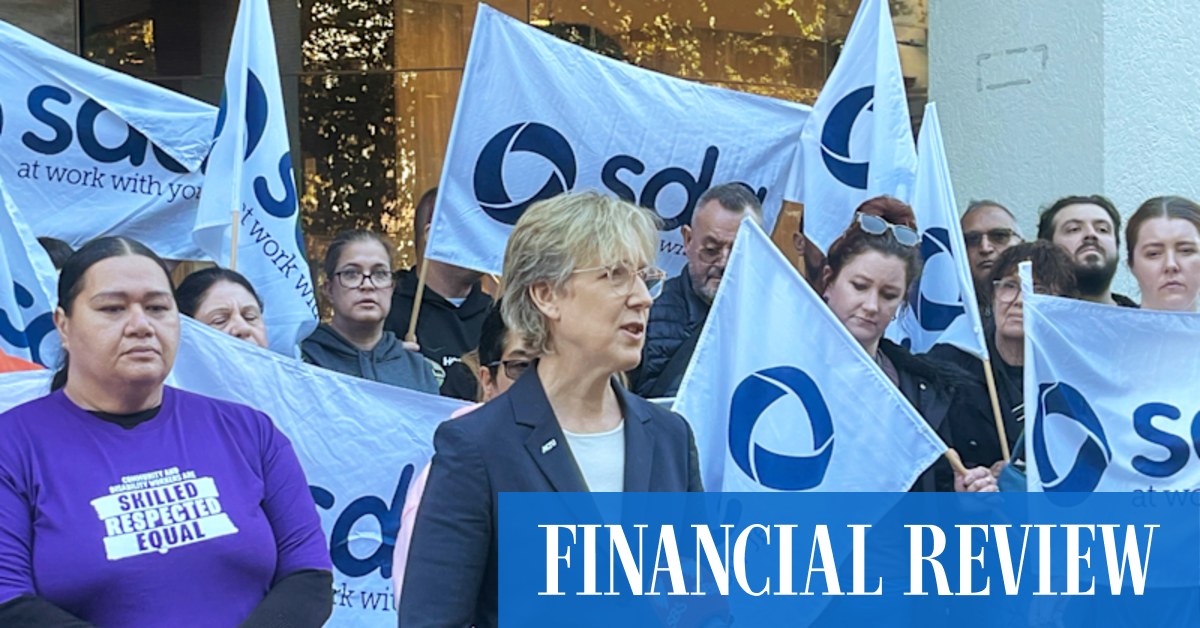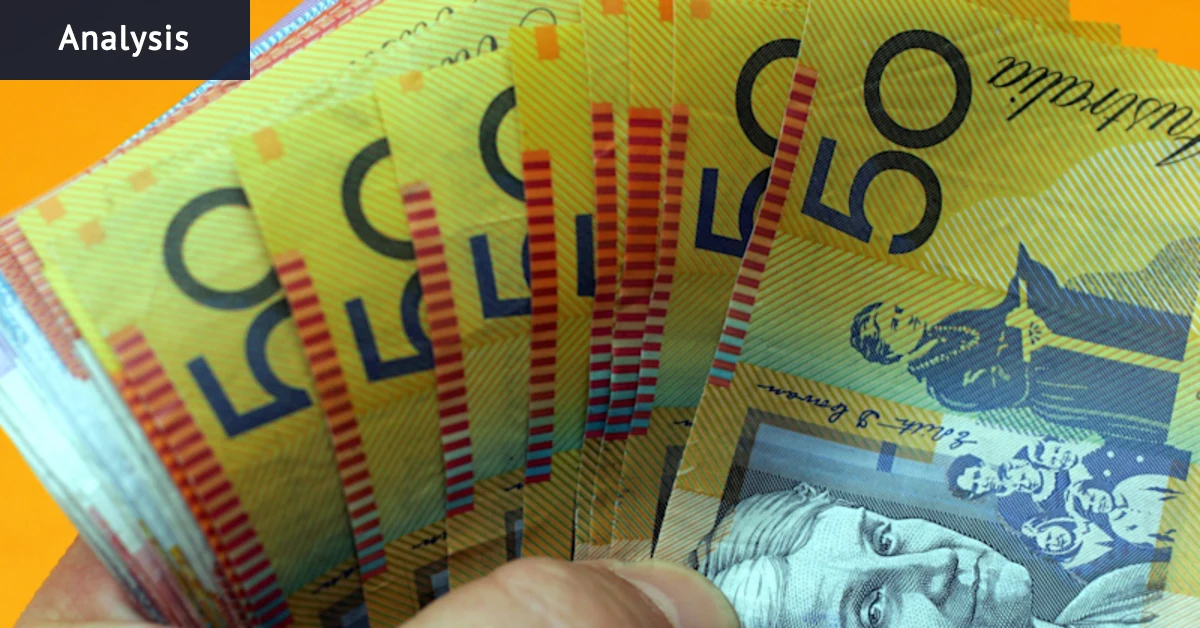
June 2, 2026 — 3:55pmThe Reserve Bank’s job to bring inflation was just made more difficult by the Fair Work Commission.No matter how you couch it and the reasons for it, the 4.75 per cent increase in the minimum wage is a risk that the economy – and the Reserve Bank – just did not need.An increase in the minimum wage could be easily eaten up by higher inflation and higher interest rates.James DaviesIf you think 4.75 per cent is sizeable, that’s because it is. It’s the third-largest increase since the Global Financial Crisis (during which the commission’s predecessor, the Fair Pay Commission, froze wages for the lowest paid).In dollars and cents, it takes the full-time weekly minimum wage beyond the $1000 mark to more than $52,000 a year. An important caveat is that about 70 per cent of those on the minimum wage are part-time or casual workers.While about a fifth of the workforce is affected, their pay is so low that it accounts for just 11 per cent of the national wage bill.But the increase is so large that it will deliver a measurable increase in the Reserve Bank’s key measures of wage growth and labour costs.Just three weeks ago, the RBA forecast that wages growth would remain around 3.2 per cent over the next 18 months.The minimum wage increase will definitely push that up. The question is by how much. And that’s the problem.AMP economist My Bui, for instance, reckons wage growth could hit 3.7 per cent by December, adding to already high inflation as businesses pass on higher labour and input costs.She believes the RBA will now push official interest rates to 4.85 per cent by November. That’s two more rate hikes on top of the three that are just starting to work their way through the economy.Cumulatively, that would amount to 1.25 percentage points of interest rate pain in less than 12 months. On a $600,000 mortgage, that’s an extra $500 a month or $6000 a year.Outside the end of the pandemic, when the Reserve Bank jacked up the cash rate from 0.1 per cent to 3.1 per cent between May and December 2022, you have to go back to the early 1990s (when the average mortgage was just $81,500) to find a similarly intense tightening of monetary policy in such a short period of time.Most other economists are not nearly as pessimistic about the fallout from the Fair Work Commission decision. While slightly higher than had been anticipated, many think it will only marginally add to the economy’s inflation risks.That is the issue. Even though inflation was a little lower than expected in April, it was still running at 4.2 per cent while underlying inflation edged up to 3.4 per cent.Almost every risk to inflation remains to the upside, led by Donald Trump’s continuing dual wars on Iran and economic sanity.The boss of Exxon warned this week that the chance of oil at $US160 a barrel grows for every day the Strait of Hormuz remains closed.Oil producers like Exxon are getting more and more agitated because they know that the risk of a global recession, and the destruction of demand for their oil, are increasing as ships fail to pass in and out of the Persian Gulf.It’s not just oil. Australian consumers are months away from getting a shock at the supermarket and local cafe.The federal government’s agricultural forecaster on Tuesday revealed that a combination of dry conditions in the nation’s key farming regions and soaring prices for oil and fertiliser means the national crop this season is likely to be 20 per cent down on 2025.Since the war against Iran began, prices for Australian grain and oilseeds have climbed by 20 per cent. But the price of urea, an important fertiliser, has soared by 80 per cent. And diesel, while easing in recent weeks, is still 30 per cent more expensive than it was before Trump’s war.About the only “upside” for the bank is that the housing market is turning. Outright falls in the price of homes should dampen the spending proclivities of consumers, taking some pressure off inflation.But by increasing minimum wages, without any productivity trade-off or improvement, the Fair Work Commission has tempered even that downward pulse on consumer prices.The nation’s lowest paid are the ones getting hurt most by inflation. They are the ones who have little left in the bank account after a week’s expenditure on necessities such as petrol, food and rent.They’re the ones that have been left behind by the gap between wage growth and inflation for the past five years.A big increase in wages might deliver some short-term gain, but the Reserve Bank could easily turn that into long-term pain.Cut through the noise of federal politics with news, views and expert analysis. Subscribers can sign up to our weekly Inside Politics newsletter.From our partners
A minimum wage increase delivers a maximum inflation risk
The Fair Work Commission has just added to the Reserve Bank’s inflation troubles with a large increase in the minimum wage.
TL;DRAI
Fair Work Commission raised minimum wage 4.75% to AU$52k/year—third-largest increase since GFC. Wage growth could hit 3.7% by December amid 4.2% inflation, forcing RBA to 4.85%, adding AU$6,000 yearly to mortgages.
808 words~4 min read