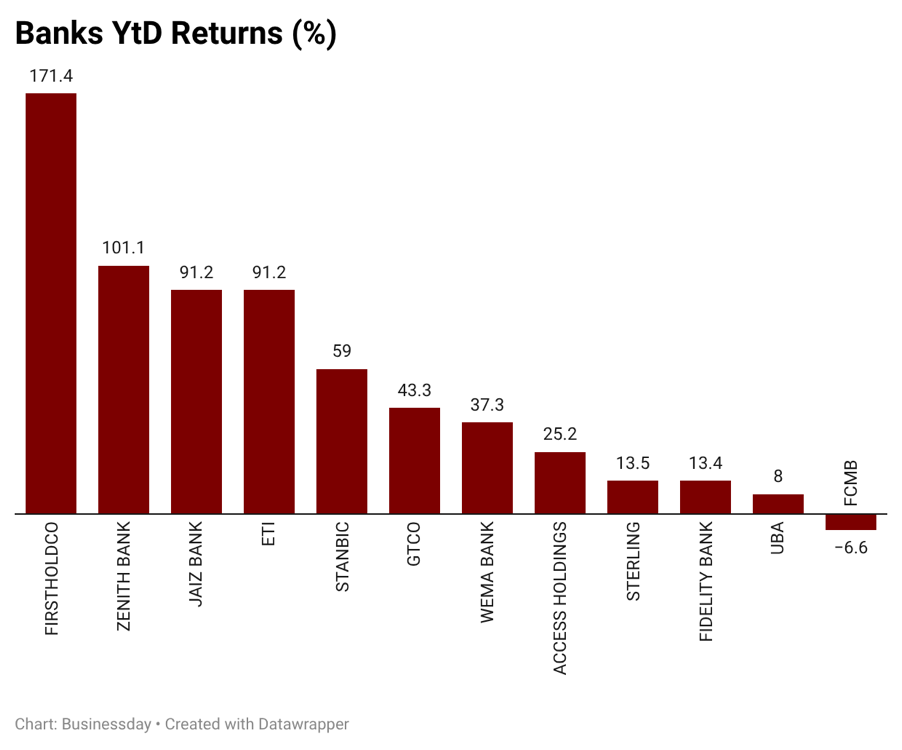
In a surprising turn of events this year, three to four banks in Nigeria decided not to pay dividends to their shareholders. This decision was influenced by the Central Bank of Nigeria’s forbearance provisions, which required these banks to prioritise managing their loan portfolios over distributing profits. While this might sound disheartening to many investors, especially those who rely on dividends as a source of income, it’s essential to understand the broader picture.
For some, the absence of dividend payments could serve as a deterrent to investing in bank shares. The thought of missing out on immediate returns can be frustrating. However, for the savvy investor who understands the nuances of the market, this is merely a bump in the road. A smart investor knows that the stock market is not just about quick gains; it’s about playing the long game. Disappointment may arise, but it should not derail your investment journey.
Take a moment to consider how other countries approach similar situations. For instance, during the financial crisis in 2008, many companies worldwide slashed or suspended their dividends to stabilise their finances. Yet, savvy investors who remained patient and focused on long-term growth eventually saw their investments recover and flourish. The same principle applies here in Nigeria. The stock market can still be a robust platform for both short-term liquidity and long-term capital appreciation, provided you understand the right strategies and timing.