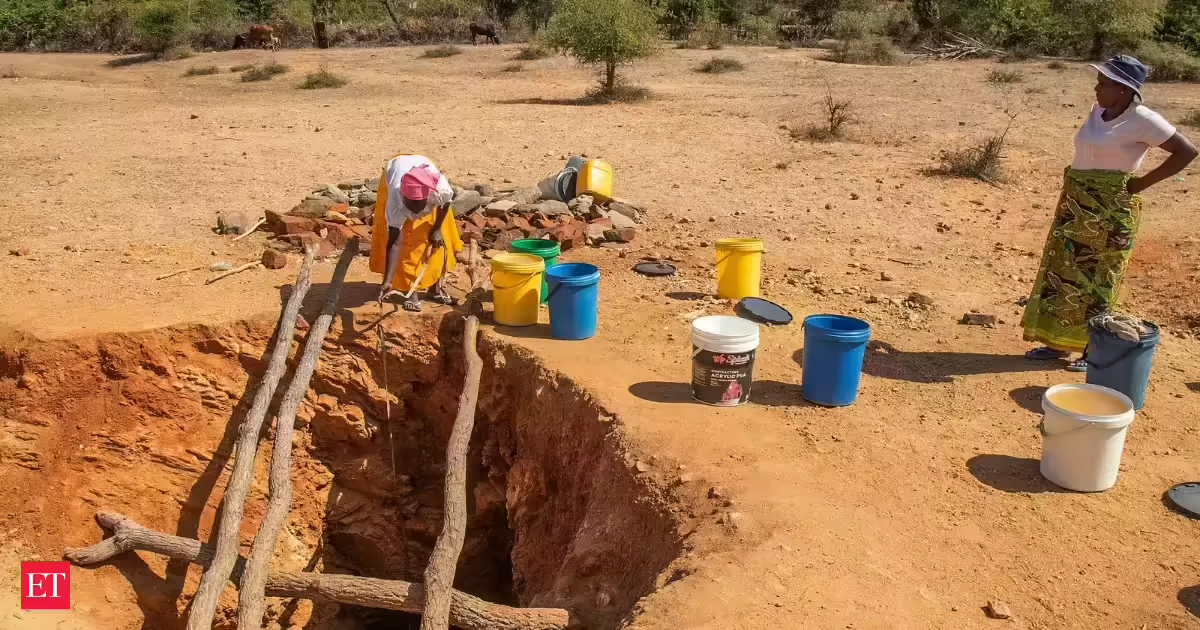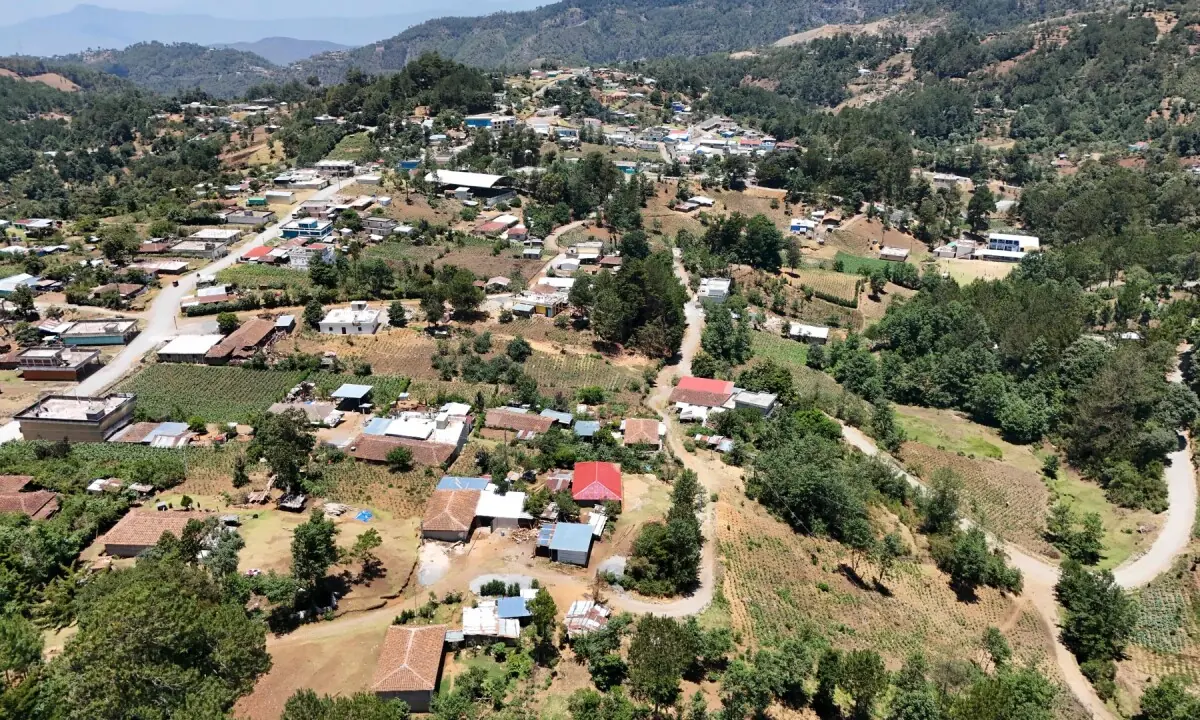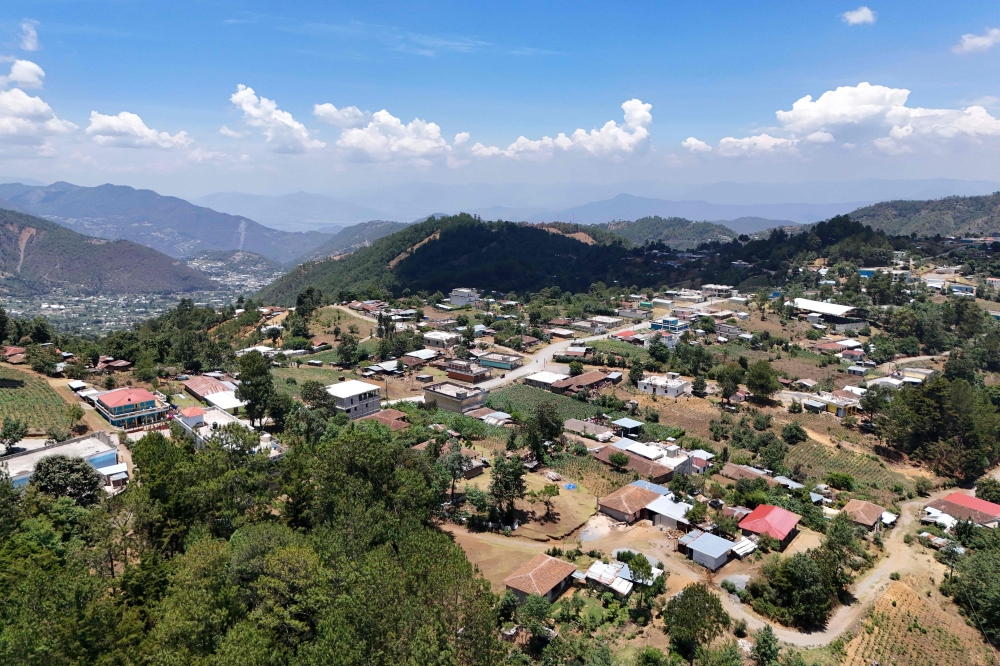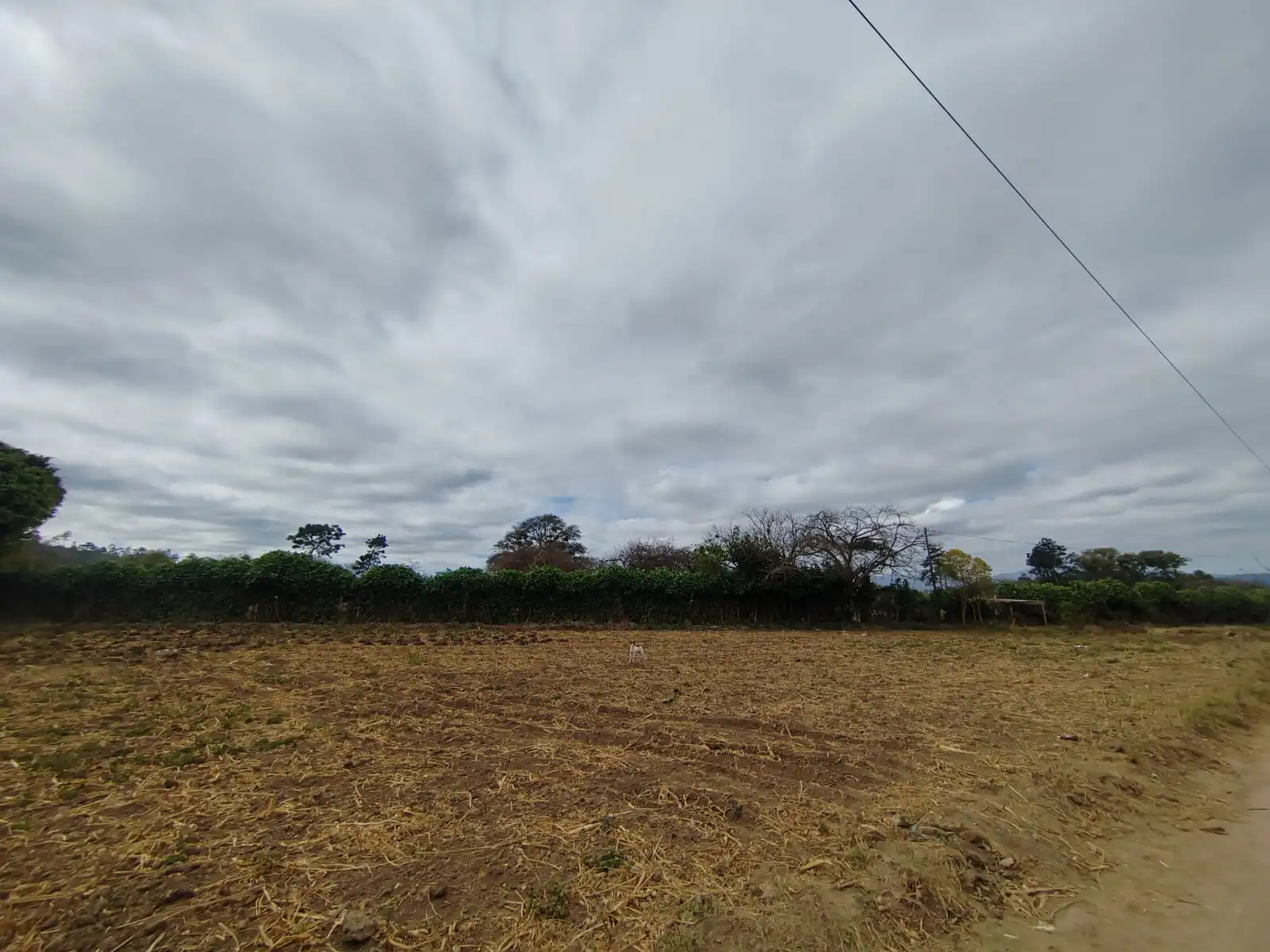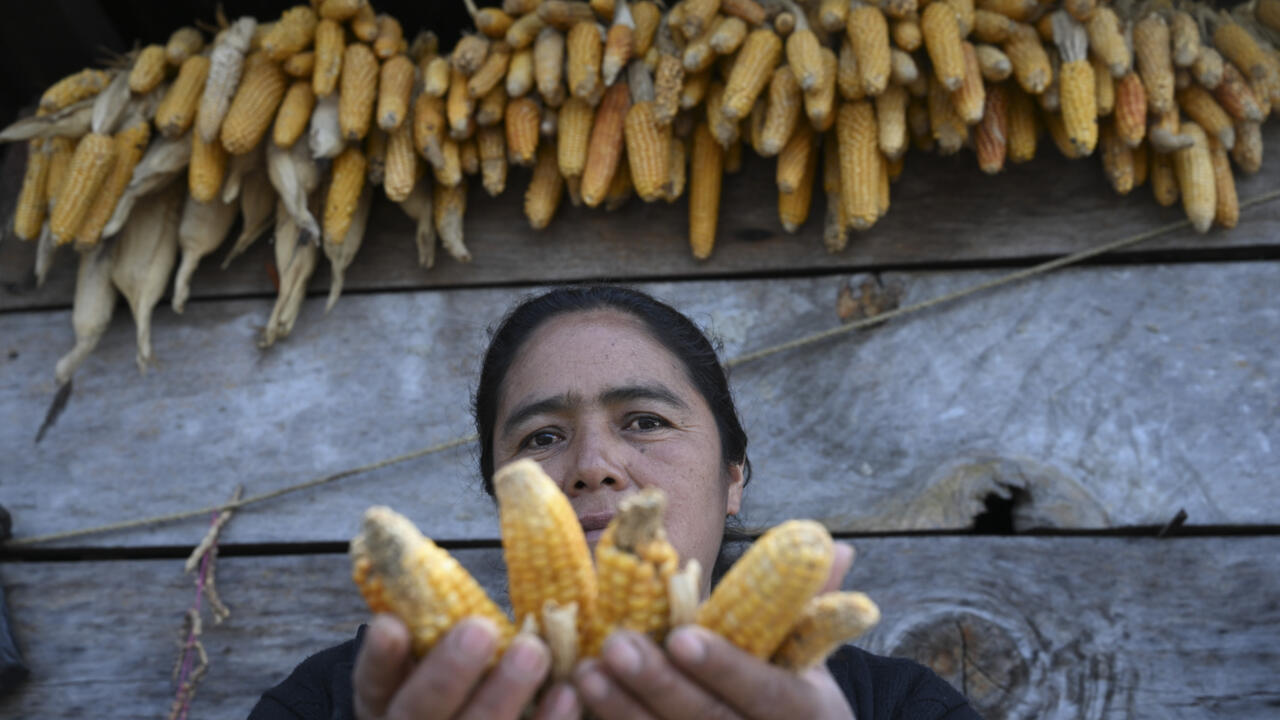
The rains still haven't come here, where local farmers fear the lack of water could ruin the subsistence crops they need to survive. "If there isn't rain, (the crops) won't come...If there isn't anything we're going to die of hunger," Cecilia Pasa Sarat, a 38-year-old woman who has planted a small amount of corn, told AFP in Xetzac, a village in Cunen.Cunen is a hard-to-reach mountainous region where the majority of the approximately 47,000 residents are poor, and rely on water from wells that are now going dry. This village in the Indigenous Maya department of Quiche lays in the heart of the Dry Corridor, an arid mountainous stretch running through Honduras, El Salvador and Nicaragua that's become vulnerable to extreme climatic events.
Aerial view of a drought-affected corn plantation in the Xetzac community of Cunen © Johan ORDÓÑEZ / AFP
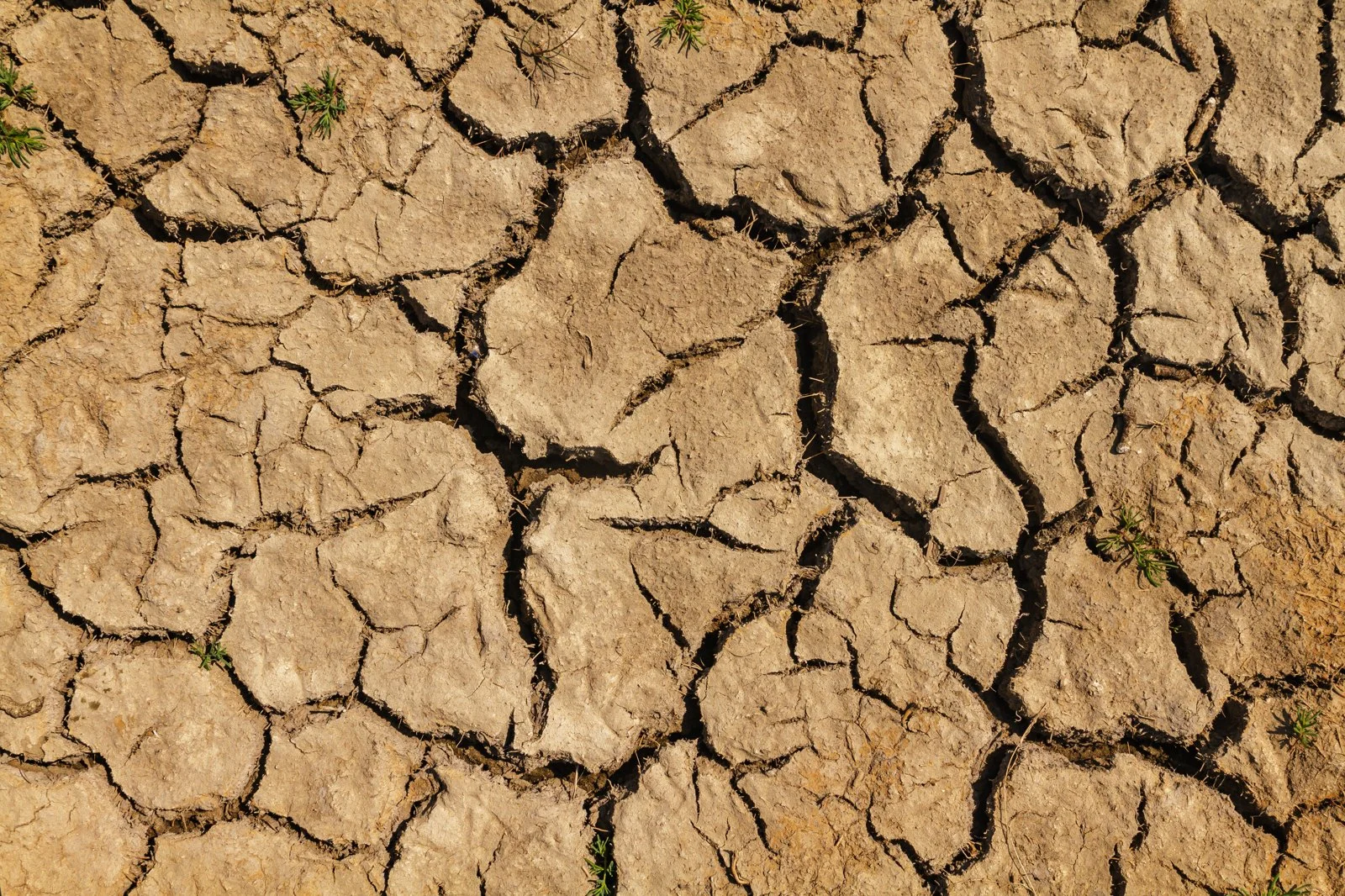
Quiche was one of Guatemala's most hard-hit regions during the El Nino related food crisis in 2023. Some worry the crisis could return due to a lack of government support.The phenomenon now fueling local residents' hunger fears occurs every two to six years as part of a natural climatic cycle that affects the surface temperatures on the Pacific Ocean. It's expected to start between June and August, creating monthslong planetary ripple effects. - Prolonged damage - Weeks of drought have dessicated the dusty streets of Xetzac, where the creeks that usually irrigate the town's patchwork of corn, potato, broccoli and bean fields are evaporating under the brutal sun.