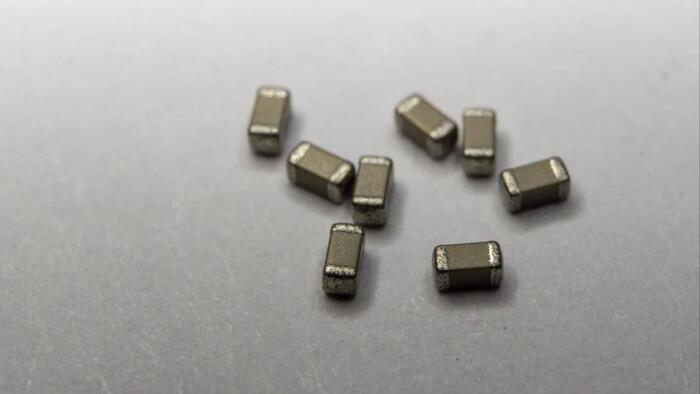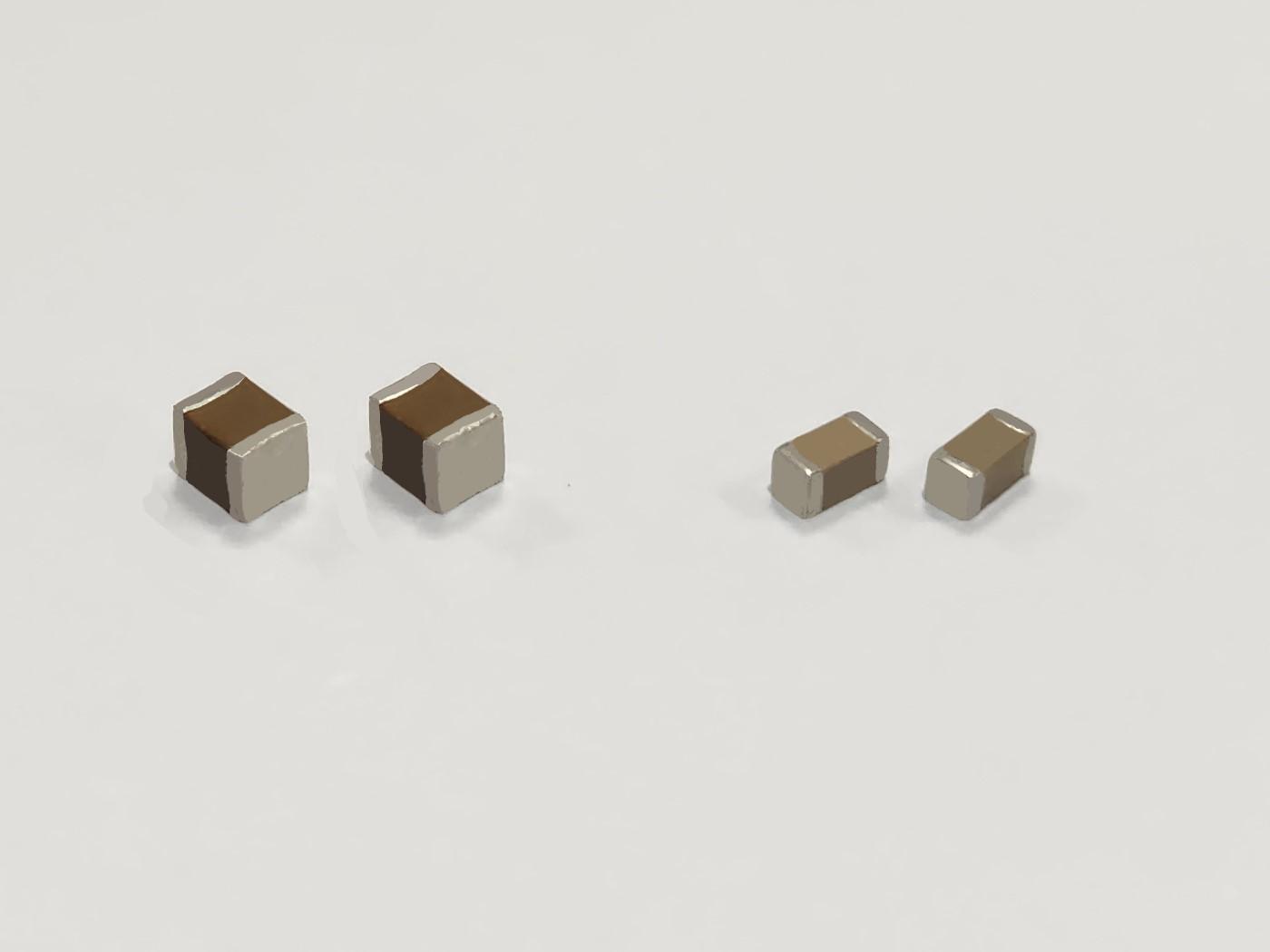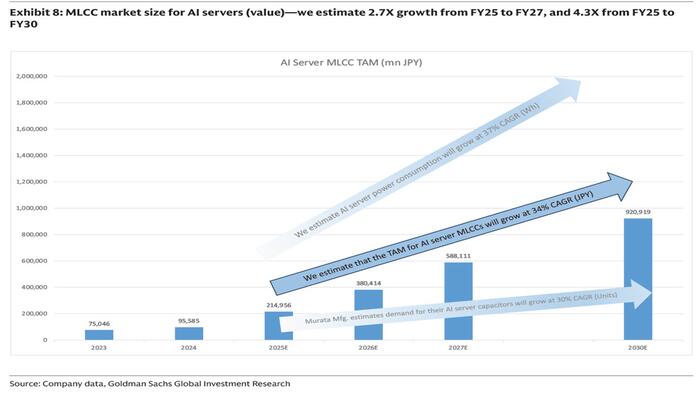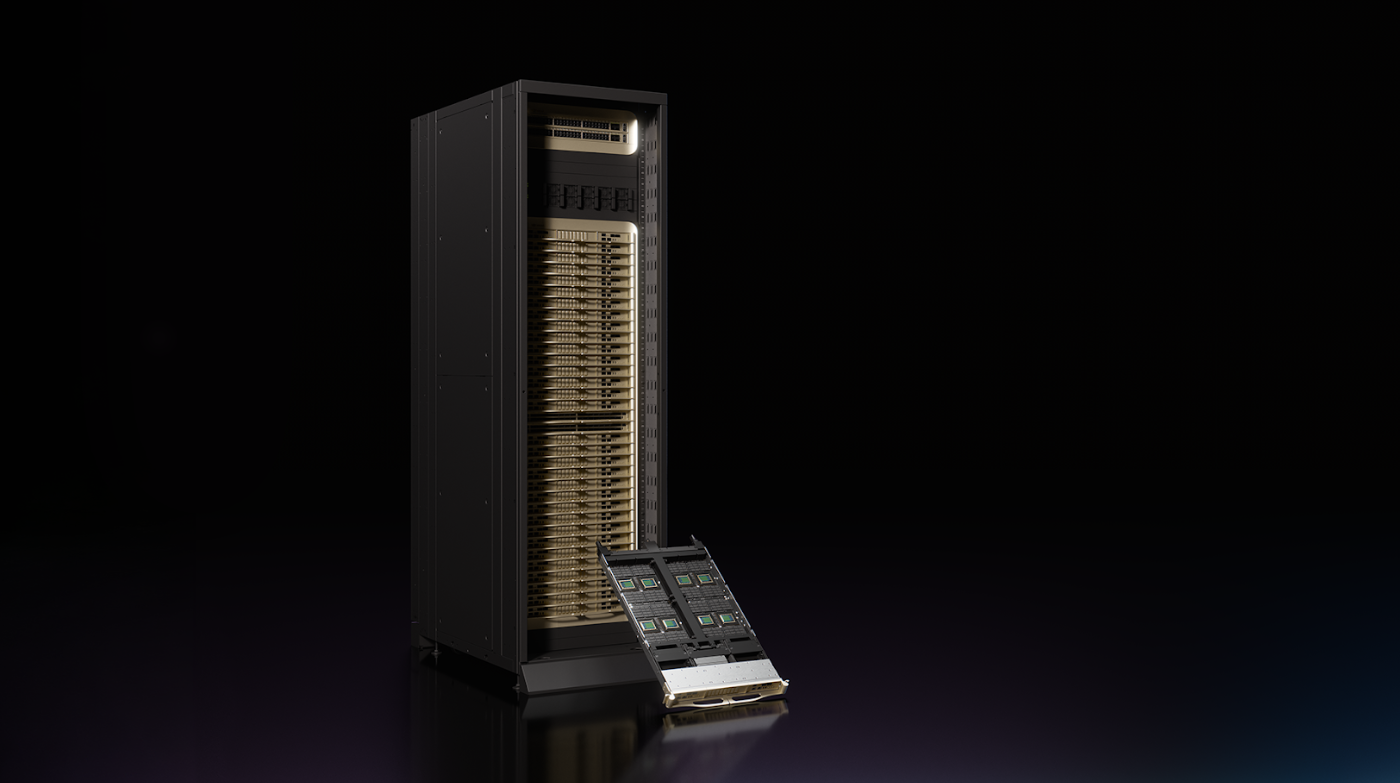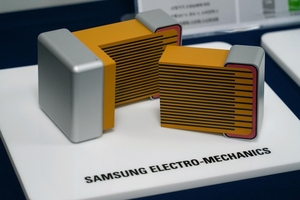
Supply agreements once reserved for chips are spreading to capacitors as AI demand outpaces production An enlarged MLCC model from Samsung Electro-Mechanics exposes the dense stack of internal layers that must be produced with extreme precision, a key reason advanced capacitors are difficult to scale for AI hardware. (Samsung Electro-Mechanics) Nvidia's Vera Rubin rollout is creating a new winner in the artificial intelligence supply chain: multilayer ceramic capacitors.A Morgan Stanley analysis estimates the MLCC content of Nvidia's next-generation VR200 NVL72 server rack at about $4,320, up 182 percent from roughly $1,530 in the previous-generation GB300 system. The sharp increase is tightening supply in a market where demand is already outpacing production, allowing manufacturers such as Samsung Electro-Mechanics to raise prices and secure long-term supply contracts.Nvidia said at Computex 2026 that Vera Rubin had entered full production. MLCCs are tiny electronic components that stabilize power delivery by absorbing rapid voltage fluctuations in processors. A single high-end AI server rack can require hundreds of thousands of them, making the components increasingly critical as AI systems become larger and more power-hungry.Supply cannot keep pace. Goldman Sachs expects MLCC demand from AI servers to more than quadruple between 2025 and 2030, while industry capacity grows only a little above 10 percent annually. The same imbalance drove the earlier chip and memory shortages, and it is now pushing prices up while sending buyers racing to lock in supply.Prices are already moving. Murata and Taiyo Yuden of Japan, the market leaders, raised charges on AI server and automotive parts by 15 to 35 percent this year, and Japanese customs data for April showed average MLCC export prices up 16 percent from a year earlier.The scramble for supply is the newer shift, and Samsung Electro-Mechanics has confirmed it is part of it. On its first-quarter earnings call, executives said the company is signing legally binding long-term agreements with customers, including AI big tech firms, a break from the one-off orders that long defined the market."We are securing forward volume through binding mid- to long-term contracts," Lee Tae-gon, head of strategic marketing, told analysts.Scarcity is what gives those contracts their edge. "In AI capacitors, a long-term contract is no longer about protecting against price swings; it's a contest over who secures scarce supply first," said Yang Seung-soo, an analyst at Meritz Securities. With buyers committing early, he added, prices have little room to fall and more room to rise.For Samsung Electro-Mechanics, the world's second-largest high-end MLCC maker behind Murata, that runs straight to earnings. Analysts estimate a 10 percent rise in MLCC prices could add about 600 billion won ($395 million) to annual operating profit.
Nvidia's Vera Rubin uses 182% more capacitors, boosting Samsung Electro-Mechanics
Nvidia's Vera Rubin rollout is creating a new winner in the artificial intelligence supply chain: multilayer ceramic capacitors. A Morgan Stanley analysis estim
TL;DRAI
Vera Rubin demands 182% more MLCCs ($4,320 vs $1,530), tightening multilayer ceramic capacitor supply critical for AI server power delivery. Samsung locks binding supply contracts at 15–35% hikes, signaling sustained scarcity and rising AI capex costs through 2030.
438 words~2 min read