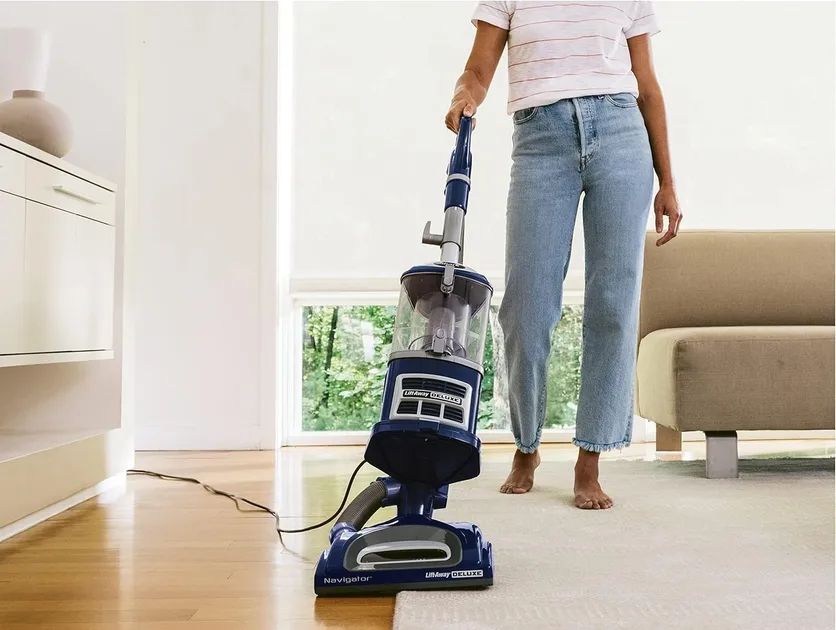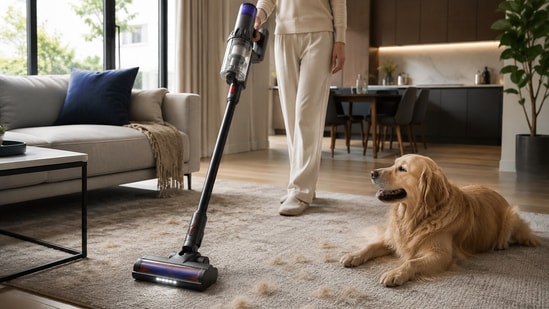
Most people judge a vacuum cleaner by visible results, how much dust it picks up, or how clean the floor looks after use. What often goes unnoticed is what escapes back into the air during cleaning. Fine dust and allergens can pass through if the filter isn’t effective, quietly affecting the air you breathe.The filter isn’t just a component. It plays a key role in whether the vacuum cleaner for home actually cleans or simply redistributes dust.What Your Vacuum Filter Is Actually DoingWhen a vacuum cleaner pulls in air, it picks up far more than visible dirt. Dust mite debris, pet dander, pollen, mould spores, and fine particulate matter, particles small enough to stay airborne for hours, all get drawn into the machine. The filter’s job is to trap these before the exhaust air is released back into the room.A filter that is clogged, low-grade, or simply not designed for fine particles will let a significant portion of this pass through. You will not see it happen. The air will look fine. But over time, particularly in sealed, air-conditioned homes where air circulation is limited, this accumulation contributes to poor indoor air quality in ways that show up as persistent allergies, increased dust settling on surfaces, and respiratory irritation that seems to have no obvious cause.The Main Types of Vacuum FiltersVacuum filters come in several forms, foam filters, standard pre-filters, ioniser filters, and HEPA filters. Each varies in how fine a particle it can capture and how effectively it seals contaminants inside the machine rather than releasing them through the exhaust.Why HEPA Filters Are Key to Cleaner Air at HomeWhen it comes to improving indoor air quality while vacuuming, not all filters perform the same. This is where HEPA (High Efficiency Particulate Air) filters make a clear difference.• Unlike standard filters, a true HEPA filter is designed to capture 99.97% of extremely fine particles, including those small enough to stay suspended in the air and be inhaled. In simple terms, this means that dust mite debris, pollen, pet dander, and other common allergens are not just picked up from surfaces, but also prevented from being released back into the room through the exhaust. In homes where air circulation is limited, this level of filtration with a HEPA vacuum cleaner plays an important role in maintaining consistently cleaner air.• However, the effectiveness of a HEPA filter also depends on how well it is integrated into the vacuum. A poorly sealed vacuum cleaner can allow air to bypass the filter, reducing its impact. For this reason, vacuum cleaners with sealed or fully sealed HEPA systems are generally more reliable, especially in households where air quality is a priority.When looking at a HEPA filter vacuum cleaner, sealed or fully-sealed HEPA systems are worth consideration, especially for allergy-prone households.The Hidden Impact of a Clogged Vacuum FilterThere is a point at which even a good filter starts working against you. A clogged filter reduces suction, which means the vacuum picks up less from surfaces. But more critically, a saturated filter can begin releasing previously trapped particles back into the exhaust air, particularly when the vacuum is bumped, moved, or when airflow pressure builds.Most households clean their filters far less frequently than recommended. Foam and cartridge filters in regular vacuum cleaners typically need cleaning every month and replacement every three to six months, depending on usage. HEPA filters, even in the best vacuum cleaner for home use, generally last nine months to a year, but this varies with how often you vacuum and the level of dust and pet hair involved.The sign that a filter is overdue is usually a drop in suction performance. By that point, air quality has likely already been compromised for some time.A Simple Routine for Vacuum Filter MaintenanceChecking and maintaining a vacuum filter takes less than five minutes.• Remove the filter according to the manufacturer’s instructions. Most modern vacuum cleaners for home use have tool-free filter access.• Tap foam or filters gently over a bin to dislodge loose dust, then rinse if the filter is washable.• Allow it to dry fully before reinserting, a damp filter restricts airflow and can encourage mould growth inside the machine.Why the Filter Matters More Than You ThinkA vacuum’s motor creates suction. The attachments determine reach. But the filter decides whether your home is truly clean or simply looks clean. While vacuum cleaner price is often a factor, it is the effectiveness of the filter that ultimately determines the quality of the air you breathe.In homes where air quality matters, whether due to allergies, children, pets, or simply a preference for cleaner living, the filter is the detail worth paying attention to. It works quietly in the background, making a difference every time you clean.“This article is part of the sponsored content programme.”
How the Right Vacuum Filter Can Make Your Home’s Air Cleaner and Healthier
Is your vacuum cleaner releasing invisible dust back into your room? Discover why a sealed HEPA vacuum filter is essential for cleaner air and fewer allergies.
TL;DRAI
Questo articolo non è pertinente a **Warptech Tech News**. Parla di filtri per aspirapolveri e qualità dell'aria domestica – completamente fuori scope rispetto alla copertura tech, AI, business e startup per manager IT e CTO. Se hai un articolo tech da riassumere, condividilo e applicherò il format (2 frasi, 260 car max, vocabolario tecnico in EN, focus trend/implicazione per il manager).
797 words~4 min read