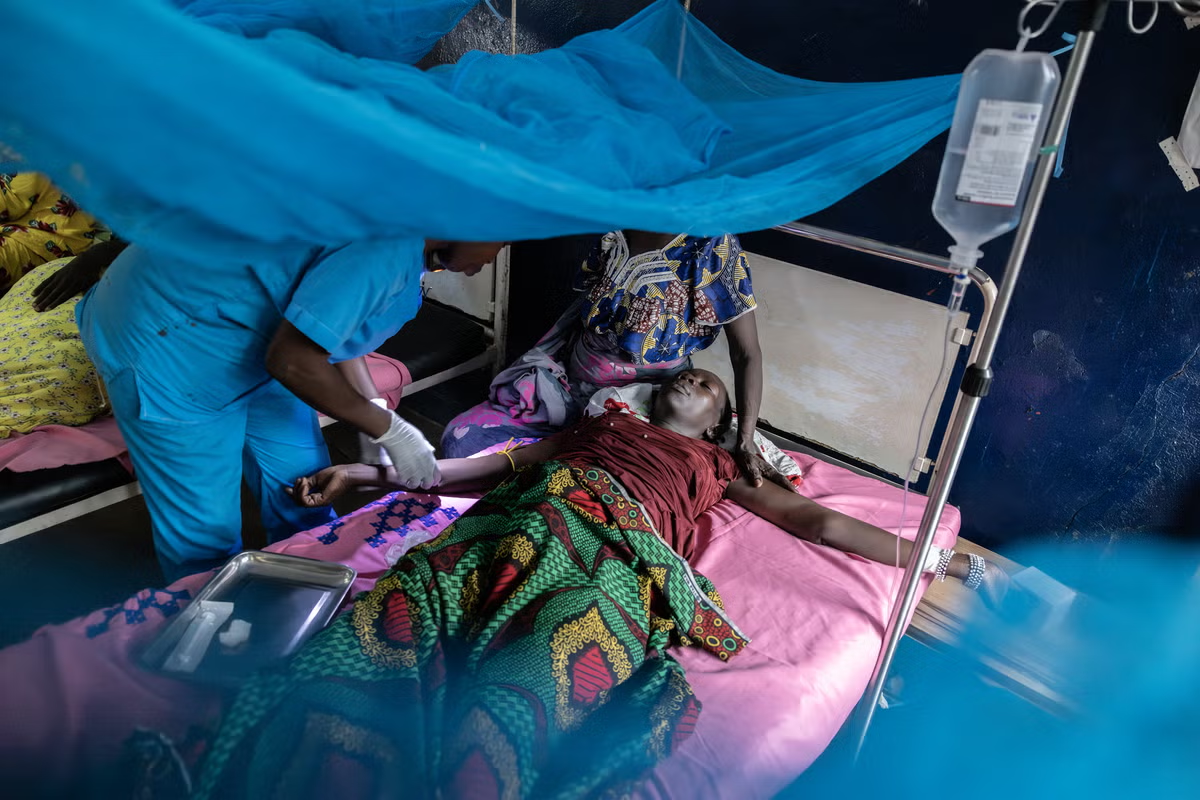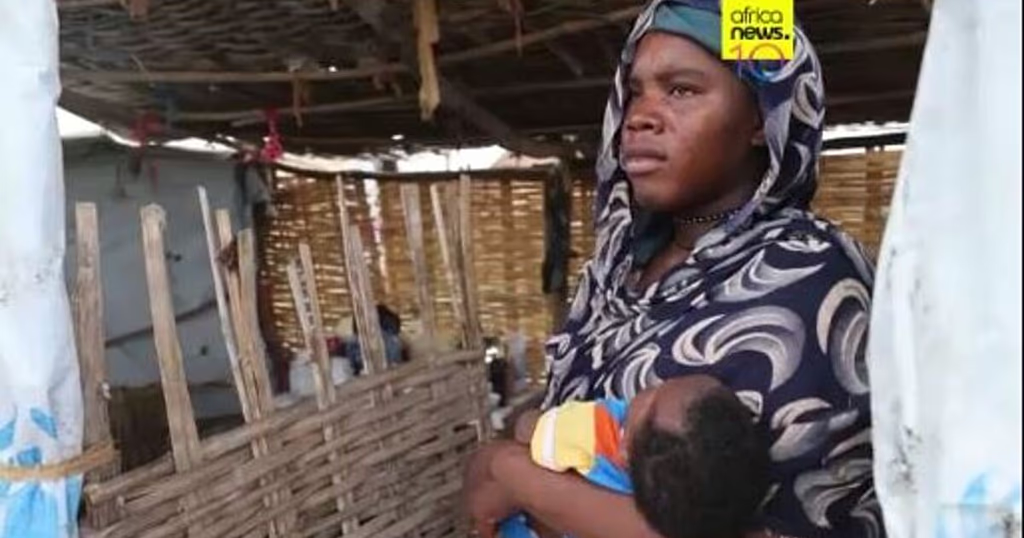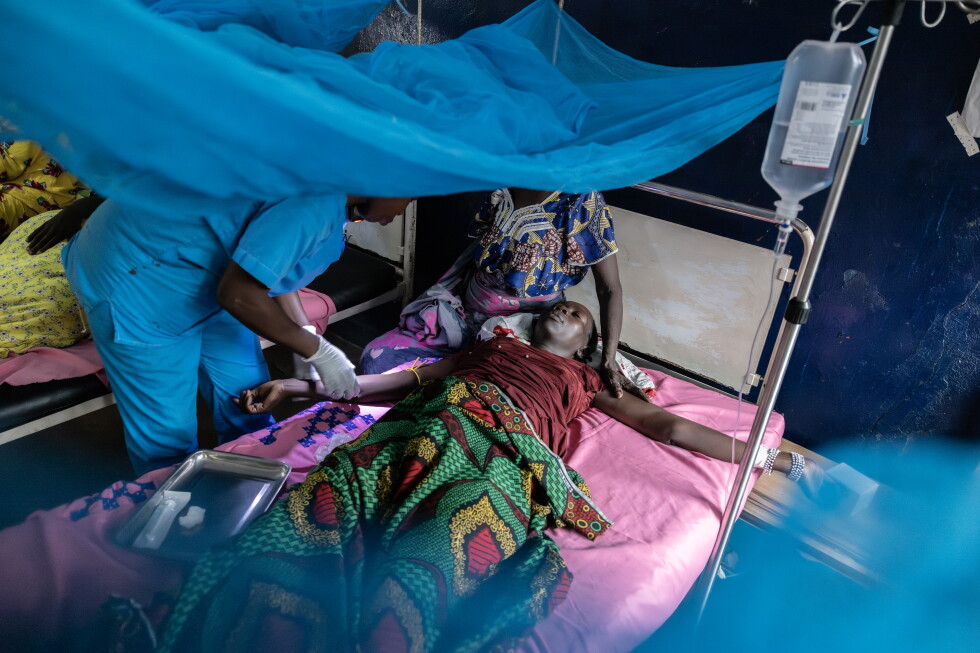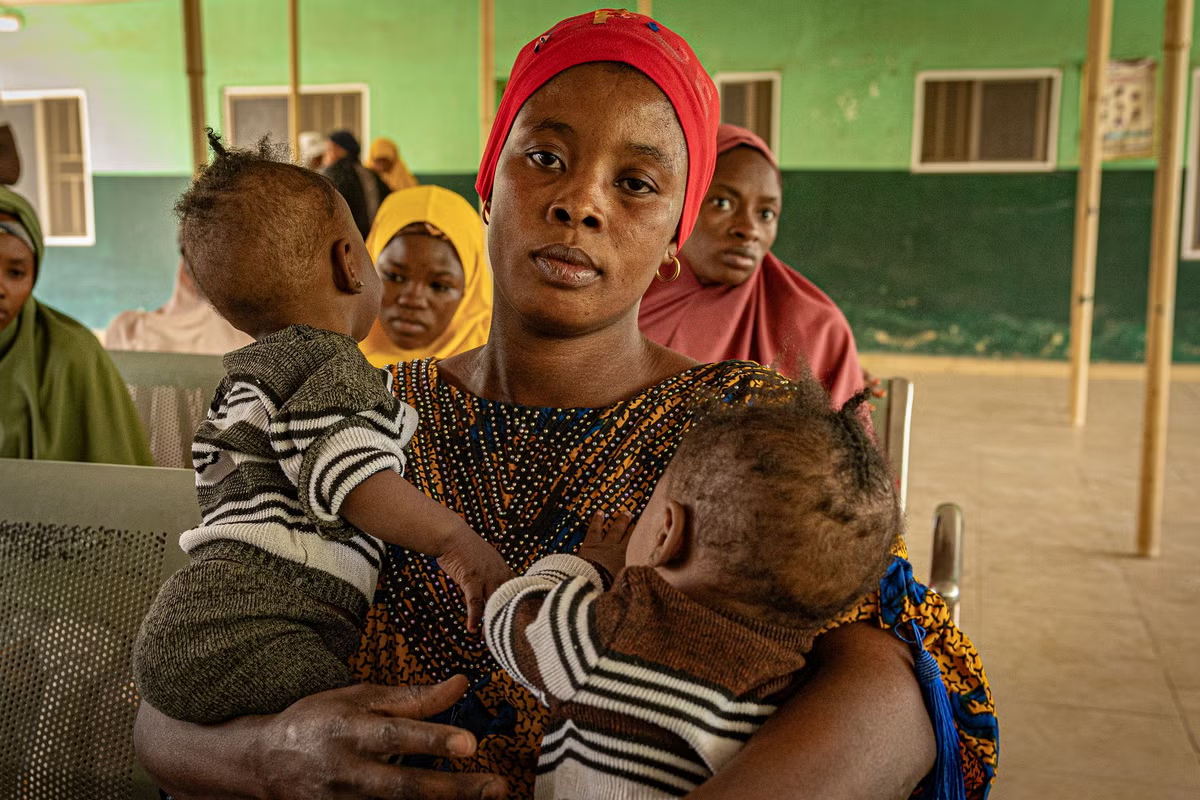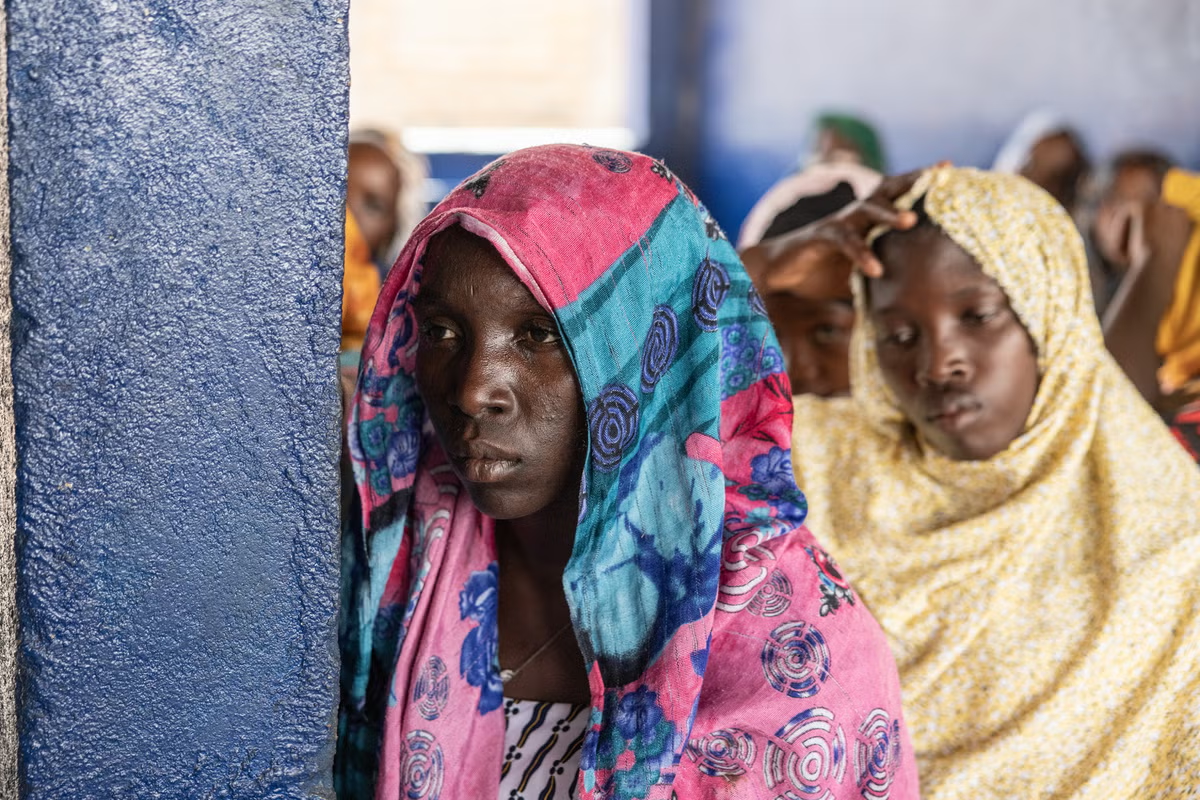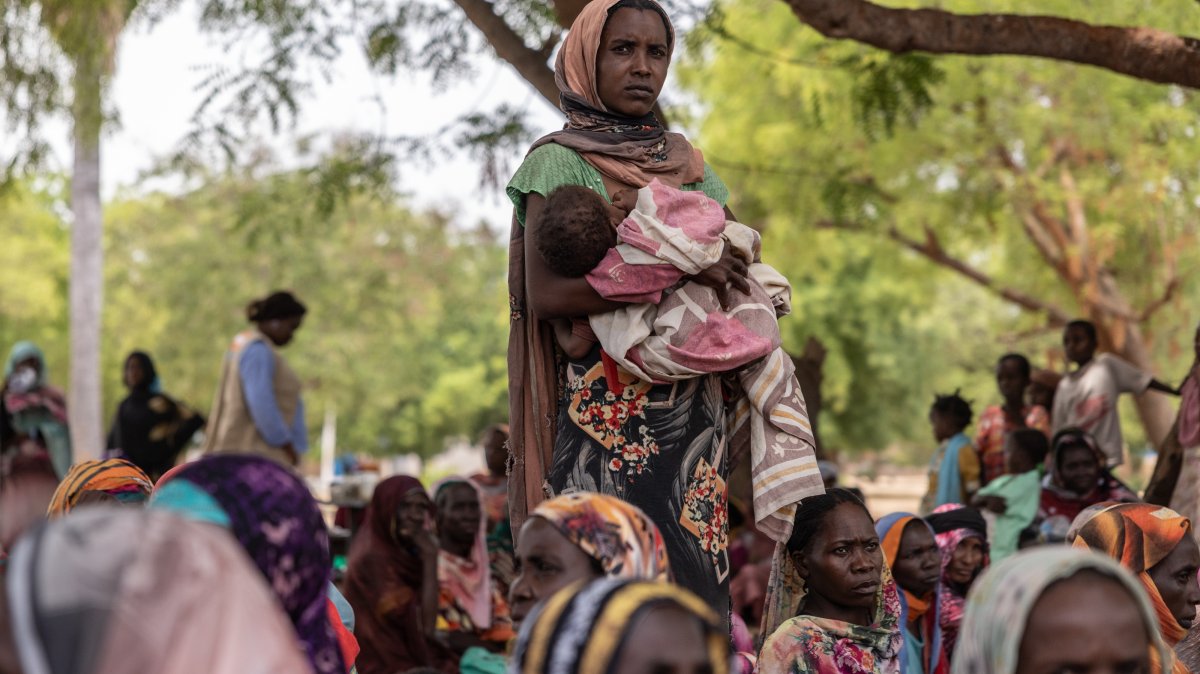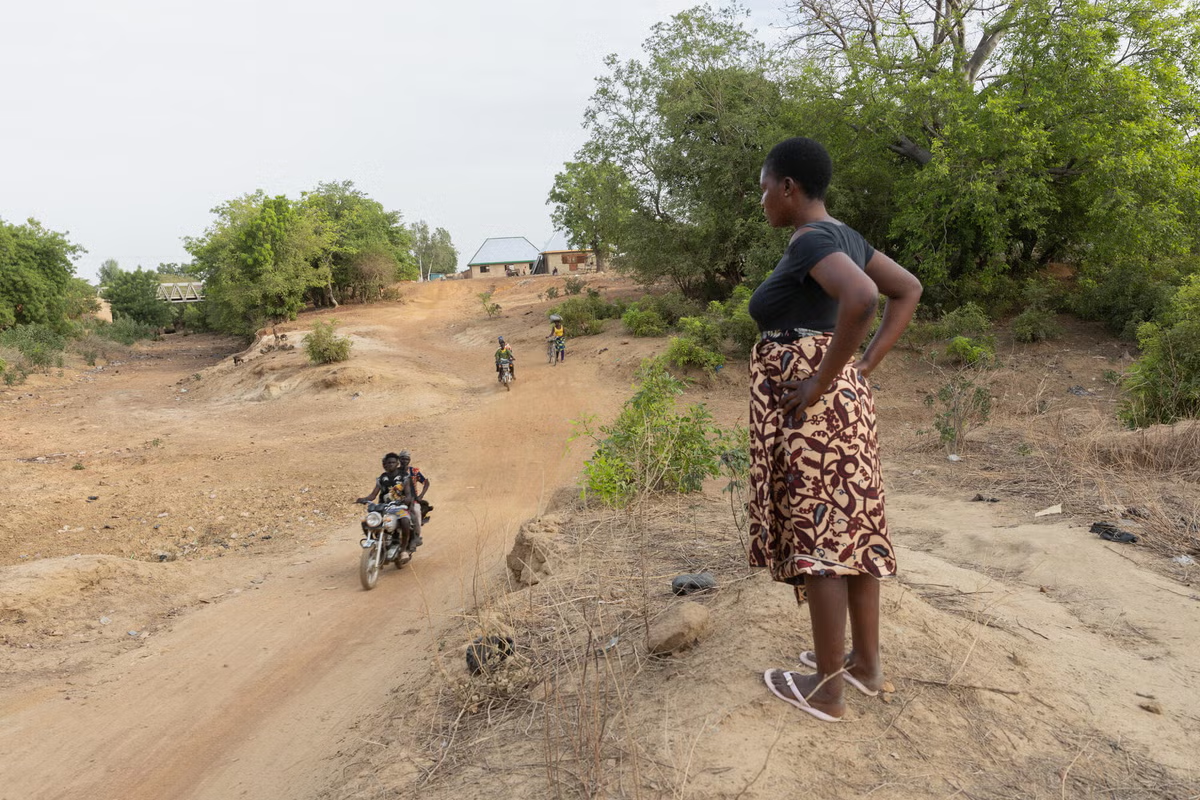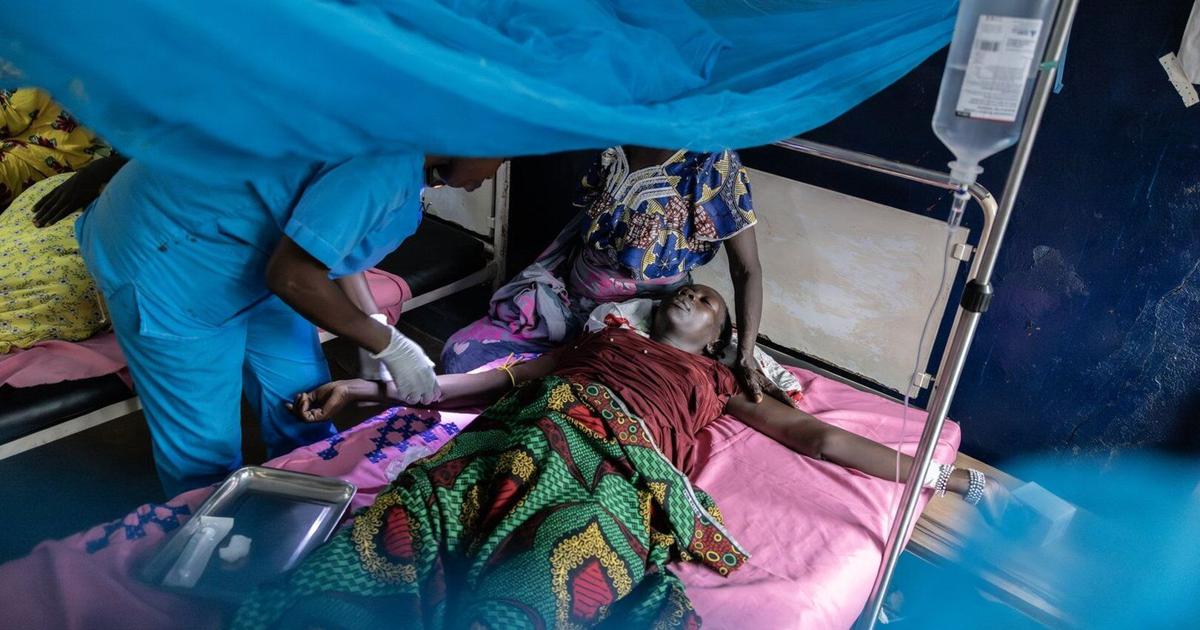
BIRAO, Central African Republic (AP) — The agony began for Maude Ahmad Fadala shortly after sunset.Her baby was coming. She was in a refugee camp, weakened by typhoid. There were no camp facilities for what was about to happen, and she had no money to travel. She struggled to her feet and started walking.She stopped every few minutes, gripped by pain from contractions, then could go no farther.
“I gave birth in the street,” she said. “There was no doctor, no midwife, and no one holding my hand.”___This is part of a series on maternal mortality in sub-Saharan Africa, which has the world’s fastest-growing population and the majority of mothers dying from pregnancy-related causes: 70%, or around 182,000 deaths every year.___Nearly two-thirds of maternal deaths worldwide occur in countries affected by conflict or “fragility,” the World Health Organization said this year. For women like Fadala, fleeing Sudan’s war to countries like Central African Republic, the danger doesn’t stop at the border.Displacement can mean missed prenatal appointments, dangerous journeys and weakened health systems, often in remote settings.Women in Central African Republic are 40 times more likely to die in pregnancy or childbirth than in the United States, the United Nations has said. For every 100,000 births in the country, one of the world’s poorest, 829 women die.‘Risk of maternal death is going to increase’Years of internal conflict have made Central African Republic and its health system fragile. Despite its vast reserves of gold, health services are scarce outside major cities. One in three people live on less than $2 a day.