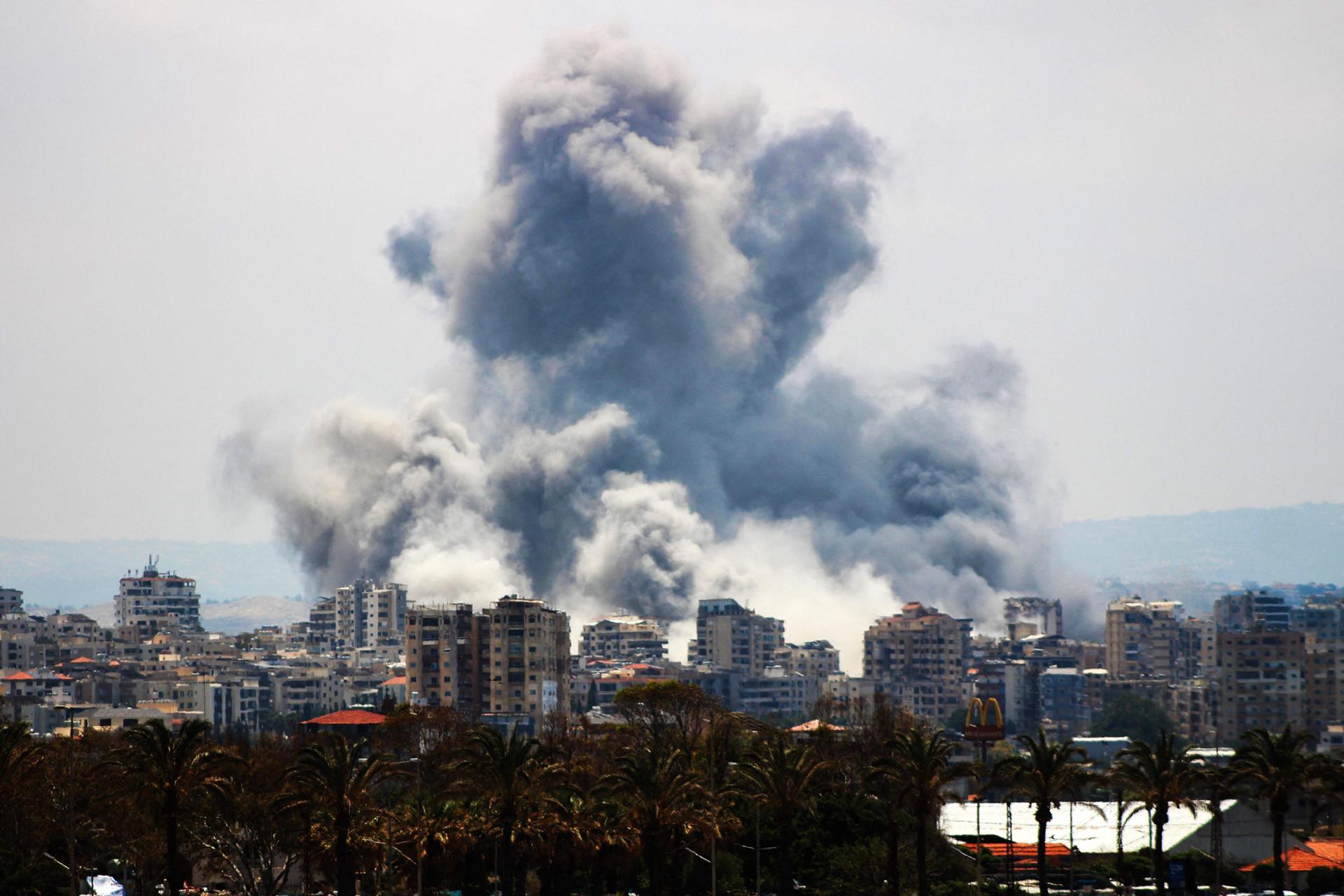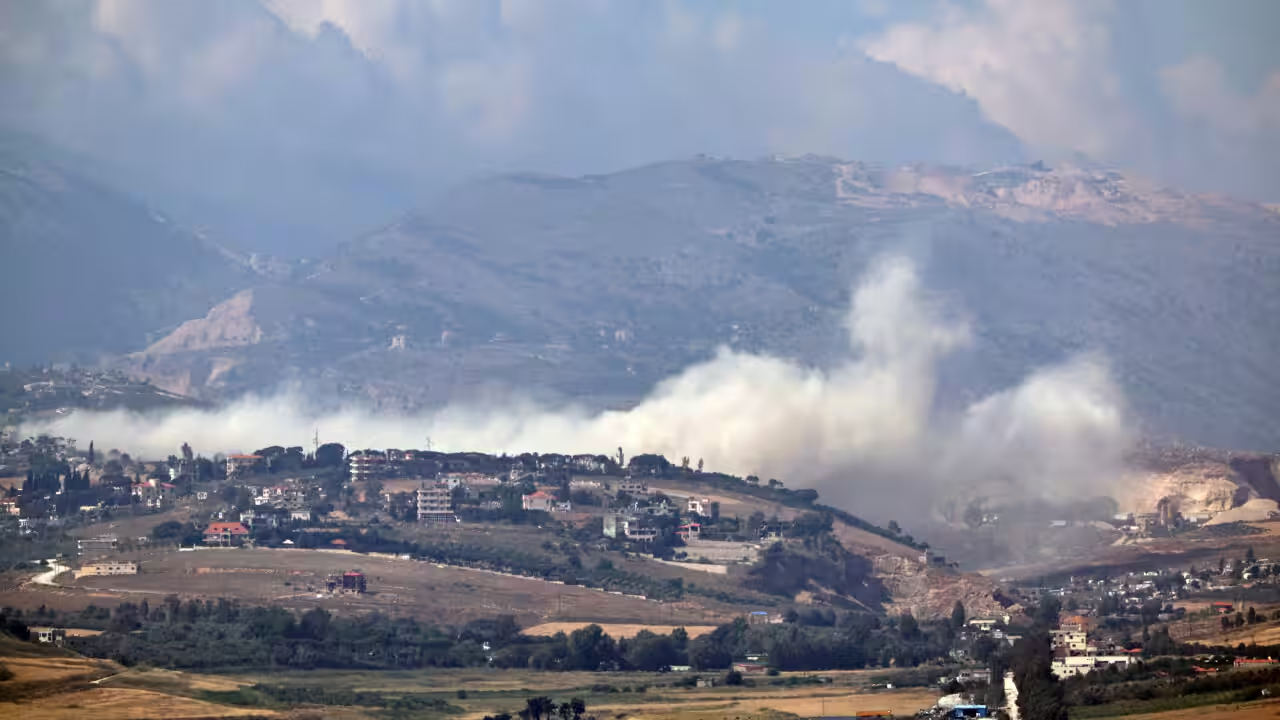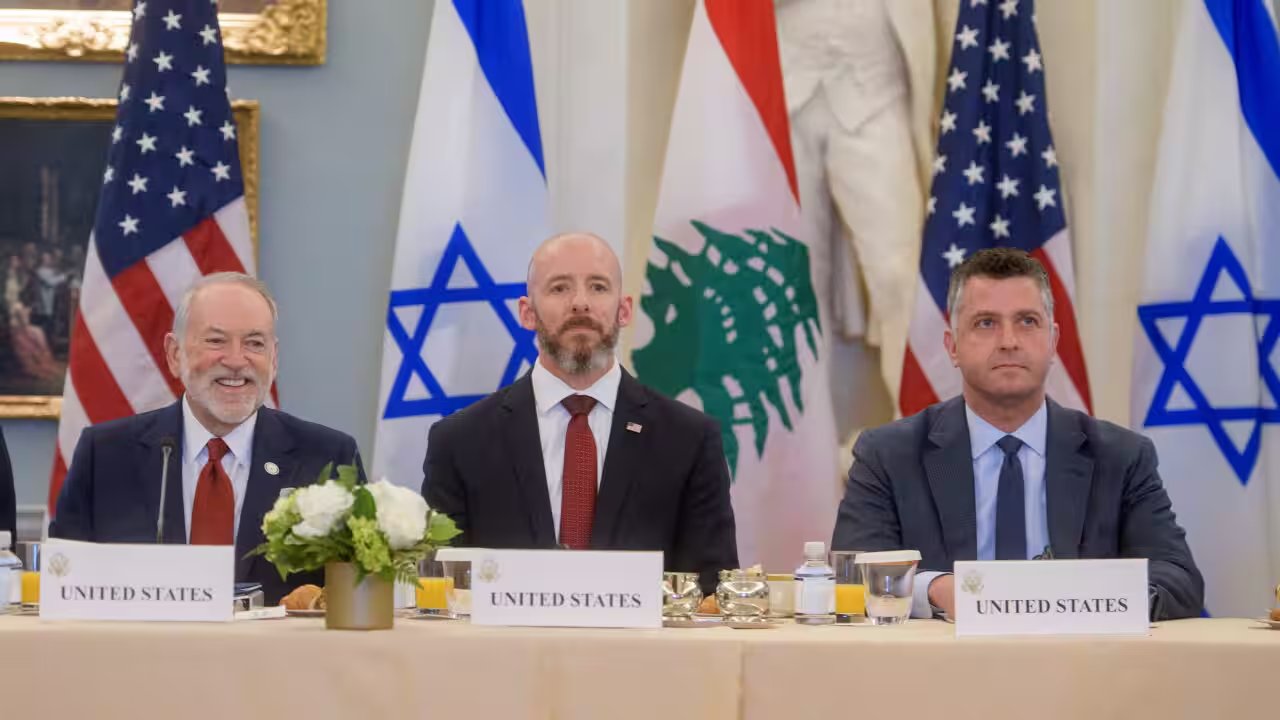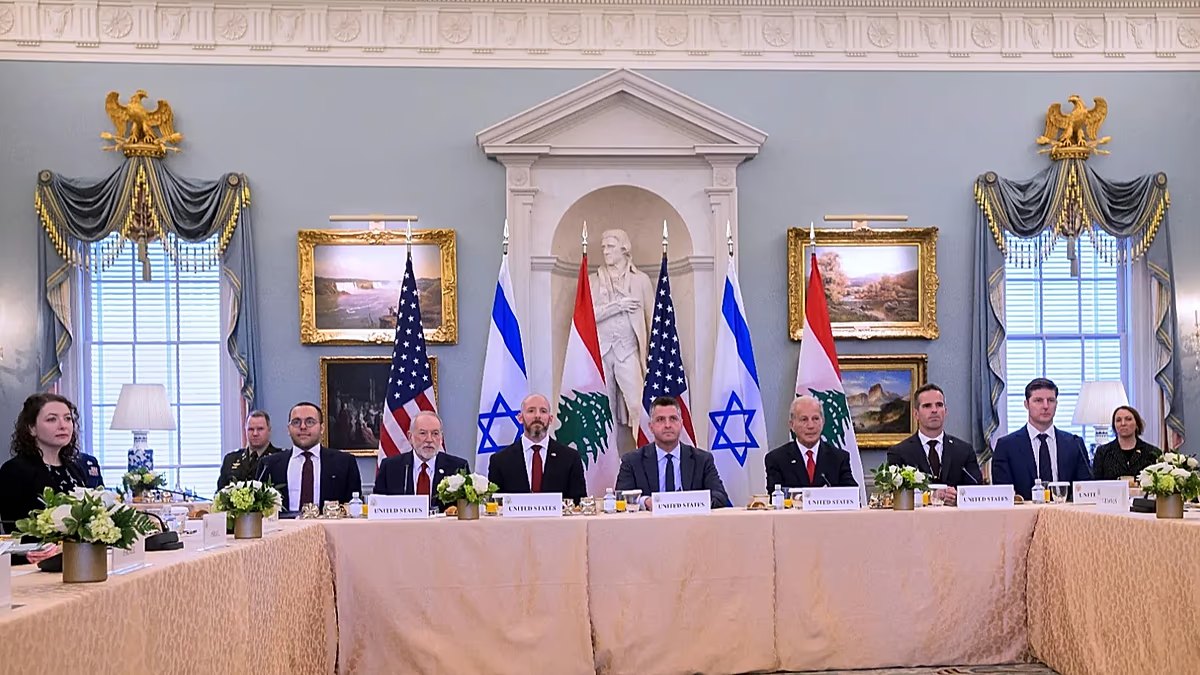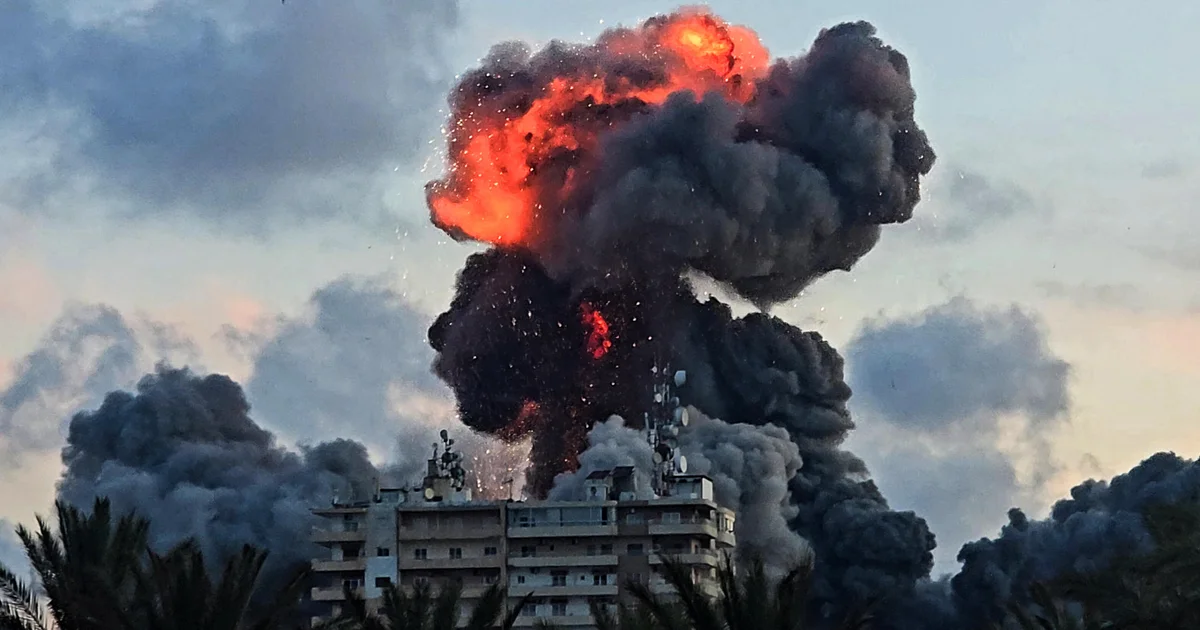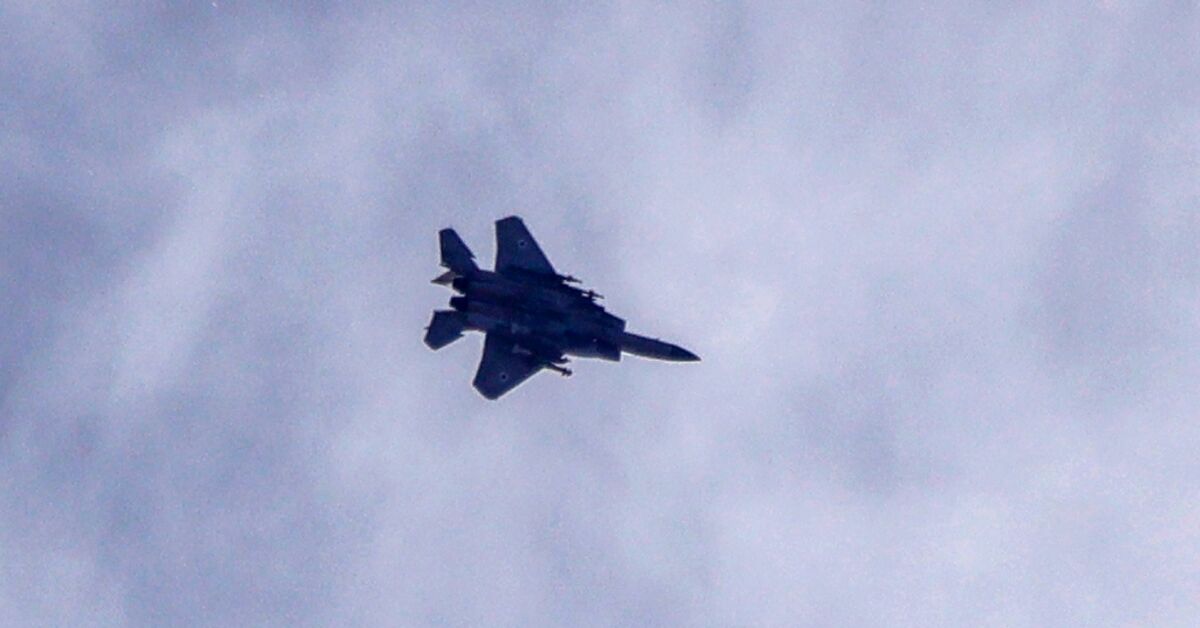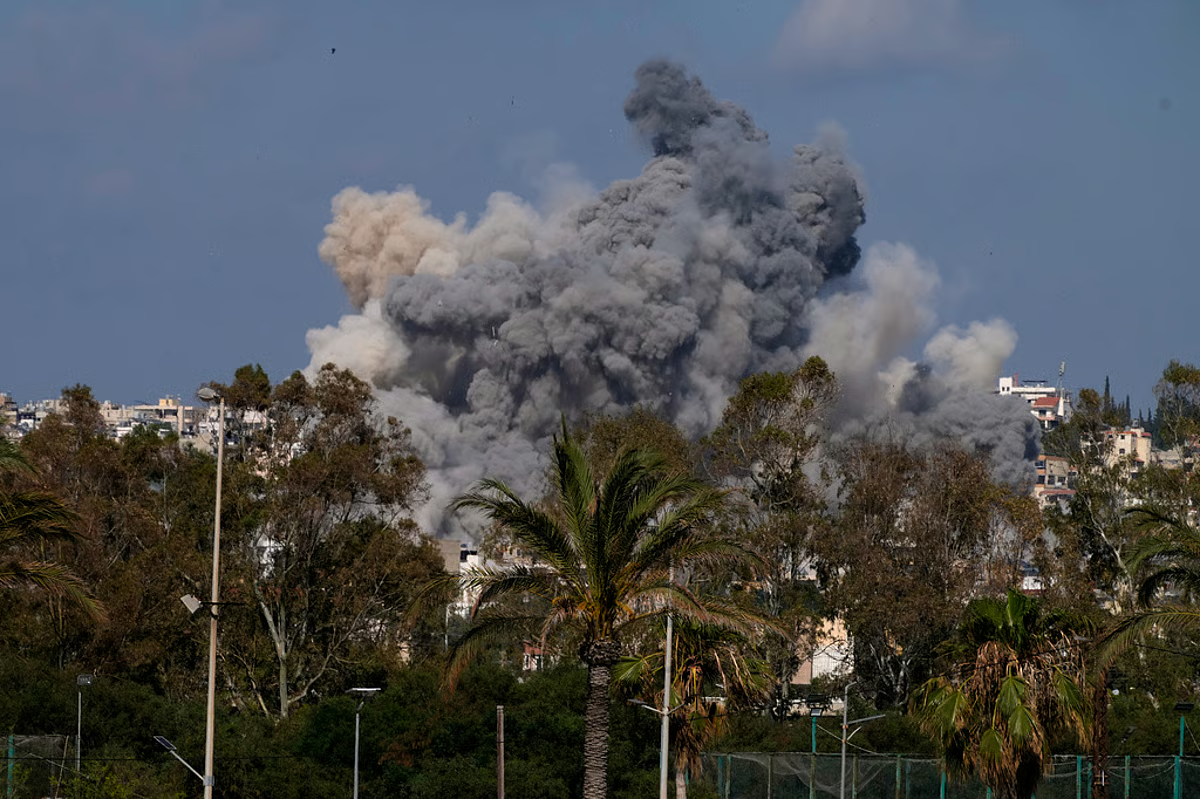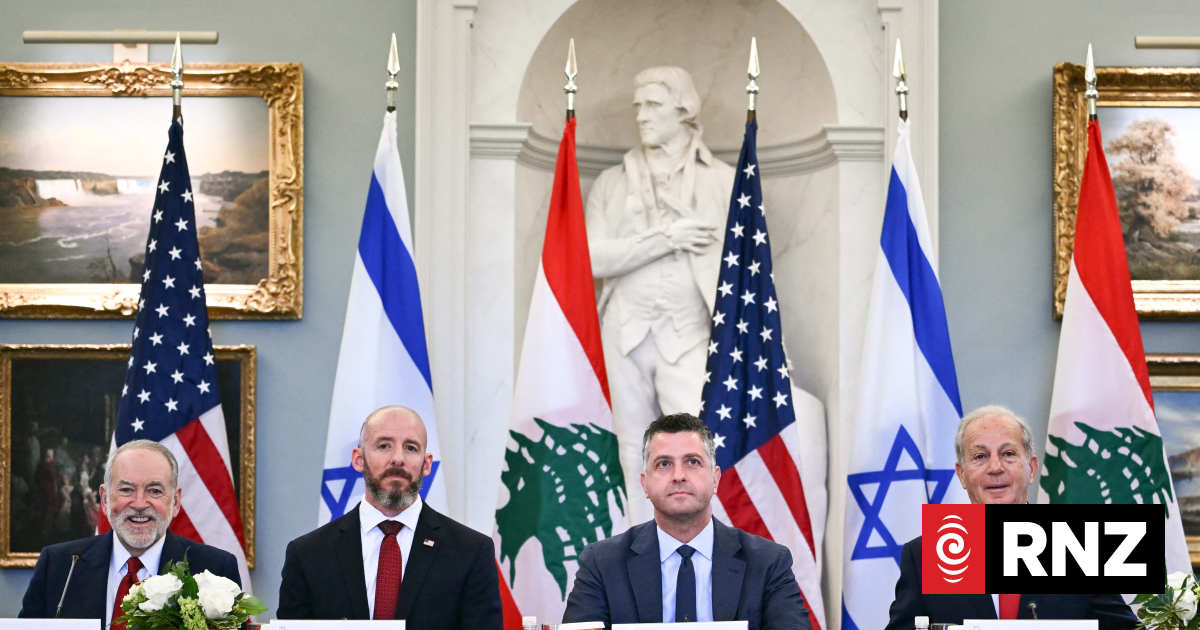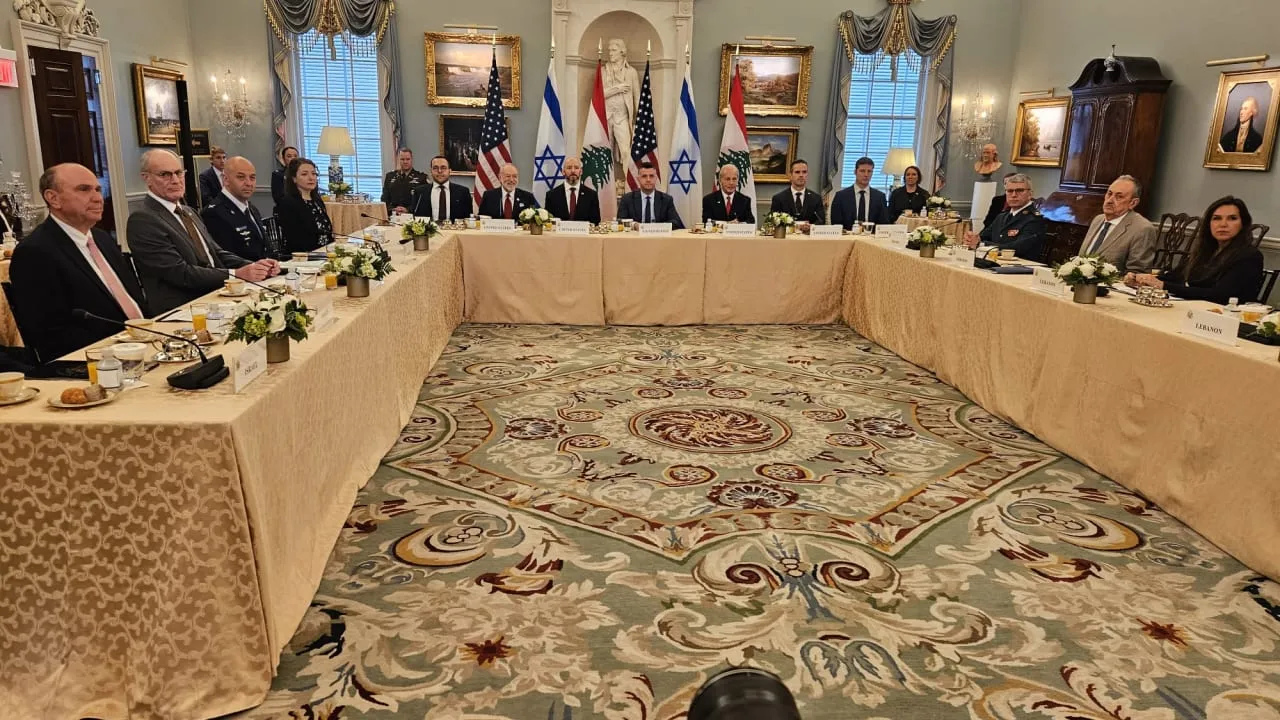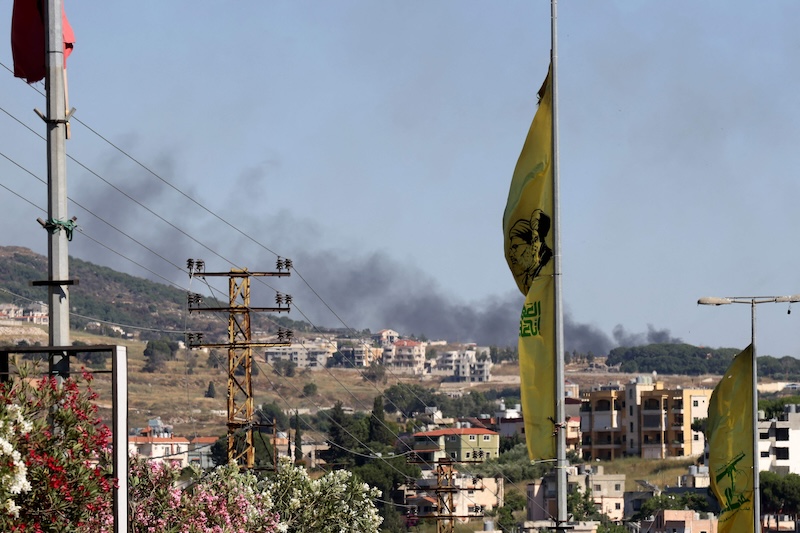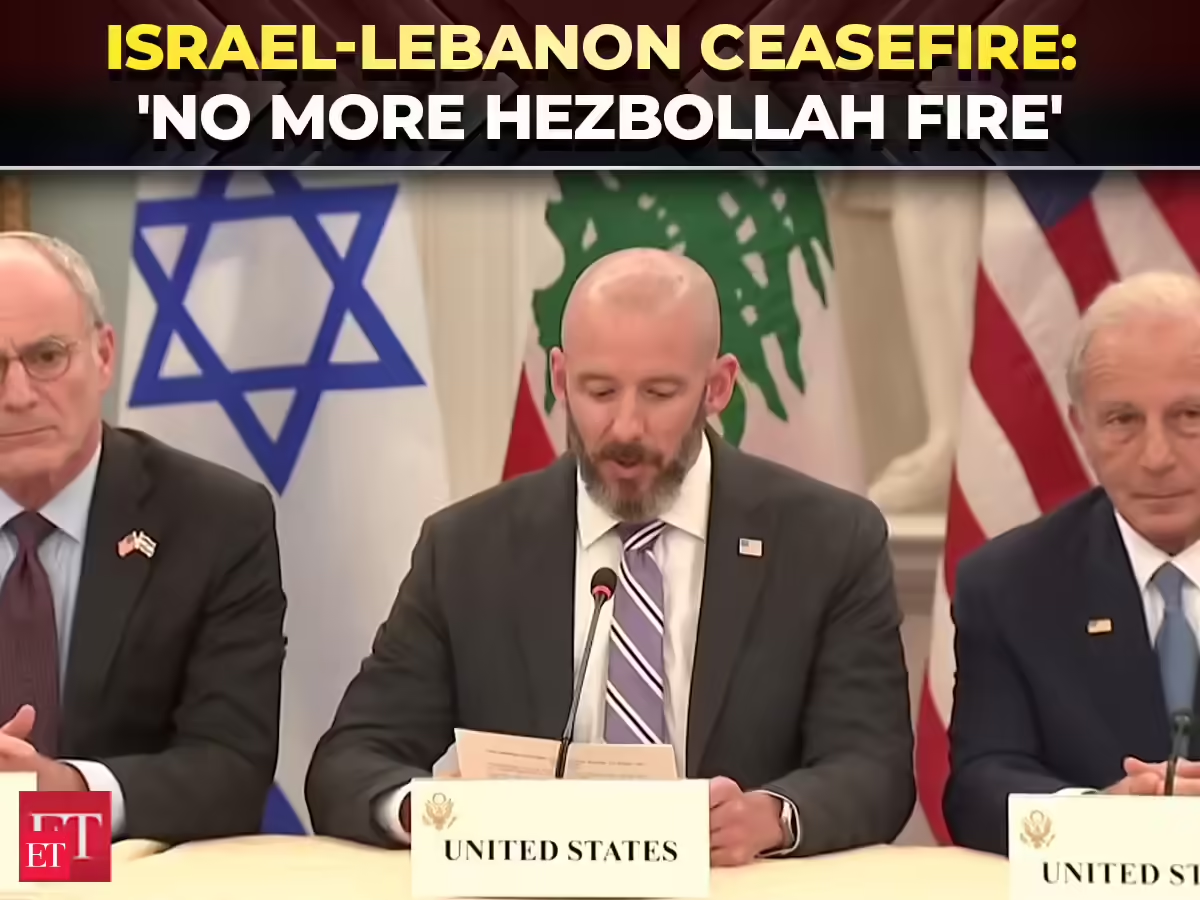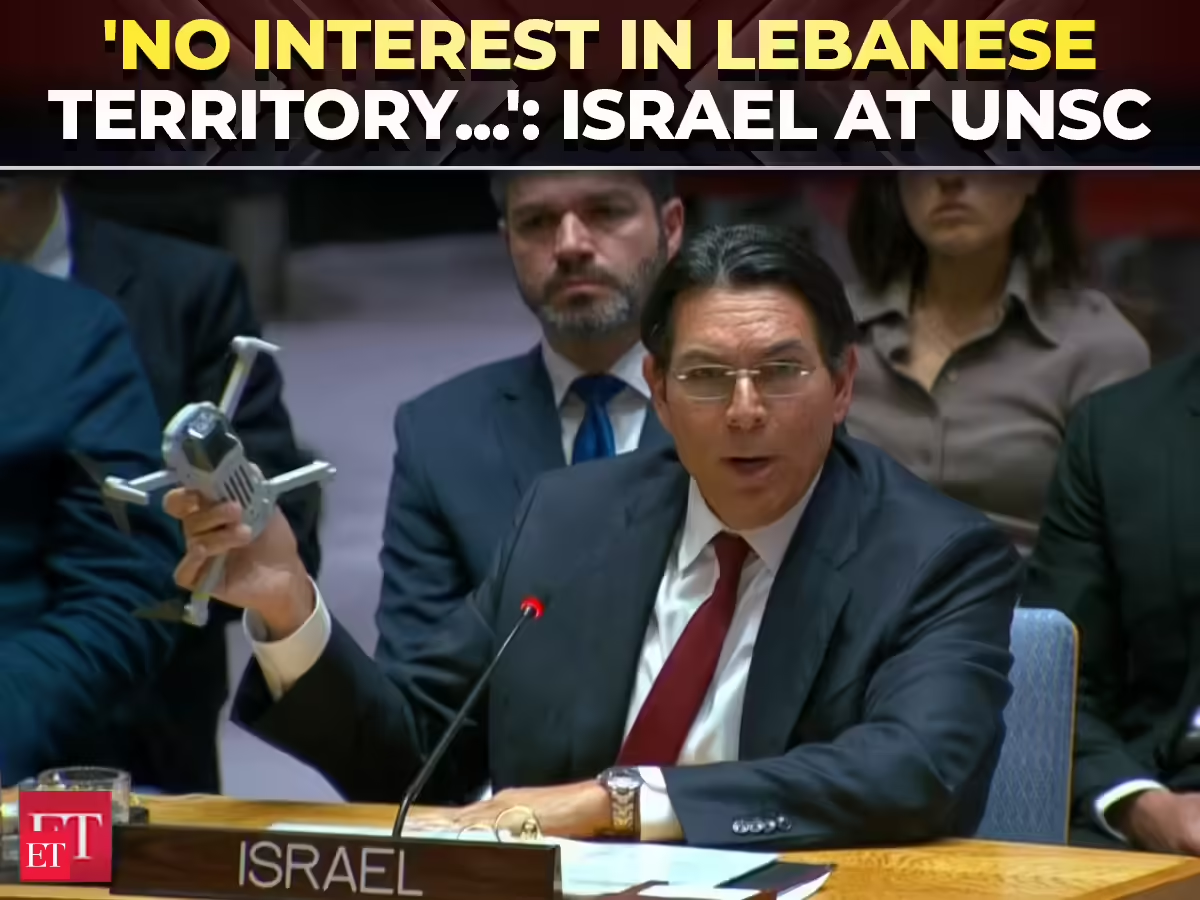
As Lebanon on Monday (June 1) was announcing a partial ceasefire between Hezbollah and Israel, international leaders found blame for both parties during a United Nations Security Council meeting. The new deal would amount to a limited de-escalation of a conflict that has killed thousands of people and inflamed the broader war with Iran. According to Lebanon's embassy in Washington, the agreement, which would not end the conflict in that country, calls for Israel to refrain from strikes on Beirut and its suburbs controlled by Hezbollah, while the Iran-aligned group would halt its attacks on Israel. Show more Show less
'Israel has made its choice, will not wait for drones to detonate': Israel slams Hezbollah at UNSC
As Lebanon on Monday (June 1) was announcing a partial ceasefire between Hezbollah and Israel, international leaders found blame for both parties during a United Nations Security Council meeting. The new deal would amount to a limited de-escalation of a conflict that has killed thousands of people and inflamed the broader war with Iran. According to Lebanon's embassy in Washington, the agreement, which would not end the conflict in that country, calls for Israel to refrain from strikes on Beirut and its suburbs controlled by Hezbollah, while the Iran-aligned group would halt its attacks on Israel.
TL;DRAI
June 1 ceasefire accord: Israel halts Beirut strikes, Hezbollah suspends attacks, de-escalating conflict killing thousands; Iran tensions remain. Geopolitical relief eases MENA supply-chain and infrastructure risk; agreement's limited scope signals ongoing regional volatility limiting tech investor confidence.
100 words~1 min read