A year earlier, the comparable figure stood at just 6.4%, a near-tripling in 12 months that Eldridge described as highlighting “how quickly storage is becoming material in National Electricity Market (NEM) operations.”
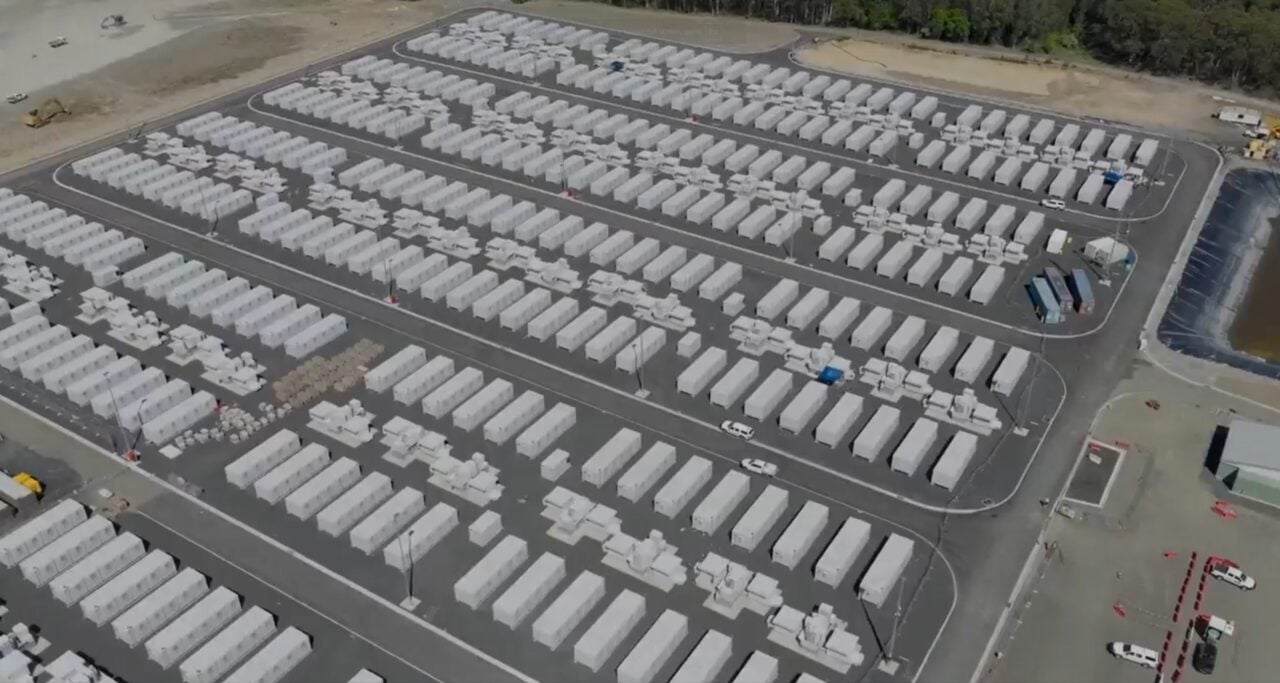
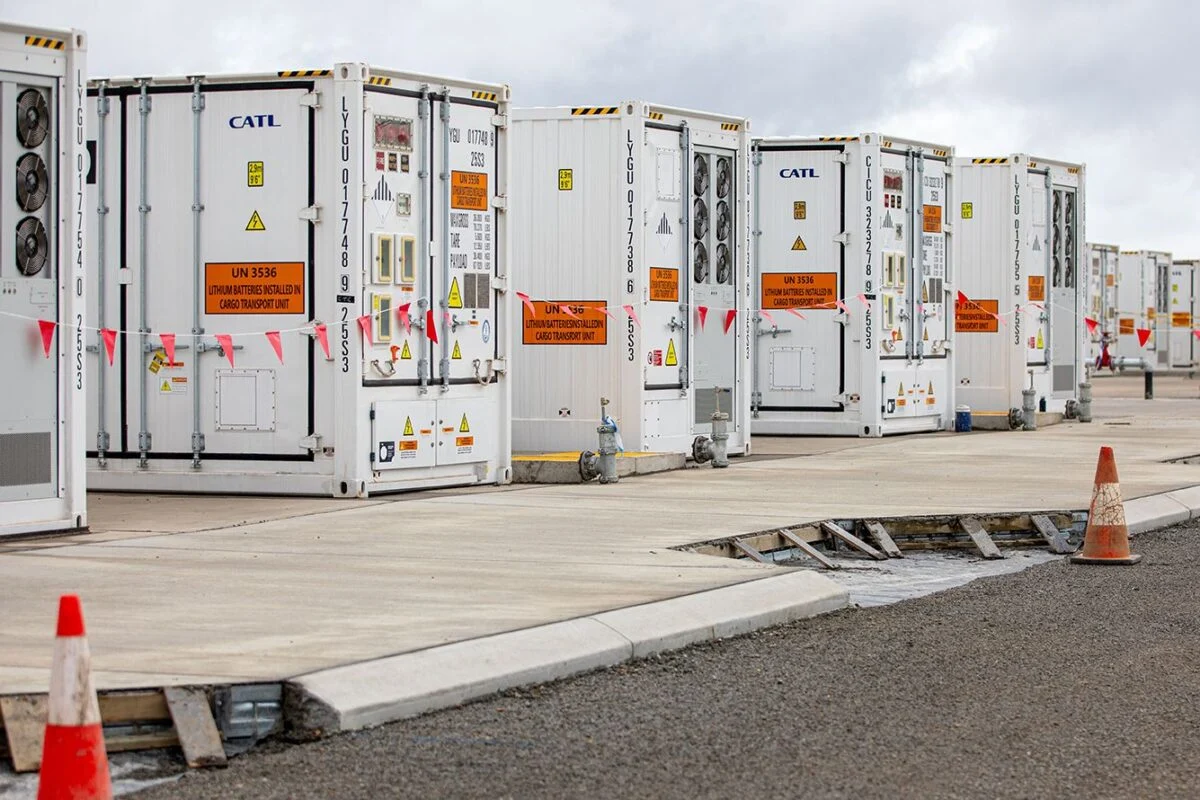
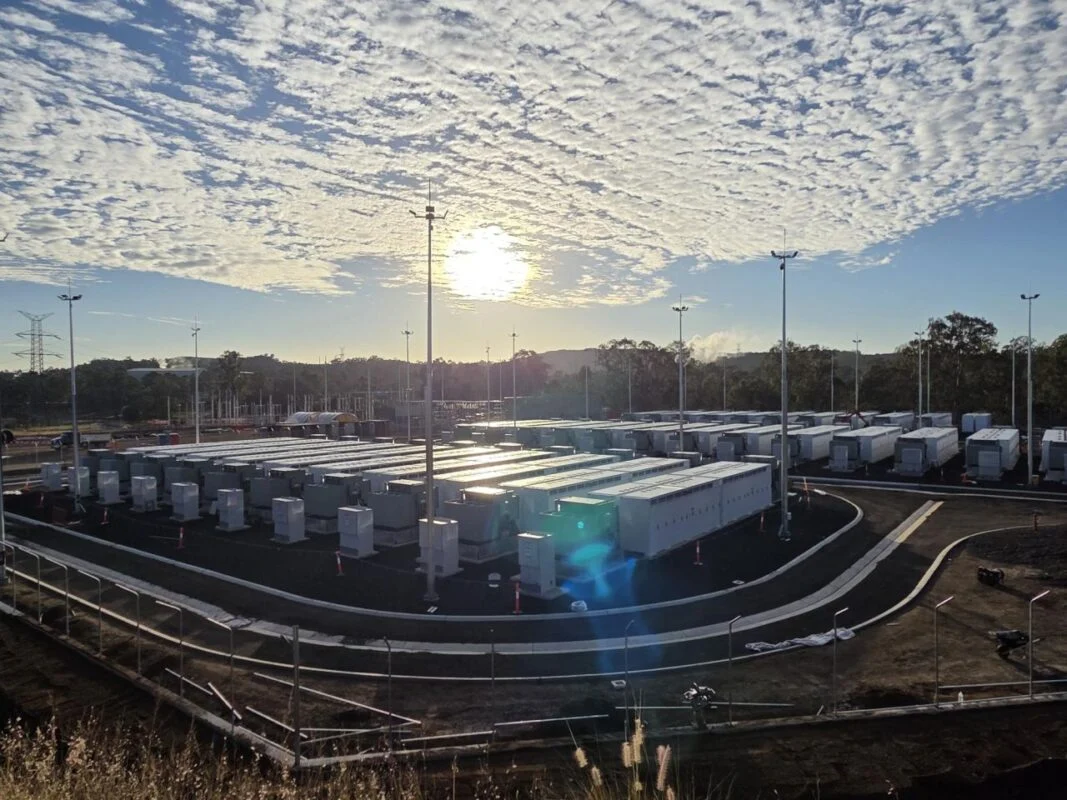
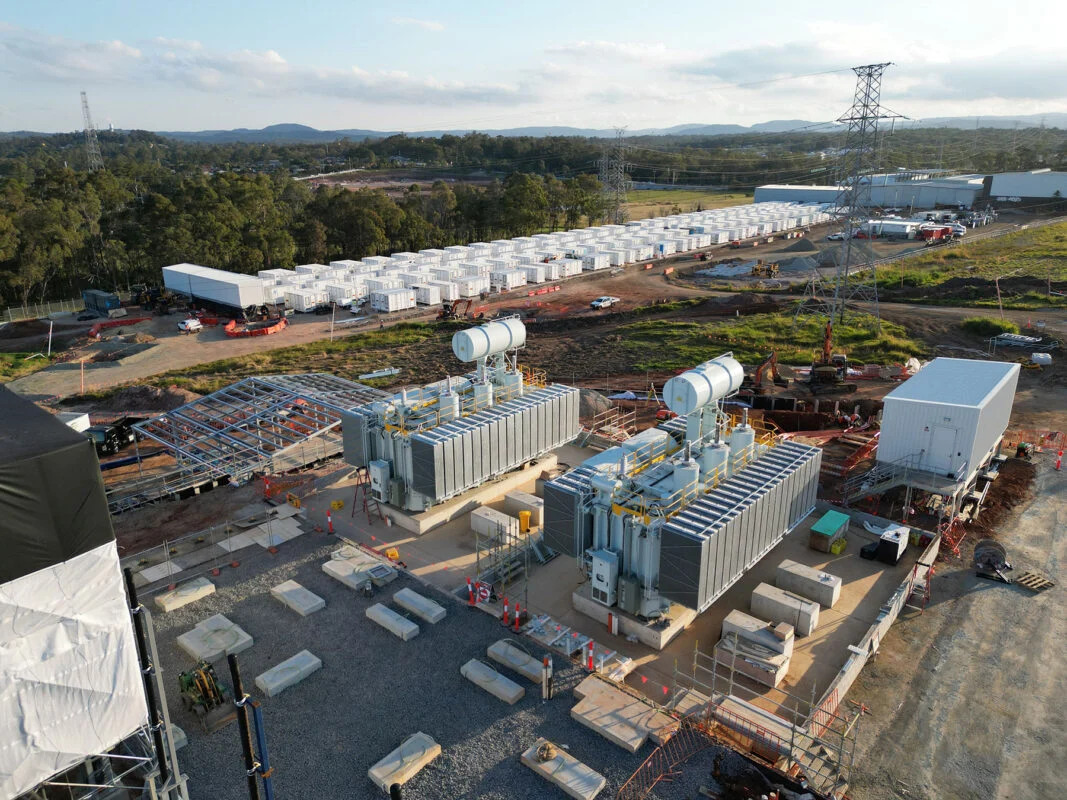
Eldridge characterised the result as a record of flexibility as much as a renewables record. More than 4GW of rooftop PV, strong grid-scale solar output, over 1.2GW of battery storage charging, net exports, and some curtailment all interacted during the late-autumn midday interval, with utility-scale battery storage, exports and curtailment collectively managing the midday generation surplus.
The timing of the record is what distinguishes it from previous highs. Across the NEM, peak renewable energy share events are typically associated with spring conditions, with mild temperatures, strong solar irradiance and low demand.
Queensland reaching a near 80% RES share on the final day of autumn, close to the winter minimum-demand trough, signals that its operating envelope is no longer confined to seasonal windows.
As Eldridge noted: “high solar output, rapidly growing battery charging, exports and curtailment are now combining to push RES share of consumption close to 80%, even on the final day of autumn.”