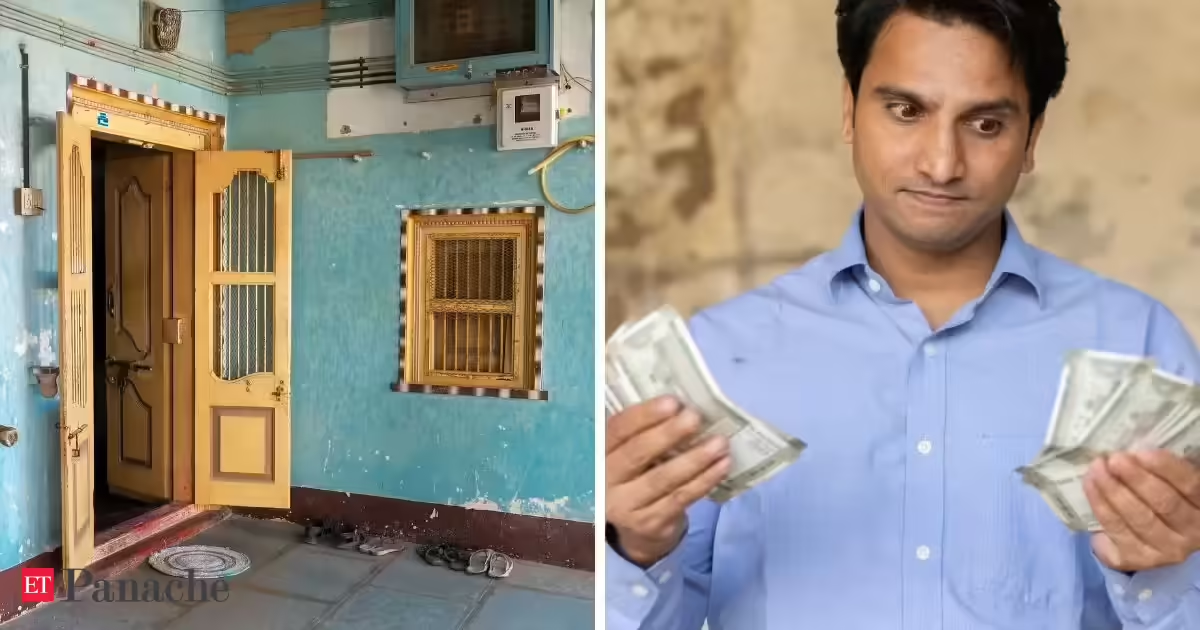
In an era where success is often measured by luxury apartments, expensive cars, and endless lifestyle upgrades, many people assume that spending more is a sign of financial progress. But what if the opposite is true? What if the people quietly building wealth are the ones living in smaller homes, cooking their own meals, and avoiding unnecessary expenses? According to Chartered Accountant Nitin Kaushik, real financial strength is often invisible, hidden behind choices that may look ordinary on the surface but create extraordinary results over time.CA Nitin Kaushik recently shared what he called the "stealth wealth blueprint" on X, challenging conventional ideas about money and success.Why simple living is often misunderstoodKaushik pointed out that many people quickly judge a professional who lives in a compact 900 sq ft apartment, prepares meals at home, and avoids unnecessary subscription expenses. To outsiders, such a lifestyle may appear restrictive or even deprived. It can look as though the individual is sacrificing comfort or missing out on the rewards of financial success.However, Kaushik argues that this view focuses only on visible spending while completely ignoring what is happening behind the scenes.— Finance_Bareek (@Finance_Bareek) The hidden side of the wealth equationAccording to Kaushik, the real story lies on the asset side of the balance sheet. The person living modestly may have very different financial priorities. Instead of spending heavily on lifestyle inflation, they could be directing significant amounts of money toward long-term wealth creation.He described an individual who consistently maximises retirement contributions at the beginning of every year, maintains healthy liquid investments, and has built financial reserves that exceed what many people earn over several years.While these achievements may not be visible on social media or obvious to neighbours, they contribute significantly to long-term financial security.Looking wealthy vs being wealthyOne of Kaushik's key observations is that people often confuse outward signs of wealth with actual financial strength. A high-burn lifestyle can create the appearance of success. Expensive housing, premium memberships, frequent upgrades, and recurring expenses may signal prosperity to others. But these choices also increase fixed costs and reduce the amount of money available for investing.By contrast, someone who deliberately keeps expenses under control may appear less affluent while quietly accumulating assets, investments, and financial flexibility. Kaushik believes that genuine wealth is not built through constant displays of affluence. Instead, it comes from carefully managing recurring expenses and allowing capital to grow.The goal is not simply to spend less. It is to ensure that money has a chance to work productively through investments rather than being consumed by lifestyle costs. When fixed overheads remain manageable, individuals gain more freedom to invest consistently, handle emergencies comfortably, and pursue long-term goals without financial strain.
Living in a 900 sq ft flat? CA says it could be the smartest wealth-building move you make
Chartered Accountant Nitin Kaushik reveals a 'stealth wealth blueprint'. He explains that true financial strength is often unseen. People who live simply, cook at home, and avoid unnecessary spending may be quietly building significant wealth. This approach prioritizes long-term investments over visible lifestyle upgrades. Genuine wealth grows from managing expenses and allowing capital to accumulate.
447 words~2 min read