Commentary
The question is not so much about whether multilateralism will endure, but how it is evolving, say Sarah Teo and Jane Chan from the S Rajaratnam School of International Studies.
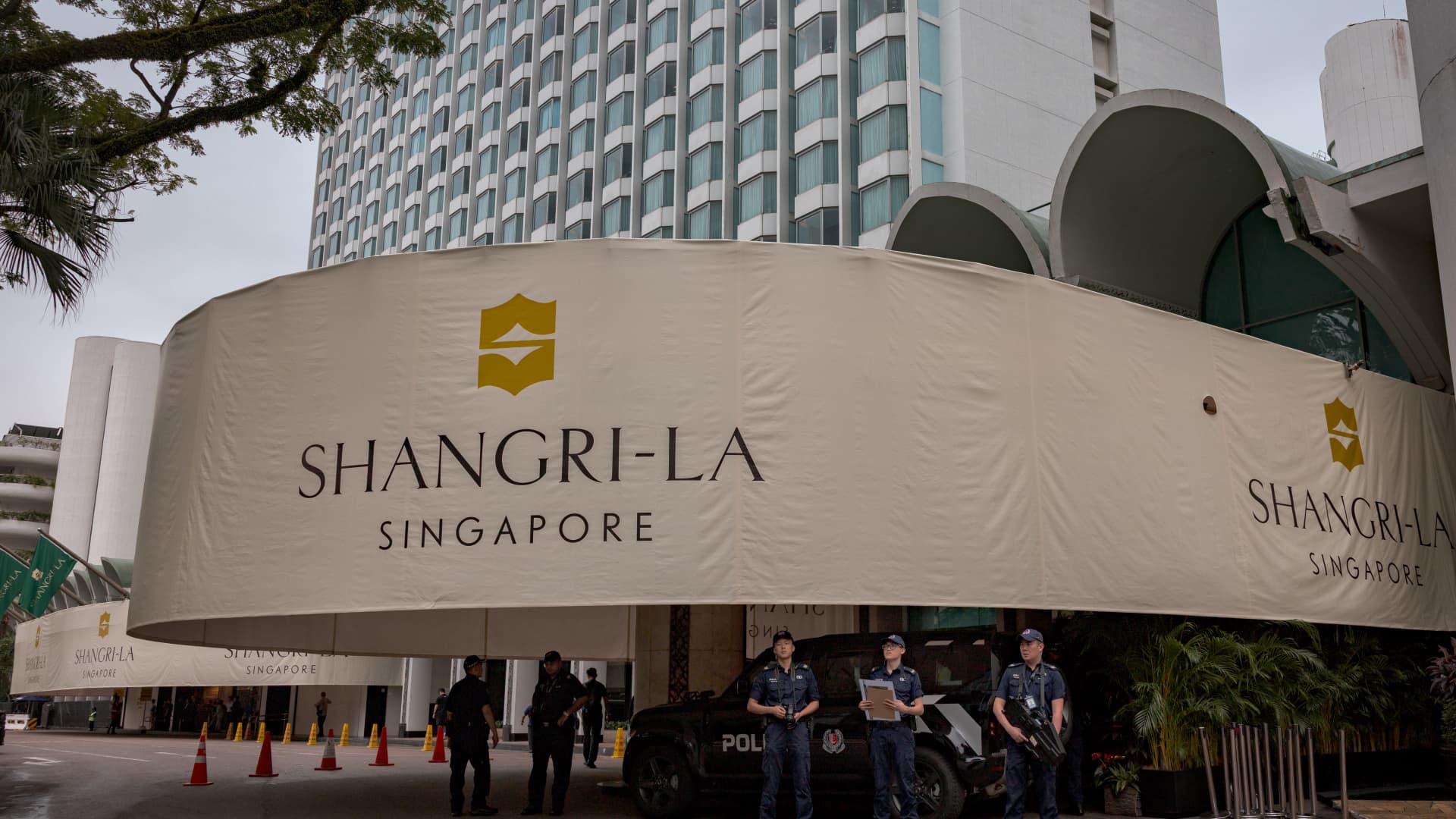
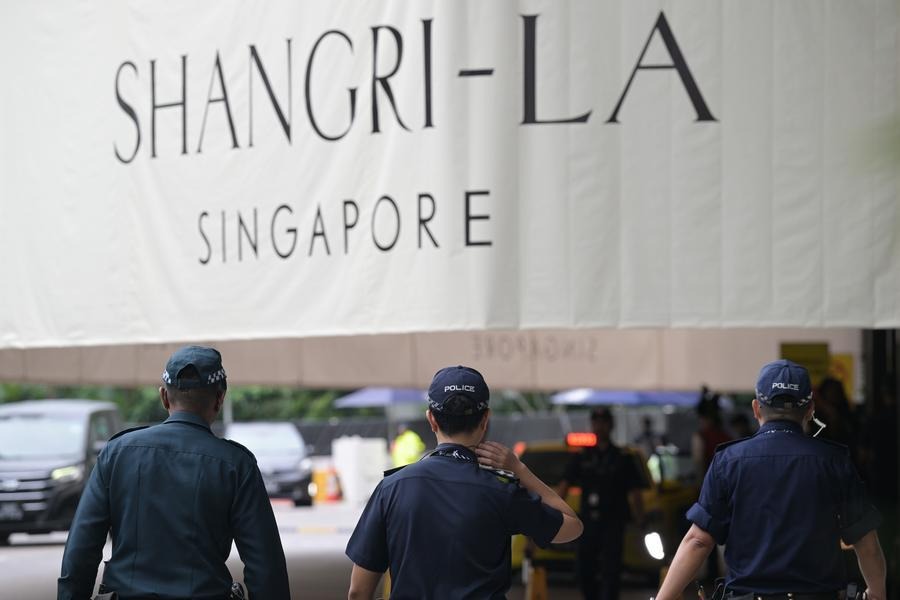
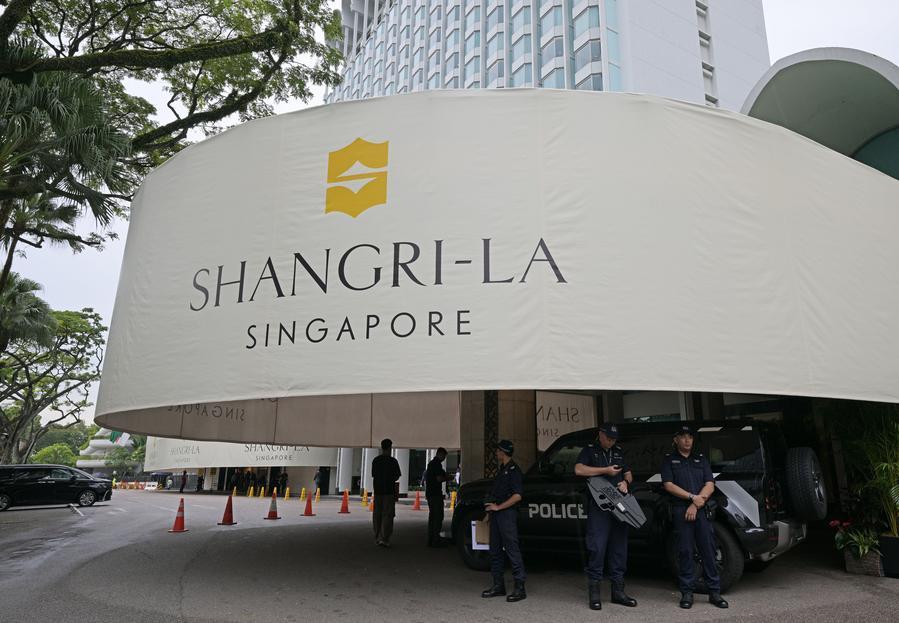
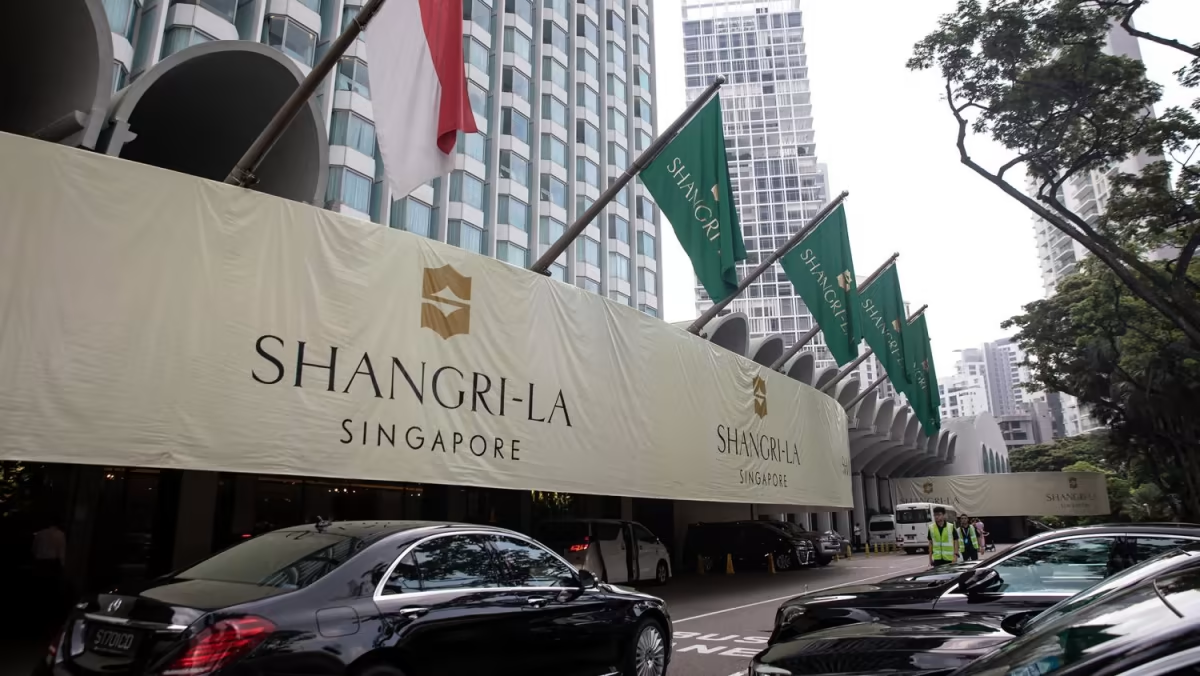
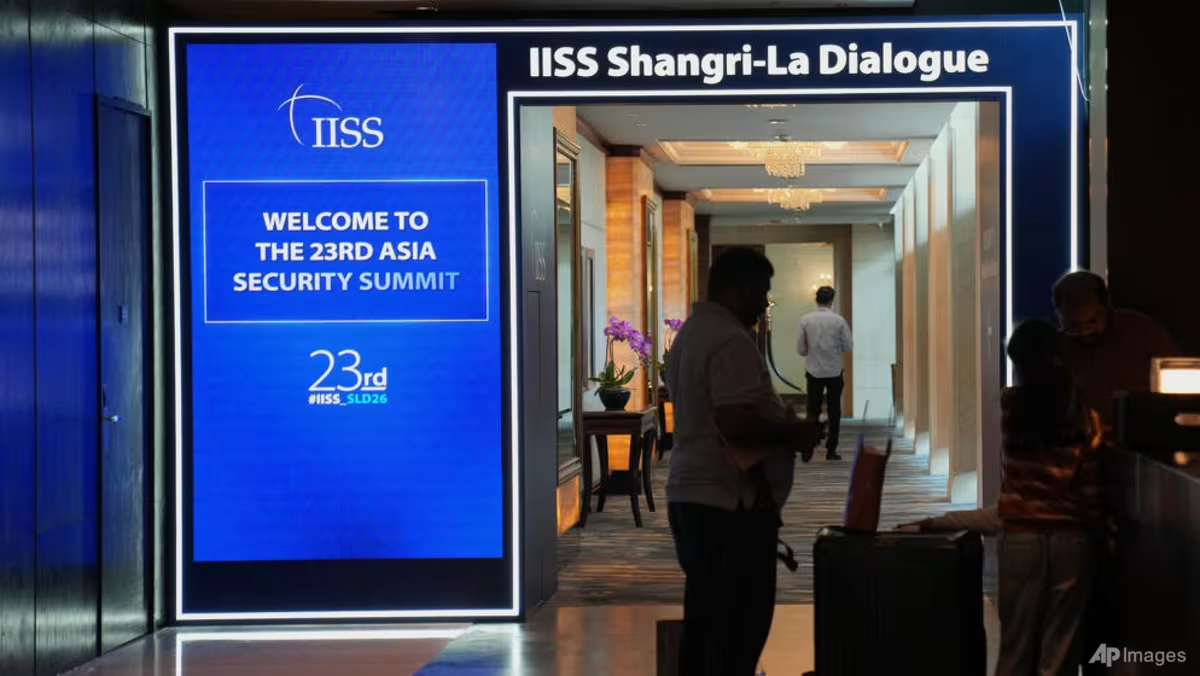
A man stands near the entrance of the Shangri-La Hotel, the venue for the International Institute for Strategic Studies (IISS) Shangri-La Dialogue, Asia's annual defense and security forum, in Singapore on May 28, 2026. (Photo: AP/Achmad Ibrahim)
02 Jun 2026 10:30AM
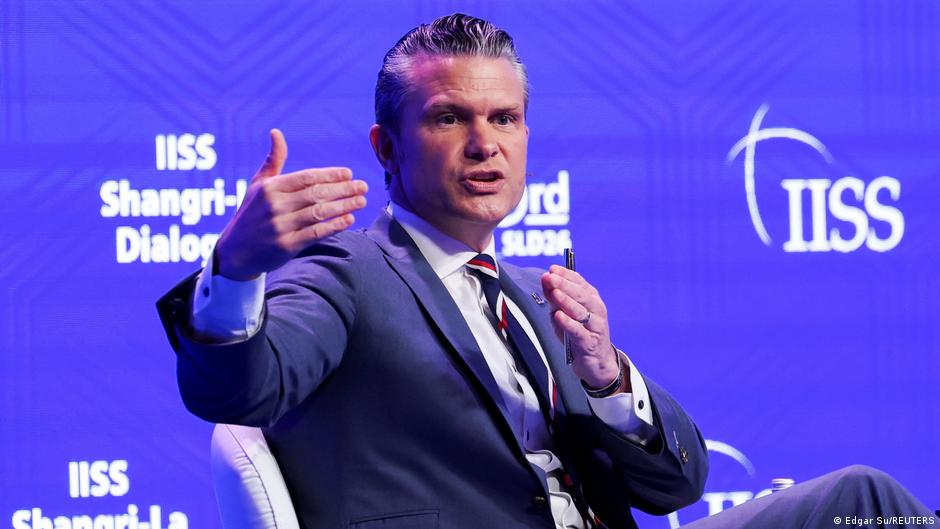
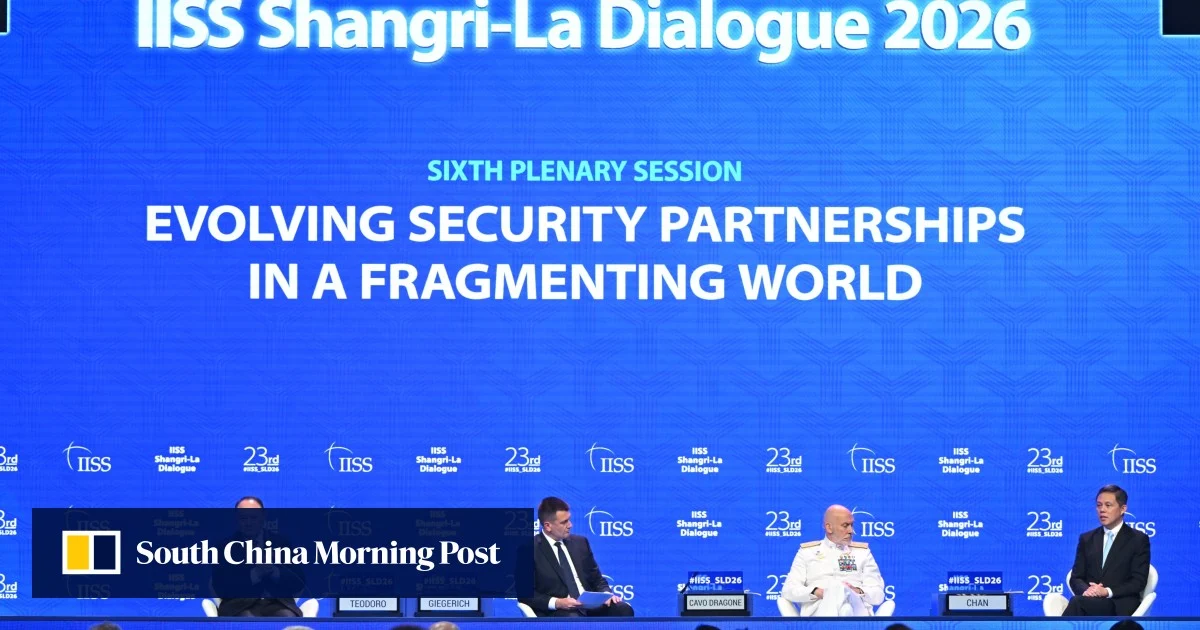
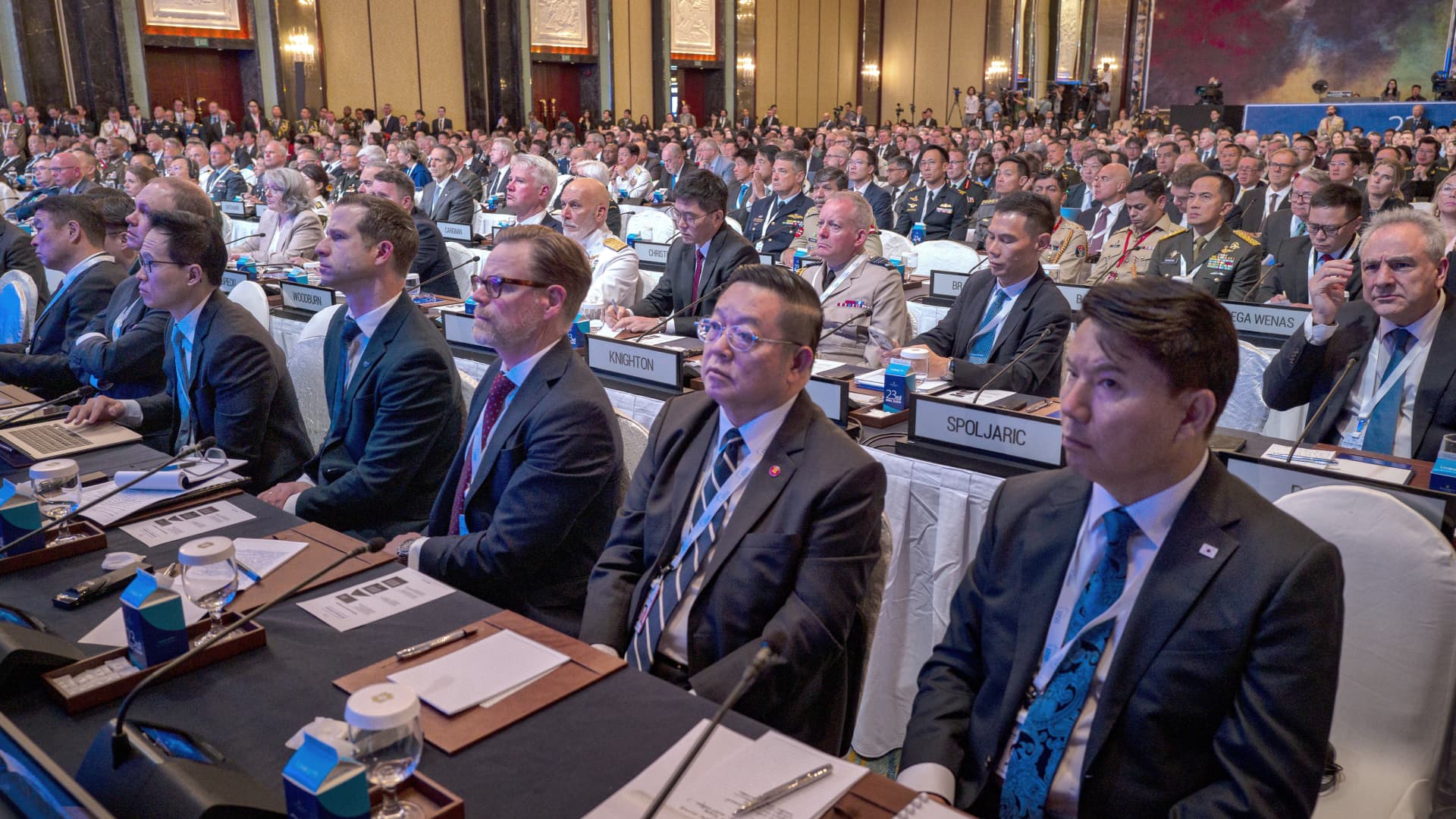
SINGAPORE: “I’m sorry to say this here. Less Shangri-La, more ships, more subs,” quipped United States Defense Secretary Pete Hegseth at the 23rd Shangri-La Dialogue (SLD) held last weekend in Singapore. It was a pointed remark to make at a forum dedicated to multilateral defence diplomacy, and it bluntly captured a fundamental question for countries. As the foundations of the post-Cold War order become less secure, states must navigate a world marked by sharper competition and greater fragmentation. If security is once again more about military capability, what role remains for cooperation among states? While there is broad agreement that the old certainties are fading, there is far less clarity about what will replace them. Recent events have only reinforced this sense of uncertainty. Attacks on commercial shipping in and around the Strait of Hormuz, and the continued disruption of freedom of passage, have exposed the limits of an international order founded on established rules and norms, while raising difficult questions about the willingness and ability of states to uphold them. The evidence across conversations at the SLD suggests that the question is not so much about whether multilateralism will endure, but how it is evolving.