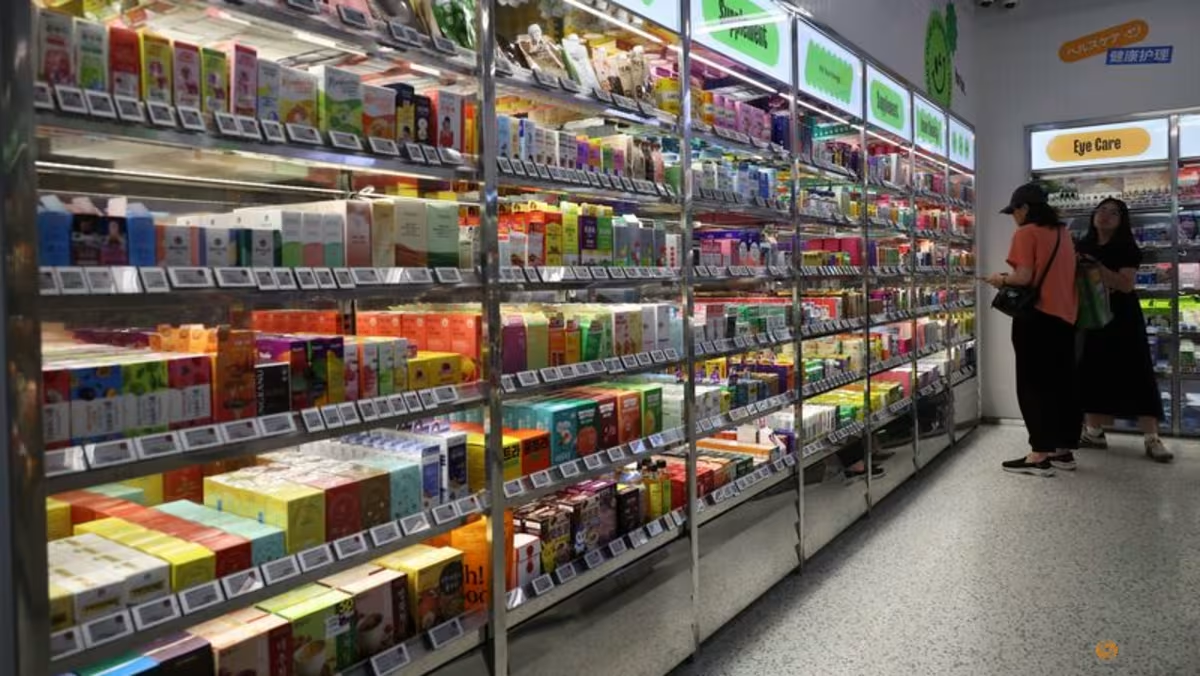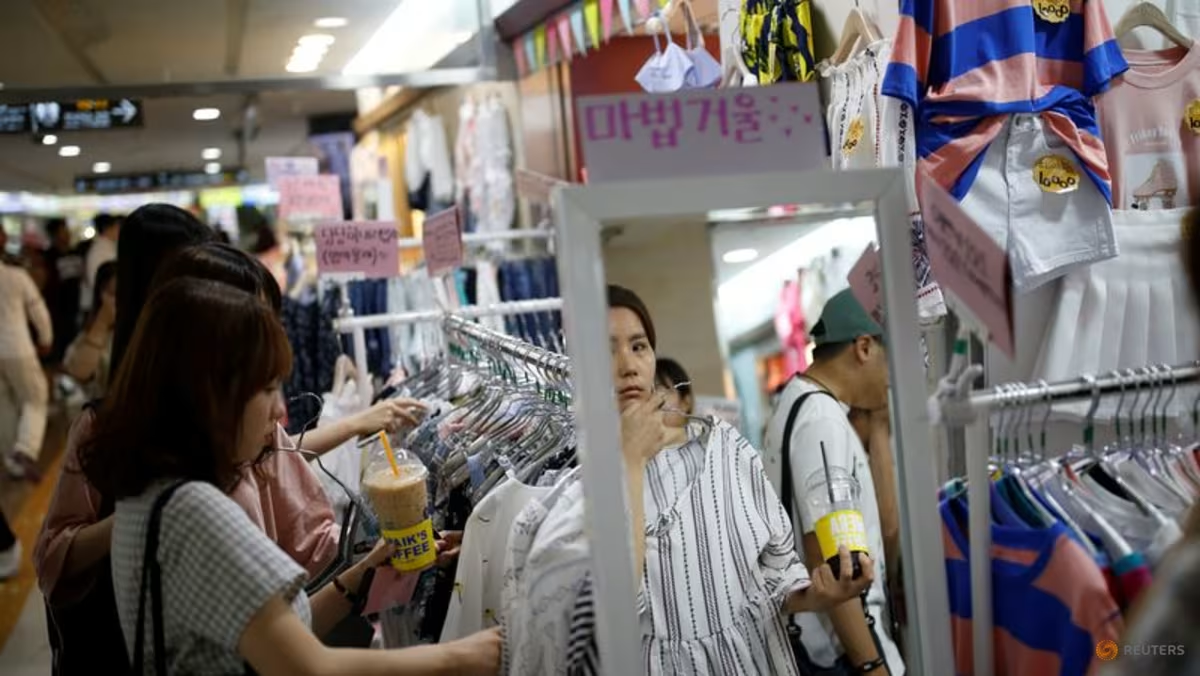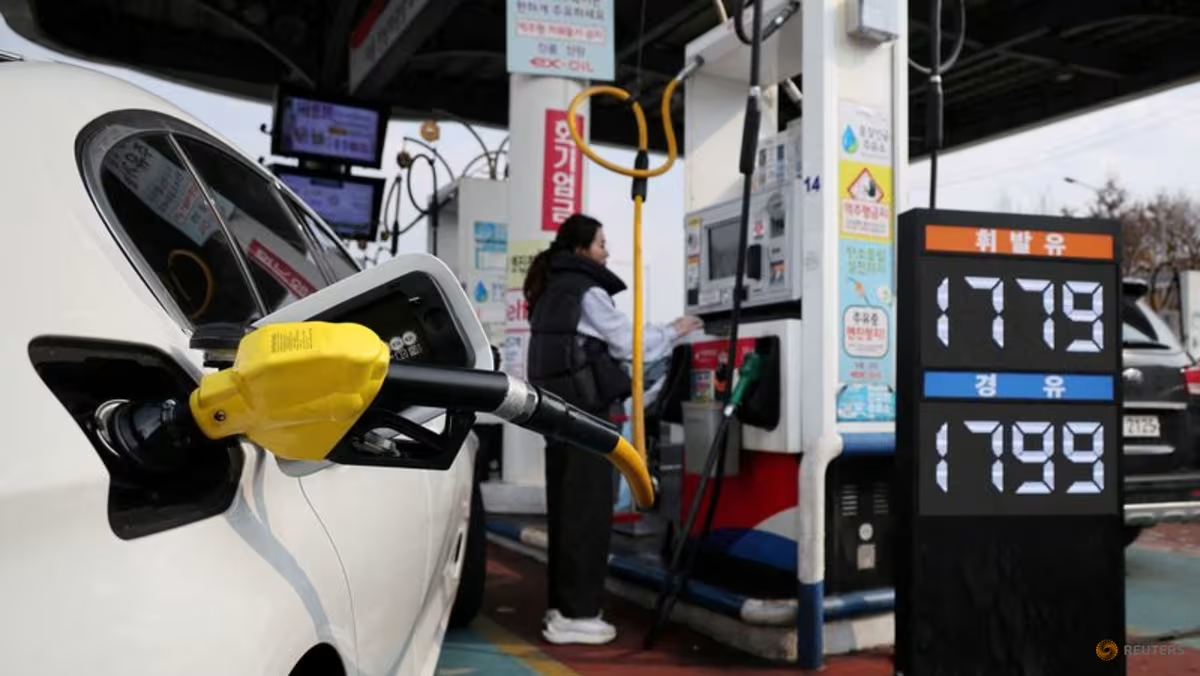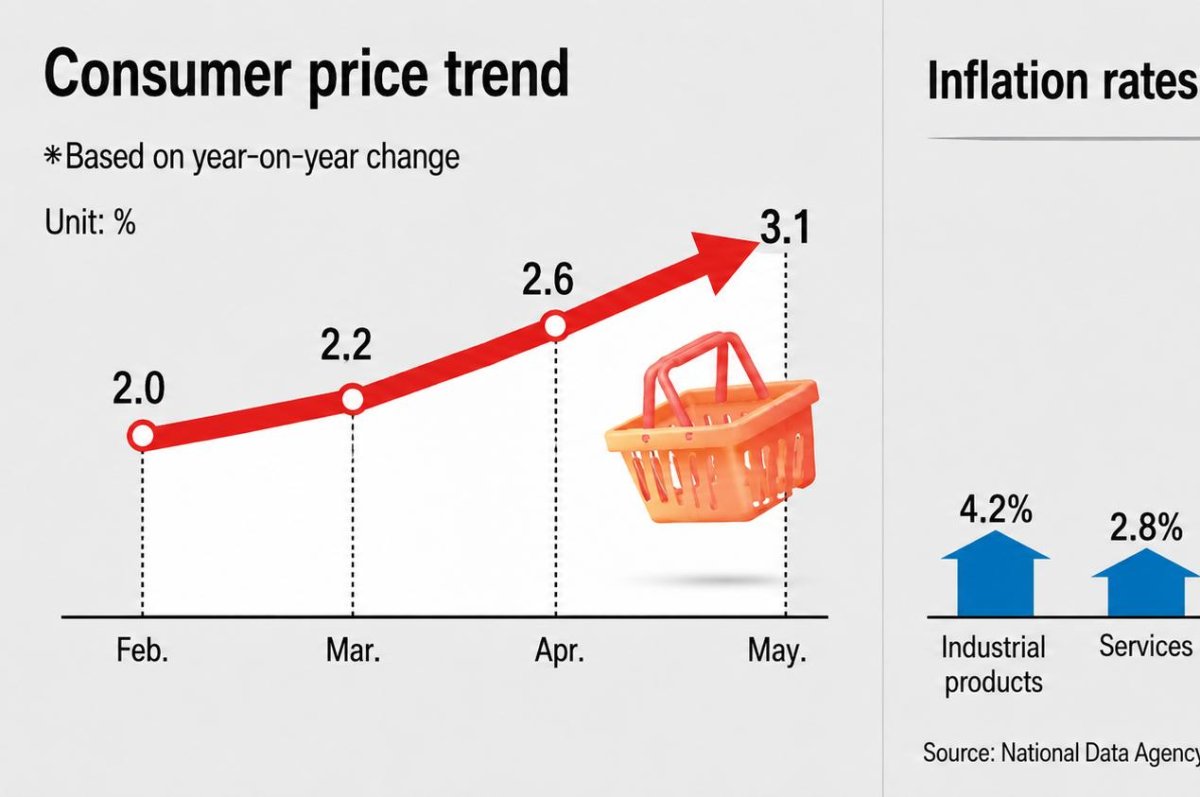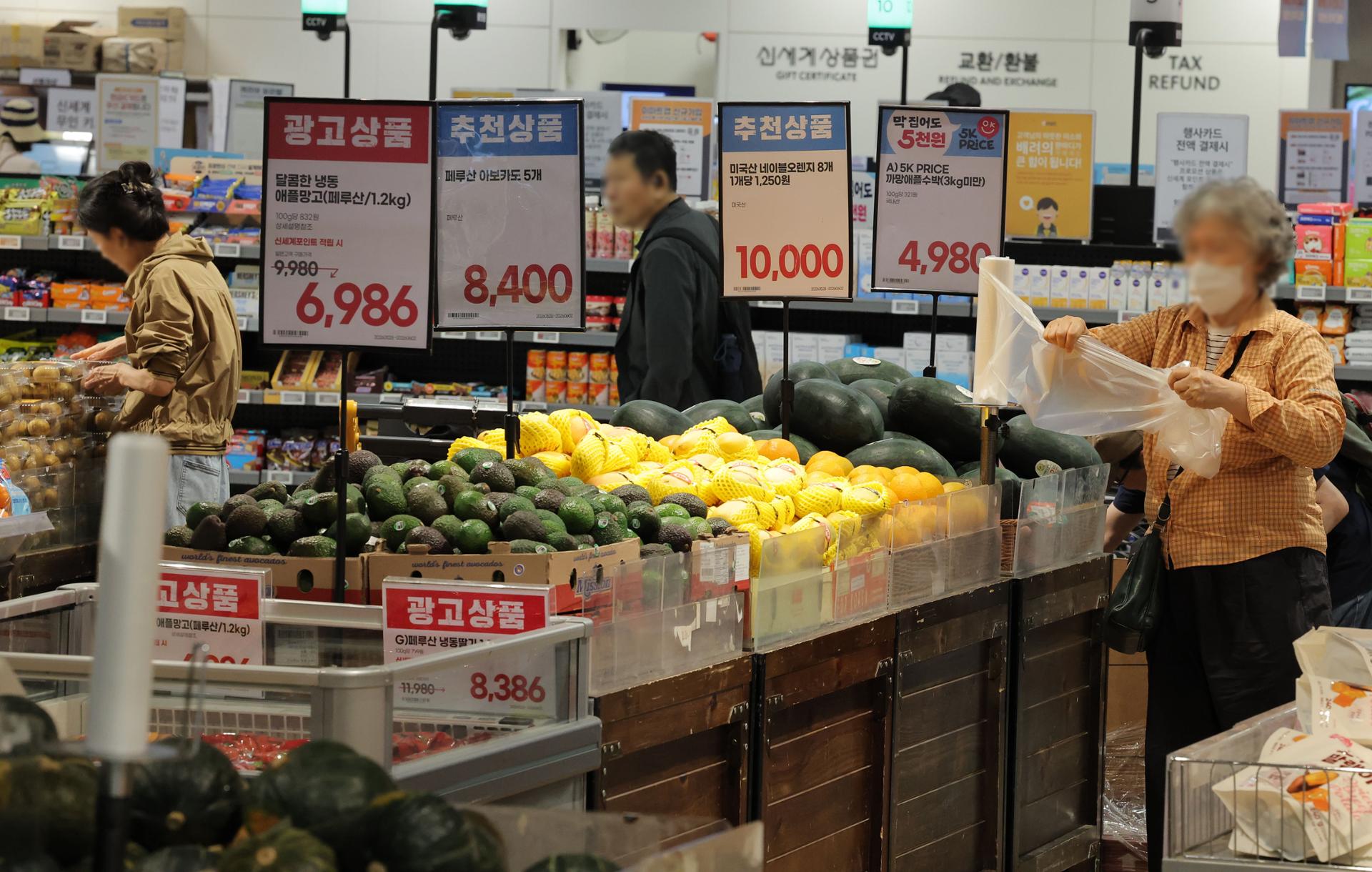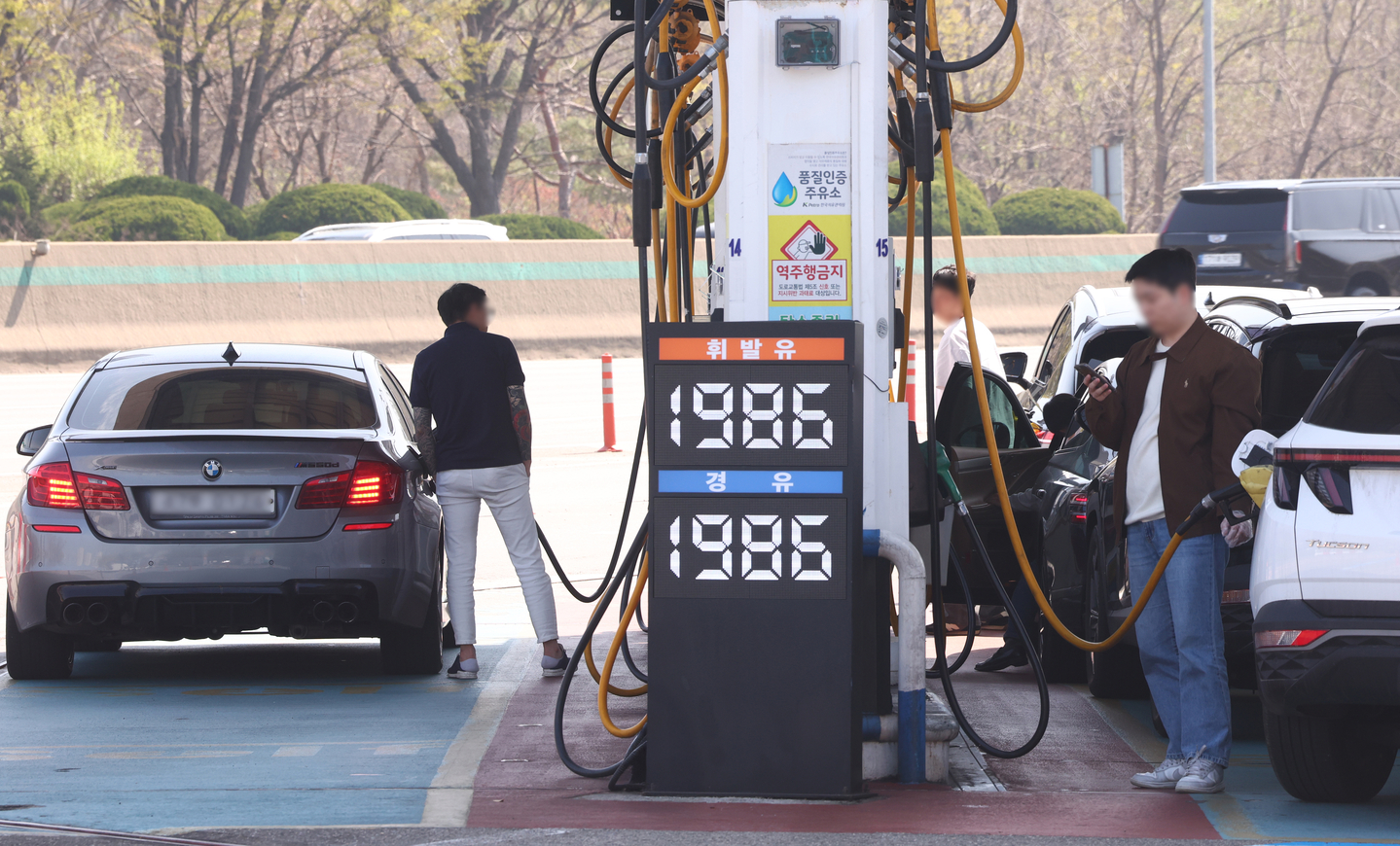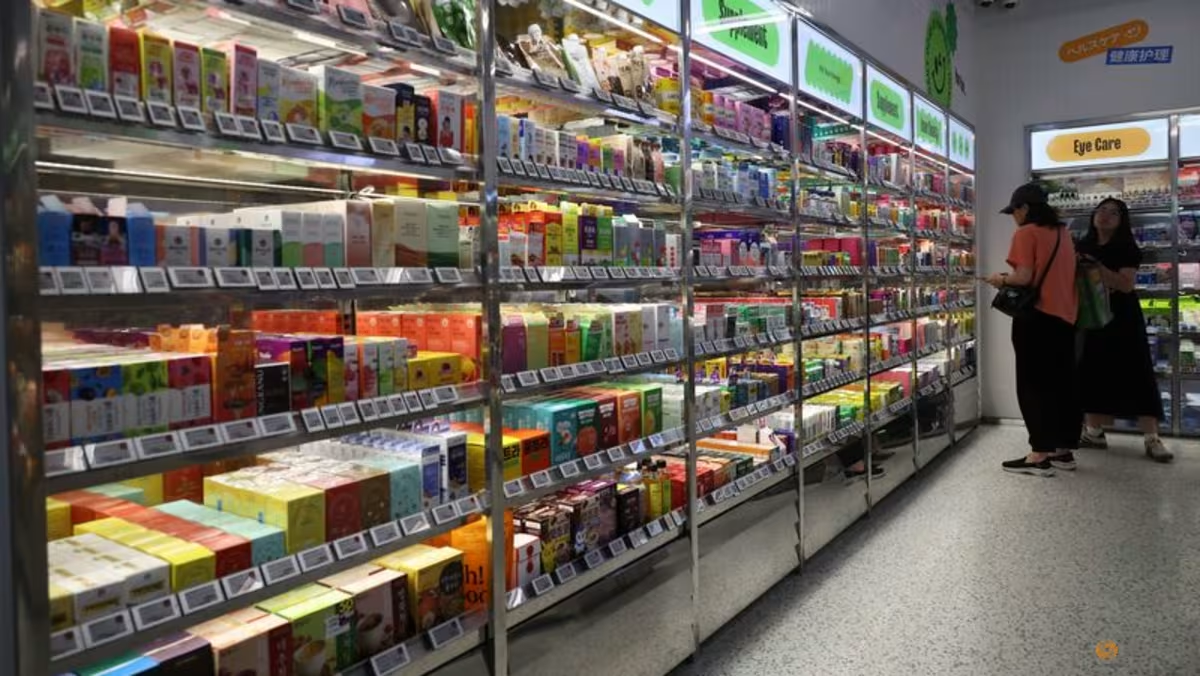
SEOUL, June 2 : South Korea's consumer inflation quickened in May to a more than two-year high, exceeding market expectations on high oil prices triggered by the Middle East conflict, supporting the case for monetary tightening as early as next month.The consumer price index (CPI) rose 3.1 per cent from a year earlier, the biggest jump since March 2024, after climbing 2.6 per cent in April, data from the Ministry of Data and Statistics showed on Tuesday. It was higher than the median 3.0 per cent increase forecast in a Reuters poll.Prices of petroleum products were 24.2 per cent higher than a year earlier, while international airfare jumped 33.5 per cent. "It is expected that inflation will stay at the 3 per cent level for the time being due to spillover effects of the oil price shock on other sectors," the Bank of Korea said after the data release, and pledged to closely monitor inflation conditions.
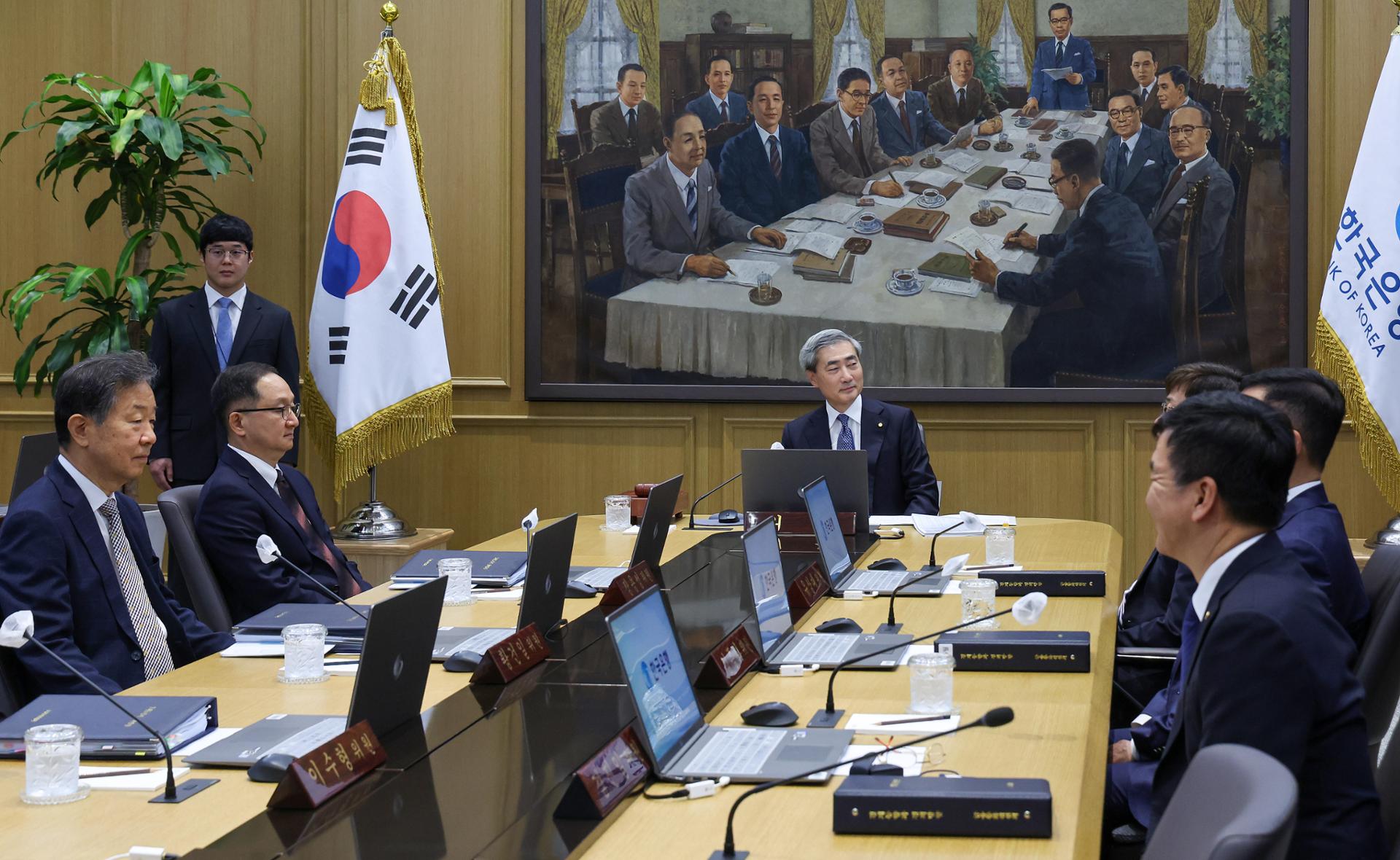
Last week, the BOK signalled an imminent turn toward a more restrictive policy stance to curb inflation and support a slumping won, as it raised its inflation forecast for this year to 2.7 per cent from 2.2 per cent. The central bank, which targets inflation at 2 per cent in the medium term, next meets on July 16. "After all, whether the peak will be in the second quarter or the third quarter will depend on the Iran war," said Park Sang-hyun, an economist at iM Securities, who expects inflation to rise to as high as the mid-3 per cent range in a protracted war scenario. "There will be a rate hike at the next meeting in July for sure. When it comes to how many hikes for this year, it will depend on the inflation trend so we have no choice but to watch how the Iran war develops," Park said. Lebanon announced a partial ceasefire between Hezbollah and Israel on Monday in what would amount to a limited de-escalation of the U.S.-Israeli war with Iran that has killed thousands of people and broadened the conflict across the Middle East.South Korea's policy-sensitive treasury bond yield rose 6 basis points to 3.847 per cent, the highest since November 2023. The finance ministry said inflation would have reached about 3.7 per cent last month without the nationwide fuel price caps introduced in March for the first time in decades. Annual core inflation, stripping out volatile food and energy prices, quickened to 2.5 per cent in May, from 2.2 per cent in April, marking the fastest pace since February 2024. The CPI rose 0.5 per cent over the month, the same pace as the previous month, but faster than the 0.3 per cent rise expected by economists.