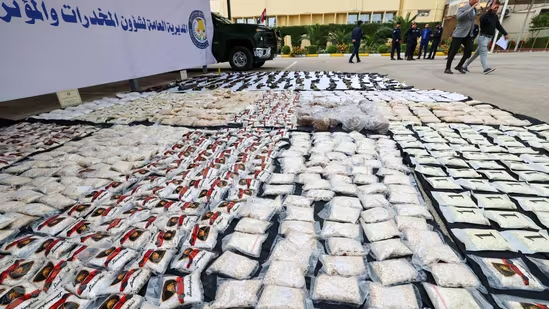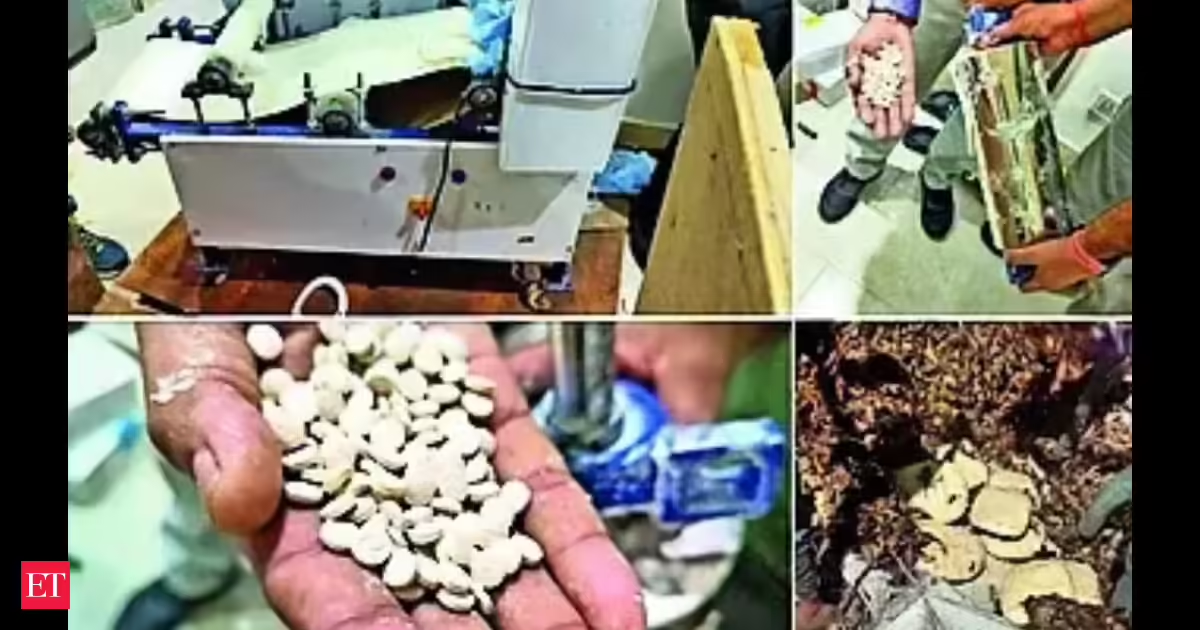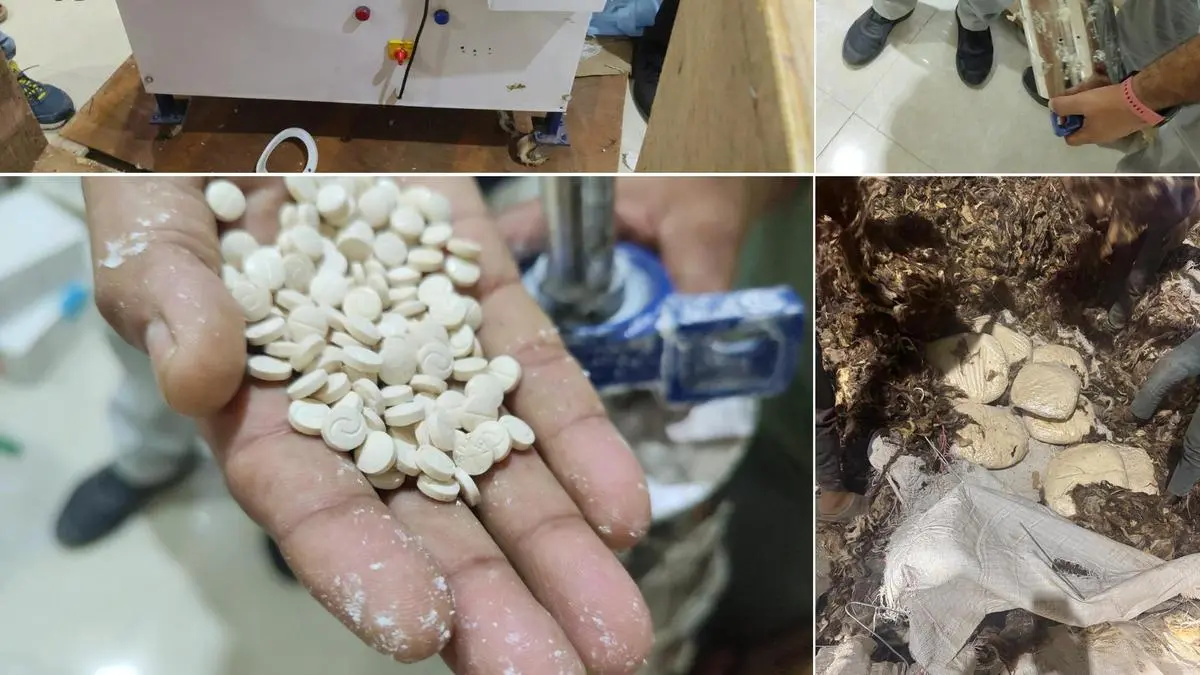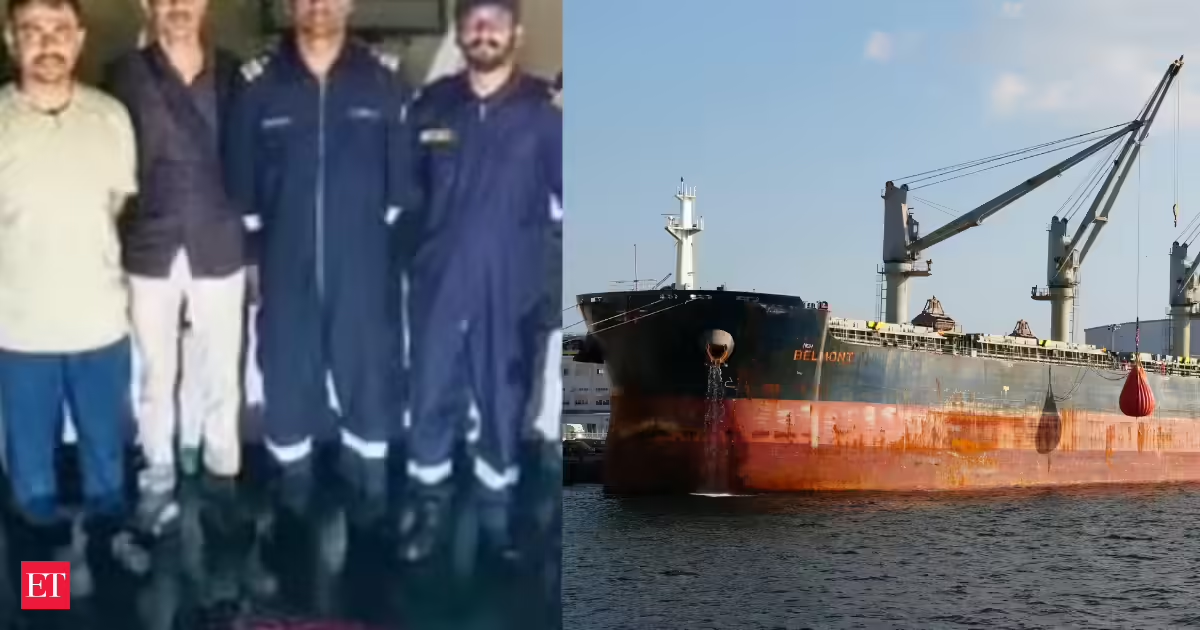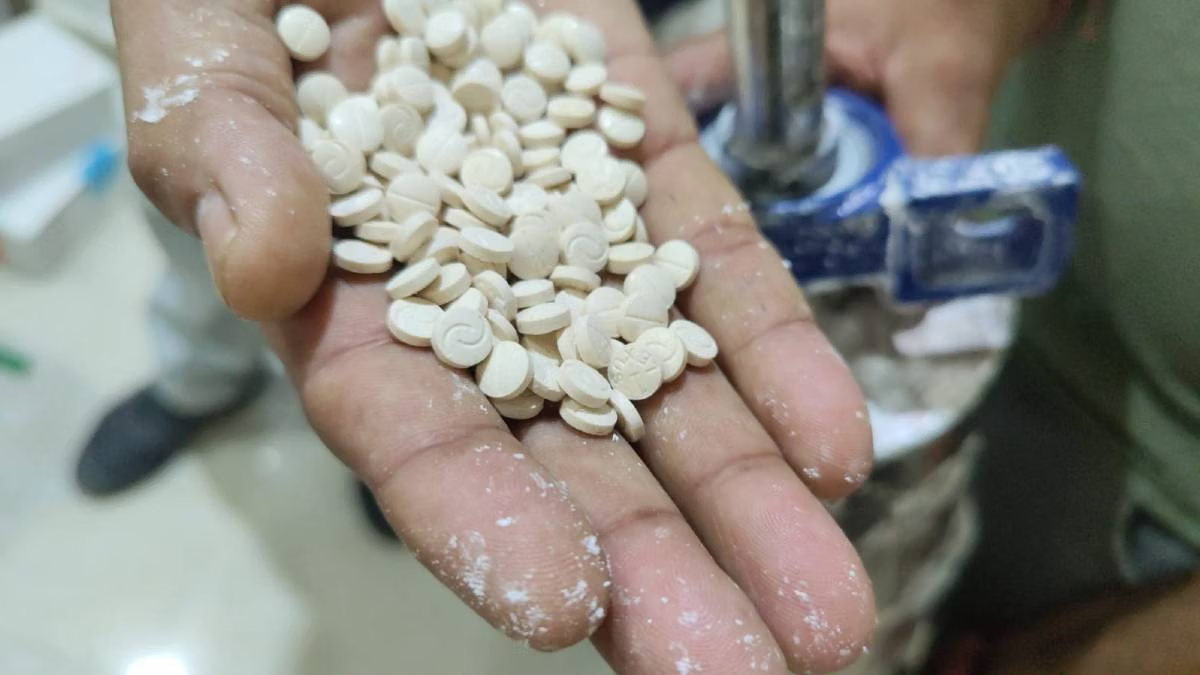
India’s first major seizure of 227 kilograms of the synthetic stimulant Captagon under Operation Ragepill was valued at approximately Rs 182 crore. The haul, recovered from Delhi’s Neb Sarai and Gujarat’s Mundra, marks a critical inflection point in the country’s security landscape.
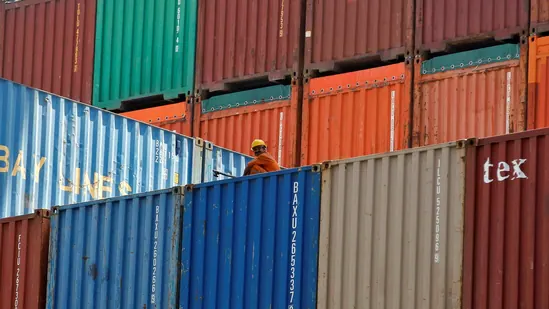
The consignment intercepted at Mundra Port, weighing 196.2 kg, represents more than a record seizure. It signals a shift in the nature of narcotics threats confronting India.For decades, India’s drug enforcement framework has been shaped by familiar supply chains such as heroin from the Golden Crescent and methamphetamine from the Golden Triangle. However, Captagon represents a qualitatively different challenge. It is not tied to traditional drug routes but to a conflict-driven narcotics economy rooted in the Middle East.
Created for medical use, Captagon has evolved into a major illicit drug, driving conflict and crime in the Middle East. Often termed the “Jihadi drug”, it is frequently used by militants to enhance combat endurance and suppress fear. It also serves as a critical funding source for extremist groups. Once an obscure pharmaceutical stimulant, it has transformed into one of the world’s most profitable illicit synthetic drugs, deeply connected to war economies, militia financing, and organised crime. This makes the recent seizure a strategic warning, indicating that India is entering the logistical architecture of a rapidly expanding Middle Eastern synthetic drug network. The implications extend beyond drug enforcement into maritime security, organised crime, terror financing, and regional geopolitics.Captagon powder packets hidden with sheep wool inside a container at Mundra Port in Gujarat | By special arrangement