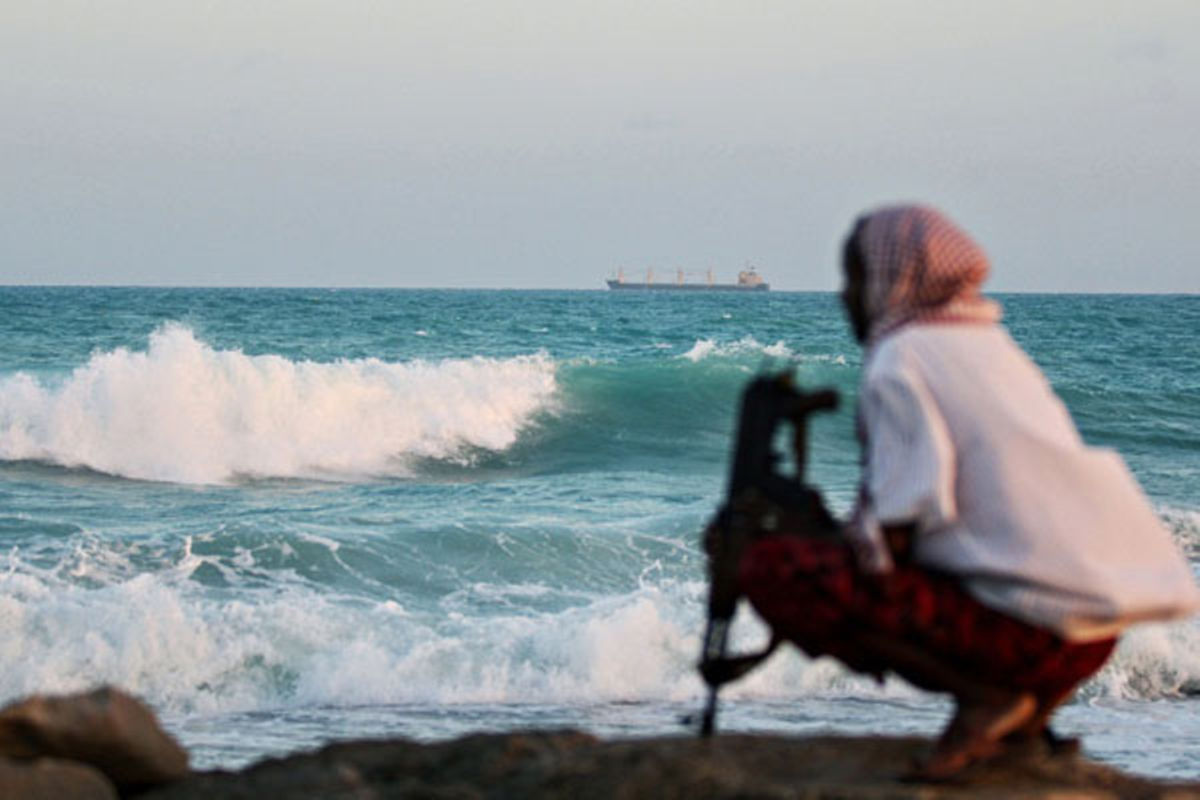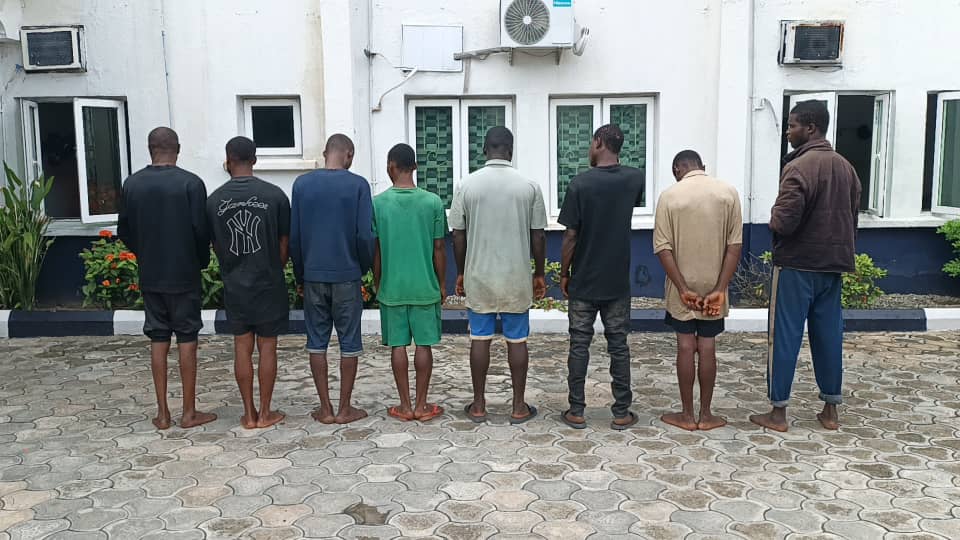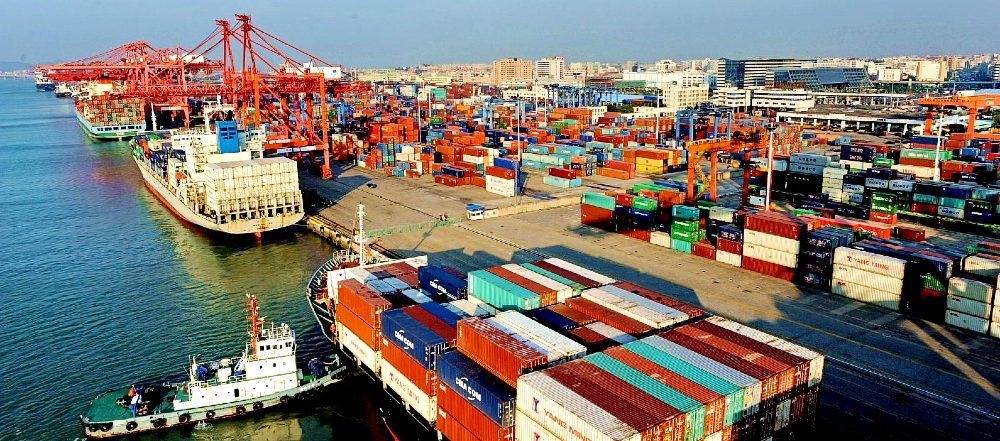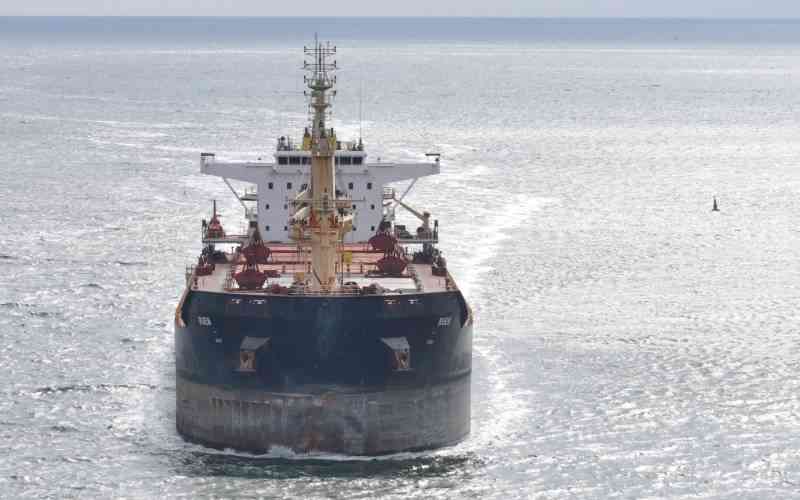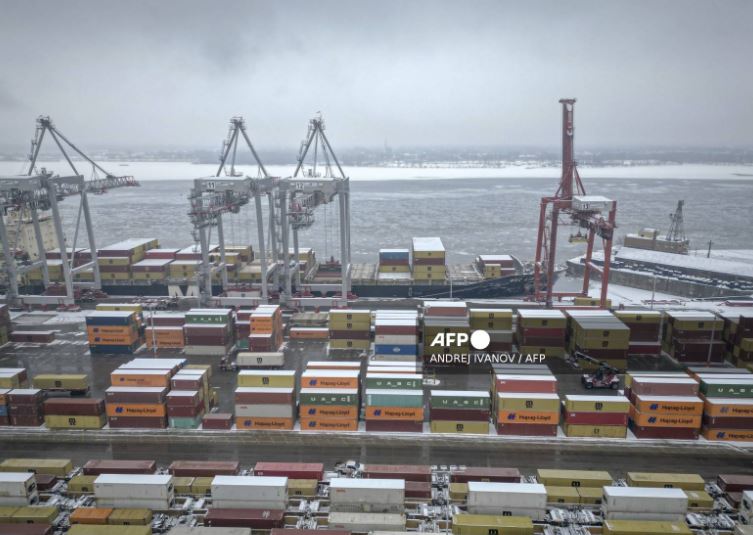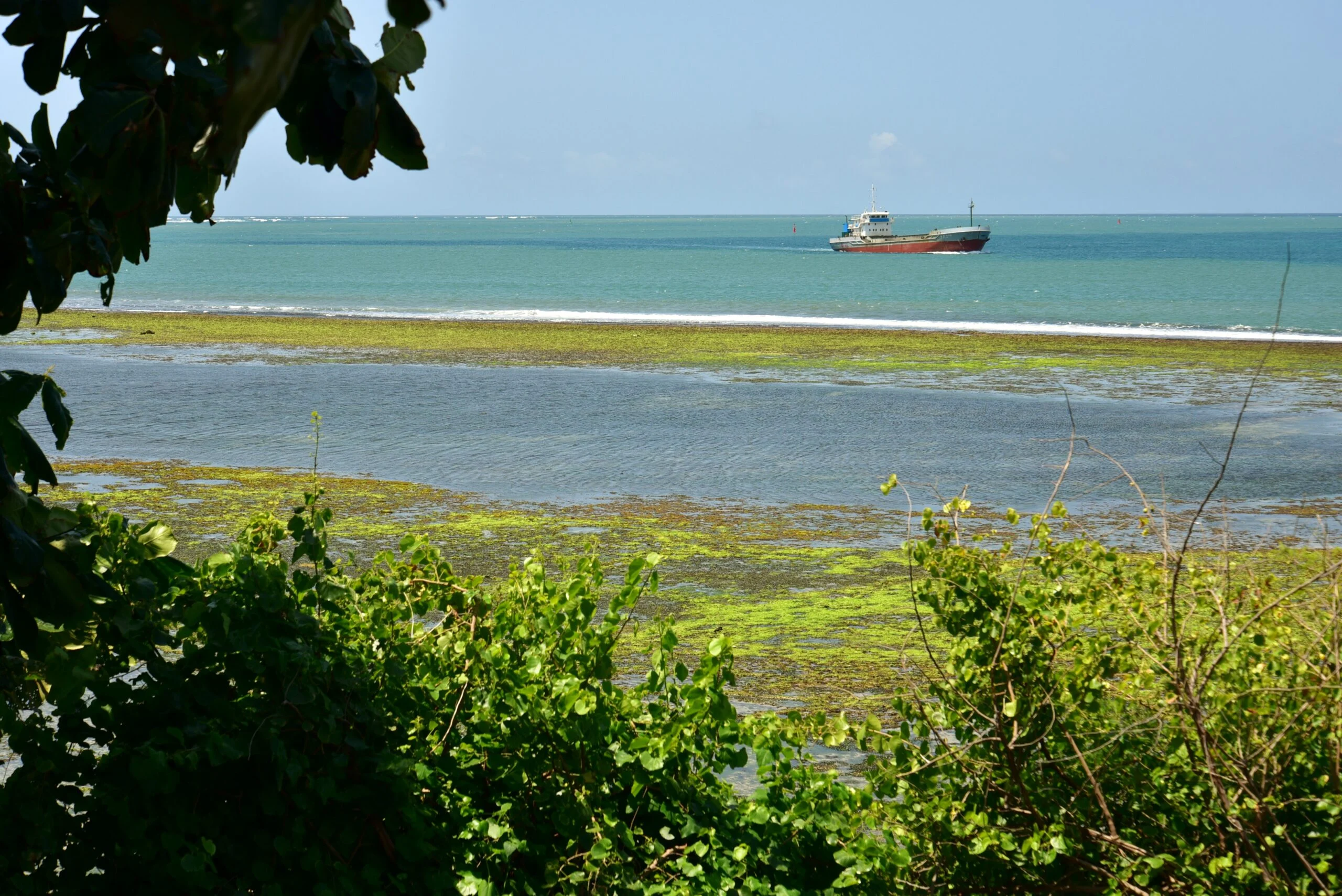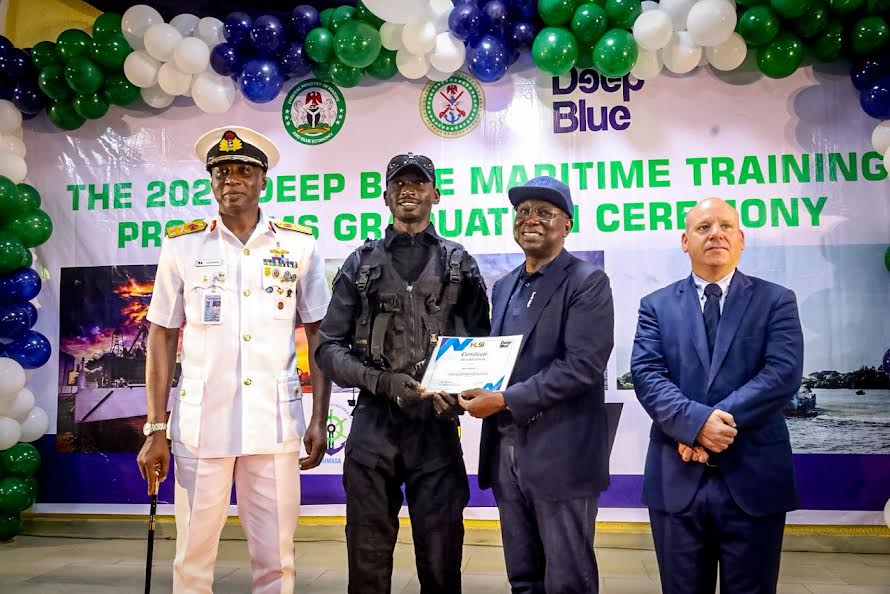
It is on record that the Gulf of Guinea accounted for the majority of global kidnappings at sea, earning a notorious reputation as the world’s piracy capital. However, the story is markedly different today. Nigeria, once the epicentre of maritime insecurity in the region, has recorded four consecutive years without a piracy incident in its territorial waters. Behind this remarkable turnaround lies a strategic alliance between the Nigerian Maritime Administration and Safety Agency, HLS International Services Limited and the Nigerian Navy, whose Deep Blue Project has become a continental benchmark for maritime security. Eromosele Abiodun writes
For years, pirates terrorised the Gulf of Guinea (GoG), the GoG was regarded as one of the world’s most dangerous maritime corridors. In 2017 and 2018 there were 33 and 45 piracy incidents respectively. Stretching from Senegal to Angola and accounting for a significant share of Africa’s maritime trade, the region became synonymous with piracy, armed robbery at sea, kidnapping of seafarers, oil theft and other maritime crimes.
At the epicentre of this challenge was Nigeria, whose vast coastline, strategic location and busy shipping lanes made its waters a preferred target for criminal networks. The consequences were severe. Shipping companies paid huge war-risk premiums, investors grew increasingly concerned about maritime security, and Nigeria’s image as a maritime nation suffered significant damage.