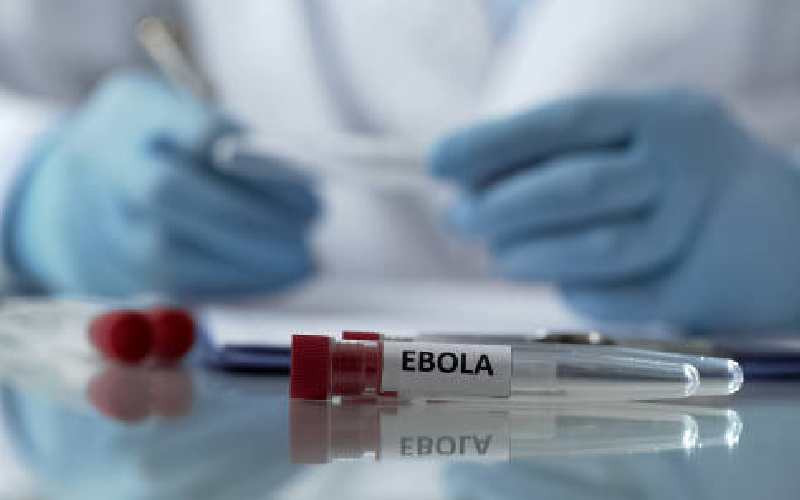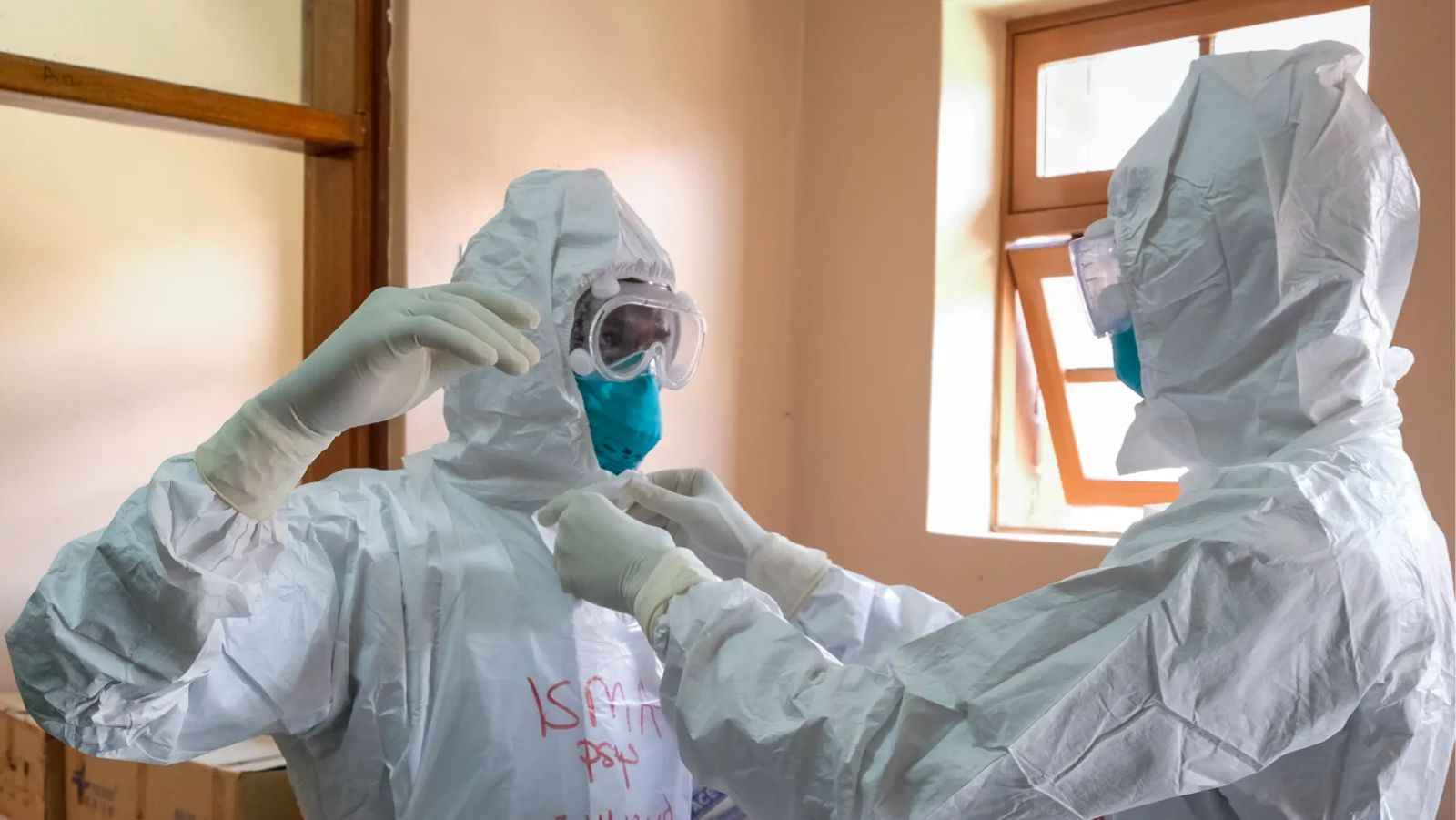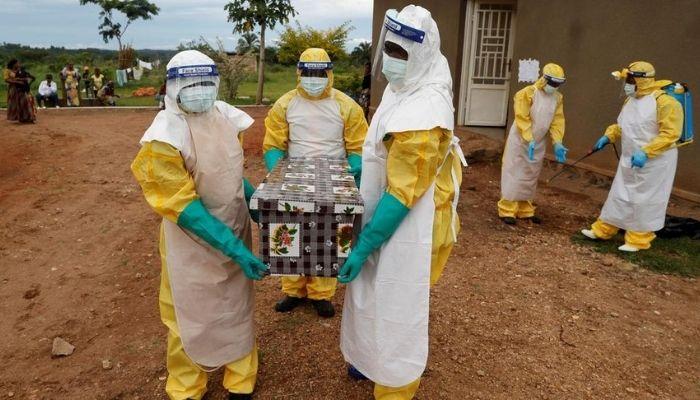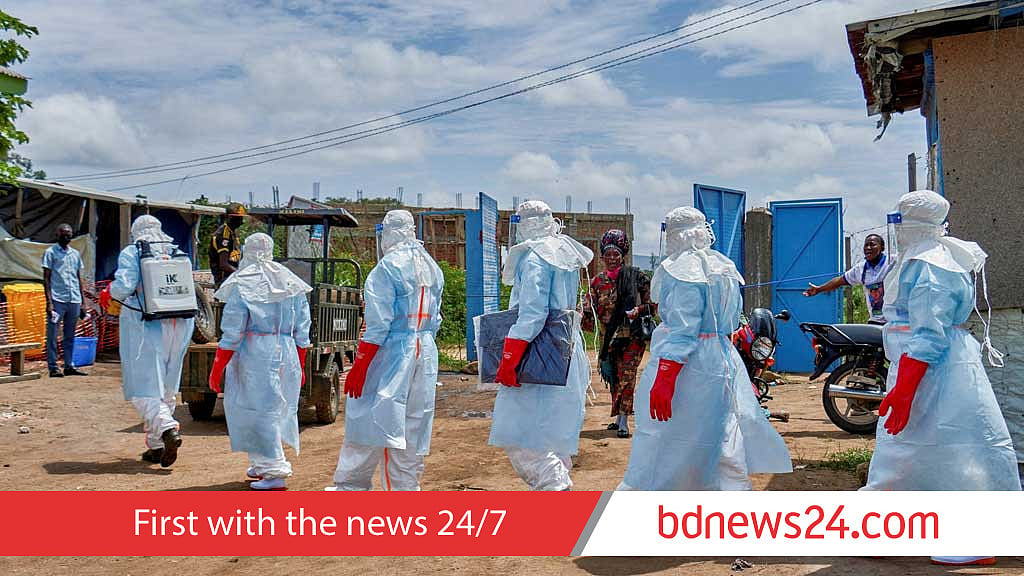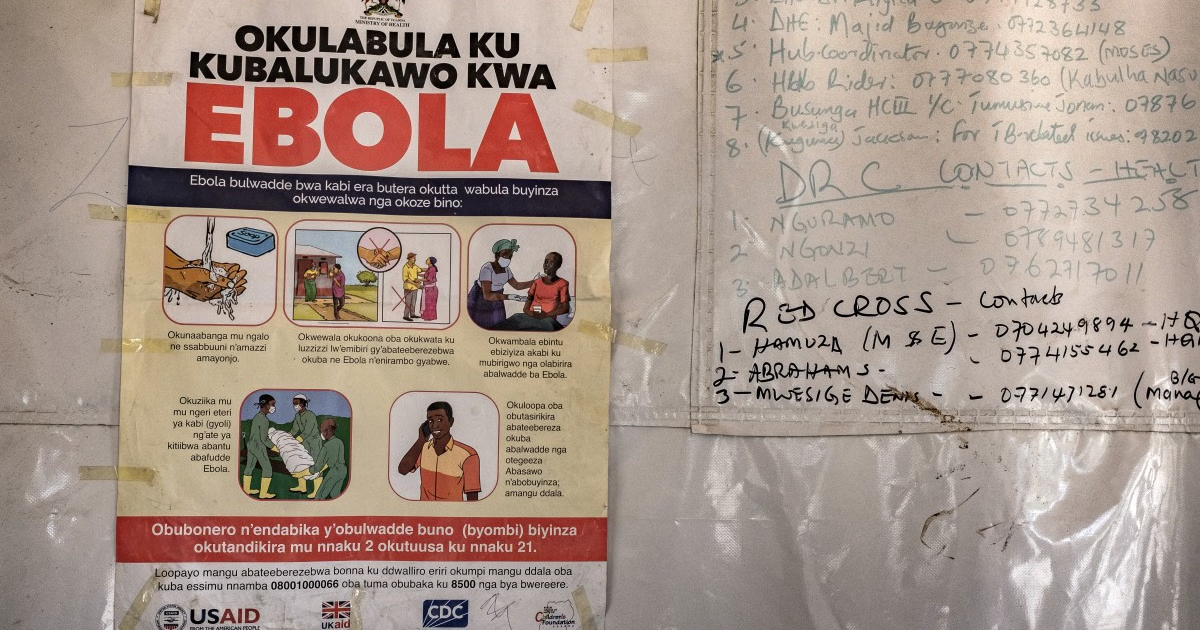
Gavi, the Vaccine Alliance, on Monday announced that it will make up to $50 million available through its First Response Fund (FRF) to support the response to the ongoing Bundibugyo ebolavirus outbreak, with the bulk of the funding earmarked to accelerate access to vaccines against the current strain.Gavi commits $50mn to support the response to Bundibugyo EbolaOf the total allocation, up to $40 million will be used to speed up vaccine development and access, while a further $10 million will support outbreak response efforts.“While we are some way off having a safe and effective vaccine against Bundibugyo virus, we need to act now to ensure that, once one or more vaccine candidates are ready, manufacturers are in a position to start producing doses at scale,” said Sania Nishtar, chief executive officer of Gavi.“Leveraging this allocation, Gavi will work closely with CEPI and partners to design the right incentives to achieve this goal, exploring all options including potential Advance Purchase Commitments. This effort, alongside ensuring emergency funds are on hand to support outbreak response and protect routine immunisation services in impacted communities, is exactly what our First Response Fund was designed for,” she added.The FRF is the only globally approved mechanism that allows “at-risk” financing for the large-scale production of vaccines still under development.According to Gavi, the $40 million surge financing will enable manufacturers of leading Bundibugyo vaccine candidates to commit to high-capacity production before regulatory approval. This is expected to ensure that investigational doses can be deployed rapidly if clinical trials demonstrate positive results. The alliance also plans to incentivise manufacturers to pursue the fastest routes towards World Health Organization (WHO) Emergency Use Listing (EUL) and Prequalification (PQ), key approvals needed for wider deployment during future outbreaks.“In the coming weeks, Gavi will finalise the design of a financial mechanism that leverages the $40 million FRF allocation in close partnership with CEPI, WHO, Africa CDC and UNICEF,” the organisation said in a statement. The mechanism could include Advance Purchase Commitments and will be tailored to the needs of individual vaccine candidates and manufacturers. Gavi said successful African vaccine makers may also receive accelerated support through its African Vaccine Manufacturing Accelerator (AVMA).In addition, Gavi will immediately release $10 million to support national outbreak response plans, including measures to protect routine immunisation services, safeguard healthcare workers and prepare countries for the eventual deployment of vaccines.At present, no vaccine is licensed against Ebola Bundibugyo. According to WHO, the most promising candidate is the single-dose rVSV Bundibugyo vaccine being developed by the International AIDS Vaccine Initiative (IAVI), though it is unlikely to be ready for efficacy trials for another seven to nine months.Another candidate, ChAdOx1 Bundibugyo, being developed by Oxford University and the Serum Institute of India, could be available for efficacy assessment within two to three months, although additional animal data are still required.WHO experts have also reviewed the potential role of Ervebo, the licensed Ebola vaccine approved for outbreaks caused by the most common Ebola virus species in Africa. However, Ervebo is not licensed for Bundibugyo disease, and evidence of protection against other Ebola virus species remains limited and inconclusive, the UN health agency said.
Gavi commits $50mn to support the response to Bundibugyo Ebola
Gavi will allocate up to $50 million to combat the Bundibugyo ebola outbreak, focusing on vaccine development and outbreak response efforts. | India News
522 words~2 min read