The MIROVA miss dampens prospects for Elahere's near-term label expansion into platinum-sensitive disease.
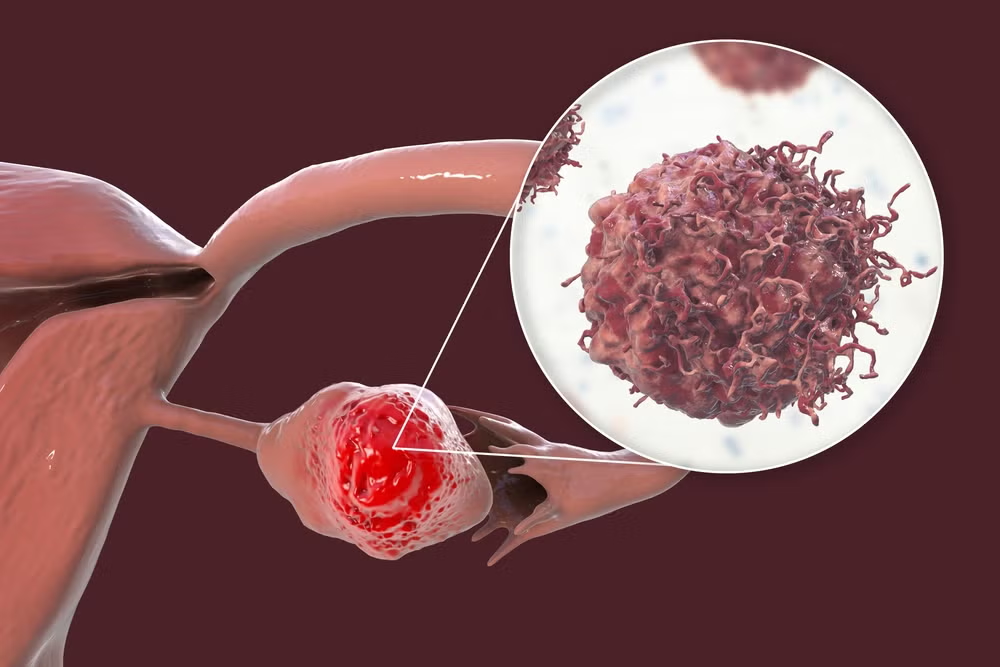
AbbVie’s Elahere (mirvetuximab soravtansine-gynx), a first-in-class folate receptor alpha (FRα)-directed antibody-drug conjugate (ADC), continues to gain momentum in ovarian cancer and is currently the only FRα-targeted ADC approved in platinum-resistant disease. Image credit: [Kateryna Kon]/Shutterstock.com
Platinum-sensitive ovarian cancer (PSOC) remains difficult to treat despite its responsiveness to mainstay platinum-based chemotherapies, as cumulative toxicities and diminishing treatment durability emerge with each recurrence. AbbVie’s Elahere (mirvetuximab soravtansine-gynx), a first-in-class folate receptor alpha (FRα)-directed antibody-drug conjugate (ADC), continues to gain momentum in ovarian cancer and is currently the only FRα-targeted ADC approved in platinum-resistant disease. New data from the Phase II MIROVA trial, presented at the American Society of Clinical Oncology (ASCO) Annual Meeting, held on 29 May –2 June, 2026, missed its primary endpoint, failing to show Elahere’s anticipated benefit in the platinum-sensitive patient population.
Elahere selectively binds FRα, which is overexpressed in approximately 70% of high-grade serous ovarian cancers, but is minimally present on healthy tissue. Once bound, the ADC is internalised and releases its cytotoxic payload of DM4 inside the tumour cell, thereby limiting damage to the surrounding tissue. This targeted delivery supports the favourable tolerability that distinguishes Elahere from conventional chemotherapy.