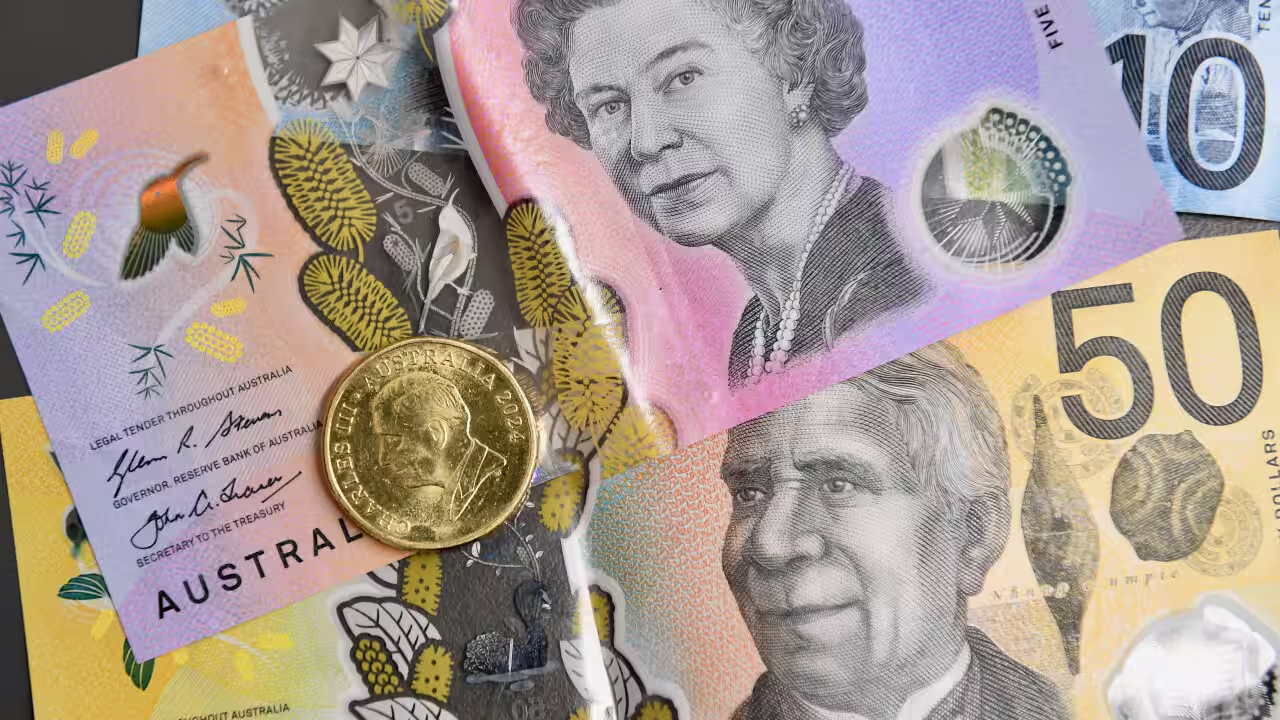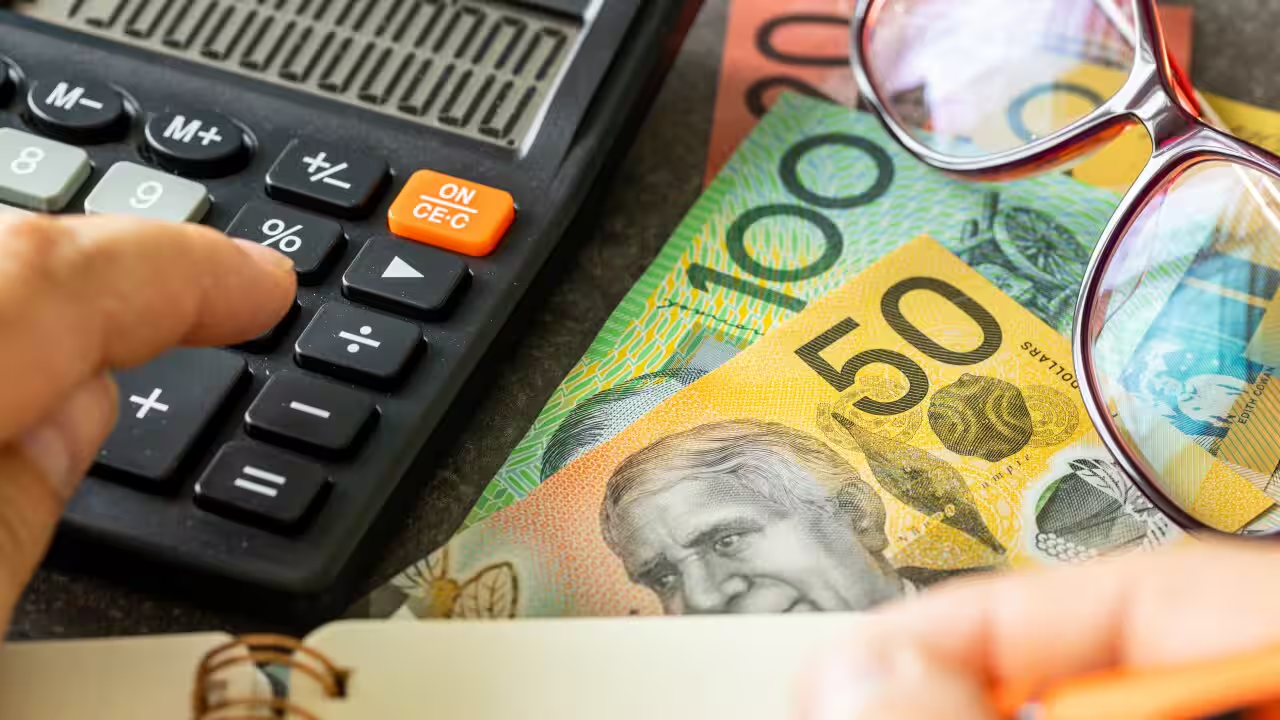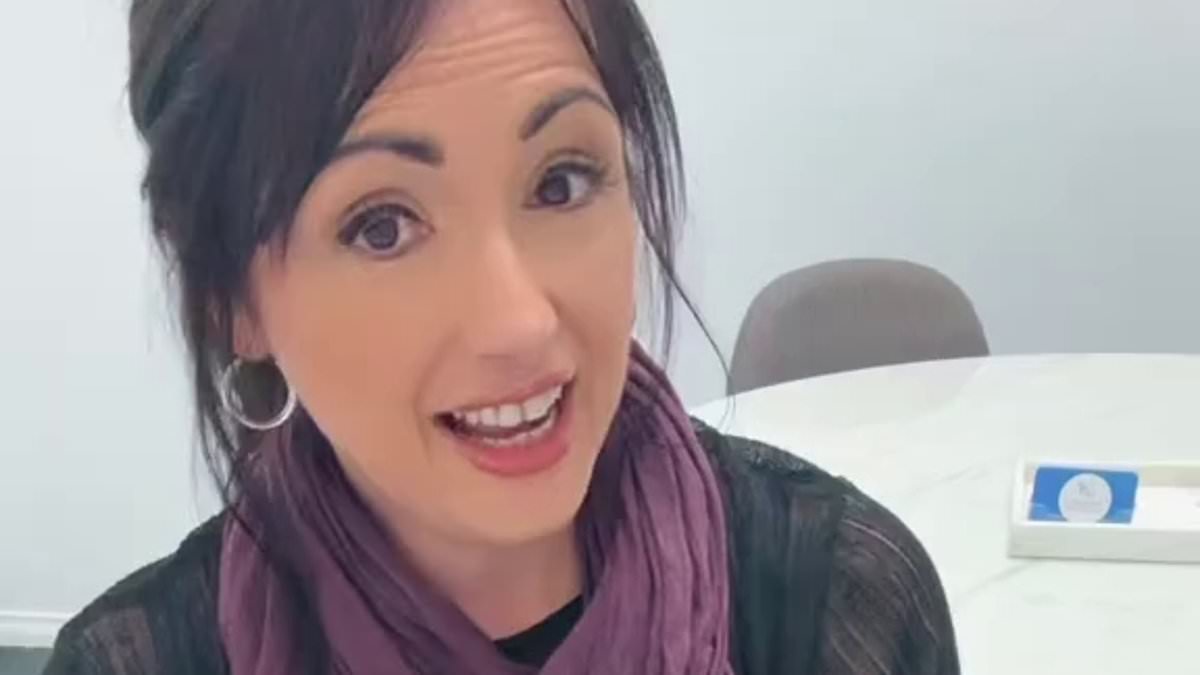
The tax office is warning Australians to stop claiming private expenses on their tax returns, with some attempting to claim baby expenses, personal gifts and meal deliveries as work-related.More than 10 million Australians have claimed about $31 billion worth of work-related expenses in their 2024-25 tax returns so far, many relating to working from home.The average claim made by taxpayers was $3,100.The Australian Taxation Office (ATO) is using data matching, analytics and artificial intelligence to understand taxpayer behaviour and identify red flags.ATO assistant commissioner Anita Challen said each year the agency got unusual claims that they had to reject."We have seen a claim for $17,000 of baby expenses, for tiny winter clothes, or medical expenses, all very important but not something that goes into your tax return," Ms Challen said."We've also seen a taxpayer look to claim $20,000 that they gifted to a family member as a tax deduction — definitely a no-go zone in terms of putting that in your tax return.Ms Challen said the smaller inappropriate claims included people working from home claiming food delivery for a virtual morning tea they were having with their team."We've also seen [claims for] the Christmas shirt and novelty T-shirts and things like that for the Christmas party. They are all private expenses and not to be put in your tax return."Ms Challen said each year, the same common errors were made by taxpayers."That includes incorrectly claiming work-related expenses, working from home deductions, and another one is under-declaring the income that you've earned," she said."A good example of that is where you may have had multiple jobs and you might not have captured all of the employment income in your tax return."She reminded taxpayers that income is not always cash and money."It can come in kind, it can come [in] gifts, and you need to ensure that all of that is covered and included in your tax return," she said.Anita Challen says common mistakes are made at tax time. (ABC News: Darryl Torpy)Working from home? Don't claim private portion of billsMs Challen reminded taxpayers that when it comes to claims for working from home, "that excludes things like just checking a few emails in the morning or late at night"."Make sure that you incurred additional expenses as a result of working from home," she said.She said bills for items like internet, phone usage or electricity needed to be properly apportioned."You do need to make sure that you're excluding the things that may be used for private purposes, like the kids using all your downloads or streaming services," Ms Challen said.Taxpayers need to exclude personal uses, such as streaming for leisure, from work-related internet claims. (Unsplash: Glenn Carstens-Peter)Two methods of claiming WFH deductionsThere are two methods for claiming expenses related to working from home — the "fixed cost" or "actual cost" method.The fixed rate method is simpler and covers multiple expenses, while the actual cost method requires more detailed record-keeping but can potentially yield higher deductions for some people. It is best to check with an accountant or tax adviser on what would suit your individual circumstances.Australians working from home need to apportion expenses between work and those of a private nature. (Unsplash: Firosnv. Photography/CC licence)The fixed rate method allows taxpayers to claim 70 cents per hour worked from home.It provides for expenses such as electricity and gas, phone and internet bills, and stationery and computer consumables such as printer and ink.To use the fixed rate method, taxpayers need detailed records of actual hours worked from home across the income year, which the ATO website says can include time sheets, spreadsheets, diaries, or employer rosters. And you will need at least one record for each of the additional running expenses you incur that the rate per work hour includes. For example, if you incurred electricity and stationery expenses, keep one quarterly bill for your electricity expenses and one receipt for your stationery expenses.The fixed rate method's advantage is its simplicity. By applying a flat rate per hour, taxpayers can possibly avoid complex calculations and detailed expense tracking.However, the fixed rate method excludes high-value home office equipment or office furniture and technology depreciations, which must be claimed as a separate deduction.Also, under fixed rate, taxpayers can't claim additional deductions for expenses already covered by the fixed rate, such as internet bills or energy expenses, in their tax return.The actual cost method requires taxpayers to calculate the exact work-related portion of all their working from home expenses. Under this method, people can claim the work-related portion of electricity, gas, internet, and phone bills, as well as the decline in value (depreciation) of office equipment, and office furniture and cleaning costs (if they have a dedicated space).This method can potentially result in higher tax deductions for those with significant working from home expenses. For example, a business owner with a dedicated home office may be able to claim portions of occupancy expenses (like mortgage interest, rent, land taxes, and house insurance premiums) if their home is their principal place of business.But the actual cost method requires far more detailed record keeping.The ATO website says for the actual cost method you will need to have a diary or similar record of the hours/days you worked from home, all receipts, bills, and documents that show exactly how much you spent, and documentation detailing how you calculated the "work-related" split.Again, check the ATO website and/or speak to an accountant about what suits your circumstances best.Car-related expenses, travel and clothing claimsCar-related travel made up the bulk of work-related expense claims. In 2024-25, 3.9 million people claimed about $11.9 billion in car expenses."Generally speaking, employees who are just sort of travelling from home to work and work to home can't claim their car expenses — that is considered a private expense," Ms Challen said."Where you can claim, this year the rate is still 88 cents per kilometre, up to 5,000 kilometres."Car-related travel makes up the bulk of work-related expense claims each year. (Supplied: Pexels)Travel expenses, clothing and self education are other items people claim big on, with $7 billion claimed so far for the 2024-25 year."It's important to note that generally speaking, expenses such as ordinary clothes and private expenses aren't something that you can include in your tax return," Ms Challen said."You do need to show a direct connection to the income that you're earning. And in some instances, even if your employer requires you to purchase certain clothing, it may not be deductible."So it's always good just to check and make sure that the deductions you're claiming are correct for the type of employment that you have."Investors renting out properties under watchIn their 2024-25 tax returns, 2 million individual investors claimed rental tax deductions.This resulted in an average net rental loss of $1,290, compared to an average net loss of $1,190 the year before.Ms Challen said common mistakes included people claiming private loans as investment loans."It is important when it comes to rental properties to make sure that you're only claiming those deductions that are relevant to the income you're producing through that property."Investors with rental properties and holiday homes are, once again, on the ATO's radar. (ABC News: Monish Nand)Ms Challen also cautioned property investors to take care to understand the difference between repairs and improvements."For example, if you've got a leaky pipe in your bathroom and you're looking to fix that, and that turns into a more significant renovation where you want a new shower or a bath and a new sink," she said."Of course, you can claim the costs associated with fixing the leaky pipe, but the rest might be more of a capital claim that you need to get more information on and different rules apply."Hundreds of thousands buying and selling cryptoHundreds of thousands of Australians buy and sell cryptocurrencies every year, and Ms Challen said many still did not keep any records."They are treated the same as other assets such as shares, property or gold," she said."It means that when you dispose of cryptocurrency, you do need to declare either the gain or loss that you make in terms of that sale."And, at the very least, if you own crypto, you need to know the time, date and the amount that's relevant to the sale of your cryptocurrency."A good tip is you can actually transfer some of the transaction information and schedule that on a quarterly basis, just so you don't miss those records that you may find useful later on."Australians who buy and sell cryptocurrency will need to properly declare it on their tax returns. (AP: Rick Bowmer/File)How the ATO uses data matching and AI to identify red flagsThe ATO continues to use data matching, analytics and artificial intelligence to understand taxpayer behaviour and identify red flags.It uses income data from banks, state revenue offices, land titles offices, motor vehicle registries, insurance companies, share registries, ASIC, PayPal, eBay, Uber, Airbnb and crypto asset exchanges.This information allows the ATO to pre-fill tax returns and ensure taxpayers correctly declare their income. It also allows the agency to identify cases of fraud.In last year's lodgements, more than 555,000 individual tax returns were adjusted in its data-matching programs before issuing tax assessments.Ms Challen said the agency also used artificial intelligence to better understand taxpayer behaviour and give real-time alerts."For example, if a tradie was looking to claim chef knives, that would probably be a bit of a red flag for us, she said."What you might see when you're lodging your tax return is we try [to] nudge you and prompt to tell you that something's looking a little bit off."She said those alerts were a good opportunity to "just pause and check and make sure you're comfortable with what's in your tax returns"."Importantly, when we do use AI, there's always human oversight to ensure that we get it right, especially when there is an adverse impact to taxpayers," she said."And in all instances, regardless of the technology that we use, taxpayers have rights of review if they are concerned with any of the outcomes."Ms Challen also reminded taxpayers not to lodge too early, noting that if they hold fire, much of their tax return will be pre-filled by the ATO."If you wait until the end of July to lodge your tax return, it'll be much, much easier for you when it comes to lodging this tax time," she said."[Also] make sure that you pause and check the information before putting it in your tax returns."There is a lot of misinformation available through AI, social media platforms, and also well-meaning friends and family."This article contains general information only. You should consider obtaining independent professional advice in relation to your particular circumstances.
Baby items, meal deliveries: ATO warns taxpayers to stop 'unusual' claims
The Australian Taxation Office (ATO) is warning Australians to stop claiming private expenses on their tax returns. The agency gives its tips this tax time, including the dos and don'ts of claiming work-related expenses and investment losses.
TL;DRAI
ATO flags $31B in improper deductions via AI data matching across 10M+ Australian taxpayers; violations include $17K baby expenses, personal gifts, and meal claims. Signals tax agencies' shift to AI-based compliance enforcement; automated detection scales audit capacity without proportional staff expansion.
1,773 words~8 min read