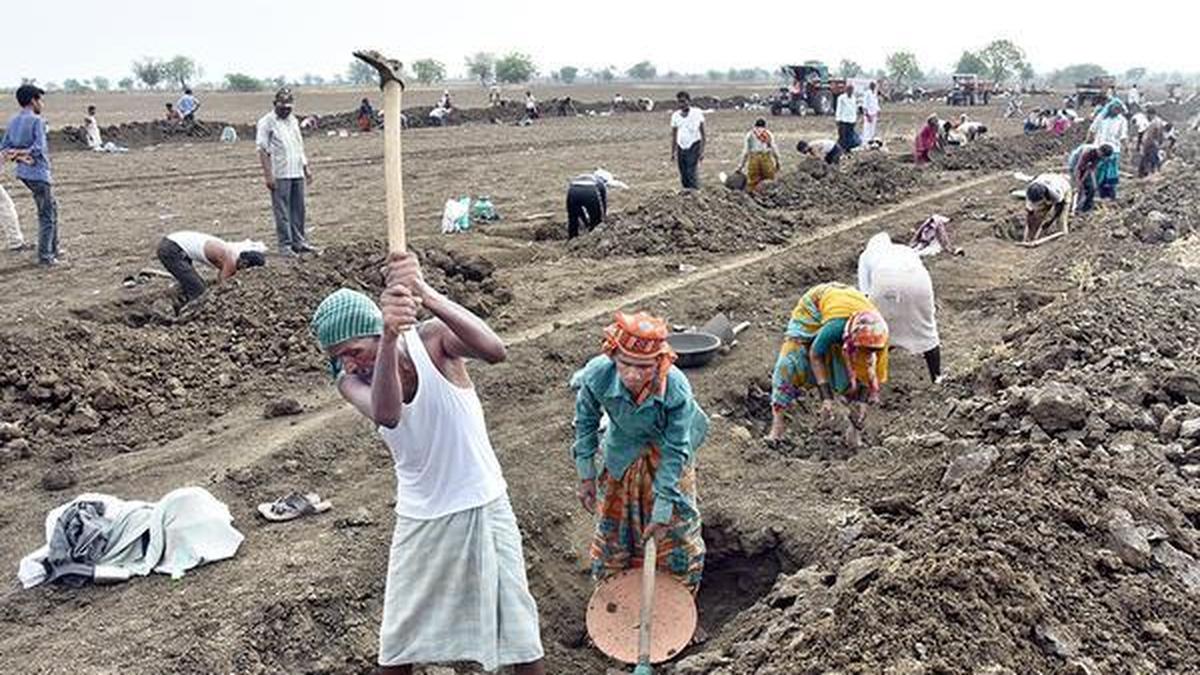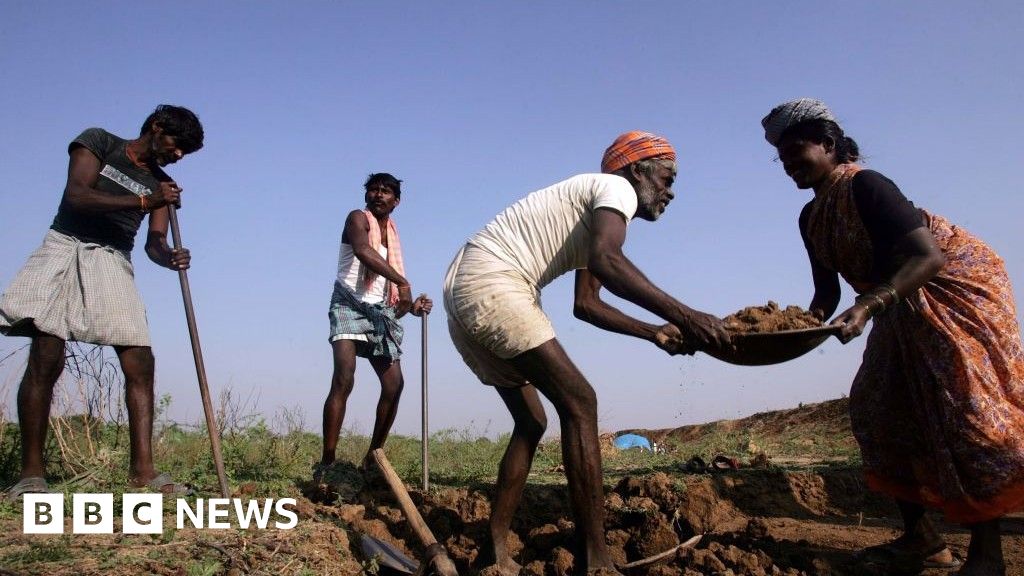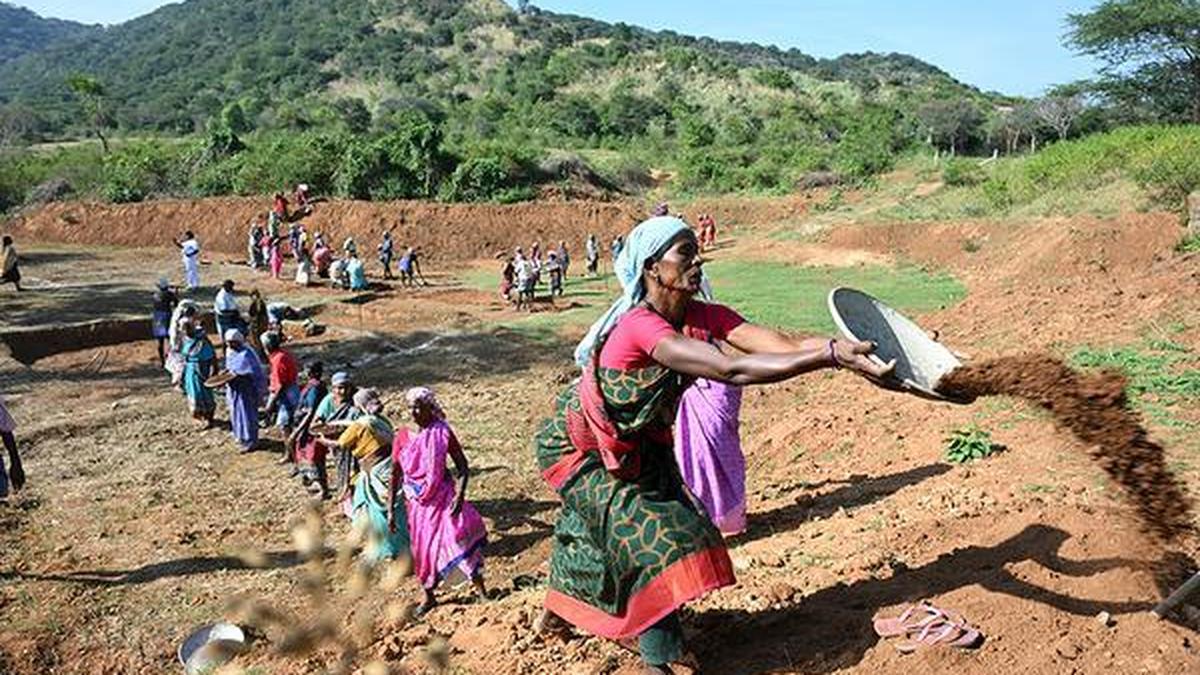
New Delhi: Demand for work under the Mahatma Gandhi National Rural Employment Guarantee Scheme (MGNREGS) dropped sharply in May from a year before, weeks before it is to be replaced by a new programme.The demand outlook for such work for the coming months also remains cloudy, given the forecast of a below-par monsoon season that usually drives a large number of farm labourers to seek job opportunities elsewhere, said a senior official.About 27.44 million people sought the usually unskilled work under MGNREGS in May, down almost 28% from a year earlier, according to preliminary data compiled by the rural development ministry, pointing to the resilience of the rural economy so far amid the West Asia war.The number of households that the job seekers represented in May, too, declined nearly 28% from a year earlier to 20.50 million.With this, demand for MGNREGS work moderated for 11 months in a row from a year before. This reflects buoyant economic activities that usually open up better-paying job opportunities in industrial and other sectors, experts said.The country has remained the world's fastest-expanding major economy, having witnessed 7%-plus growth rates since FY22, despite external headwinds. However, the Iran war that started February 28 and the consequent surge in oil prices have now threatened to impact growth in the current fiscal year.The government has proposed to roll out the Viksit Bharat Guarantee for Rozgar and Ajeevika Mission (Gramin) from July 1, replacing the current job programme. The new legislation goes beyond just being an employment guarantee law and has a broader mandate to further bolster rural jobs and infrastructure.In May, Andhra Pradesh led the pack of the states with high MGNREGS job seekers (3.48 million), followed by Bihar (2.30 million), Rajasthan (2.10 million), Telangana (2 million), Tamil Nadu (1.44 million), Chhattisgarh (1.34 million) and Maharashtra (1.17 million).
Demand for MGNREGS work down 28% in May
Demand for MGNREGS work saw a significant drop in May compared to last year. This comes as a new program is slated to replace the current scheme from July 1. Preliminary data shows a nearly 28% decrease in job seekers. Experts attribute this moderation to buoyant economic activities offering better job prospects in other sectors.
301 words~1 min read