The study found that 42% of the existing coverage is concentrated in residential areas, while commercial zones, where higher traffic volumes contribute to greater dust resuspension, remain relatively underserved.
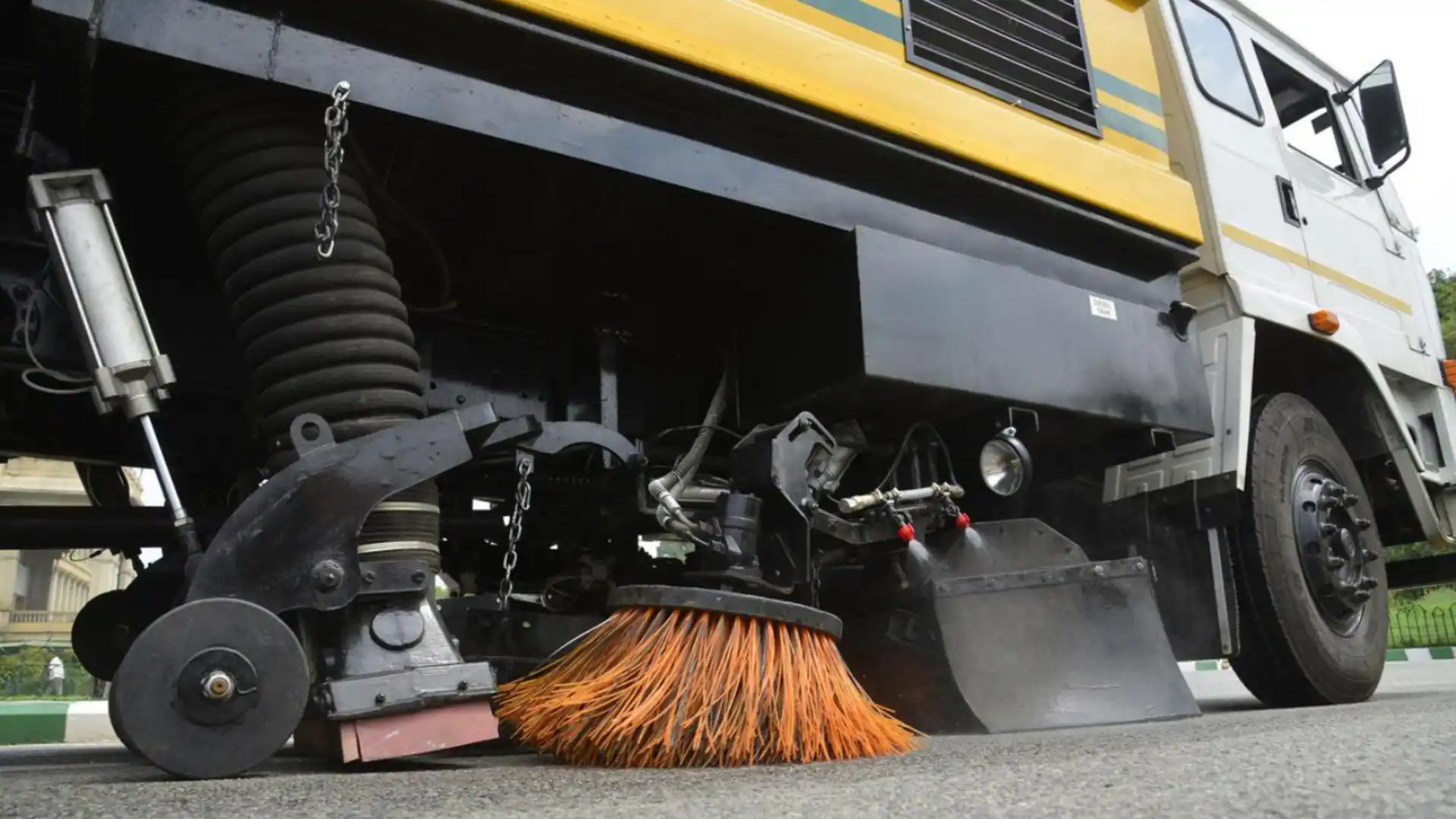
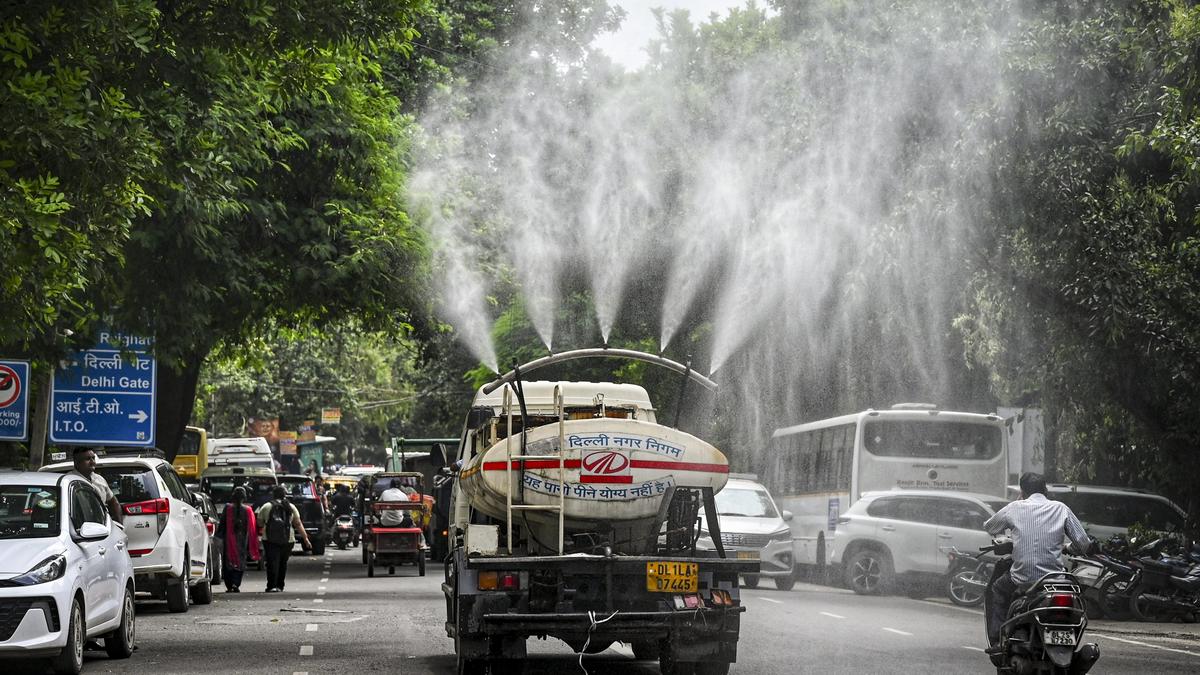
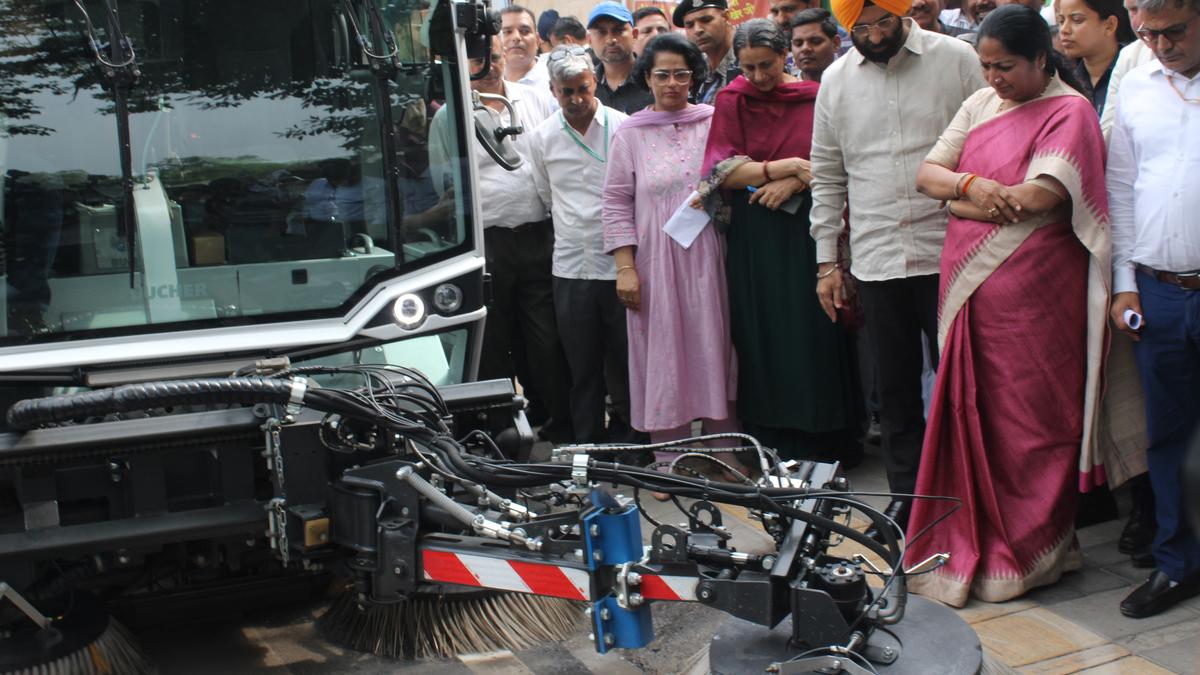
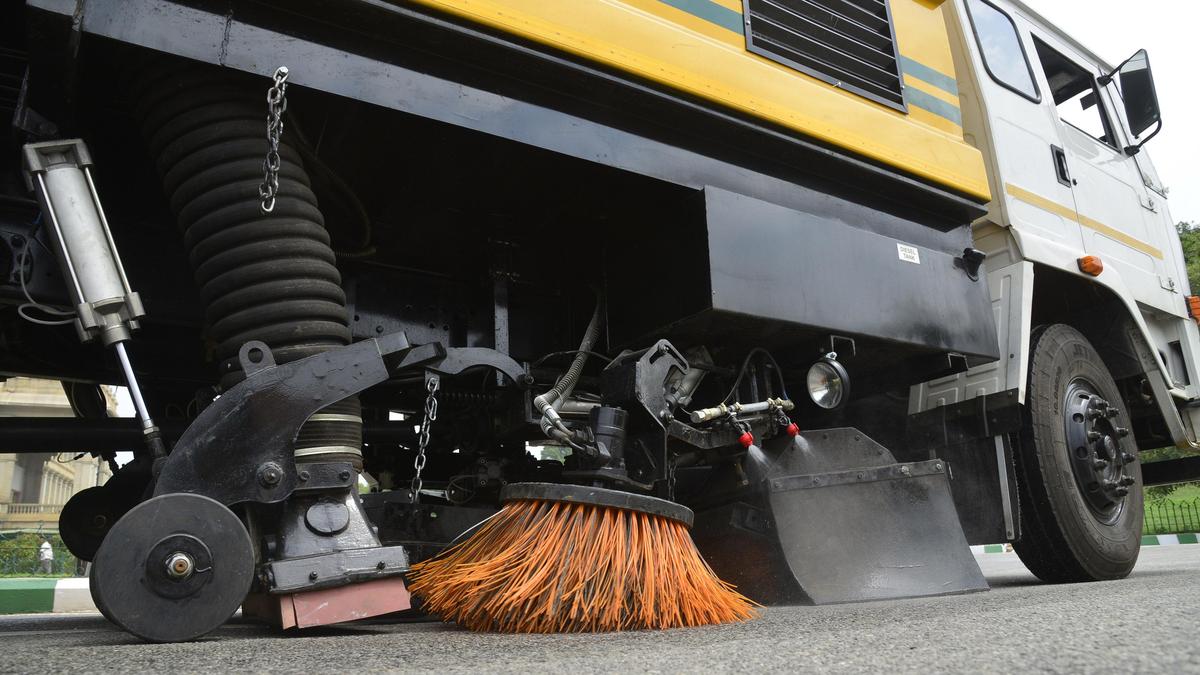
Delhi’s mechanical road-sweeper machines (MRSM) currently benefit only 18% of the city’s population, according to a recent study by the Council on Energy, Environment and Water (CEEW), which stated that future expansion should prioritise dust-pollution hotspots. MRSMs are deployed as part of Delhi’s air-pollution control programme to reduce road dust. According to the research group, “52 operational MRSMs collectively sweep nearly 1,200 km of road in Delhi. CEEW mapped a 50-metre buffer around these routes to calculate the population in the immediate vicinity. A 50 m buffer was chosen as coarse resuspended particles that the MRSMs remove do not disperse more than 30–50 m. The analysis shows that only around 18 per cent of Delhi’s population — approximately four million people out of approximately 22 million — currently benefit from MRSM operations.” The study also found that 42% of the existing coverage is concentrated in residential areas, while commercial zones, where higher traffic volumes contribute to greater dust resuspension, remain relatively underserved. “The current deployment of MRSMs is determined by Right-of-Way norms alone, with no prioritisation based on observed levels of dust pollution,” the study stated. The Delhi Pollution Control Committee has identified 13 pollution hotspots, 10 of which cite dust as a major pollutant. These include Anand Vihar, Ashok Vihar and Mundka. Aligning MRSM routes with such hotspots will improve the effectiveness of the programme, the study said. “Delhi’s planned MRSM expansion reflects a genuine commitment to tackling one of the city’s most persistent air quality challenges, and the CAQM norms are technically sound. However, an expanded fleet operating under the same logic as the current 52 machines may not deliver optimum improvement. The success of this expansion hinges on how routes are planned, how waste is handled, and how road conditions are maintained,” stated the CEEW. Published - June 02, 2026 12:00 am IST