Art theft is, by most measures, a terrible crime to commit. The black market for stolen masterworks is far thinner than Hollywood suggests, the objects are nearly impossible to sell openly, and law enforcement agencies in dozens of countries maintain databases of looted works that make resurfacing a Rembrandt a long-term risk calculation. And yet it keeps happening. The FBI estimates that art and cultural property theft generates somewhere between $6 billion and $8 billion in illicit proceeds annually, placing it among the most lucrative categories of international crime alongside drug trafficking and arms dealing.
What makes art heists so persistent — and so endlessly discussed — is the gap between what thieves apparently expect and what they get. The fantasies are cinematic: a masterpiece fenced to a secretive billionaire, or held for ransom against a museum too embarrassed to call the police. The reality is more often a stolen painting rotting in someone's attic for decades while the thief waits for a buyer who never comes. Of the roughly 50,000 artworks stolen each year worldwide, only a fraction are ever recovered. The rest disappear into legal limbo.
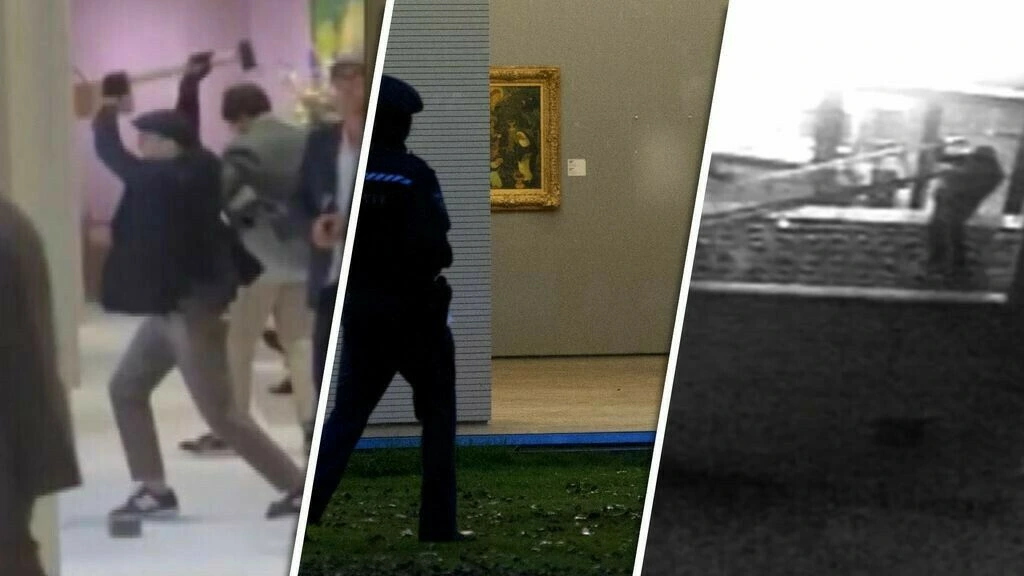
But the methods behind the thefts themselves are genuinely worth examining. Art museums are, paradoxically, designed to be open — to let millions of strangers wander past irreplaceable objects every year. Security systems must balance deterrence with accessibility, and that tension creates vulnerabilities that thieves, whether opportunistic amateurs or organized professionals, have exploited in ways both elaborate and embarrassingly simple. Some heists involved months of reconnaissance. Others took less than ten minutes and relied on nothing more than a ladder and an unlocked window.