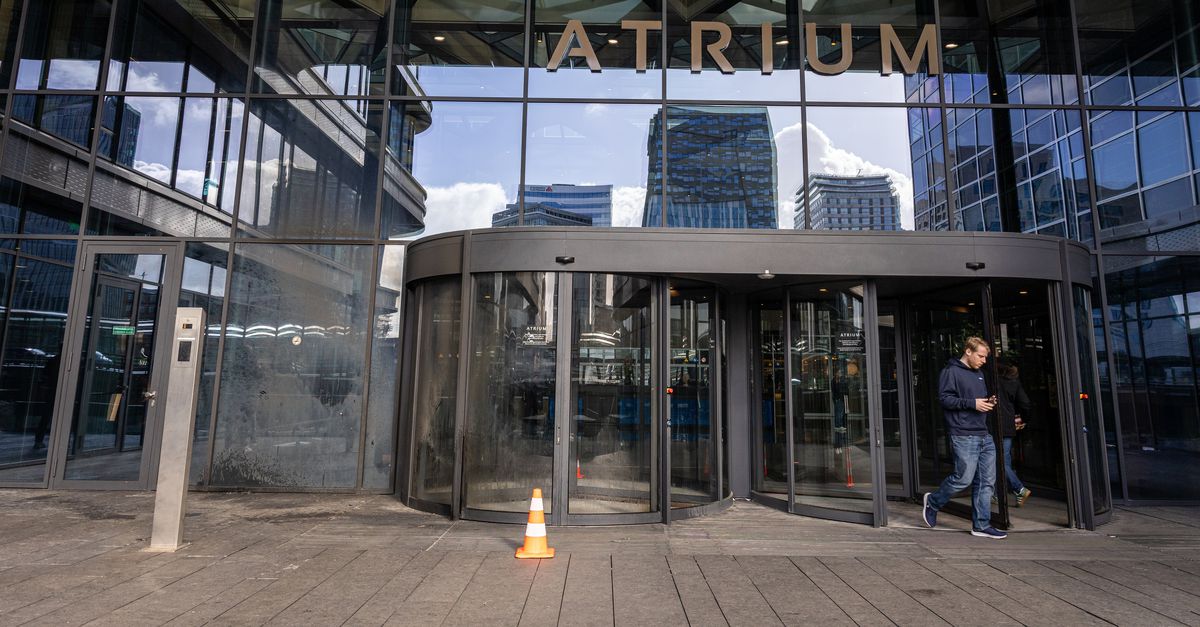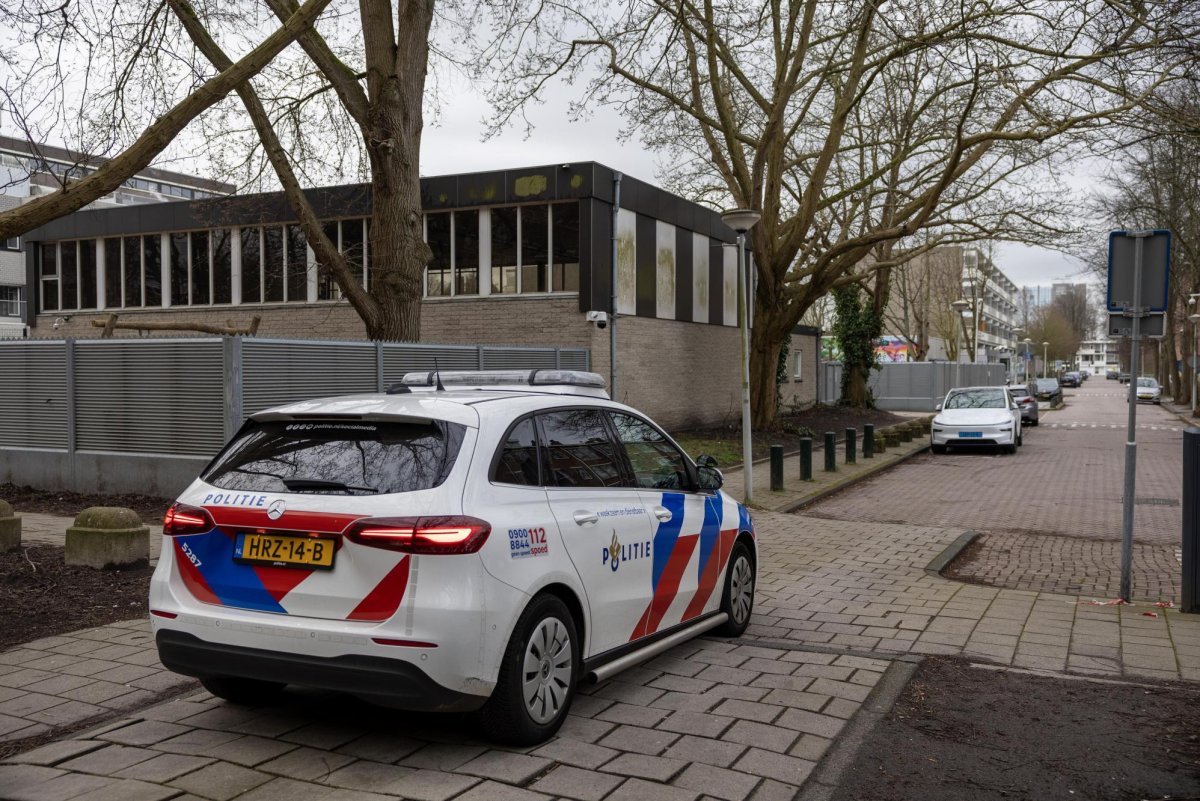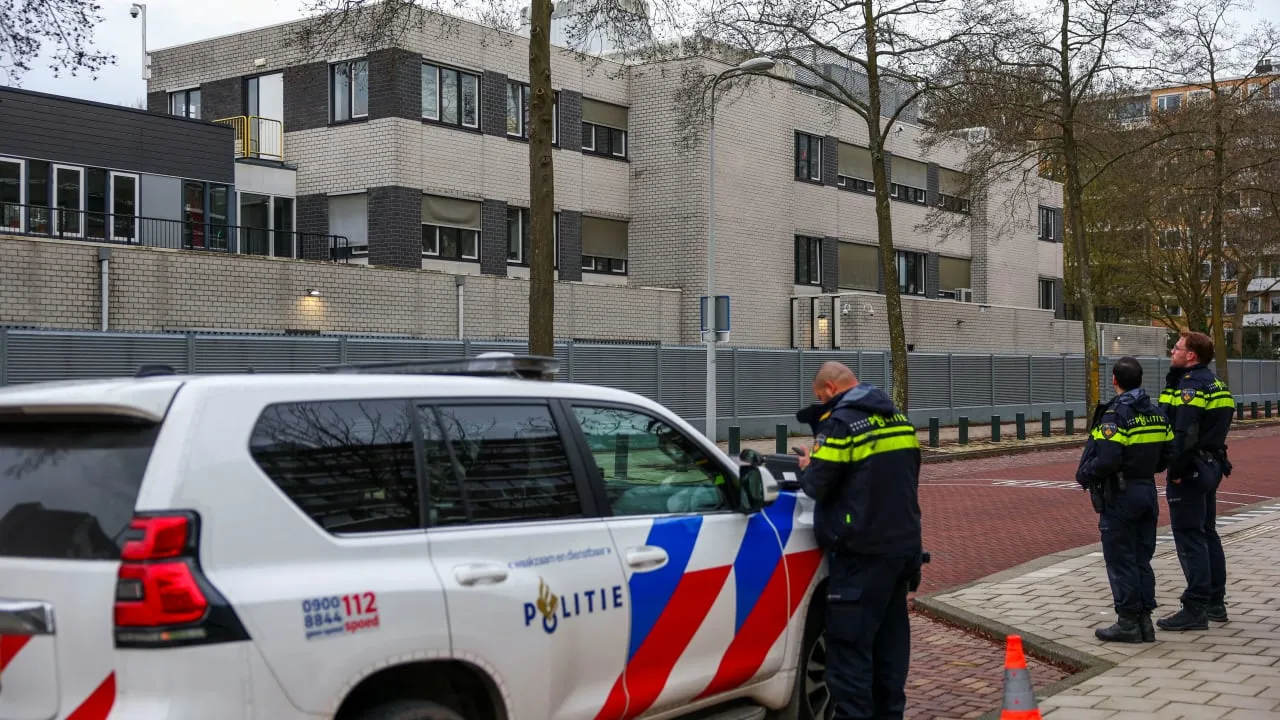
In 2025, the Dutch Public Prosecution Service recorded 46 antisemitic criminal discrimination cases, representing 26% of all registered discrimination offenses.Follow us on GooglePolice officers stand outside a Jewish school following an explosion that caused minor damages, in Amsterdam, Netherlands, March 14, 2026.(photo credit: REUTERS/PIROSCHKA VAN DE WOUW)ByMATHILDA HELLERJUNE 1, 2026 19:54The new Dutch antisemitism monitor recorded 281 antisemitic incidents in 2025, down from the post–October 7 peak of 421 incidents in 2024 but still dramatically higher than pre-war levels.This is according to a new 100-page report by the Center for Information and Documentation Israel (CIDI) on Dutch antisemitism in 2025.In 2025, the Dutch Public Prosecution Service recorded 46 antisemitic criminal discrimination cases, representing 26% of all registered discrimination offenses.This means that more than a quarter of all discrimination offenses in 2025 were directed at a minority that makes up only 0.3% of the Dutch population.There were several incidents of real-life threats of violence. On February 4, 2025, a Jewish school received an email threatening to shoot three pupils. On 17 April, a man was told in the supermarket, "You look like a cancerous Jew. I'm going to chop your head off." One Jewish institution reportedly received almost daily emails from the same individual.Protesters take part in a demonstration organized by the Palestinian community in the Netherlands against hunger and the numerous deaths in Gaza, on Dom Square in Utrecht on August 3, 2025 (credit: Ramon van Flymen / ANP / AFP) / Netherlands OUT (Photo by RAMON VAN FLYMEN/ANP/AFP via Getty Images)There was also a striking increase in antisemitic incidents at demonstrations: from one report in 2024 to eight in 2025.These incidents predominantly occurred at anti-immigration protests and at protests surrounding the war between Israel and Hamas. For example, during a demonstration in May 2025 in The Hague, signs were seen comparing the Gaza war to the Holocaust and equating Israel with Nazi Germany.Researchers in general found that traditional antisemitic conspiracy theories are increasingly being repackaged using the word "Zionist" instead of "Jew." This serves as a replacement label through which the same discriminatory messages are spread.The report also identified Holocaust analogies as a major trend in Dutch antisemitism. For example, Anne Frank depicted as a Palestinian victim, or Gaza described as "the new Warsaw Ghetto."CIDI argues that these comparisons trivialize the Holocaust and shift Jews from victims to alleged perpetrators.Nuanced shift towards the de-Judaization of the HolocaustRegarding the Holocaust, CIDI noted a nuanced shift towards the de-Judaization of the Holocaust. For example, media coverage and public statements surrounding Holocaust commemorations increasingly referred simply to "millions of victims" or "millions of people," without explicitly stating that these victims were Jews.Non-Jewish institutions are increasingly hesitant to cooperate with Jewish orgs.CIDI also explored how increasing antisemitism impacts Jewish visibility. It found that wearing a kippah or Star of David can attract negative reactions, and so many feel they must hide these symbols. It also found that Jewish organizations struggle to find venues, and non-Jewish institutions are increasingly hesitant to cooperate with Jewish organizations because of security concerns.CIDI recommended that the Netherlands tackle societal antisemitism by adopting the International Holocaust Remembrance Alliance (IHRA) working definition of antisemitism as a guiding framework, increasing police and prosecutorial resources devoted to antisemitic offenses, and criminalizing discrimination based on nationality to better protect groups, including Israelis.Researchers did, however, warn that the above data might be misleading due to the phenomenon of "reporting fatigue" and a shift toward forms of antisemitism that are harder to classify and track."People increasingly doubt the usefulness of filing a report or complaint and more often feel that nothing will be done about it," the report read, adding that some fear that reporting an incident may instead create more problems.""The registered incidents in this Monitor are therefore only the tip of the iceberg," the report concluded.Follow us on Google
Dutch Jew-hatred goes under-reported due to fatigue, new report says | The Jerusalem Post
In 2025, the Dutch Public Prosecution Service recorded 46 antisemitic criminal discrimination cases, representing 26% of all registered discrimination offenses.
TL;DRAI
Dutch prosecutors recorded 46 antisemitic cases in 2025—26% of discrimination—for just 0.3% of the population. A CIDI report flags 'reporting fatigue' and harder-to-classify variants, suggesting the 281 incidents are only a fraction of actual antisemitism.
636 words~3 min read