As Europe and the Indo-Pacific confront an era of cyber conflict, cognitive warfare, and growing geopolitical pressure, Taiwan and Poland increasingly find themselves on parallel frontlines.
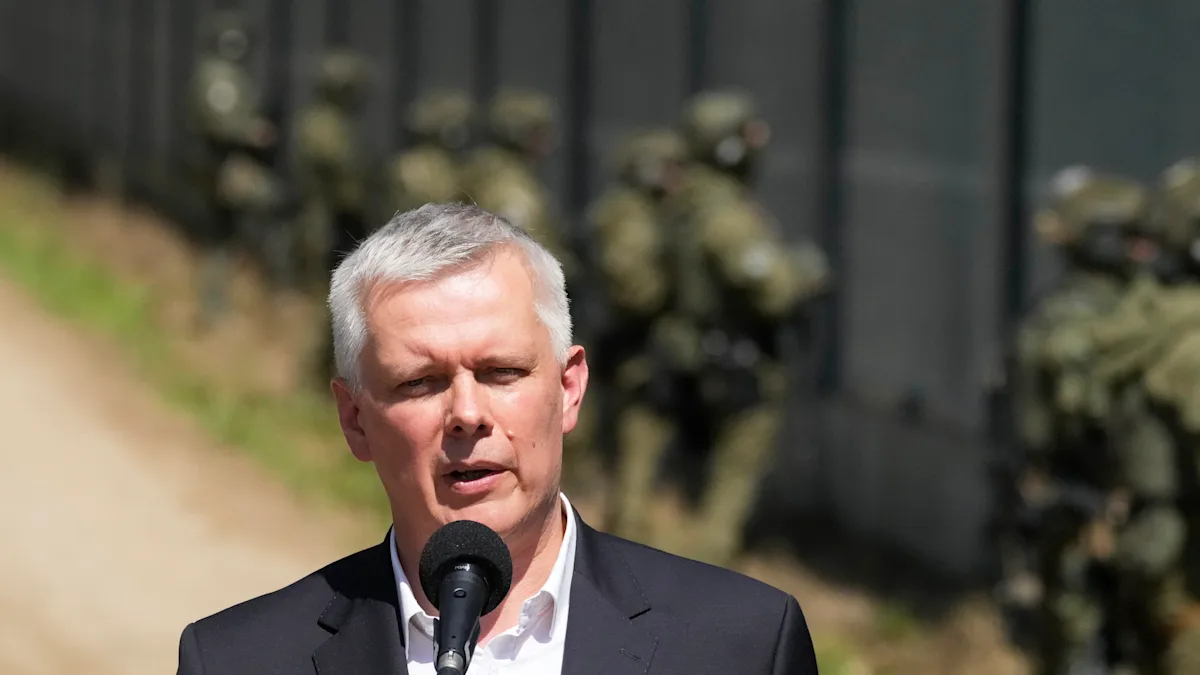
In this interview with Antoni Lukasik, Professor Aleksandra Gasztold of the University of Warsaw discusses what East Asia and Eastern Europe can learn from one another about democratic resilience, hybrid threats, AI-driven security, and the future of modern conflict.
Gasztold recently completed a research stay in Taiwan focused on cybersecurity, cognitive warfare, and crisis governance. She specializes in security studies, counterterrorism, radicalization, and cyber threats, and serves as editor-in-chief of the international journal Applied Cybersecurity & Internet Governance.
Taiwan is often described as one of the world’s most resilient democracies under growing external pressure. Arriving in Taipei as a security researcher from Poland, what struck you most immediately about the atmosphere here?
What struck me most in Taiwan was the remarkable sense of normality under constant pressure. Taiwan exists in what could almost be described as a permanent low-intensity siege. It is on the frontline of geopolitical competition in the Indo-Pacific region, yet everyday life continues with extraordinary resilience.