AI-assisted development is changing more than how fast teams ship code. It is changing the shape of risk.
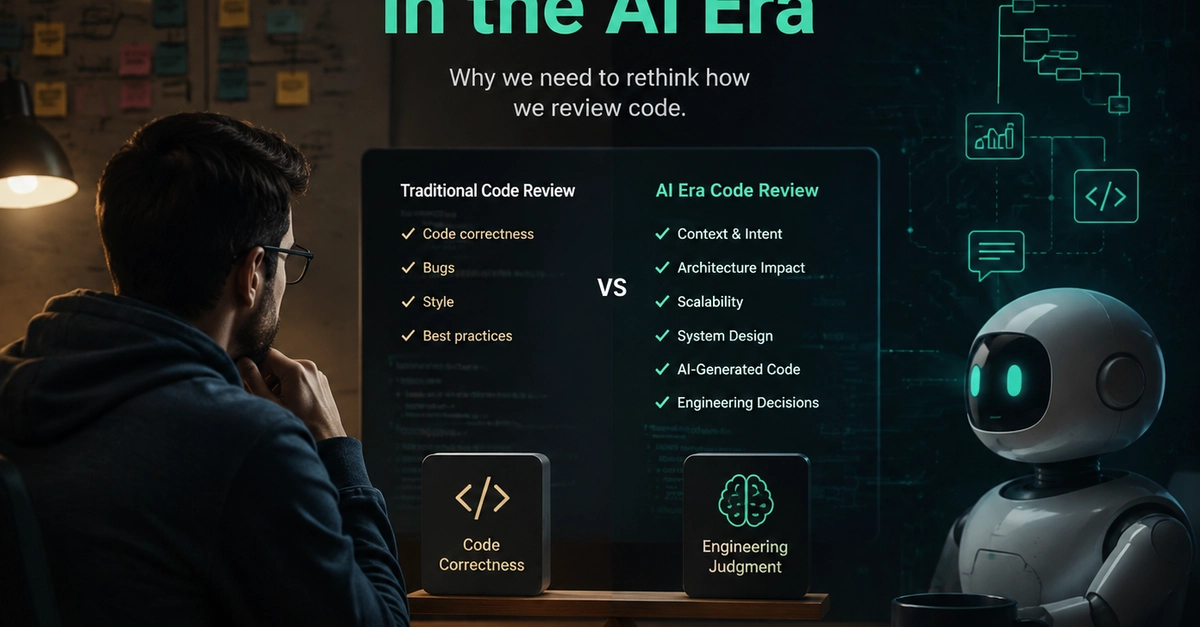
When a developer can generate a component, a test, or even a small feature in minutes, the old assumptions around review and coverage start to break down. The question is no longer just, "Did we write enough tests?" It becomes, "Do we understand what the code is doing, what the test is actually proving, and where the system may be guessing?"
That shift matters for QA engineers, developers, and platform teams alike. AI can be a useful multiplier, but it can also create a false sense of confidence. The teams that do well with AI-assisted development are usually not the ones that automate the most. They are the ones that make test intent, traceability, and reliability more explicit.
AI changes the meaning of coverage
Traditional coverage conversations often focused on lines, branches, and a rough sense of feature completion. Those numbers still have value, but they do not tell the whole story when code is AI-generated or AI-assisted.