In our age of Three-Letter Acronyms, there’s a TLA for everything. But few have such a poor reputation as PFI.
First introduced by Norman Lamont in the 1990s, the Private Finance Initiative became a tactic beloved of the Tony Blair/Gordon Brown government, which deployed it to fund schools, hospitals and other public projects.
The attraction was two-fold: first, the upfront cash came from the private sector, not the Exchequer, and second, the debt obligations awarded in return were off-balance sheet, meaning hundreds of billions of pounds of new liabilities could be incurred without technically increasing the national debt.
With a manifesto pledge to limit debt to bear in mind, it was a characteristically New Labour way forward: officially, they could claim to keep their word, while still splurging to claim progress was being made.
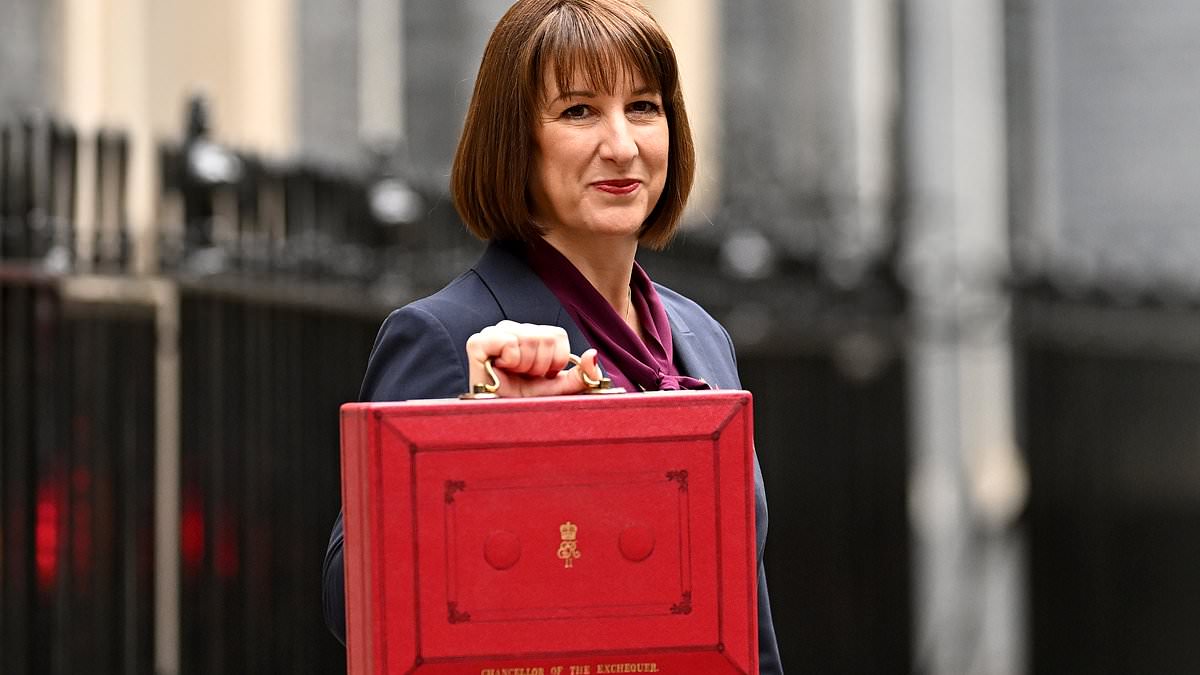
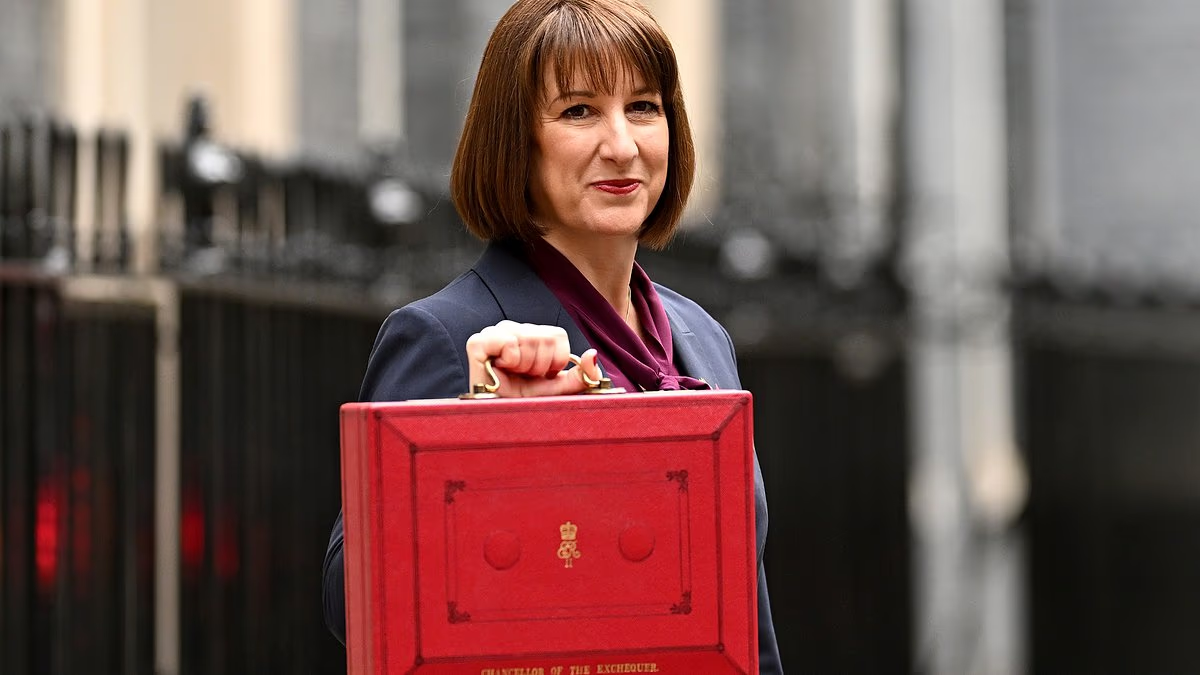
One suspects those are the very same reasons why Chancellor Rachel Reeves is reportedly looking at the return of PFIs – since rebranded as Public Private Partnerships (PPPs) – for infrastructure ranging from housing to transport and even defence. The Chancellor is strapped for cash, struggling to find growth and besieged by discontented backbenchers and voters alike.