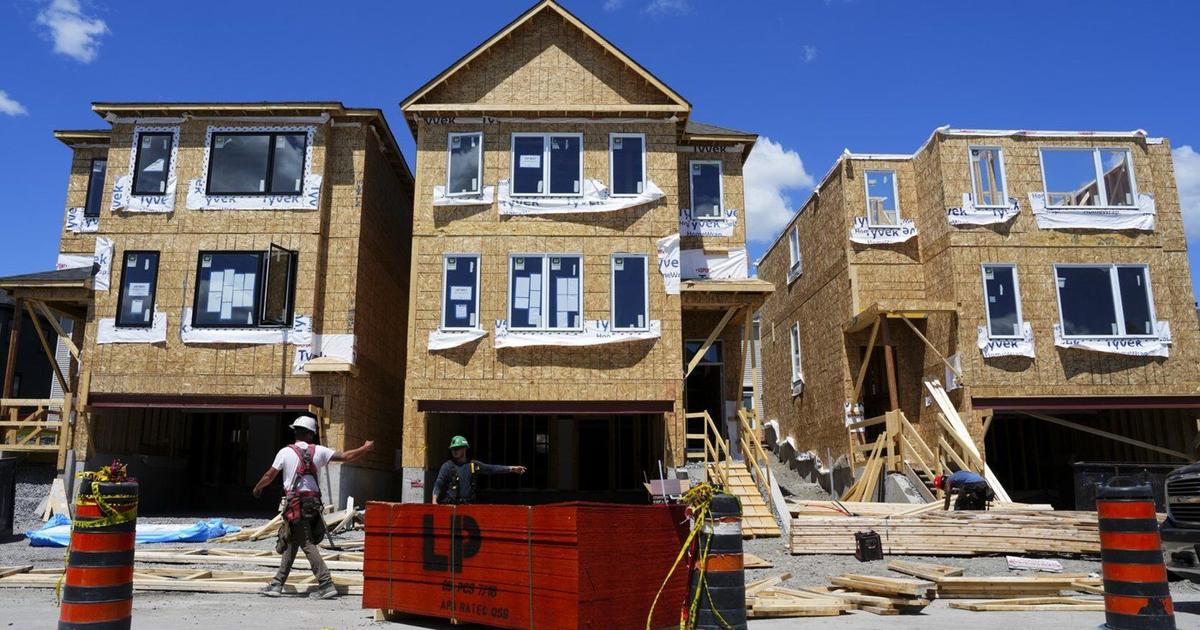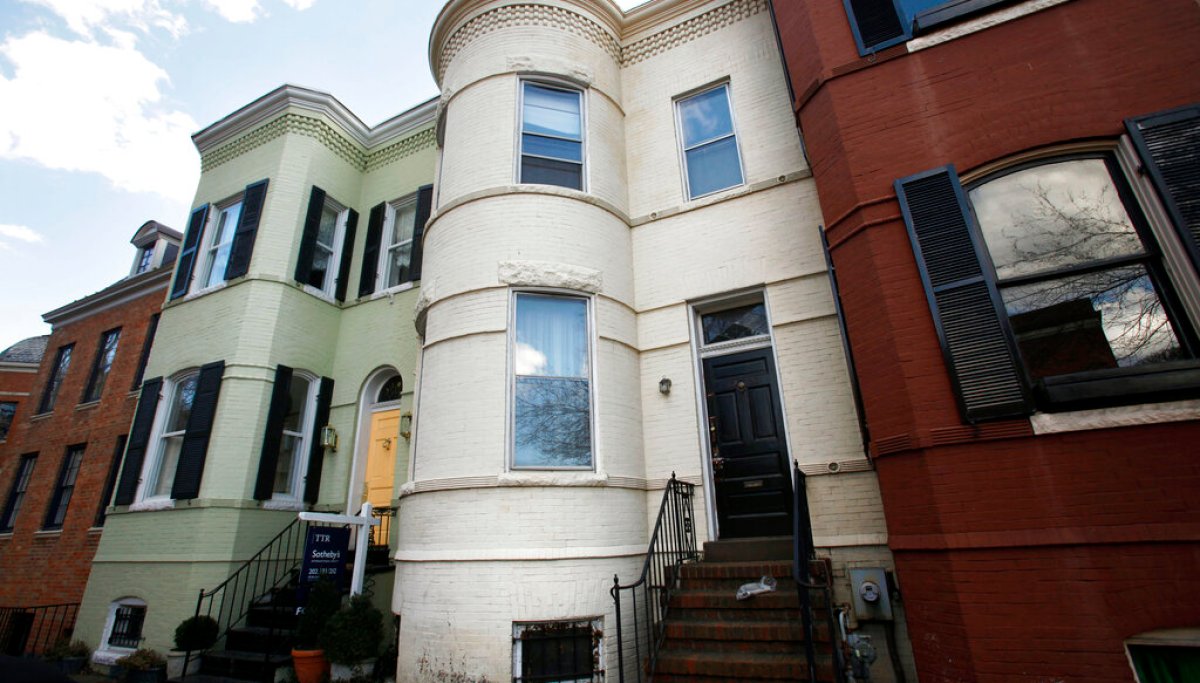
The iron stairs on many Capitol Hill residences may not have a functional use, but thanks to the city’s Historic Preservation Office, homeowners not only can’t remove them, but they must replace them if they improve their property, thus driving up construction costs, and housing costs, for everyone.Construction in Washington, D.C., takes more time and money than most American cities for one reason: the outlandish process for acquiring building permits. The Historic Preservation Office must approve all exterior changes to a historic D.C. property before a homeowner applies for a building permit. This office evaluates whether possible construction plans detract from the city’s historic character. D.C. homeowners struggle to keep up with the demands of the nine nonelected individuals that make up the Historic Preservation Review Board.
According to the preservation review board, the iron stairs outside Capitol Hill neighborhoods are considered one of Washington’s most “significant character-defining features.”
So much so that Historic Preservation Office guidelines require that “repaired historic stairs and porches should be reconstructed to the same level of craftsmanship and should accurately replicate the original or historic condition.”