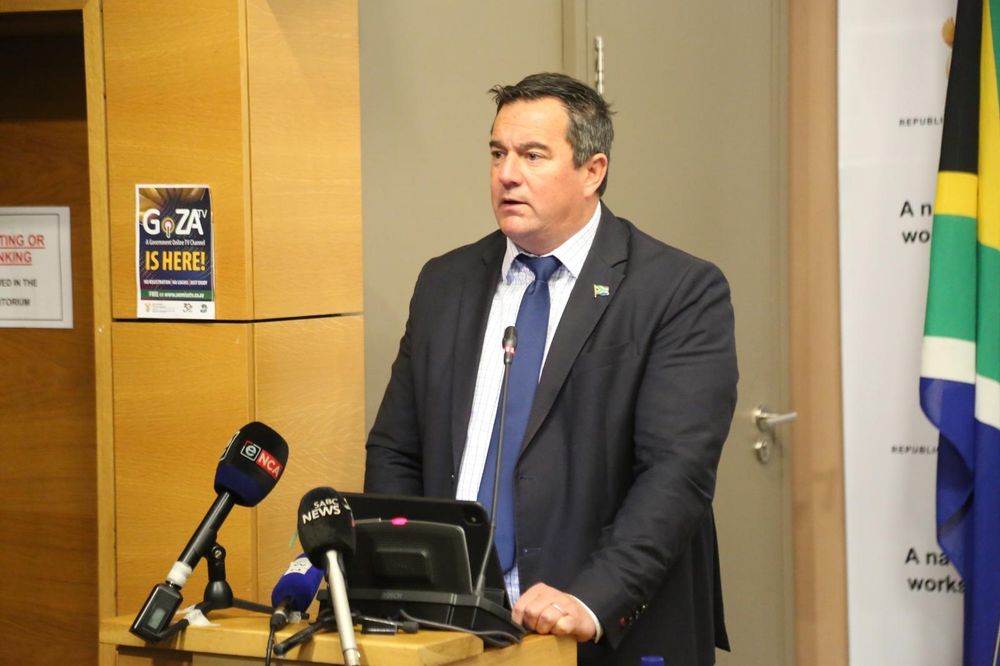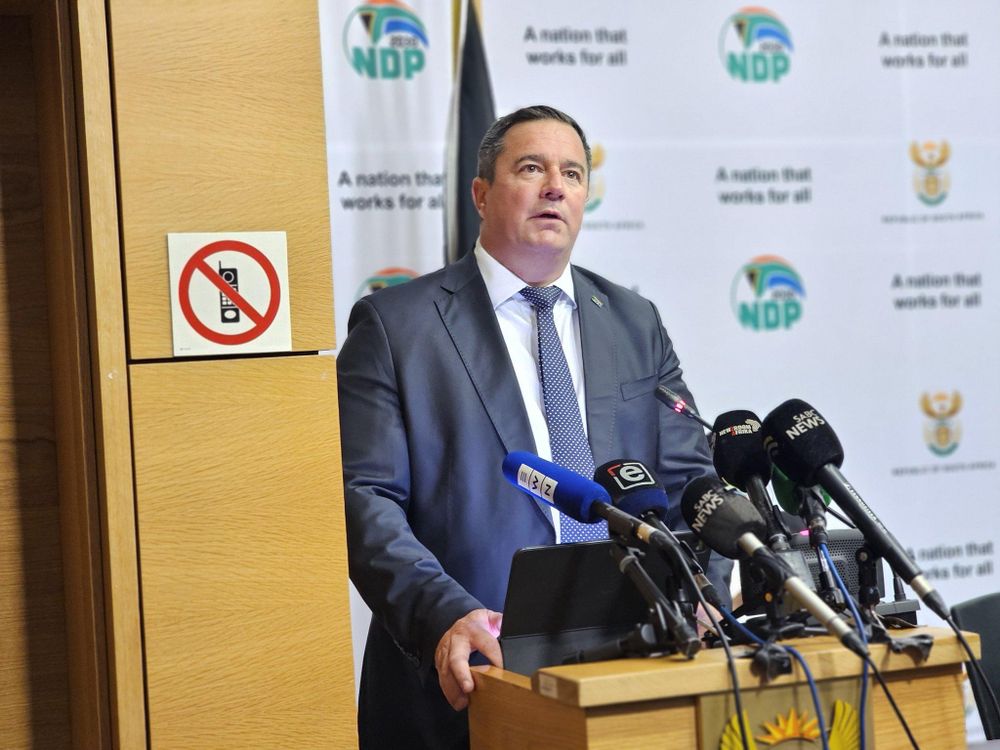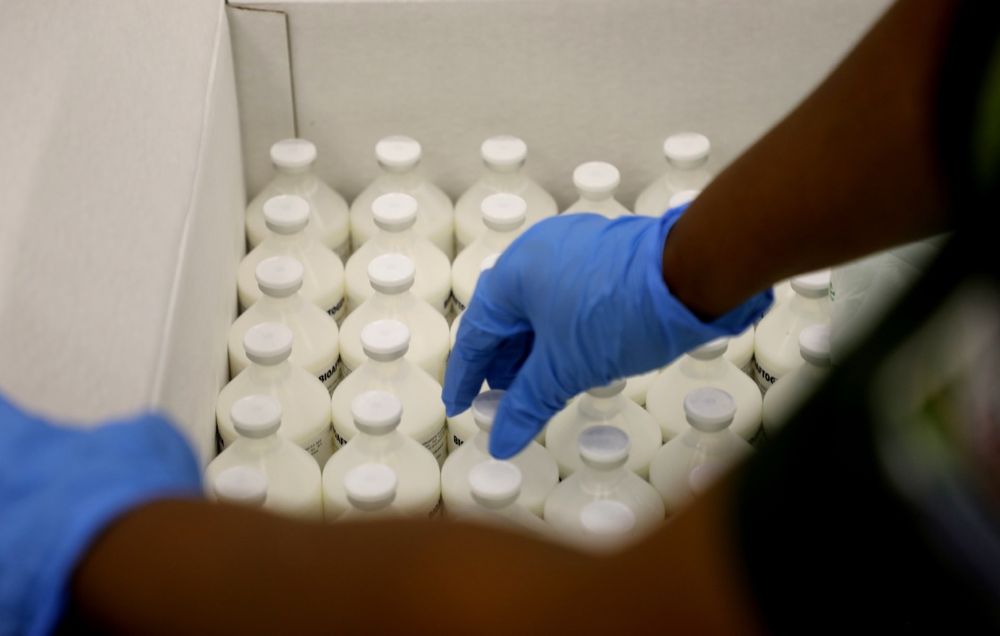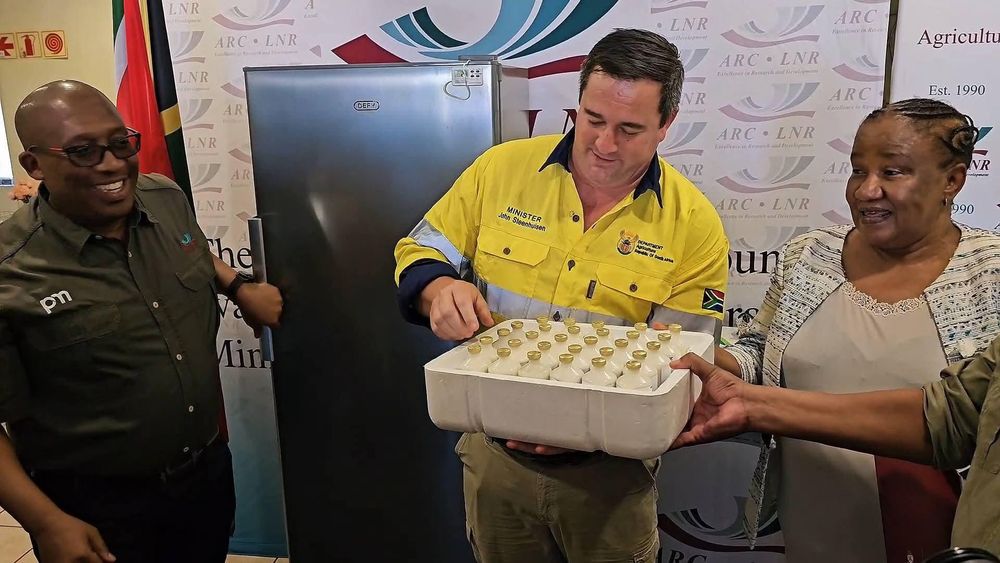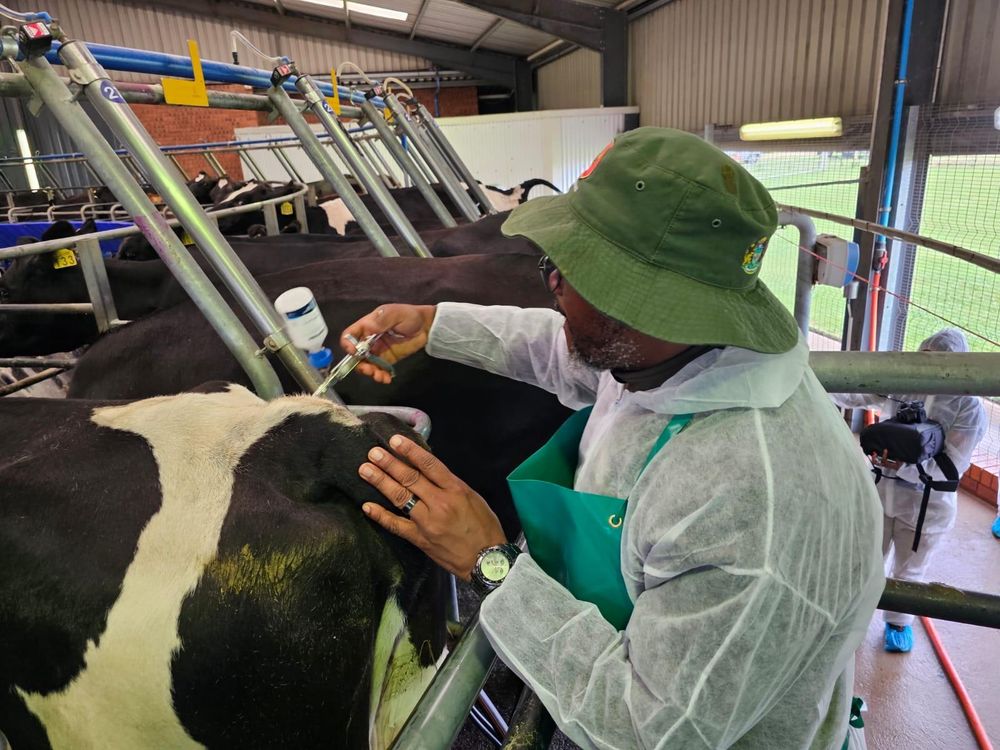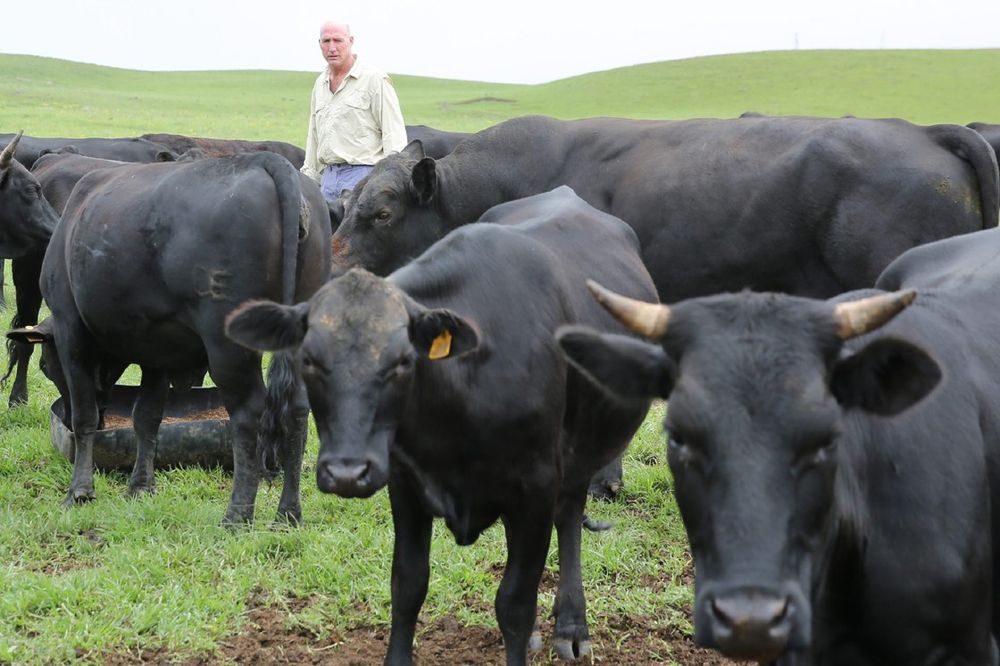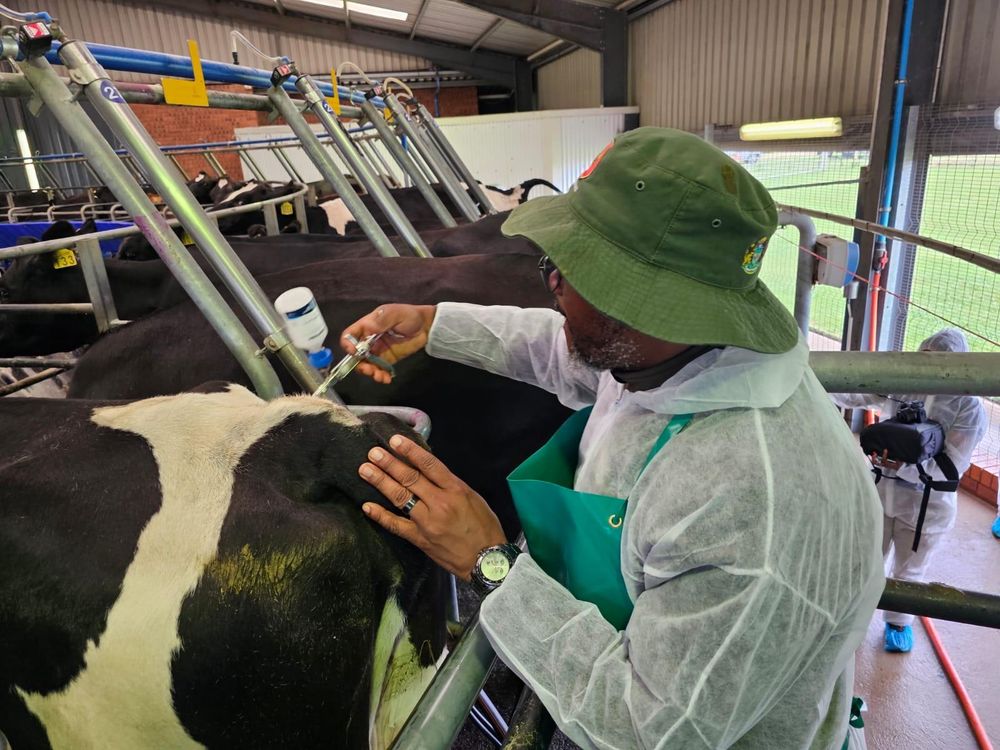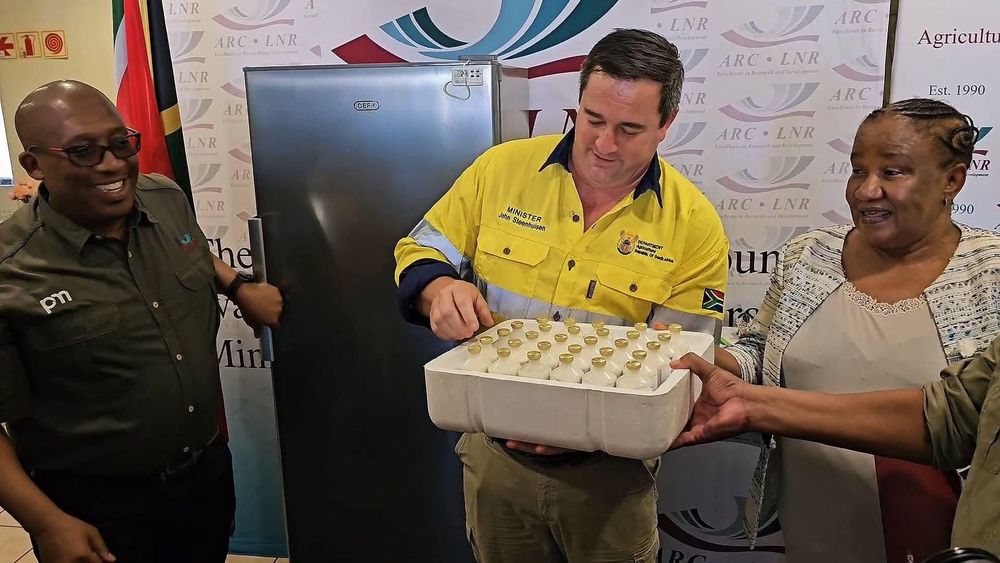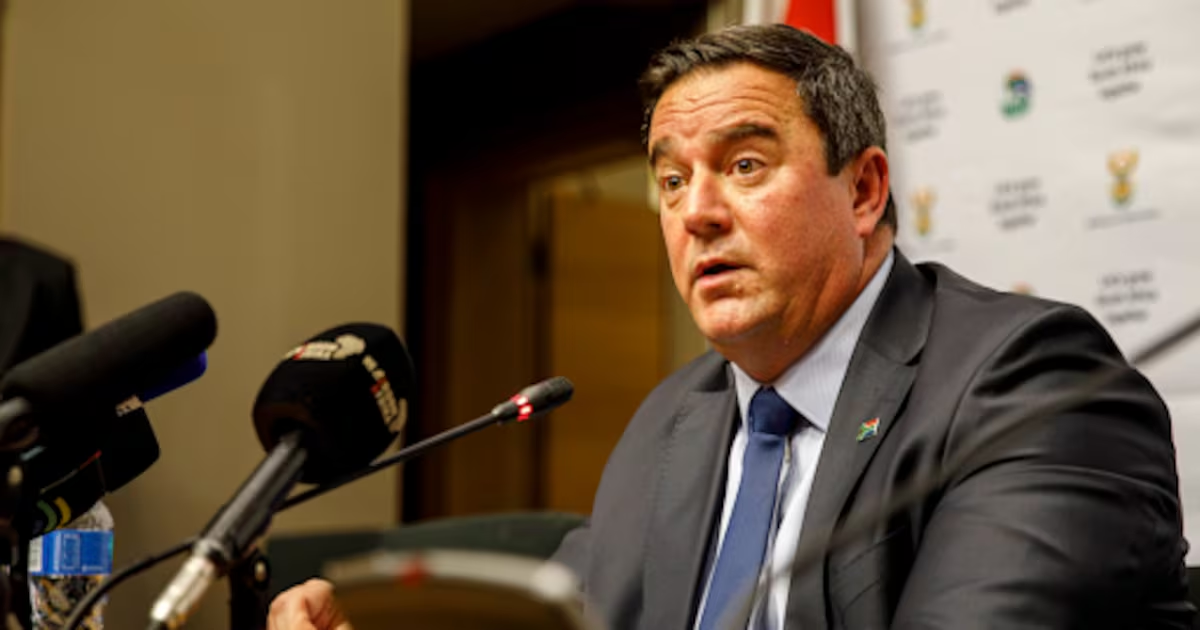
Agriculture minister John Steenhuisen says South Africa has procured 13.5-million doses of foot-and-mouth disease vaccine since February, as the government ramps up efforts to contain the outbreak and restore confidence in the livestock sector.Briefing the media on Monday, Steenhuisen said just under 4.4-million animals had been vaccinated across the country by May 28. “This is the largest vaccine acquisition programme ever undertaken by the South African state,” Steenhuisen said.He said 3.5-million Biogenesis Bago vaccine doses arrived in South Africa last week and would be distributed to industry bodies and provinces to accelerate vaccination in affected and at-risk areas.Of these doses, 1.5-million will go to the feedlot industry; 500,000 to the Red Meat Producers Organisation; 200,000 to the Milk Producers Organisation; 100,000 to the stud breeders industry; and 1.05-million to provinces. Some doses have also been set aside for regional vaccination along South Africa’s borders.Steenhuisen said the South African Health Products Regulatory Authority had approved a section 21 application for Dunevax to import 14-million doses of the Dollvet vaccine. The first consignment of 4-million doses is expected to arrive this month.“This vaccine pipeline will ensure that we are able to deliver the required booster vaccinations,” he said.The minister said the government has spent R494m on vaccine procurement and deployment to date, adding that the state carried the financial burden of the intervention because “the cost of inaction would have been far greater”.KwaZulu-Natal remains the centre of the vaccination drive, with more than 1.1-million animals vaccinated. The Eastern Cape has vaccinated more than 720,000 animals, the Free State 600,000-plus, Mpumalanga and the North West more than 430,000 each, Limpopo over 350,000, Gauteng over 270,000, the Western Cape more than 260,000 and the Northern Cape more than 87,000.Steenhuisen said he had written to all provincial MECs last week to urge them to accelerate vaccine deployment.He acknowledged the financial pressure on farmers, saying movement restrictions have limited trade, increased feed costs, and created uncertainty over markets, cash flow and future production.“I have listened to their frustrations. I have heard their concerns. I understand their impatience. No-one feels the consequences of an outbreak more directly than the farmer whose livelihood depends on healthy animals and functioning markets,” he said.Steenhuisen said the outbreak has shown that animal diseases do not respect borders. He welcomed a decision by Southern African Development Community ministers and the Livestock Technical Committee to prioritise the development of a regional co-ordination framework for control of the disease.He said stronger regional co-ordination is needed because livestock mobility, wildlife interfaces and cross-border trade are closely connected across the region.I have listened to their frustrations. I have heard their concerns. I understand their impatience. No-one feels the consequences of an outbreak more directly than the farmer whose livelihood depends on healthy animals and functioning markets.— John Steenhuisen, agriculture minister The proposed framework will include progressive buffer zoning, silo models, regional biosecurity corridors, stronger surveillance systems and improved vaccination co-operation across borders.Steenhuisen said that while critics have argued that the vaccine rollout should have happened faster, the state has been required to shift from a reactive disease-control system to a more proactive, preventative and risk-based biosecurity model.“We have had to secure extensive vaccine supply chains, expand diagnostic capacity, strengthen surveillance systems, co-ordinate provinces, engage industry and rebuild the machinery required for a truly national response,” he said.Diagnostic capacity is also being expanded. The Agricultural Research Council is awaiting memorandums of agreement from KwaZulu-Natal and the Eastern Cape for the secondment of veterinary technologists for training in foot-and-mouth disease diagnostics.Laboratories in KwaZulu-Natal and the Western Cape are being assessed and prepared, with samples expected to be received by June 30.Steenhuisen said 11 South African Veterinary Council-registered veterinary technicians, recruited on April 1, have completed compulsory training and been added to the foot-and-mouth disease serology team. Six more veterinary technicians had accepted employment offers and were enrolled for competence training.The department is at an advanced stage in the recruitment of six administration assistants and three research assistants.Steenhuisen said the government has worked to protect and expand market access for South African livestock products despite the outbreak.Jordan remains open and exports are taking place. The United Arab Emirates has agreed to updated certification arrangements, while Hong Kong remains open for red meat products. Kuwait is open under agreed conditions, and discussions with Qatar are continuing.South Africa will this week formally engage Tunisia, Lebanon, Egypt, Bahrain, Oman and Saudi Arabia with proposals aimed at facilitating continued trade under science-based and risk-based conditions.Steenhuisen said the response to the outbreak has involved organised agriculture, commodity organisations, veterinarians, feedlots, processors and dairy producers. He said the department will launch an overarching public-private biosecurity model in the coming weeks to formalise co-operation between the state and industry.“Biosecurity cannot be the responsibility of government alone, nor can it be carried by industry alone,” he said.Steenhuisen said restoring the livestock value chain is critical for farmers, feedlots, processors and consumers. “More animals moving through the value chain means more production, more competition, more jobs and ultimately more affordable protein for South African households,” he said.He said agriculture has shown resilience despite foot-and-mouth disease, severe storms and logistics constraints. Agricultural exports grew 7% over the past year, while the sector generated a trade surplus of about $7.3bn in 2025, an increase of 18% on the previous year.Primary agriculture contributed about 2.8% of GDP directly, while the broader agricultural value chain accounted for about 14% of economic activity.“The war against foot-and-mouth disease is far from over, but for the first time since this crisis began, South Africa is increasingly setting the pace of the response rather than reacting to the disease,” he said.
State has secured 13.5-million vaccine doses to fight foot-and-mouth disease
John Steenhuisen says rollout has reached 4.4-million animals as FMD efforts intensify
TL;DRAI
South Africa acquired 13.5-million FMD vaccine doses since February, vaccinating 4.4-million animals—the nation's largest immunization program ever, costing R494m. The outbreak forced a shift from reactive to proactive biosecurity governance, requiring regional coordination and public-private frameworks—a critical-systems pattern for infrastructure teams.
935 words~4 min read