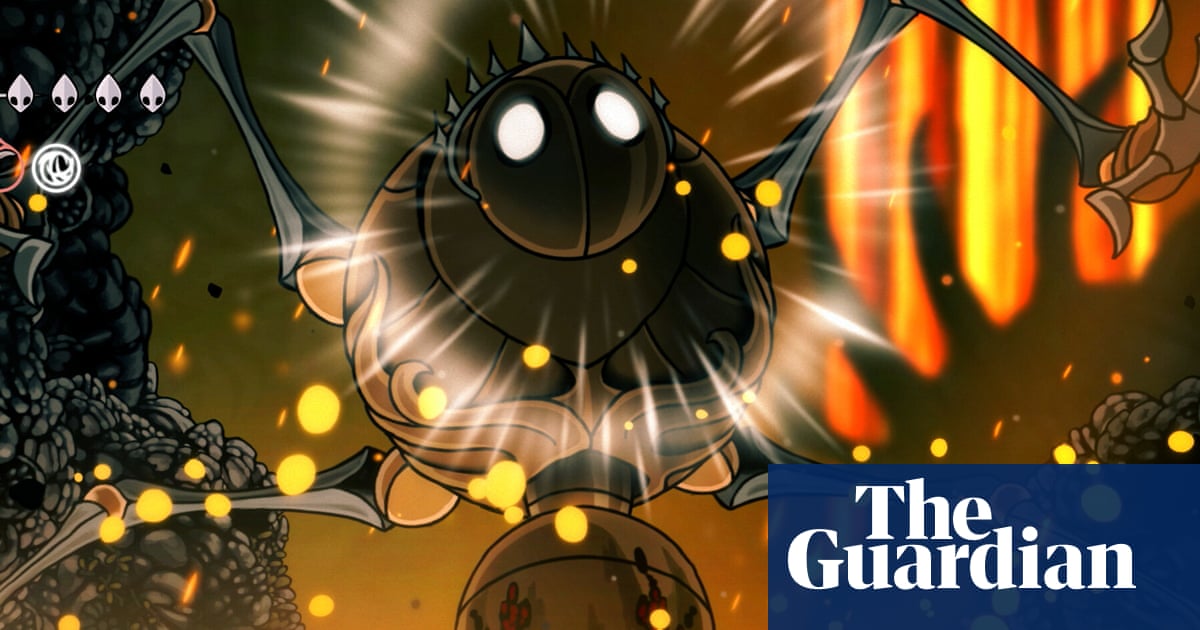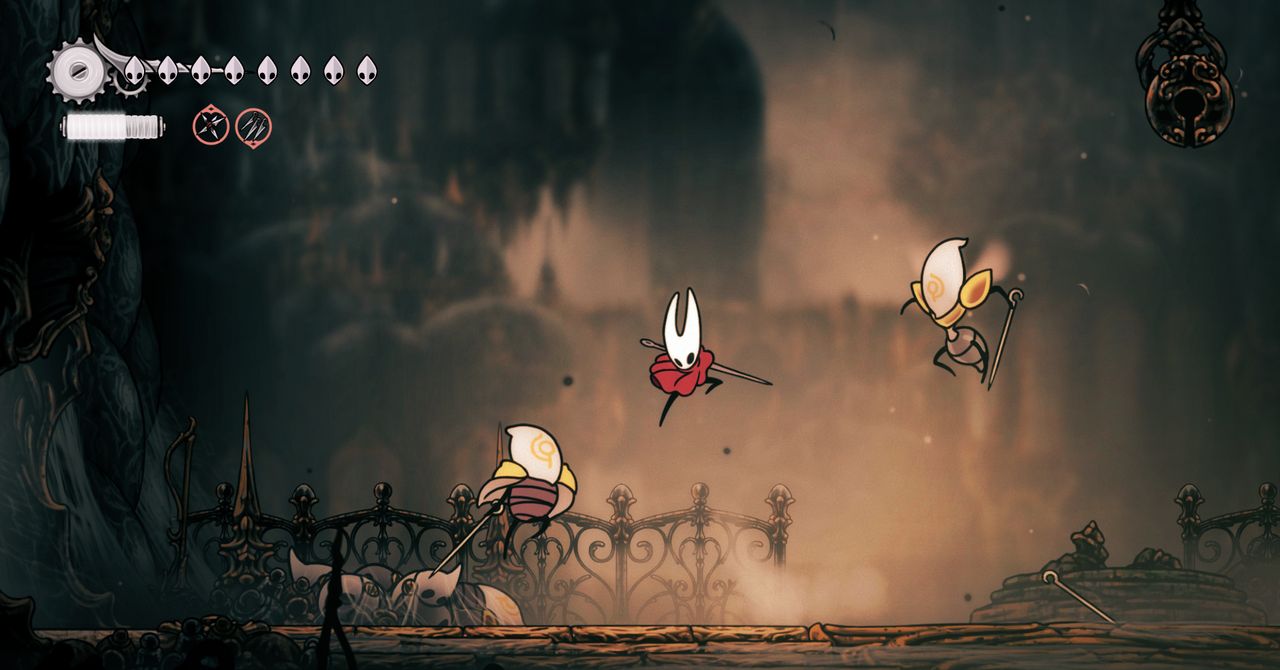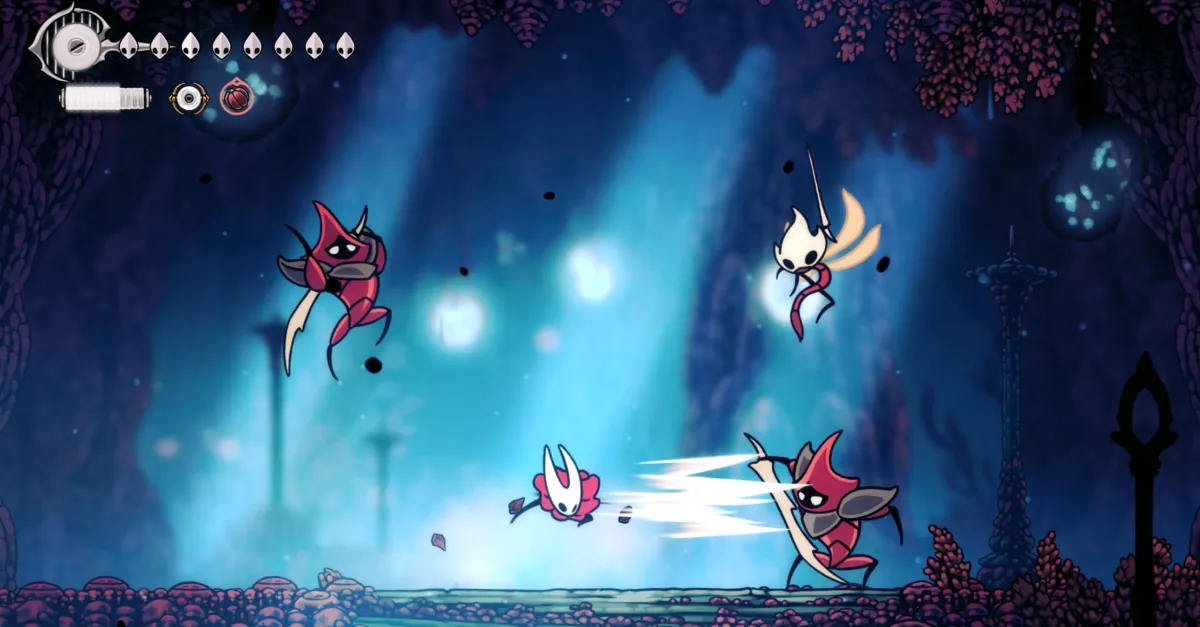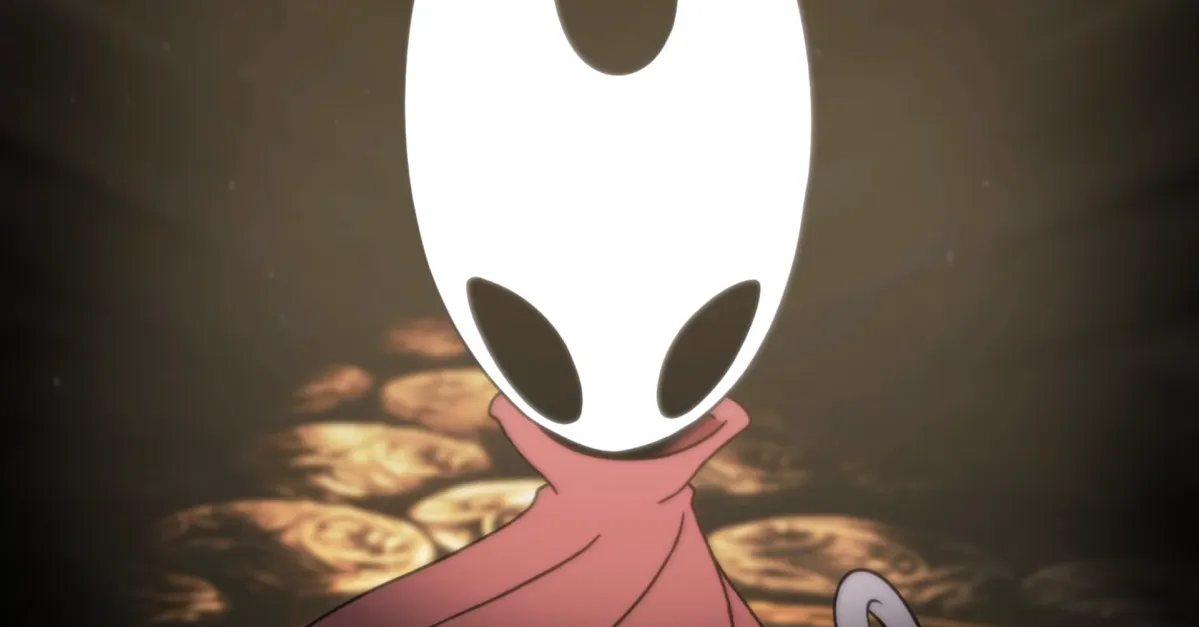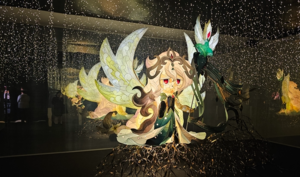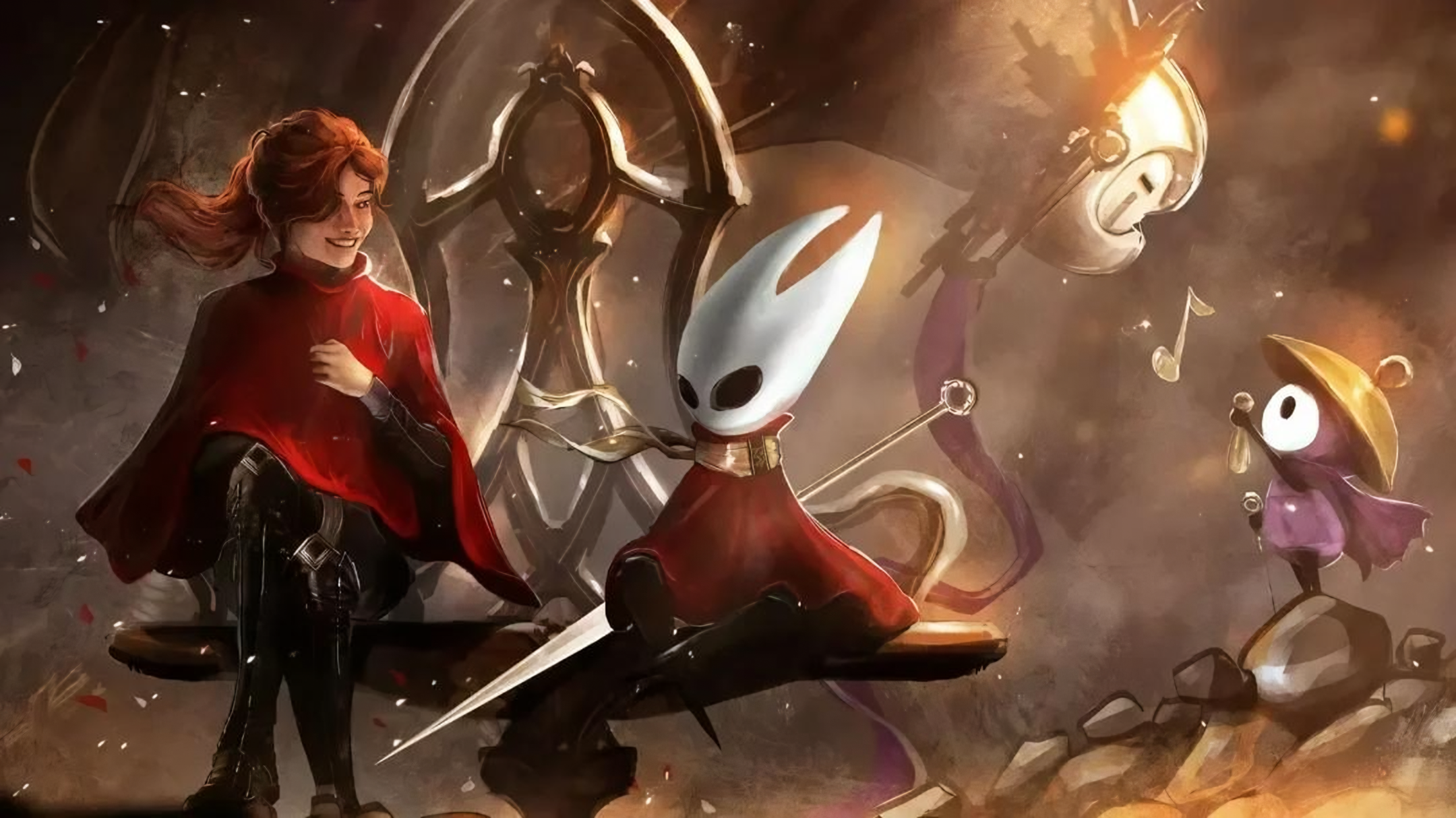
The characters Maelle from Clair Obscur: Expedition 33, left, and Hornet from Hollow Knight: Silksong, center, are seen in this illustration released by Sandfall Interactive congratulating Team Cherry on the release of Hollow Knight: Silksong, Sept. 10. Courtesy of Sandfall InteractiveRole-playing game Clair Obscur: Expedition 33 by French video game studio Sandfall Interactive and Hollow Knight: Silksong, the sequel to the critically acclaimed Hollow Knight, by Australian indie game studio Team Cherry were both released in 2025, marking a very memorable year for video games.Both titles were heralded as hallmarks in video game development, showcasing bold artistic choices, player-driven narratives and exploration of complex themes. Most importantly, however, the two games would continue to remain culturally relevant, spawning numerous inside jokes, memes and fan creations through most of the year — a remarkable staying power for a video game that few, if any, developed in Korea have yet to achieve.In recent years, Korea has become a cultural powerhouse in fields such as music, film and food, cultivating a loyal global fandom. Yet, the country has continuously struggled in the nascent video game market. It raises the question: Within the K-storm, why are there no K-games?How do games find cultural relevance?E-sports player Faker plays Rimworld on a livestream, Jan. 14. Captured from Faker's livestreamVideo games have become a highly saturated market, with over 40 titles released daily on Steam, one of the largest video game distributors in the world. In such a market, games find cultural relevance through distinct identities — a recognizable voice that gives a game its meaning beyond gameplay mechanics.The identity of a video game is difficult to quantify and varies between different genres, but often involves a balance of the narrative, the visuals and gameplay mechanics.The 2018 base management game Rimworld, for example, showcases how the choices made by players can lead to a cascading butterfly effect, a world where seemingly minor mistakes can and will snowball into disasters. Despite being nearly a decade old, Rimworld enjoys a thriving playerbase and a cult following, with even E-sports legend Faker shown playing it on his livestream as recently as January 2026.Some games, such as Rockstar’s 2018 release Red Dead Redemption 2, choose a distinct visual identity, focusing on hyper-realistic visuals and dialogue that depicts the gritty, brutal life in the frontier. Its gameplay complements the visuals, with dynamic weather patterns and realistic hunting systems that aims to replicate the wilderness of the American West.A video game's longevity and cultural relevance is the direct payoff of a memorable identity. While revenue may seem to be the measure of a successful game, cultural staying power dictates its lasting impact.Korean video games’ struggle with identityA promotional event for the Korean game Cookie Run, which features a free-to-play design with an incentive to pay, is being held at the Lotte World Aquarium in Seoul, March 30. Courtesy of Lotte World AquariumThe expectations of a video game in Korea are very different from those overseas, putting a heavier emphasis on short-term entertainment and social bonding. This has resulted in an industry that prioritizes player retention and continuous spending above a distinct identity.As a result of this focus on live-service retention, Korean games have historically leaned overwhelmingly towards free-to-play design systems and mobile games, ensuring a low entry barrier and a growing incentive to pay to get an advantage in gameplay as a system of monetization. Many games feature live-service elements such as daily quests or limited-time events, encouraging its audience to continue engaging in gameplay.Overseas, this approach toward video game design has seen massive success in Chinese and Southeast Asian markets, successfully dominating the easily accessible mobile game market. Even so, a distinct identity that drives cultural longevity seems to have been cast aside in favor of creating customers rather than an audience.Putting the 'K' in K-gamesAn illustration showcasing Finnish games' common identity of being esoteric and obscure in a humorous way. Captured from RedditIn recent years, Korea has begun releasing breakout titles on PC that have drawn consistent praise from a worldwide audience. Titles such as Lies of P, Dave the Diver or Sanabi have been recognized for their unique gameplay and visuals. From a dark reimagining of Pinocchio who must slash and parry his way across enemies to a cozy sushi shop management simulator featuring vibrant pixel art, the new wave of Korean games are beginning to recognize identity as a key point in cultural success.Yet, there is little about each game that is instantly recognizable as Korean in the way Parasite, BTS or Buldak are. A cultural throughline that gives games a recognizable national identity is not only possible, but one that is already a hallmark of celebrated game-producing nations.This can be seen in the case of Finland, whose games often combine dark, melancholy worlds with obscure and innovative gameplay, and are well recognized among video game enthusiasts.From indie titles such as Barotrauma, in which players find themselves operating a tiny, claustrophobic submarine deep under a sunless alien sea, to triple-A releases such as Alan Wake 2, where the titular main character finds himself trapped in an eldritch pocket dimension called the dark space, players find themselves approaching a Finnish game with certain expectations in mind.The final hurdle for K-games may be establishing such a cultural throughline — finding a balance where a game feels unmistakably Korean without showboating it.Kim Young-moo is a Korea Times intern.
K-pop, K-film and K-food: Why not K-games? - The Korea Times
Role-playing game Clair Obscur: Expedition 33 by French video game studio Sandfall Interactive and Hollow Knight: Silksong, the sequel to the criti...
896 words~4 min read