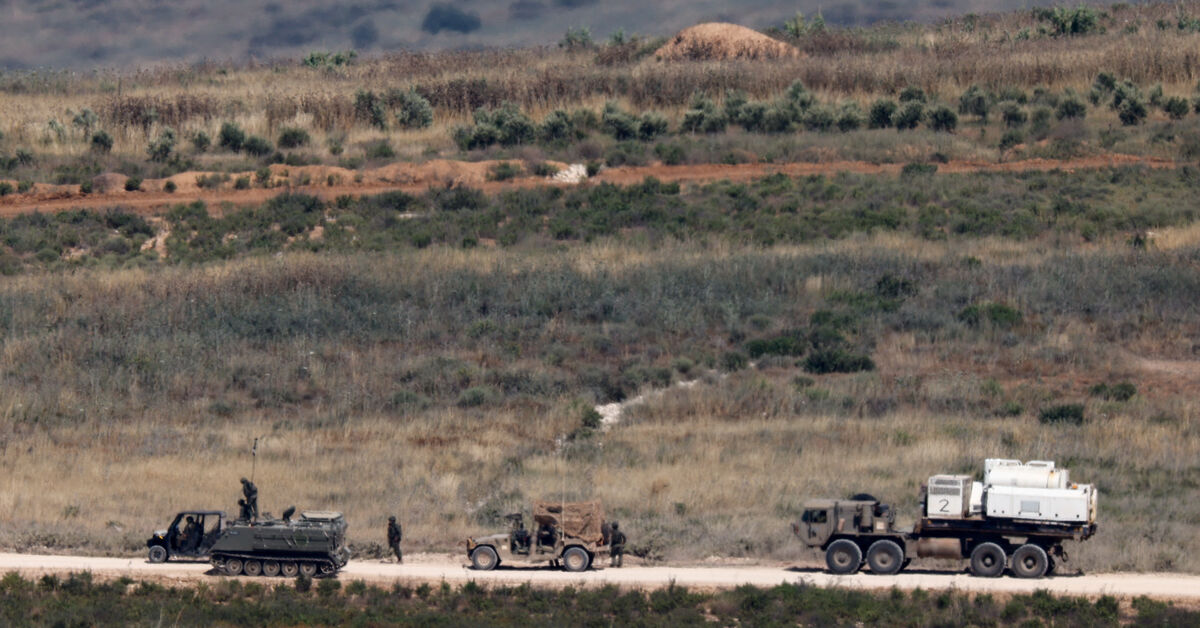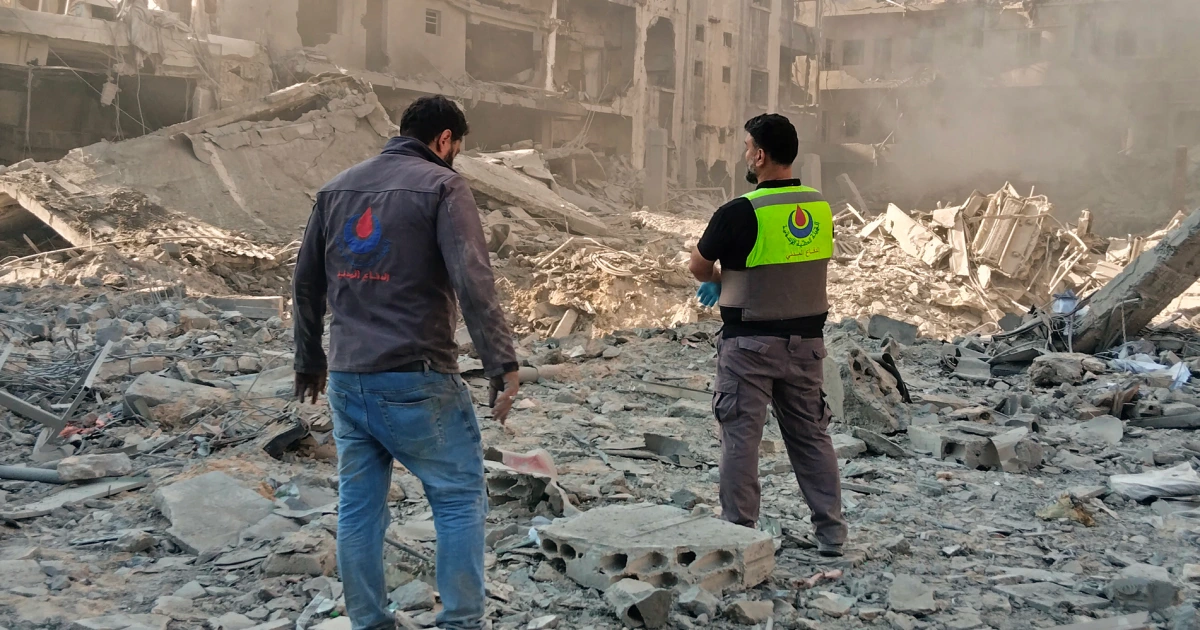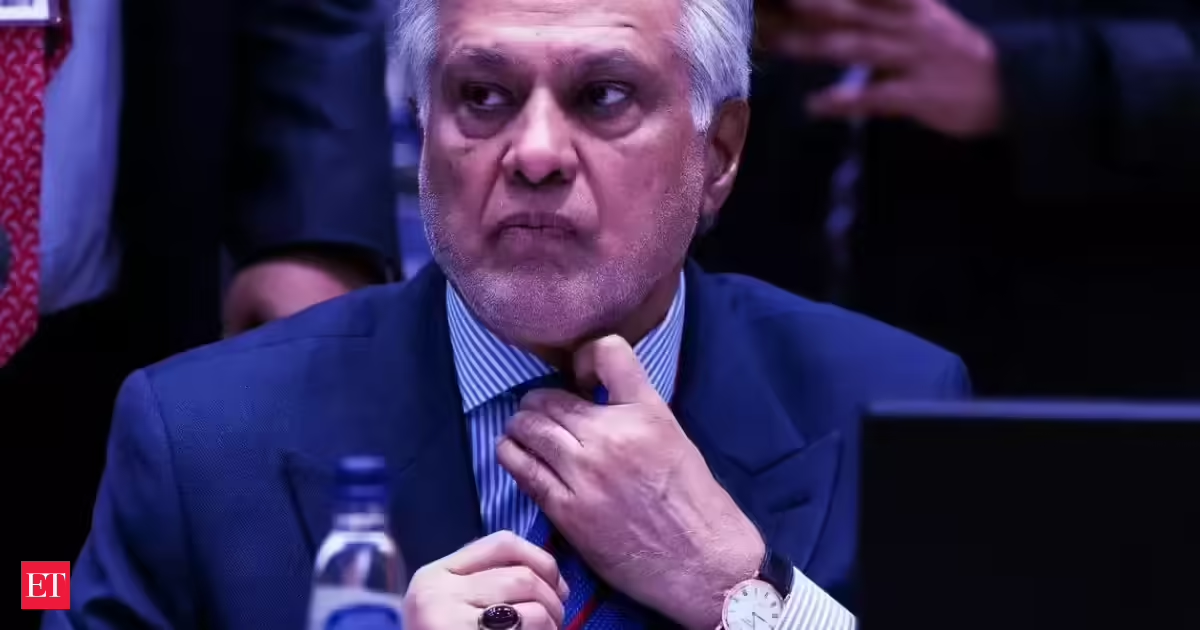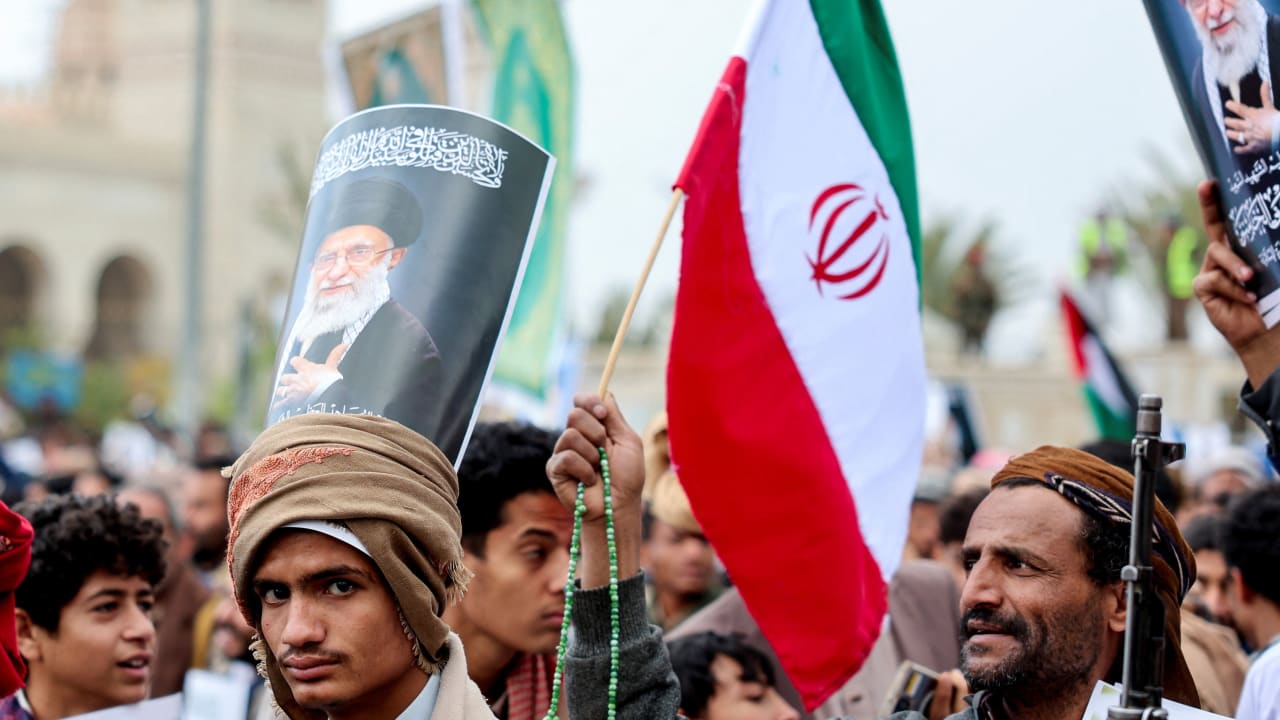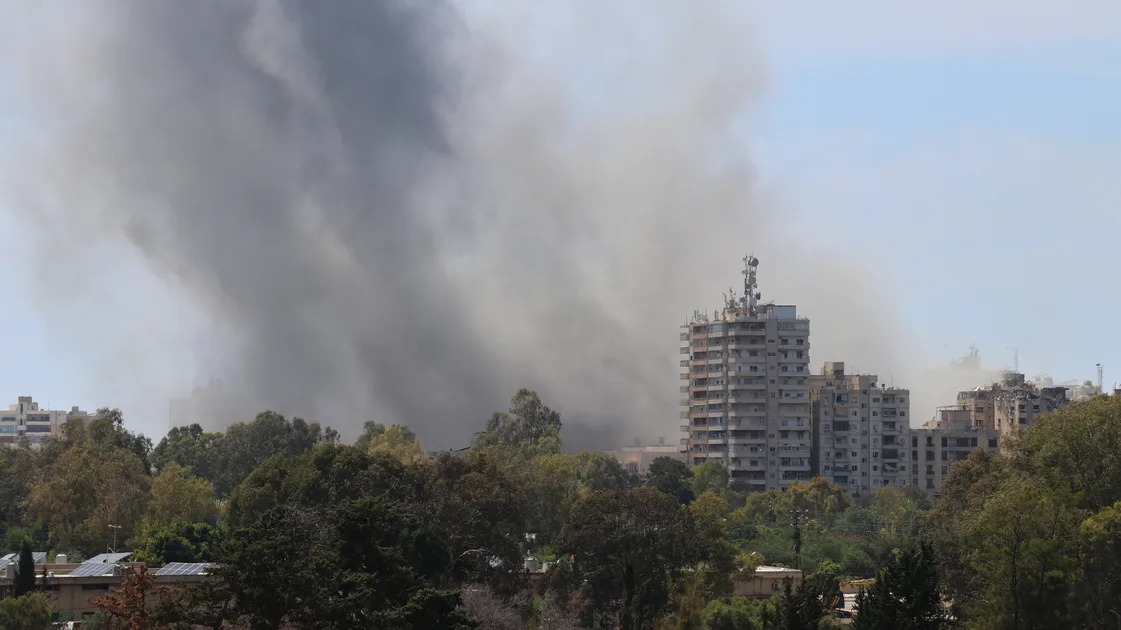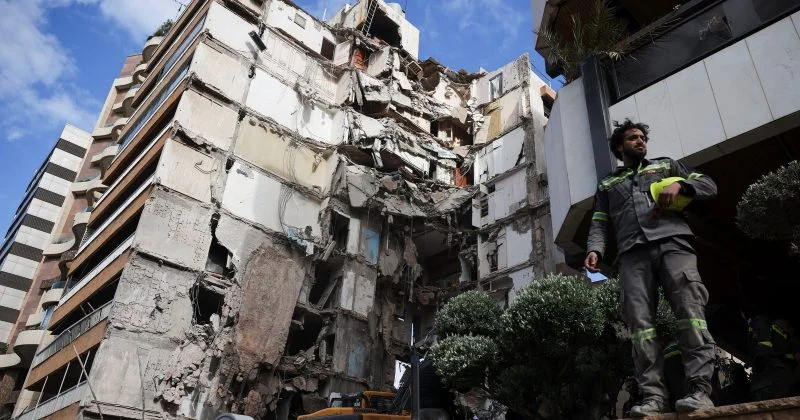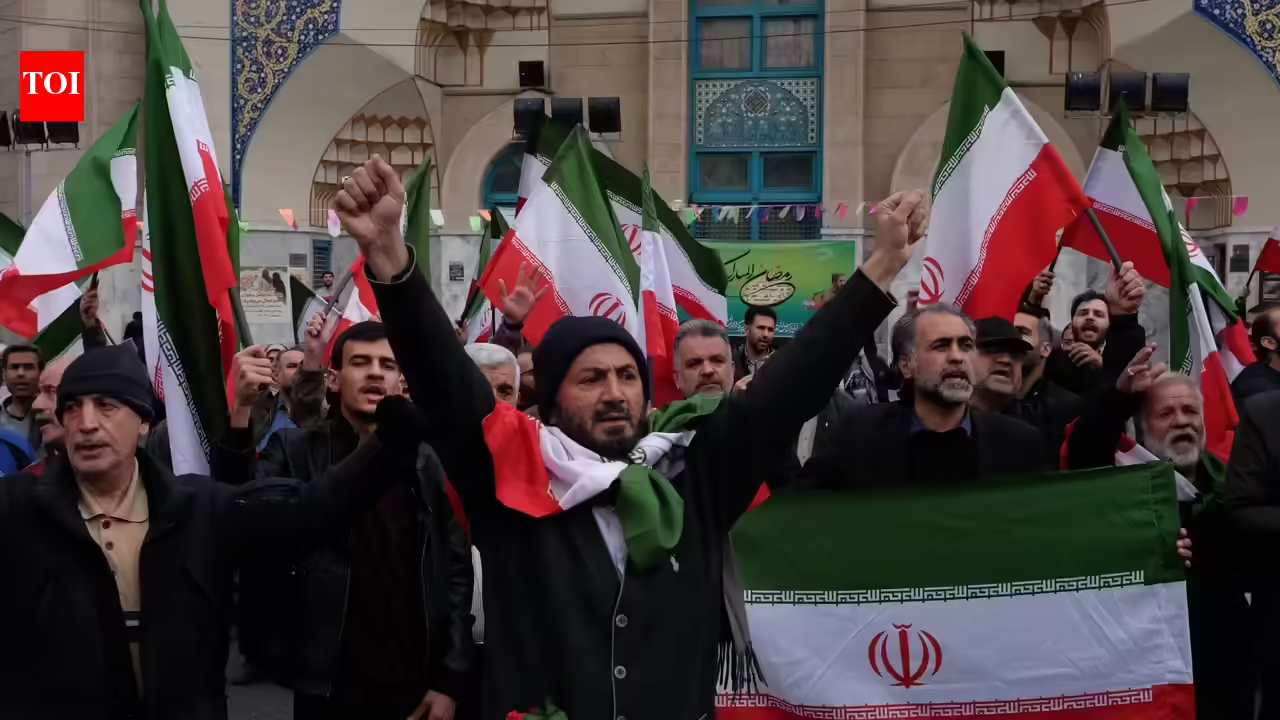
Peace efforts between the US and Iran have met another roadblock, after renewed attacks in Lebanon prompted Tehran to stop exchanging messages with Washington through mediators. According to Iran’s Tasnim news agency, the country, along with the Resistance Front, which includes allied groups in Yemen, Lebanon and Iraq, has drawn up an agenda to fully block the Strait of Hormuz and activate additional fronts, including the Bab El Mandeb Strait, with the aim of “punishing” Israel and its supporters. The Bab El Mandeb, a key maritime chokepoint off Yemen’s coast leading towards the Suez Canal, was highlighted as a potential strategic pressure point if the Houthis open a new front.This comes as the crucial Strait of Hormuz has continued to see disruptions for over three months now, after the US and Israel launched joint strikes on Iran on February 28.Iranian Foreign Minister Abbas Araqchi said on X on Monday, “The ceasefire between Iran and the US is unequivocally a ceasefire on all fronts, including in Lebanon. Its violation on one front is a violation of the ceasefire on all fronts. The US and Israel are responsible for the consequences of any violation.” Tasnim further stated that Iranian officials and negotiators have emphasised the “immediate cessation of the Zionist regime's aggressive and brutal army operations in Gaza and Lebanon and the necessity of the regime’s complete withdrawal from the occupied areas in Lebanon have been emphasized by Iranian officials and negotiators, and there will be no talks until Iran and the resistance's views on this matter are met.”Meanwhile, the diplomatic situation has intensified even more after Israel decided to resume strikes on the southern suburbs of Beirut, adding further complexity to already fragile talks between Washington and Tehran. Iranian officials have raised concerns that escalating Israeli military actions are undermining the ongoing negotiation process.US-Iran peace talksUS and Iranian officials have been engaged in indirect discussions aimed at reducing regional tensions. However, Tehran has maintained that developments in Lebanon cannot be separated from the broader scope of talks with Washington.Iranian foreign ministry spokesperson Esmaeil Baghaei had earlier stated that negotiations were moving slowly due to mistrust, inconsistent messaging from Washington, and continued Israeli military operations.“Negotiations have started amid severe suspicion and mistrust, and the exchange of messages is taking place in this atmosphere,” Baghaei said. He added that “the other party is constantly changing its views and putting forward new or contradictory demands (...) it is natural that this situation will prolong negotiations.”The Israeli government announced renewed strikes on Beirut’s southern suburbs, known as Dahiyeh, a Hezbollah stronghold, saying the action followed repeated ceasefire violations.In a joint statement, Israeli Prime Minister Benjamin Netanyahu and Defence Minister Israel Katz said they had ordered the military to strike Hezbollah positions in Beirut in response to attacks on Israeli cities.The statement read, “Following the repeated violations of the ceasefire in Lebanon by the Hezbollah terror organization and the attacks against our cities and citizens, Prime Minister Benjamin Netanyahu and Defence Minister Israel Katz instructed the IDF to strike terror targets in the Dahiyeh quarter of Beirut.”Reports also suggested Israel had been seeking approval from Washington to expand its military operations in Beirut. Israeli officials reportedly said discussions with US Secretary of State Marco Rubio included requests for greater operational freedom, though some restrictions remained in place.“The Americans are showing greater openness, but there is still no final approval — at least for now,” an Israeli official was quoted as saying.Separately, a senior US official said Washington had proposed a phased de-escalation plan in which Hezbollah would first halt attacks on Israel, after which Israel would refrain from escalating strikes in Beirut. However, Lebanese officials and Hezbollah allies rejected the proposal, insisting Israel should stop military action first.
Iran halts peace talks with US after Israel strikes Lebanon, plans to tighten control over Hormuz
Peace efforts between the US and Iran have met another roadblock, after renewed attacks in Lebanon prompted Tehran to stop exchanging messages with Washington through mediators.
622 words~3 min read