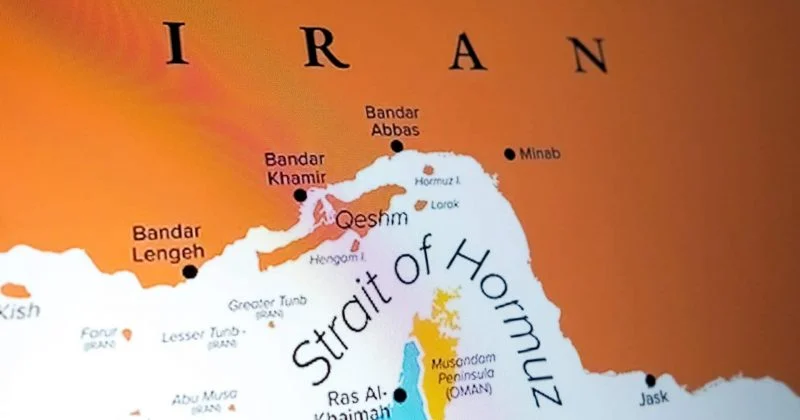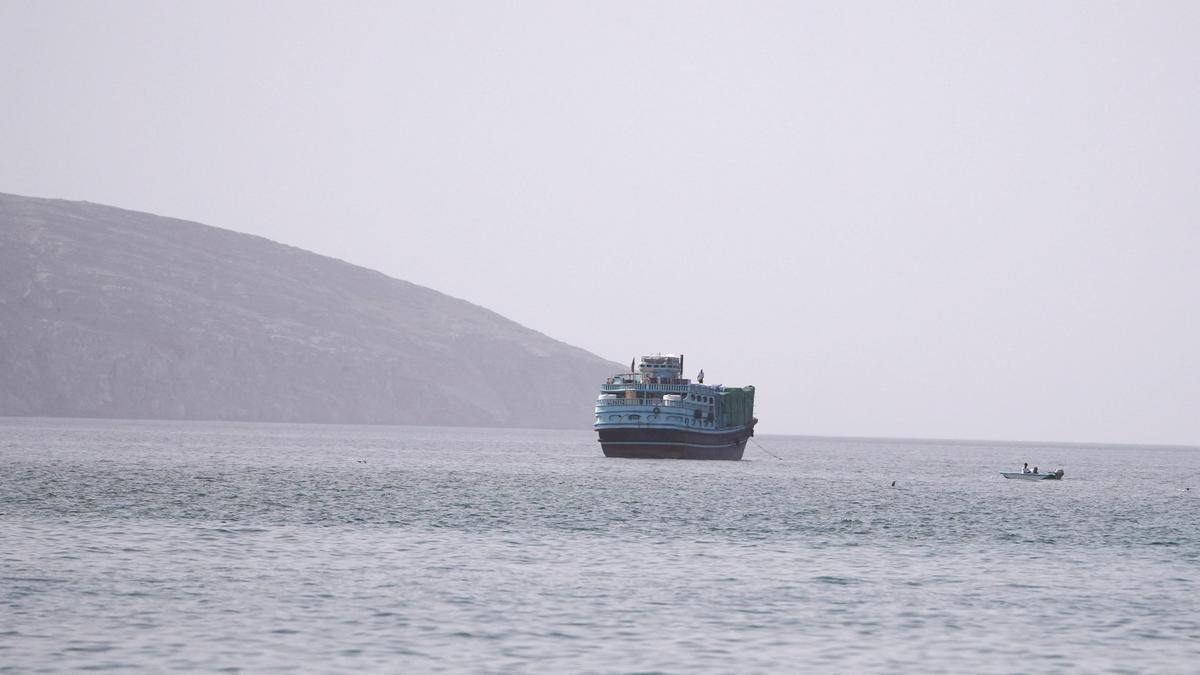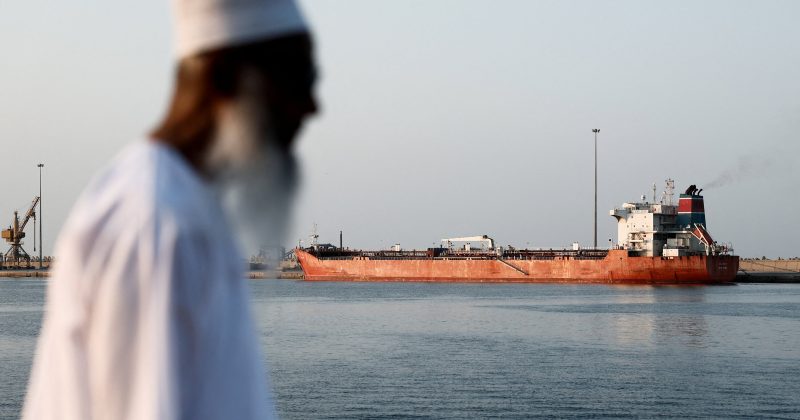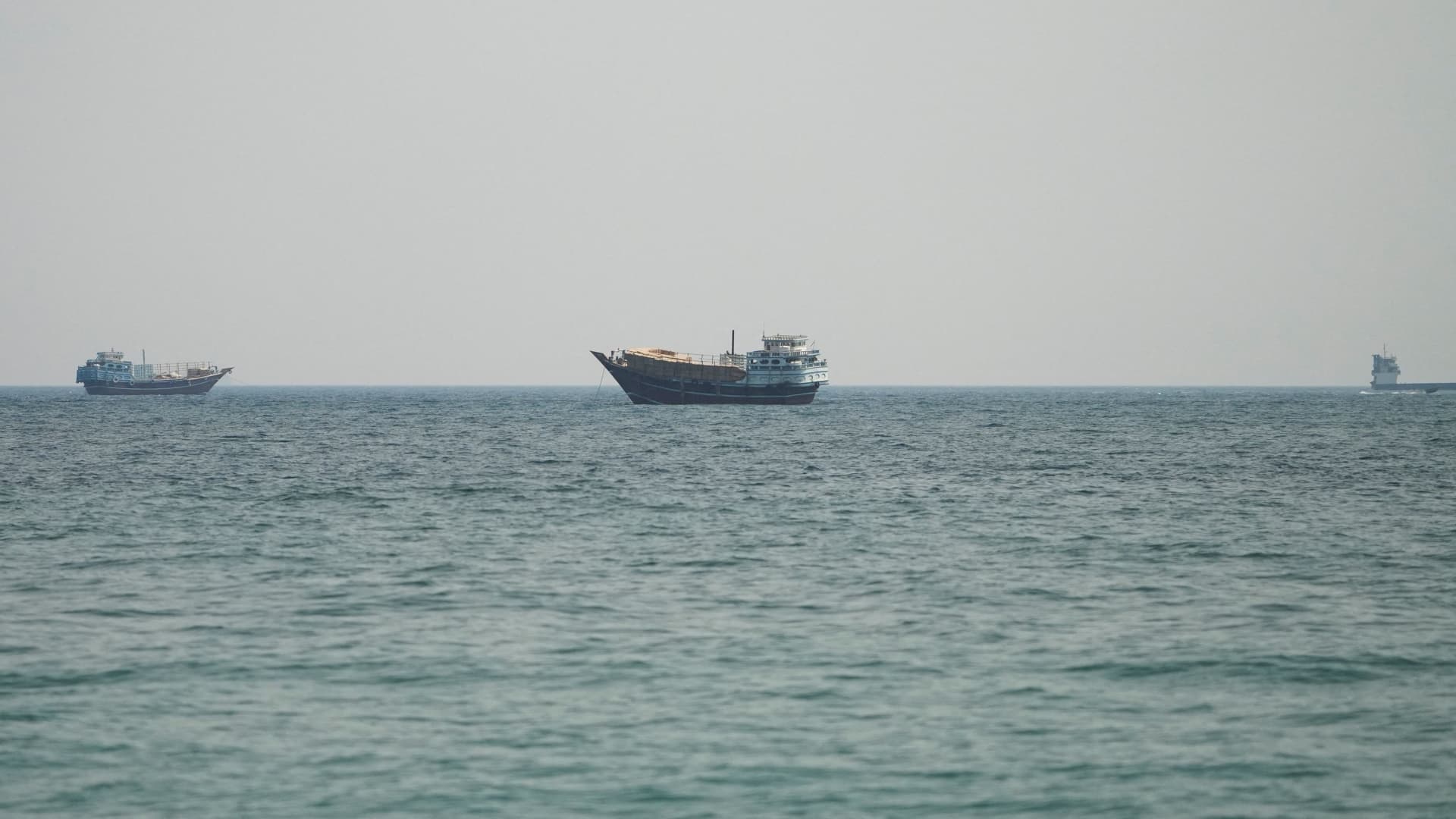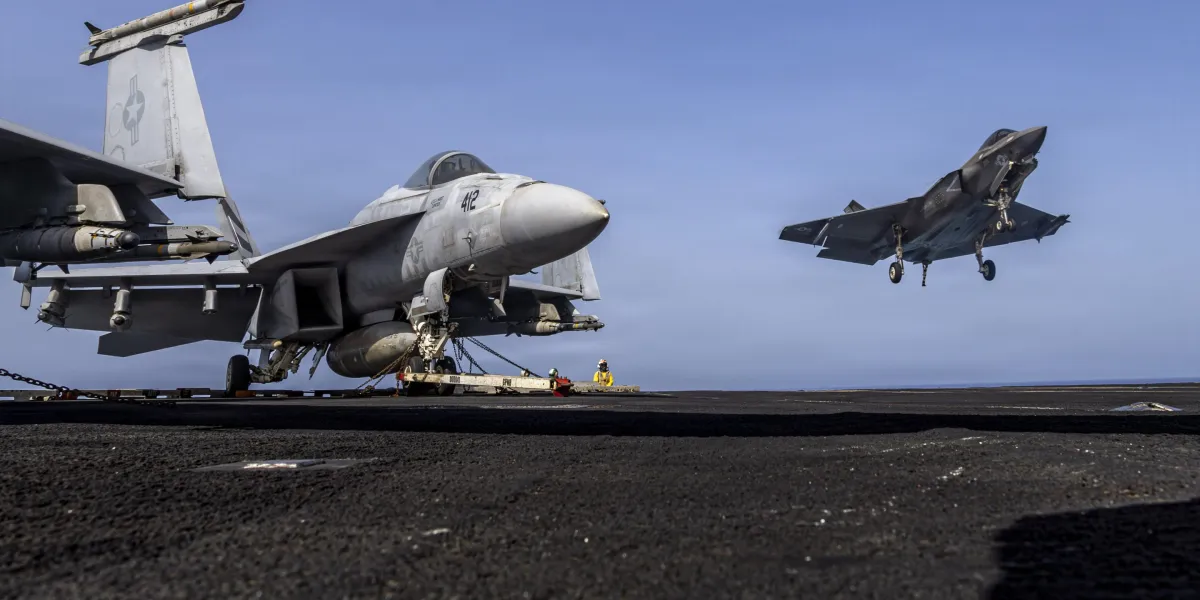
Traffic through the Strait of Hormuz remains just a fraction of pre-war levels, but more ships are transiting lately, especially via a lane carved out by the U.S. military, even as fighting heats up.
That alternate channel has become even more important after Iran vowed Monday to completely close the strait in response to ongoing Israeli attacks in Lebanon. Brent crude prices jumped 7% to $97.32 a barrel.
Over the last three weeks, Central Command has guided about 70 ships in and out of the Persian Gulf, sources told the New York Times, indicating that the route was not close to the Iranian coastline.
That rules out the lane the Islamic Revolutionary Guard Corps established soon after the U.S. and Israel launched their war on Iran. Since then, the IRGC has charged tolls on ships granted permission and attacked any that tried to cross unauthorized.
To bypass the IRGC-controlled lane, the U.S. Navy began mine-clearing operations in April and sent two destroyers through the strait to re-establish freedom of navigation via another route near Oman’s coast. That was followed by Project Freedom last month, which aimed to get more ships out with U.S. help, but it ended after only a few days.