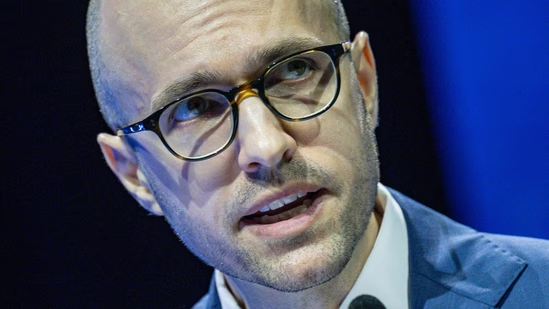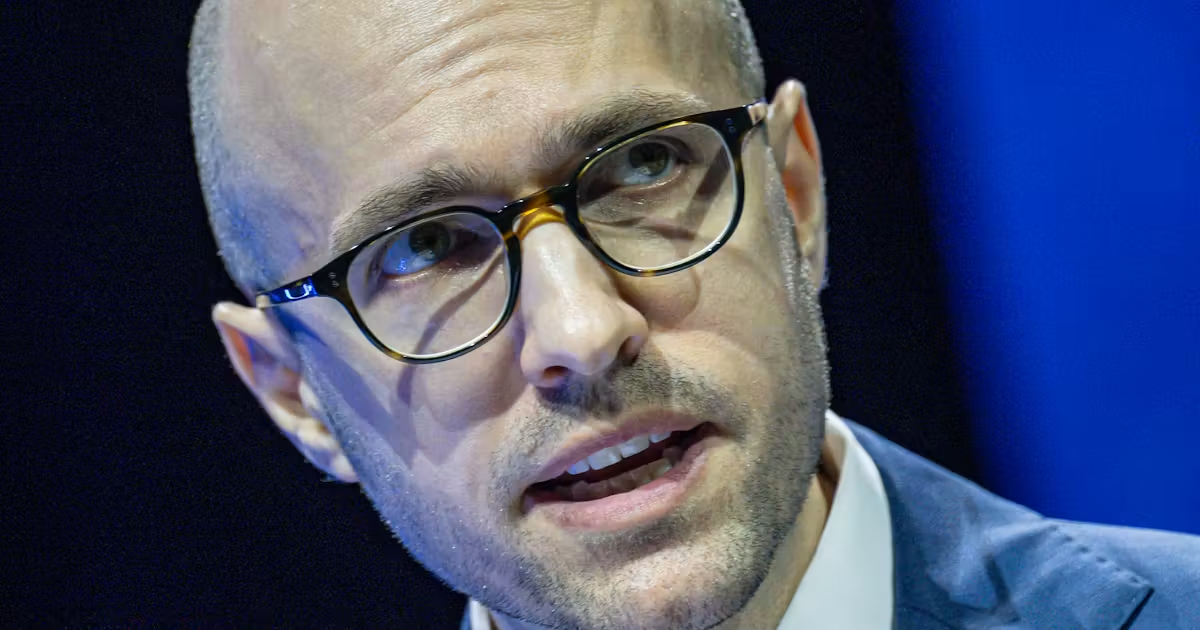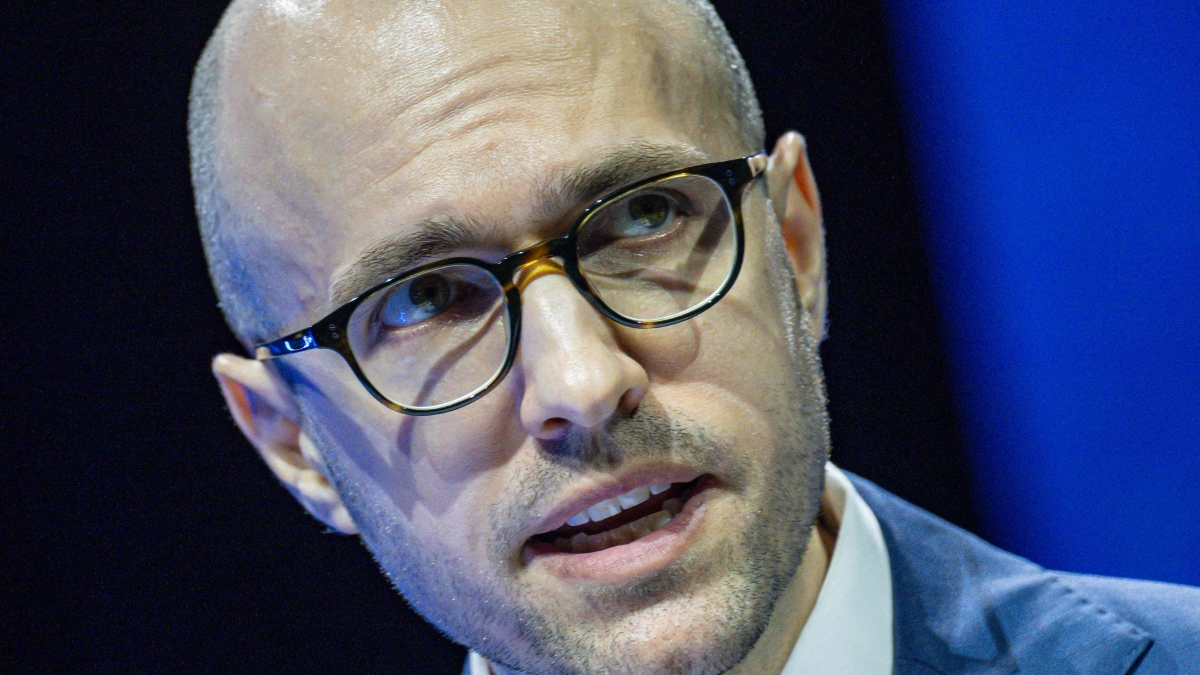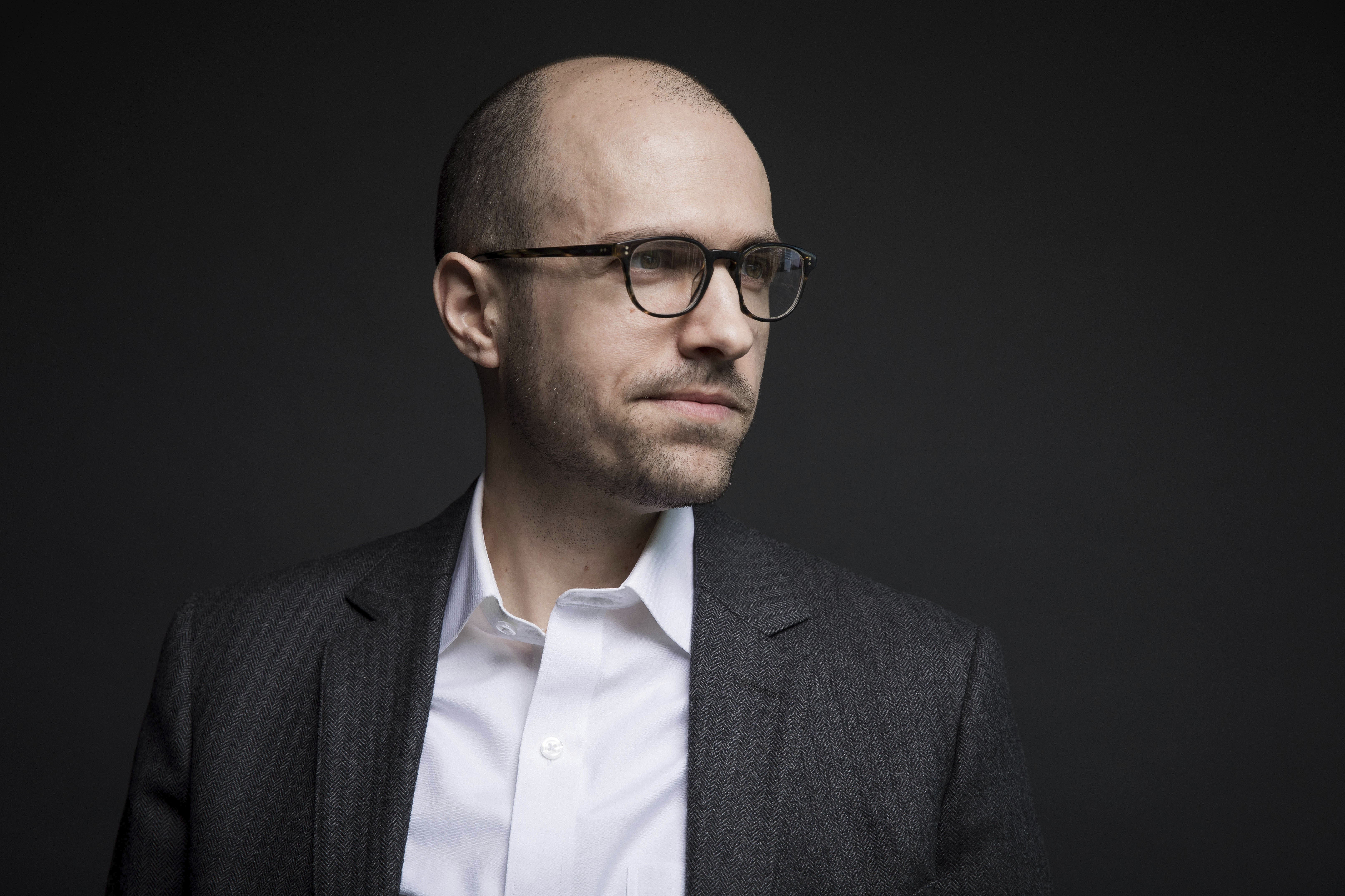
New York Times publisher A.G. Sulzberger warned that AI companies were making choices that could lead to “a great deal of unnecessary harm” to the news business and the public’s access to reliable sources, in a speech delivered during the World News Media Congress in France on Monday.
Companies leading the development of generative-AI systems — including OpenAI, Meta, Anthropic and Google — are “failing to embrace a core responsibility” of their control over the data fueling the technology’s development, Sulzberger said: making sure the public has access to “trustworthy” news. He pinned the cause on the companies’ “hijacking” of the public’s attention, spurred by the content they’ve trained their large language models on, including news articles. Such training has led multiple news organizations, including the Times itself, to sue companies such as OpenAI and Perplexity for copyright infringement.
“I fear we are careening toward a future with fewer and fewer journalists to do the expensive, difficult work of original reporting — going to places, talking to people, digging up information, covering important issues and events, providing context and analysis, investigating the powerful,” Sulzberger said. “A future where a crucial wellspring of a healthy society and a stable democracy — the truth, understanding and accountability provided by original journalism — continues to dry up.”