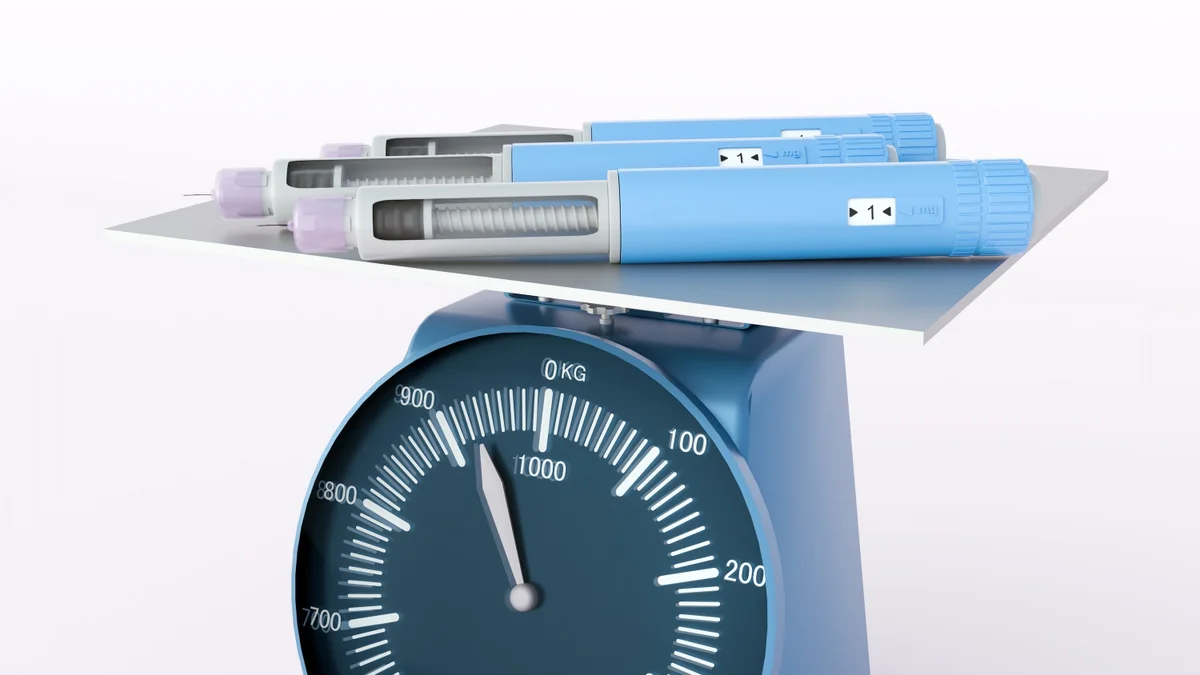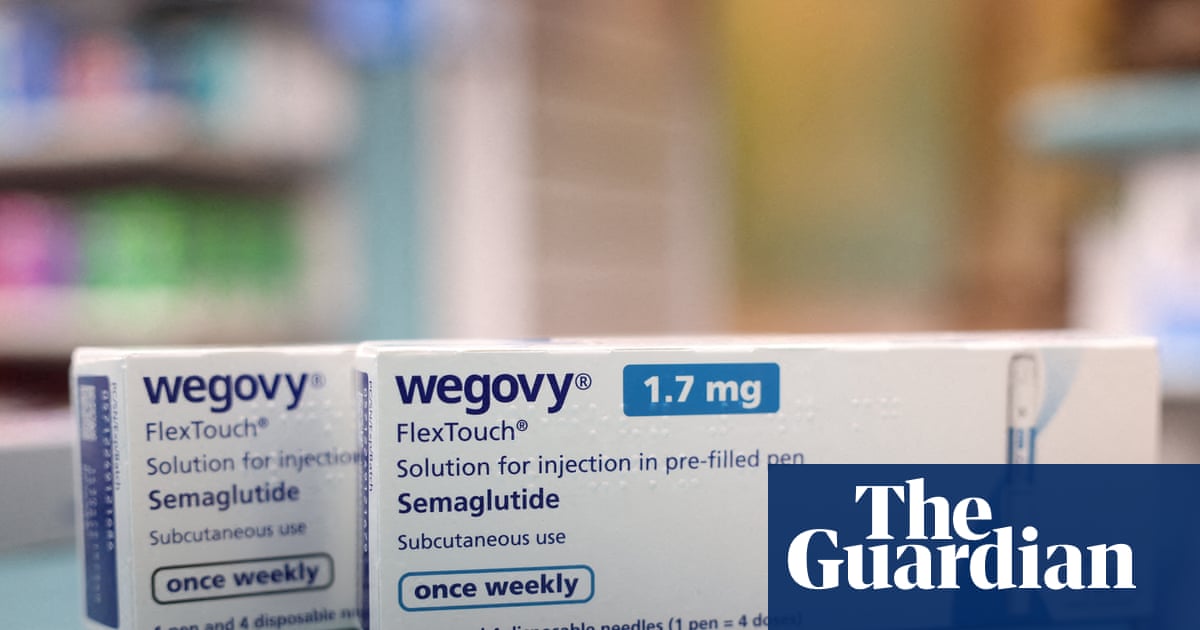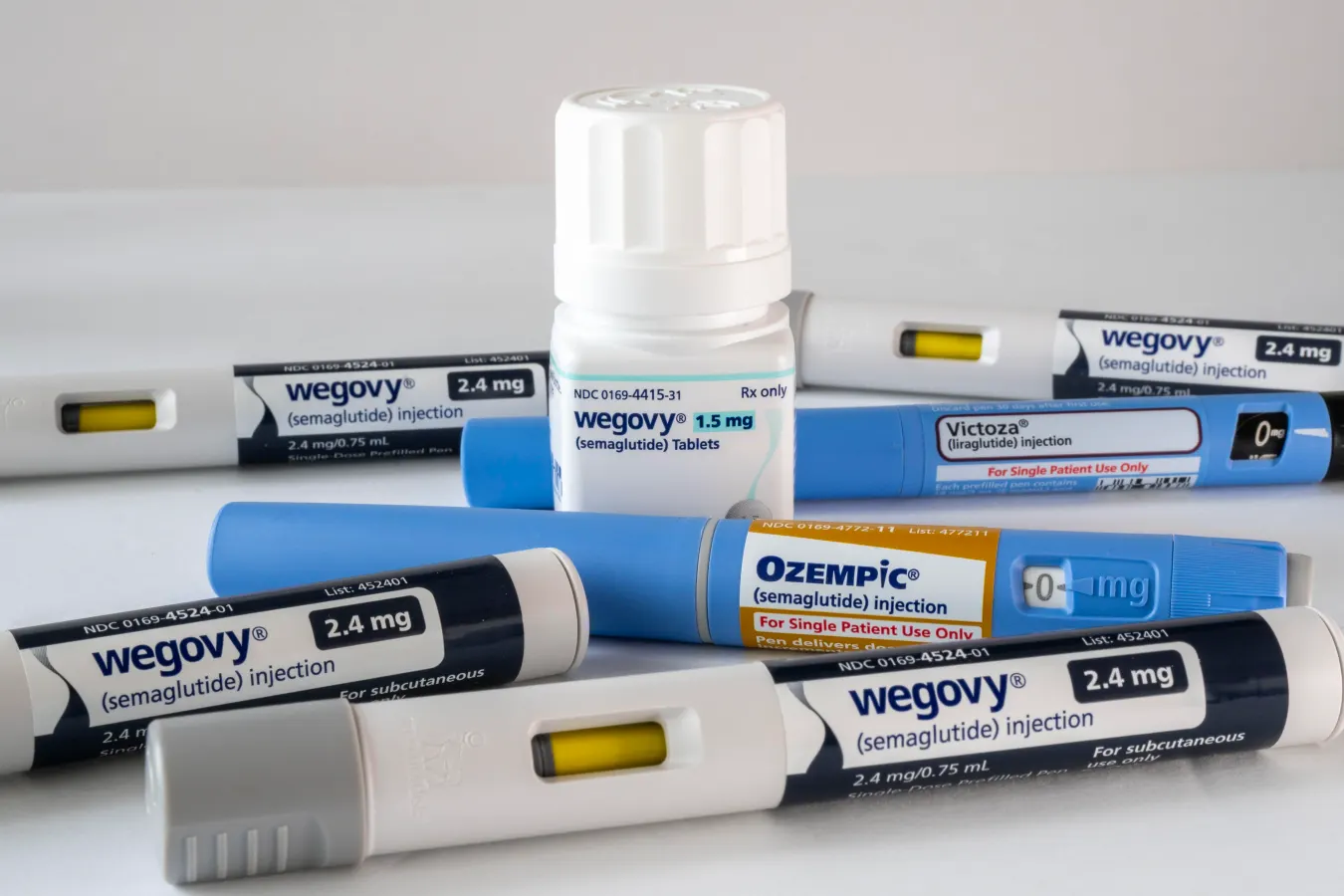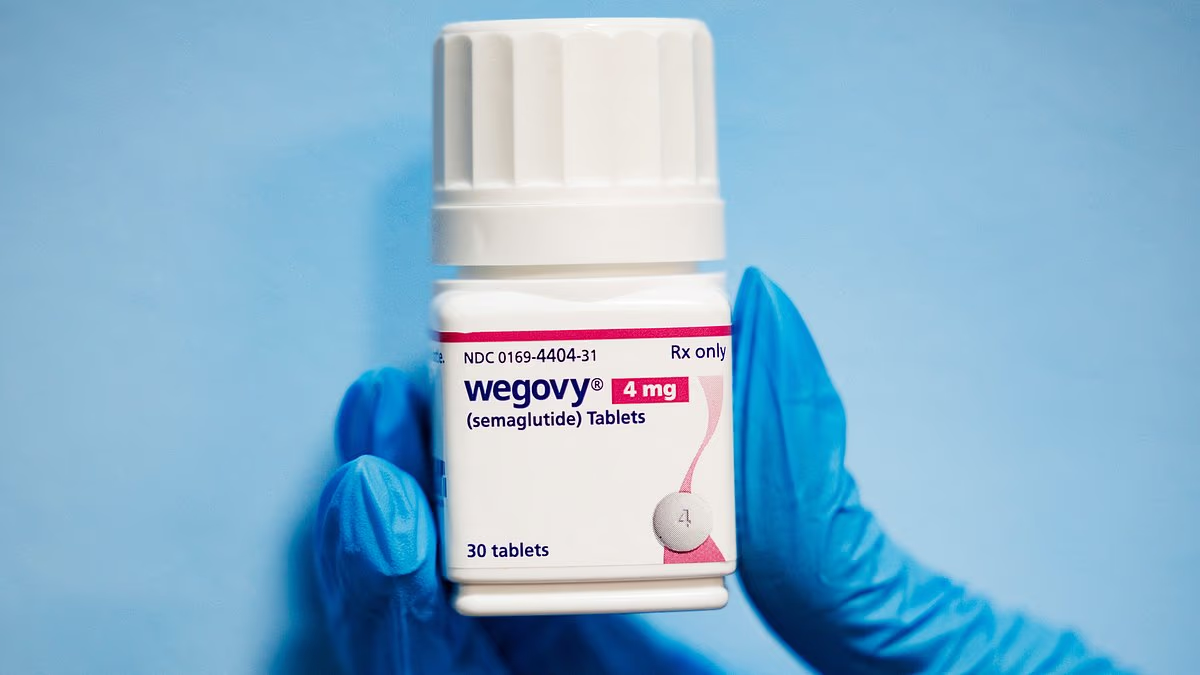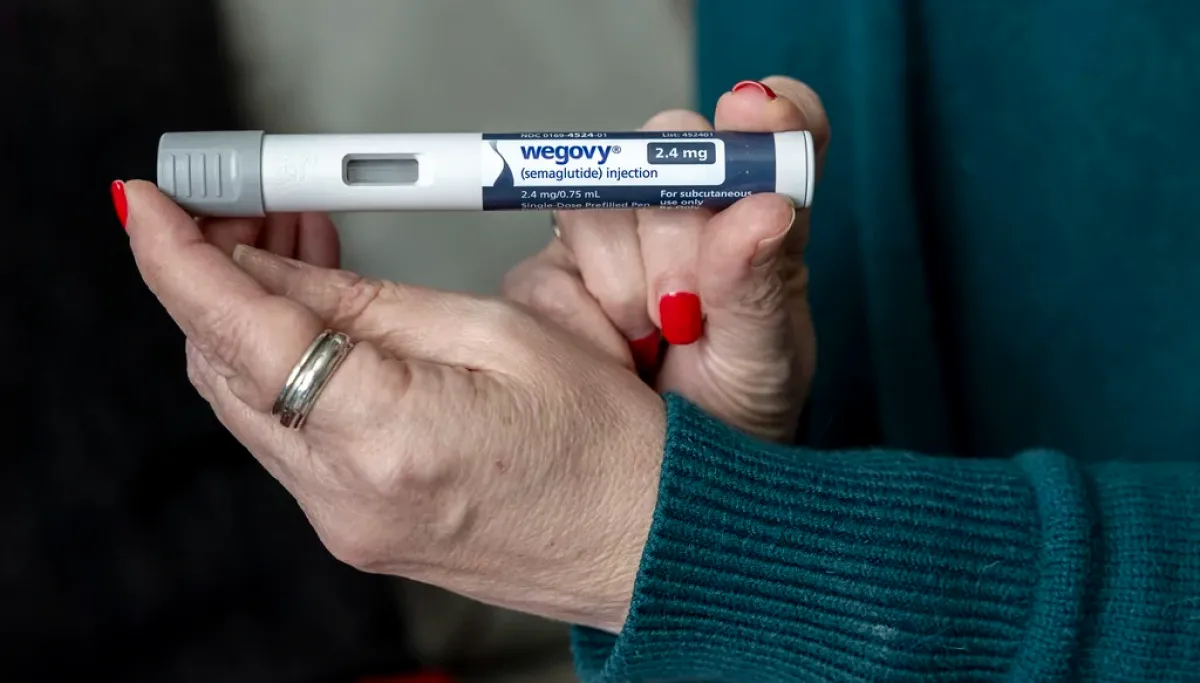
More than 1 in 10 U.S. adults is currently taking a GLP-1 weight-loss drug. And these medicines are getting cheaper seemingly by the day.Since Wegovy launched, its list price has fallen from roughly $1,300 per month to between $300 and $500 per month. Similarly, Zepbound was once about $1,000 per month, but it now costs about $350. The cash prices, for patients not paying with insurance, are even lower.These price drops are no accident. They’re the result of intense competition between rival drug companies — and strong patent protections.
OPINION: AMERICA PAYS TOO MUCH FOR MEDICINE. HERE’S WHO IS DOING SOMETHING ABOUT IT
That might sound counterintuitive. After all, critics of the pharmaceutical industry often claim that drug companies game the patent system to prevent competition and keep prices high. It’s a simple, intuitive narrative. But it’s detached from the reality of pharmaceutical innovation.
In reality, patents don’t give the inventor monopoly pricing power — they encourage market entry.
Patents give innovators and investors the security they need to pursue expensive, risky, and time-consuming research. If inventors make a breakthrough, they know they’ll be able to protect their discoveries, sell them exclusively, and, hopefully, recoup their costs of development and earn a return on investment.