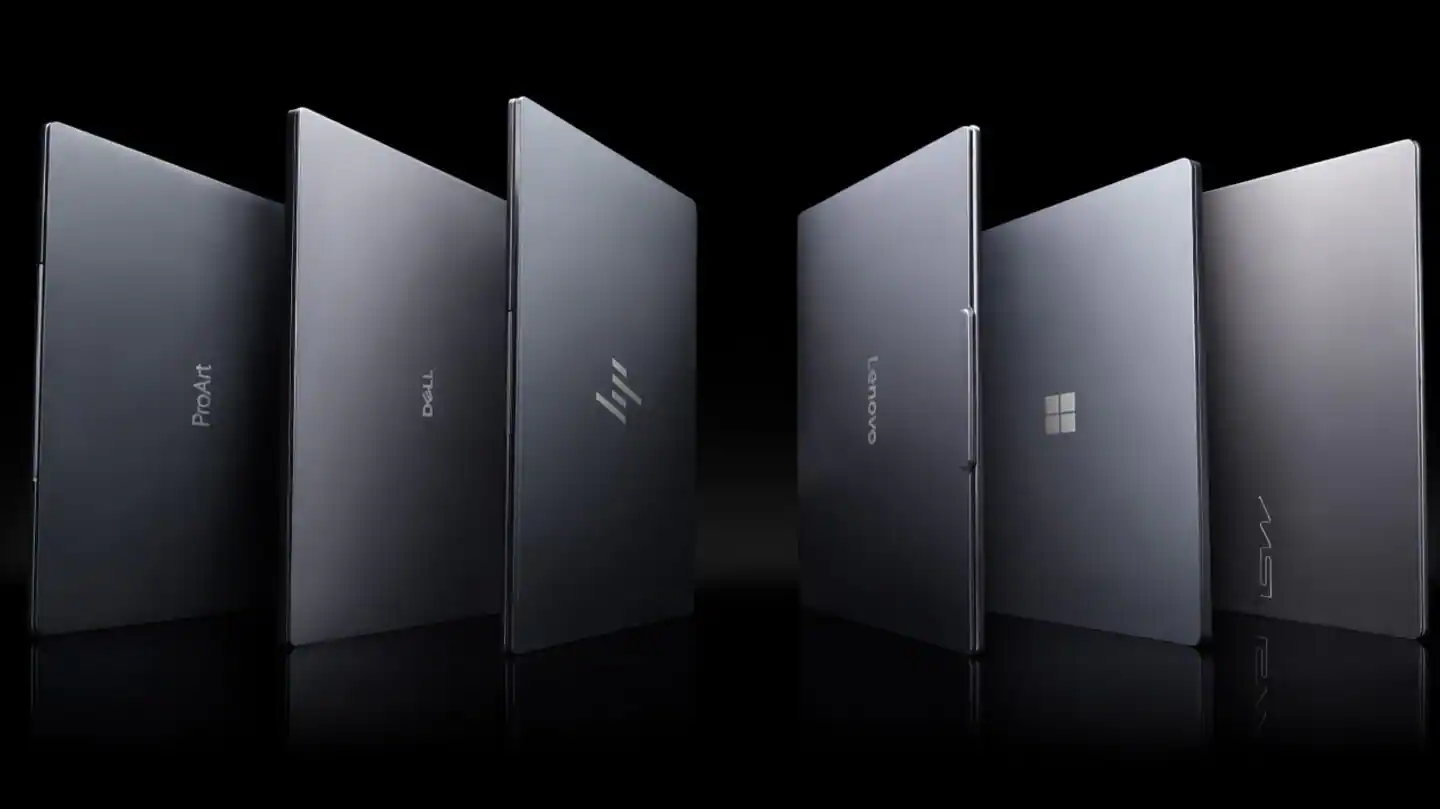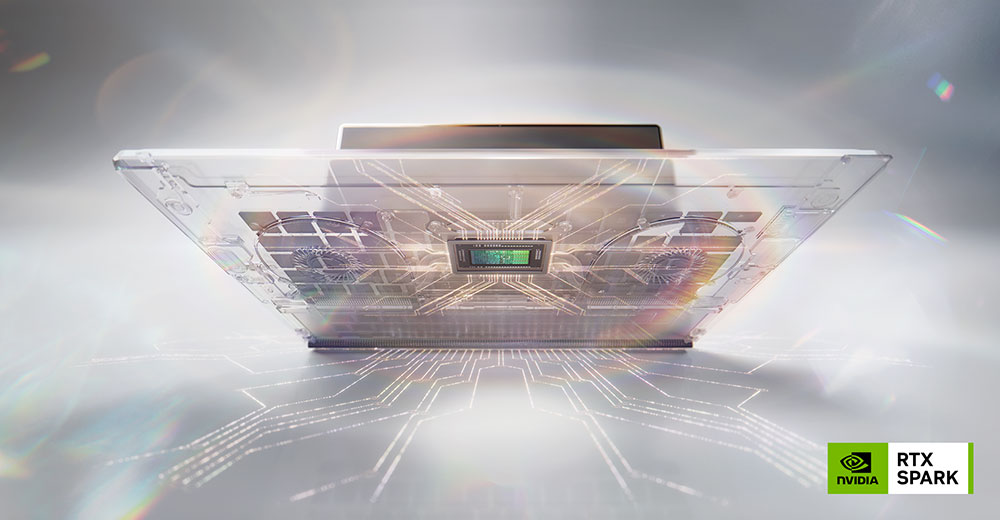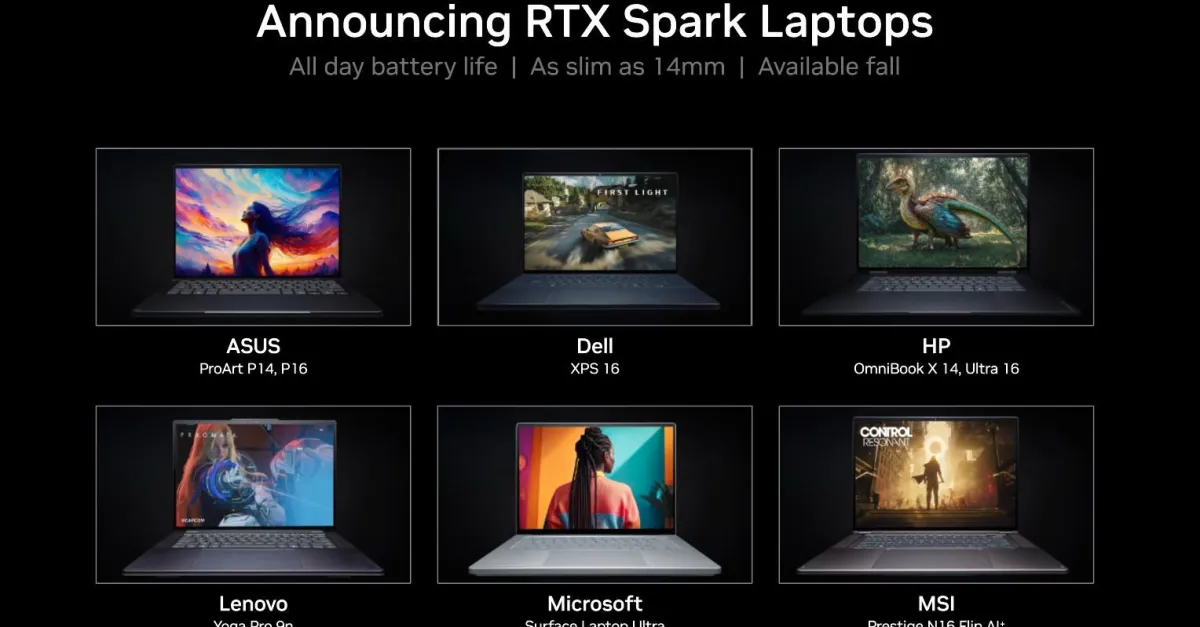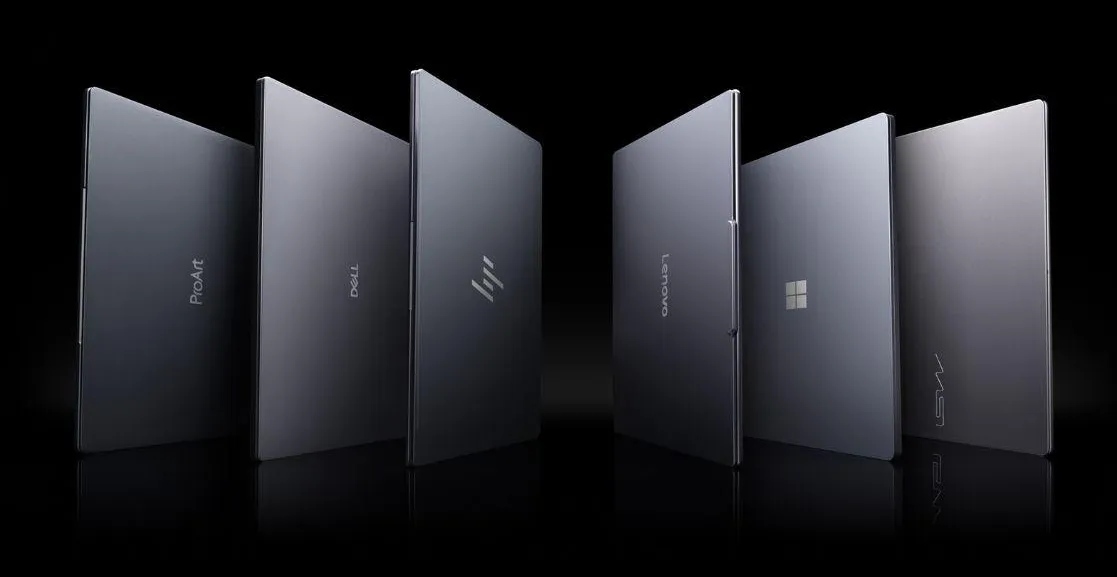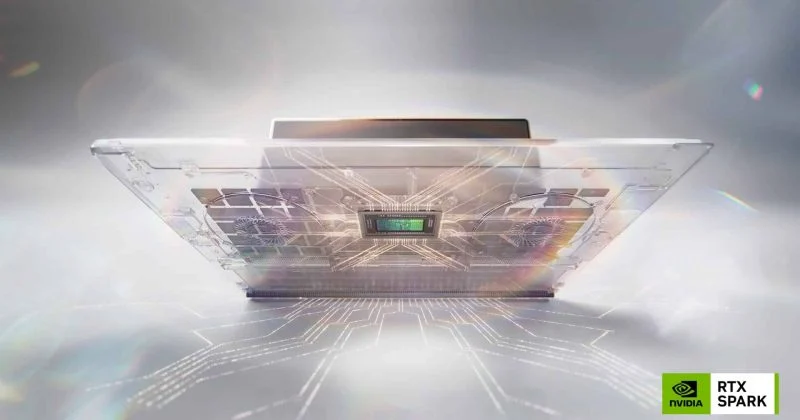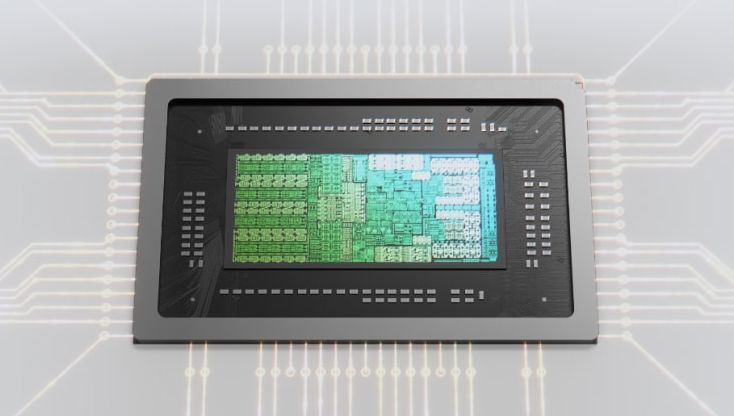
The first Windows laptop and desktop computers with NVIDIA’s new RTX Spark “superchip” are expected to arrive this fall. Major PC makers including Asus, Dell, HP, Lenovo, Microsoft and MSI have already announced plans to release PCs based on the new platform… although we don’t have prices or exact release dates yet.It’s a safe bet that these first systems won’t be cheap though. Aimed at “developers, creators, and power users,” these systems are powered by an NVIDIA chip that combines a 20-core Arm-based CPU with NVIDIA Blackwell RTX graphics featuring 6144 CUDA cores that deliver up to 1 petaflop of local AI processing performance. The platform also supports up to 128GB of unified, high-bandwidth memory.If those features sound familiar, that’s probably for a few reasons. First, the RTX Spark is virtually identical to the NVIDIA GB10 Grace Blackwell Superchip that powers the NVIDIA DGX Spark mini PC that launched last year. The key differences are that the GB10 Grace Blackwell chip only supported Linux at launch and to the best of my knowledge it was only used in NVIDIA’s DGX Spark or third-party devices based on the same platform. The RTX Spark, meanwhile, is fully supported by Windows 11 and it appears that many PC makers are planning to use it for a wide range of devices.A second reason? Details about the new chip leaked hours before it was officially announced. At the time we still knew it as the NVIDIA N1X (675), which appears to be a code-name. That leak also suggested NVIDIA could launch cheaper, lower-performance models for more affordable PCs. But so far the chip maker hasn’t announced any plans for lower-cost variants. So, given that the NVIDIA DGX Spark mini AI Workstation desktop currently sells for $4600, it’s probably best to assume that the first crop of RTX Spark PCs will be expensive.But for those who can afford these systems, NVIDIA is promising “best-in-class power efficiency,” while delivering discrete-class graphics performance for gaming, graphics work, and AI. The company says systems with the new chip can support 120-billion parameter large language models, AAA games at 1440p resolution at 100 fps, and much more.And while Microsoft has been working to make Arm a first-class citizen on Windows 11 PCs, the truth is that many Windows applications still haven’t been compiled to run natively on Arm, which means that the Windows Prism emulator has to do some work when running x86 applications on Arm, which can affect performance. But Microsoft says it’s been working to enhance Prism in recent years, while also working with NVIDIA and third-party developers to port more applications to run natively on Arm.This week’s announcements place an emphasis on creative and gaming applications, with Microsoft noting that tools “like Blender, DaVinci Resolve, Maxon Cinema4D, Maxon Redshift, Topaz Photo, CapCut, Cubase, Bitwig Studio, Affinity by Canva and more all run natively on Arm today” as well as Adope Photoshop and Premiere. For gamers, there’s native support for Epic Eaysy Anti-Cheat and BattlEye software, Xbox support, and “expanded Prism emulator compatibility” which should allow more games to run natively on systems with NVIDIA RTX Spark.This all sounds pretty impressive, but actual hardware releases are still months away. We haven’t seen benchmarks, prices, or other key details. The fact that multiple PC makers have introduced RTX Spark-powered systems shows that they see promise in the platform. But it’s too soon to say whether these systems will appeal to consumers.Here are some of the first RTX Spark-powered PCs to keep an eye out for in the coming months:Asus ProArt 14Asus ProArt 16Asus ProArt Mini PCDell XPS 16 Creator EditionHP OmniBook X 14HP OmniBook Ultra 16Lenovo Yoga Pro 9iMicrosoft Surface Laptop UltraMSI Prestige N16 Fip AI+NVIDIA press release
Windows PCs with NVIDIA RTX Spark chips coming this fall with petaflop AI performance - Liliputing
Windows PCs with NVIDIA RTX Spark chips coming this fall with petaflop AI performance
619 words~3 min read