Nigeria’s National Development Plan (2021–2025) identifies the protection of women’s maternal health as a key driver of national development. Central to the plan is the goal of reducing maternal mortality from 512 deaths to 300 deaths per 100,000 live births by 2025, while also tackling malnutrition among women of reproductive age. The broader ambition aligns with Nigeria’s commitment to the Sustainable Development Goals (SDGs) and the global “Zero Preventable Maternal Deaths” initiative, which seeks to reduce maternal mortality to 70 deaths per 100,000 live births by 2030.
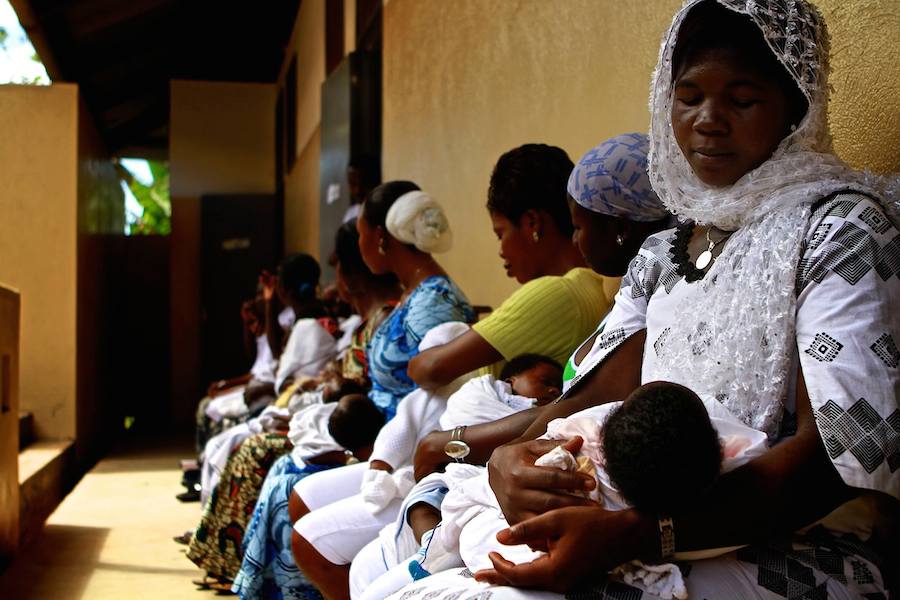
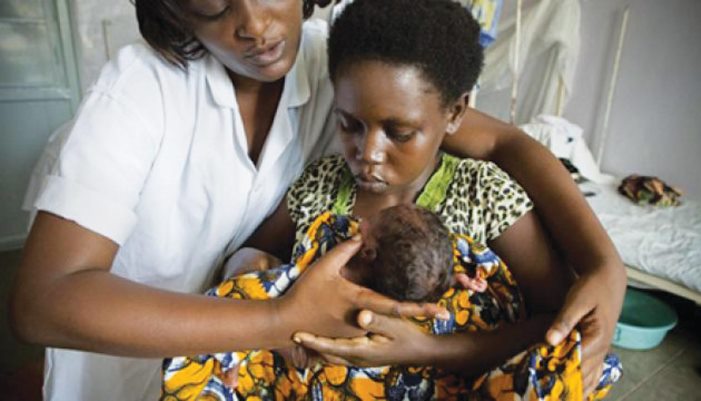
But behind every statistic is a person. A name. A story. When I think about what this crisis actually means, I think about pregnant women whose lives are endangered daily by a lack of access to essential nutrition and healthcare. I also think about whose resilience, alongside that of the health workers and communities around them, rarely makes it into the policy conversation.
At the core of the fight to keep mothers alive is sustained financing and consistent access to lifesaving nutrition interventions, including multiple micronutrient supplements (MMS), which help address deficiencies in iron, folate and other essential nutrients. Deficiencies in these nutrients continue to fuel Nigeria’s high maternal mortality rate.