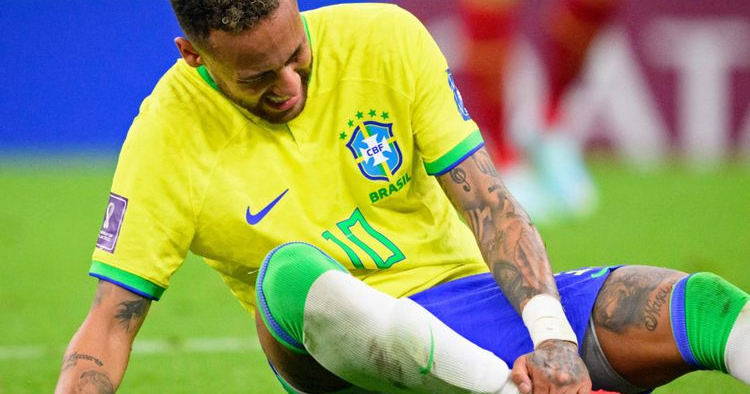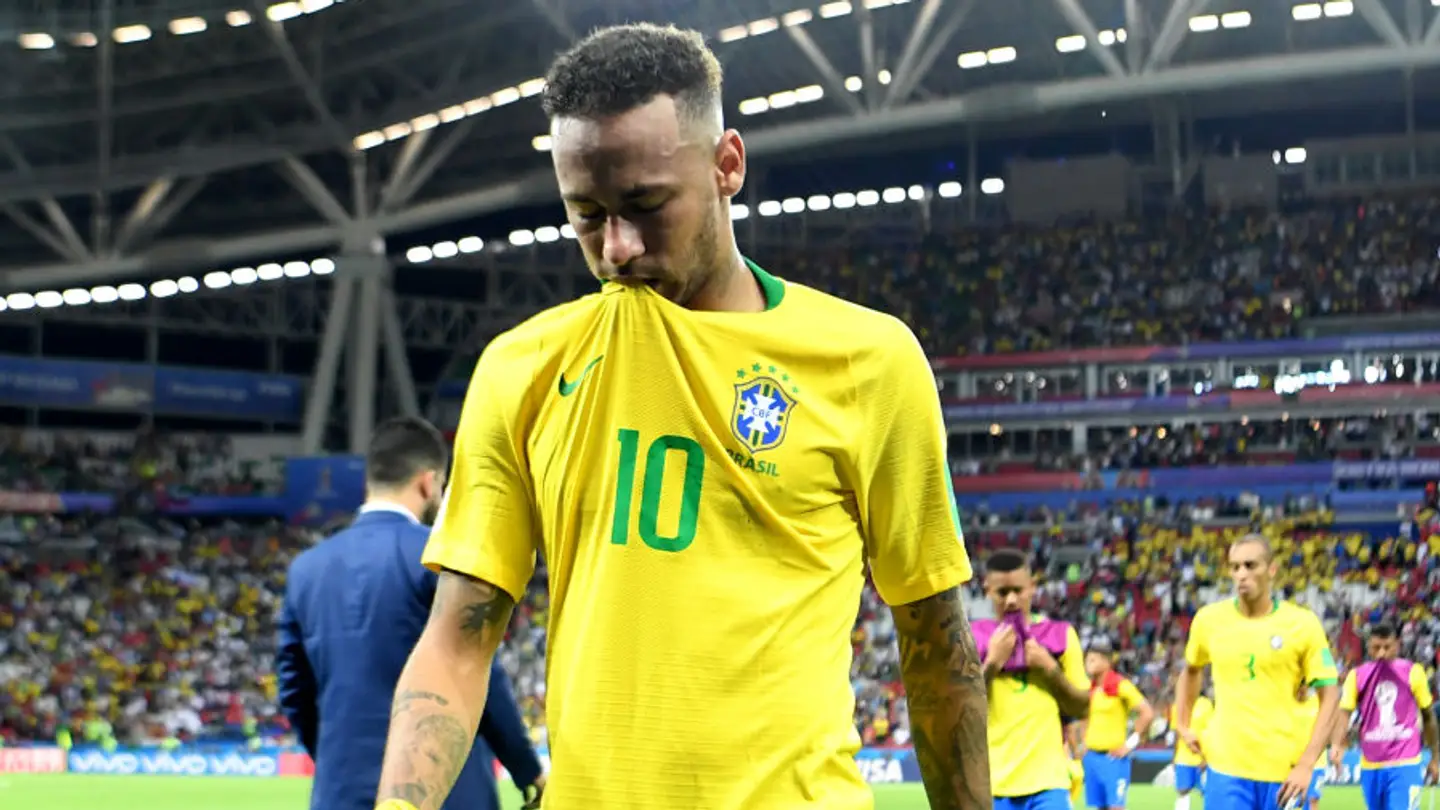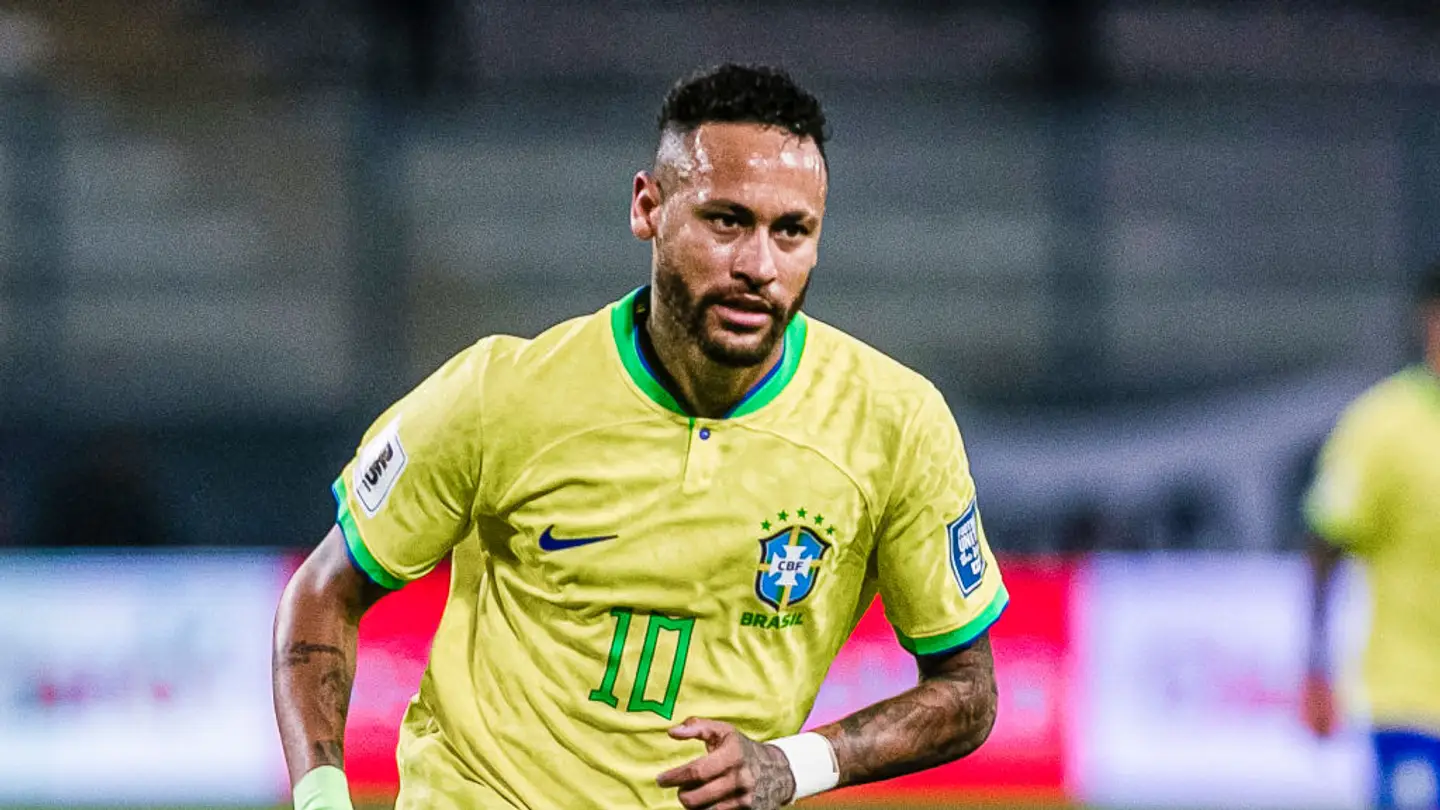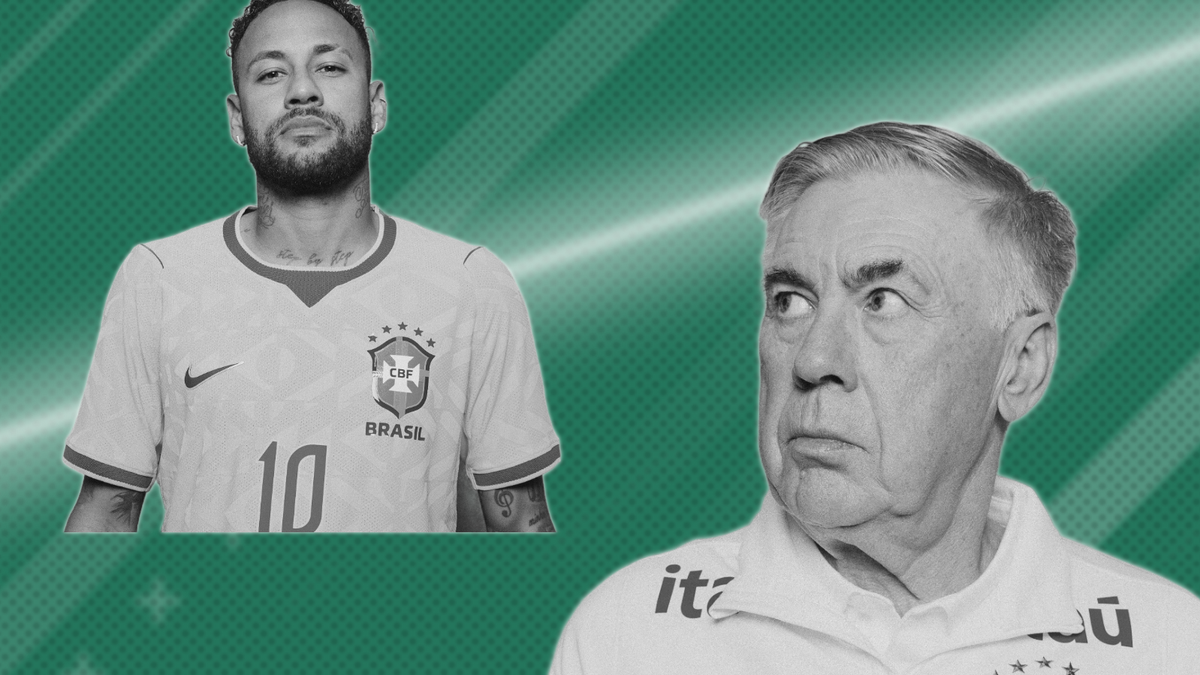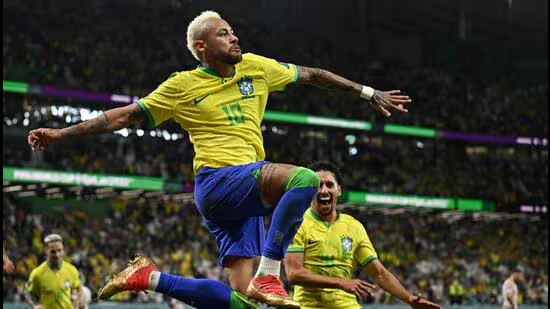
Kolkata: For all the tactical sophistication that makes Carlo Ancelotti perhaps the most universally respected coach of his era, there is something undeniably perplexing about the Italian trying to build any part of Brazil’s World Cup project around Neymar. It isn’t desperate because Neymar lacks greatness. It is desperate because Brazil keep turning to him as though history have left them with no alternative.Neymar celebrates after scoring against Croatia during the quarter-final of 2022 FIFA World Cup in Doha. (REUTERS/FILE)Till last week, Neymar, 34, was undergoing physiotherapy at Santos with the club management publicly describing his case as a mild oedema in his right calf and the Brazilian football confederation (CBF) taking a more cautious approach about his recovery timeline. He didn’t take part in the first closed training session at Granja Comary on Wednesday, and has been referred to a clinic in Teresopolis for further tests.It wasn’t supposed to go down like this. With a succession plan claimed to be in place, Brazil slowly moved toward a younger, faster, more collective future built around players such as Vinícius Júnior, Rodrygo and Endrick. Supporting this change was a recognition, sometimes reluctant, that Neymar’s era was ending not with triumph but a recurring referendum on his emotional state in the face of devastating defeats. And yet Brazil never truly moved on.Part of that is structural. Brazilian football still produces attackers in industrial quantities, but very few genuine playmakers. Neymar, even diminished and injured, remains one of the most naturally inventive players, the only one capable of slowing chaos into clarity. He sees passes others aren’t capable of. He manipulates tempo instinctively. In moments of tension, teammates still search for him automatically, the way previous generations searched for Pele or Ronaldo.But the Neymar picked for this World Cup won’t be the blur who burst through defenders at Santos or the devastating hybrid creator-finisher who helped power Barcelona to European dominance. He will arrive instead as a footballer reconstructed by medicine, scans, rehabilitation and nostalgia. Every major injury has subtly altered his game. The acceleration is bound to take the first hit. Then the flexibility. Now, even availability feels uncertain.Then again, history testifies that Brazil’s football has been driven more by emotion than by logic. It has always demanded joy from its greatest players. The burden placed on Neymar was never simply to win, it was to make Brazil happy. And that, more than anything, explains why his career, though magnificent, feels strangely unresolved.He arrived at Santos as a teenager with the promise attached to football geniuses. When he joined Barcelona in 2013, that forward line comprising Lionel Messi and Luis Suarez looked so good that it felt unfair to opponents. There were nights—particularly during the 2015 Champions League run—when he looked like the future of football itself. But there’s no doubt he also had to joust for fame with Messi and Cristiano Ronaldo, two players who distorted the scale by which everyone else was judged.“Cristiano and Lionel are better than any player today. It’s difficult to compete with them,” Neymar was quoted as saying in 2014. “I don’t know if I’ll reach their level, but I hope to better myself each day. I always want to be better than I am.”When he moved to Paris Saint-Germain in 2017, it presented an opportunity to escape Messi’s orbit. Instead, it became the stage where the contradictions of Neymar’s career hardened into permanence. On certain nights, he was brilliant, of course. But there were also layoffs and injuries around decisive moments adding up to a lot of frustration.And then there was Brazil. At the 2014 World Cup on home soil, Neymar was not simply the team’s best player but their emotional framework. When his tournament ended with a brutal back injury following a foul against Colombia, Brazil withered psychologically before collapsing to that shocking 1-7 defeat to Germany. The image of Neymar weeping on the bench became part of his mythology—gifted but burdened, versatile but vulnerable.Four years later in Russia, Neymar became something else entirely. The diving memes, the rolling theatrics, the exaggerated grimaces—all of it transformed him from a romantic hero into a morning news punchline. It obscured the reality that he was still recovering from injury while trying to carry an ordinary Brazil side further than they likely deserved to go.By Qatar in 2022, Neymar seemed closer to finding his peace. There was maturity in his play, patience in his movement. His goal against Croatia in the quarter-final—drifting through defenders before finishing with exquisite calm—felt like a winning masterpiece. It came undone with the equaliser and the subsequent penalty shootout that knocked out Brazil. The image of Neymar, not called upon to take the fifth penalty, crying alone on the pitch while Croatia celebrated around him looked less like sporting defeat and more like a man confronting time itself.“I am psychologically destroyed,” Neymar wrote after that match. “It is definitely the defeat which has hurt me the most, which left me paralysed for ten minutes after the match, after which I burst into tears without being able to stop.”But Brazil, as ever, kept the door open. It’s a seductive idea—Ancelotti bringing back the country’s highest goalscorer, the player who once promised to restore Brazil’s footballing pride. But it’s also a decision fraught with risk. Brazil spent years trying to decentralise itself, only to revert to building the team around a figurehead, that too with suspect fitness. And that’s perhaps the truest measure of Neymar’s complicated place in Brazil’s history. Even now, with time running out and younger stars emerging around him, Brazil still can’t quite convince itself to let go.
Why Brazil keep turning to Neymar
His selection shows the need for a totem even one reconstructed by medicine, scans, rehabilitation and nostalgia | Football News
937 words~4 min read