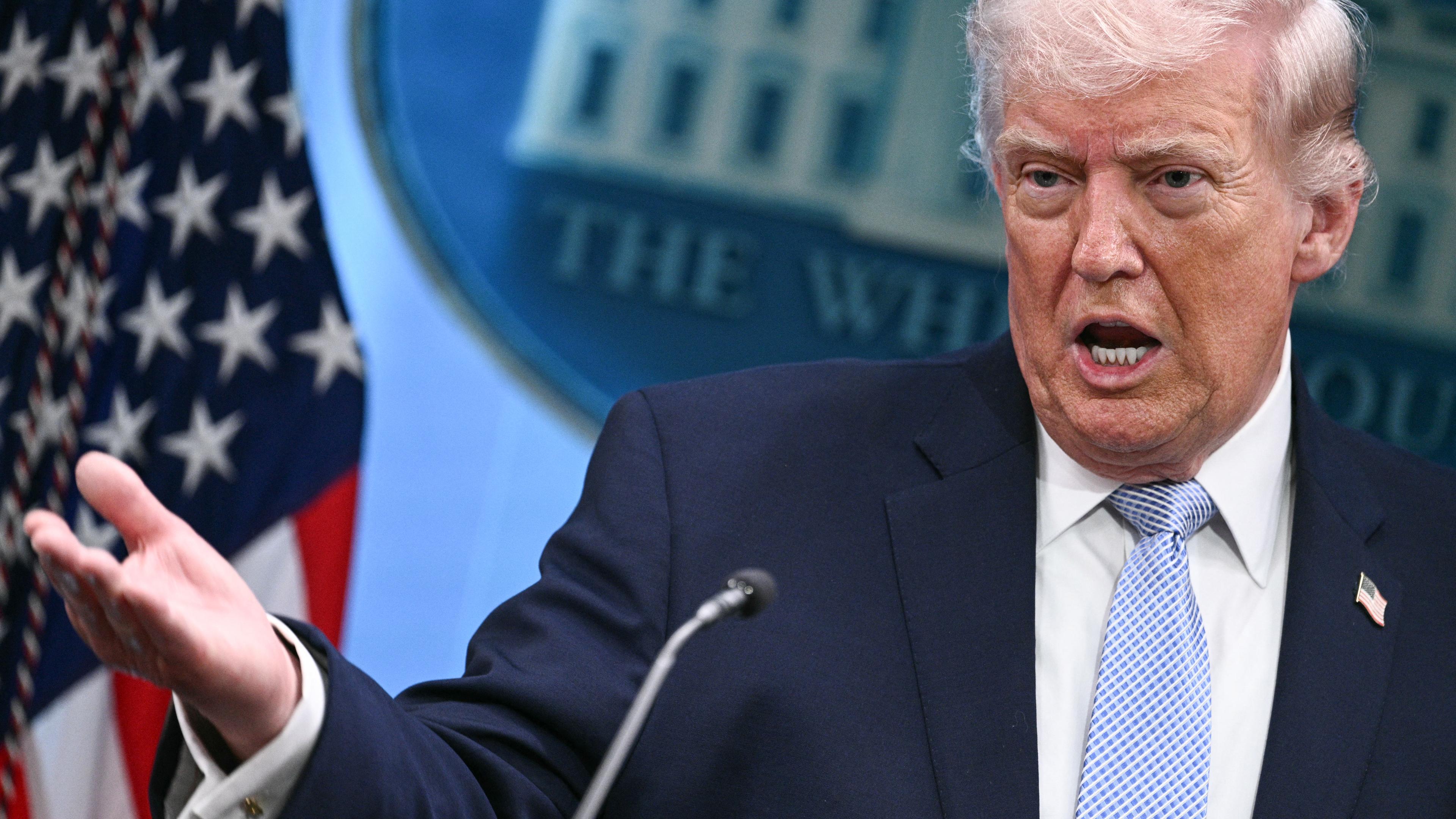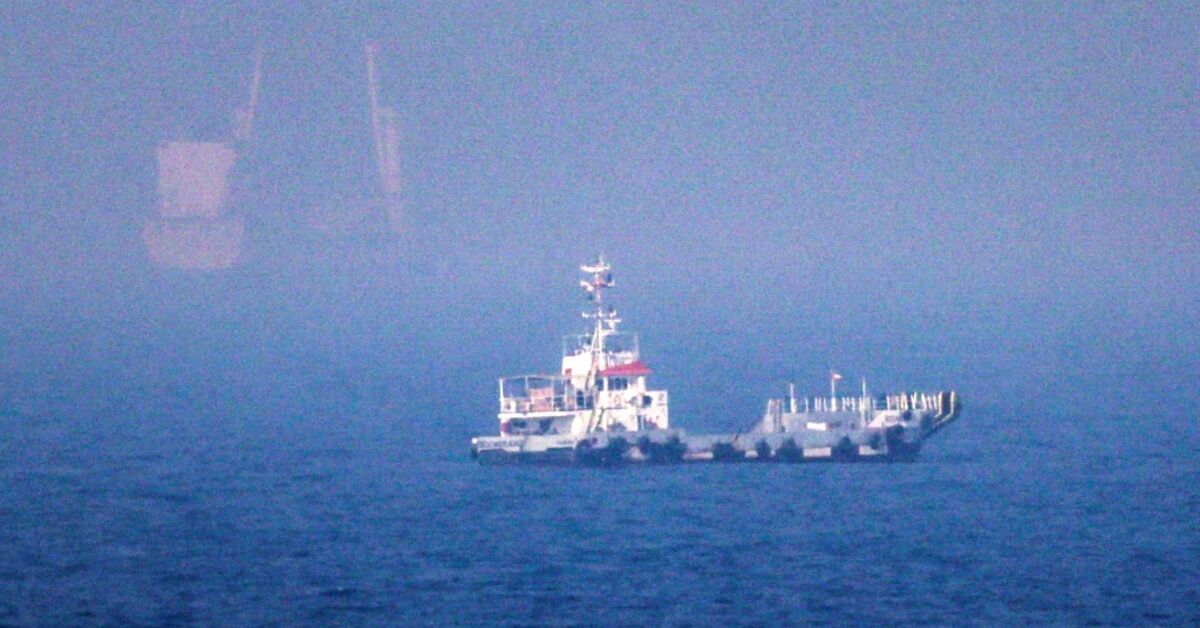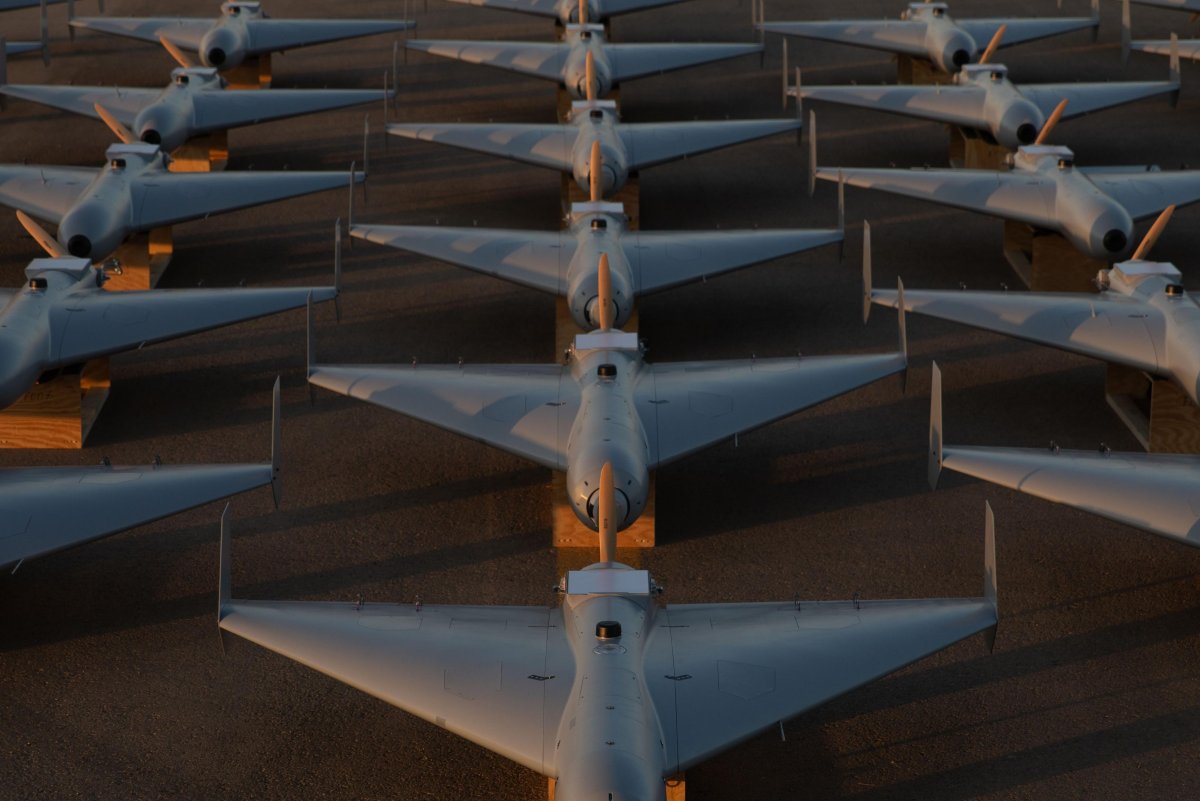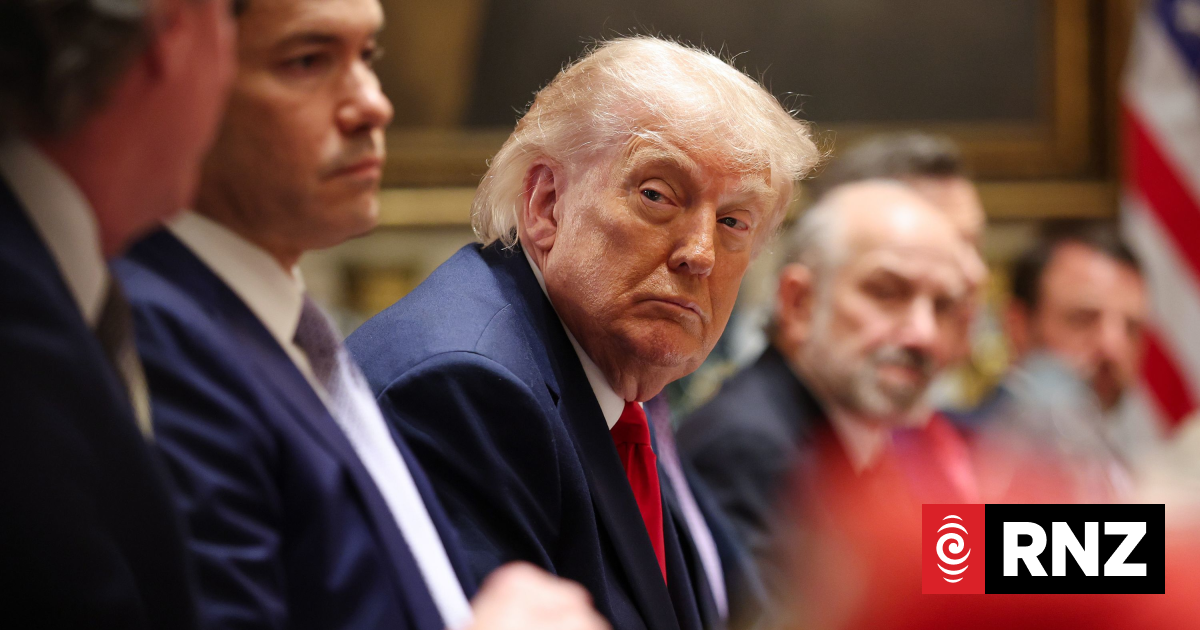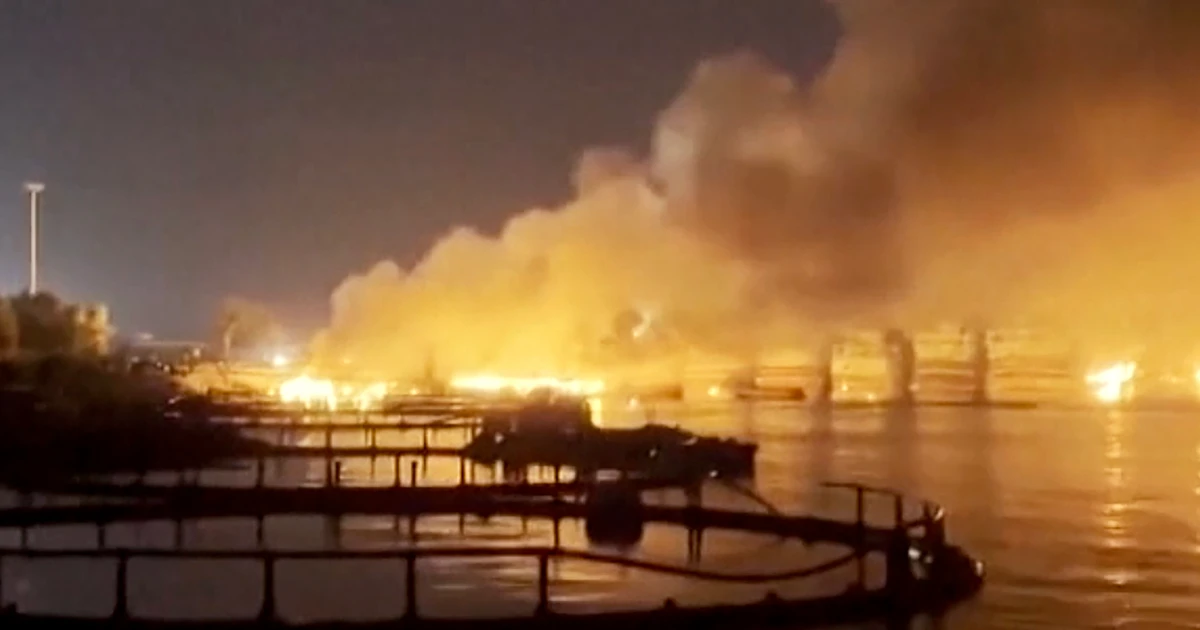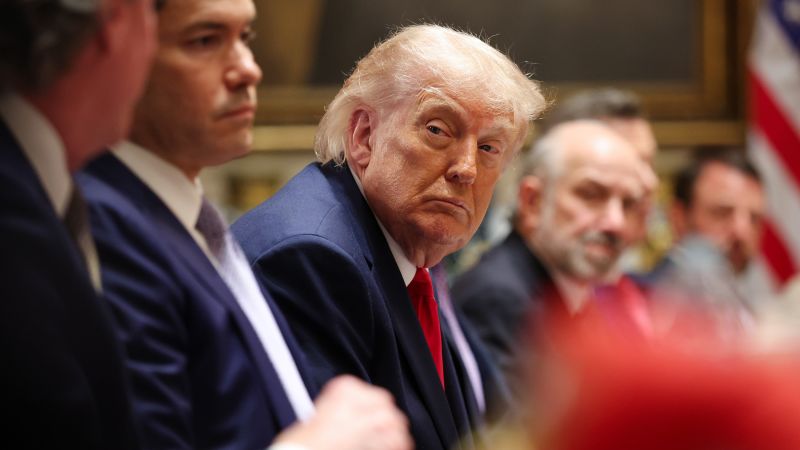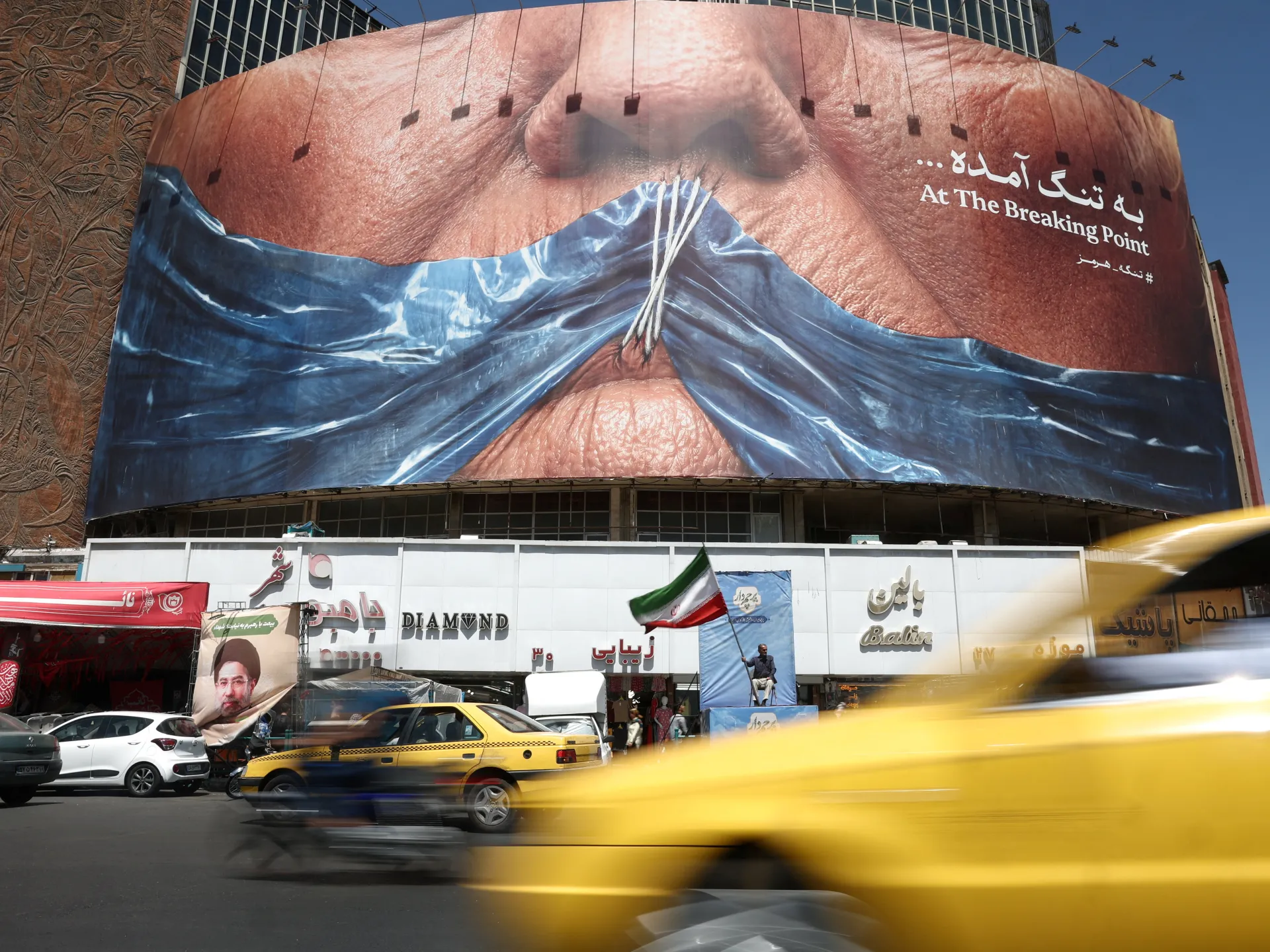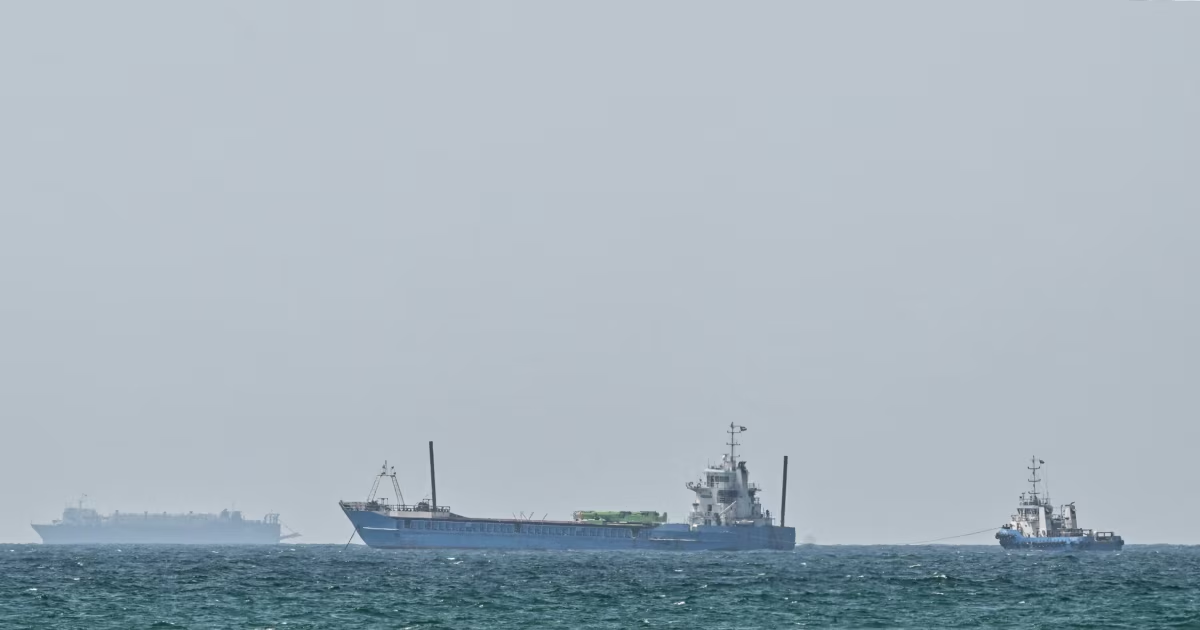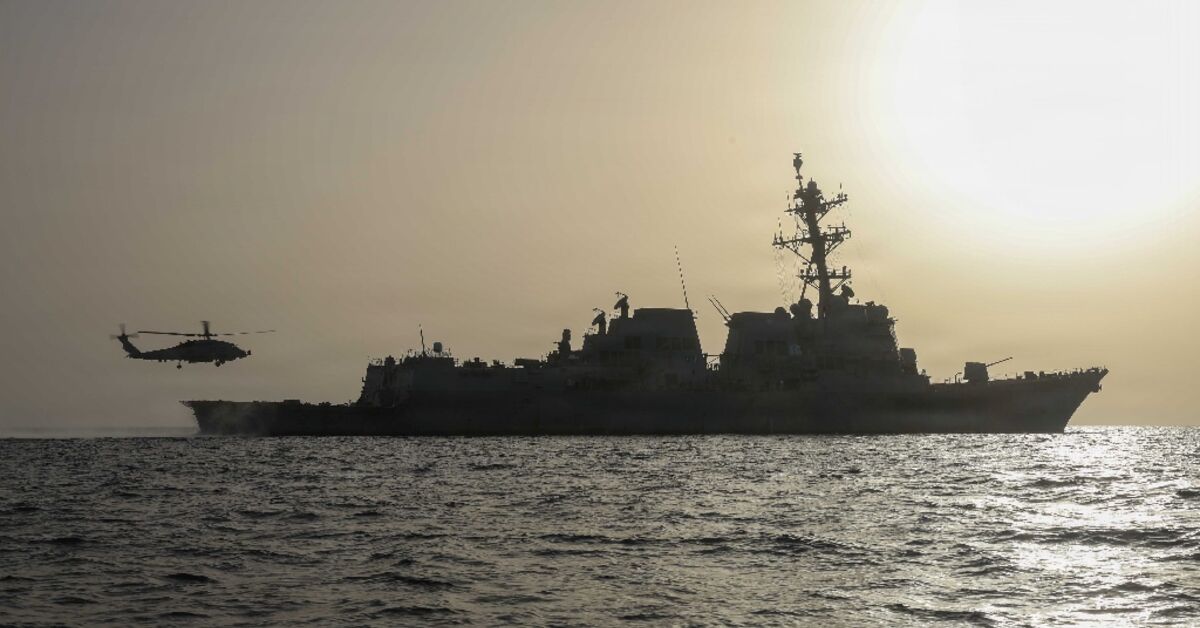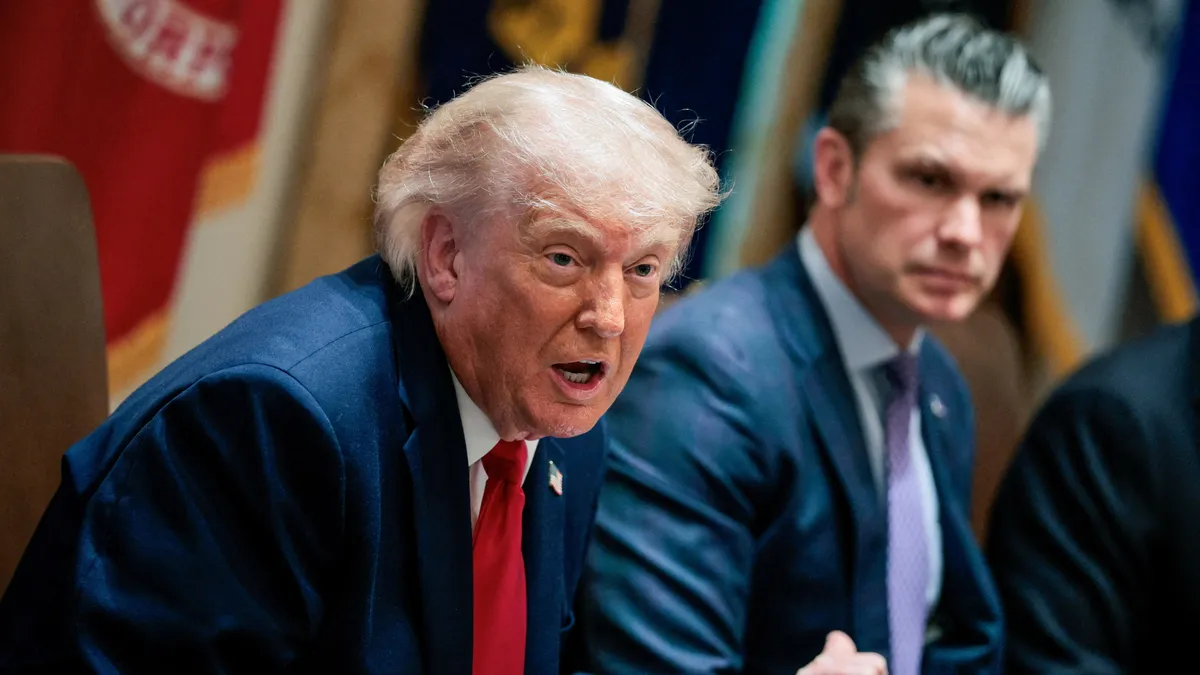
The United States and Iran traded strikes over the weekend and blamed each other for the escalation, testing a fragile ceasefire and threatening to derail diplomatic efforts to end the 3-month-old war.The U.S. military said Monday, June 1, that it carried out "self-defense" strikes on Iranian radar and drone sites after Tehran shot down an American drone over the weekend. After the latest U.S. bombardments, Iran said, it targeted an air base used by American forces.“Iran really wants to make a deal and it will be a good one for the U.S.A,” President Donald Trump said in a morning post on social media. The president did not mention the weekend strikes but blasted opponents of the war, including those he described as "seemingly unpatriotic Republicans.""Just sit back and relax, it will all work out well in the end - It always does!" he said.After Iran announced retaliatory strikes, the Kuwait Army said June 1 that its air defenses were confronting and intercepting hostile missile and drone attacks. The army advised the public in a post on X to “adhere to the security and safety instructions.”The latest strikes come amid efforts to resolve the conflict, which has killed and wounded thousands across the Middle East and surged global energy prices. It's unclear how the latest escalation would affect negotiations. The two countries similarly traded airstrikes last week despite the ceasefire.Trump met with his national security team on May 26 but did not make a final determination on a deal to end the war. Among the main sticking points in negotiations is Iran's nuclear program. Trump has repeatedly said Iran must dispose of its enriched uranium and end its nuclear program as part of any deal. Iranian leaders have called their right to uranium enrichment non-negotiable.As the war drags on, Iran has maintained its grip on the Strait of Hormuz, where one-fifth of the world's oil and natural gas flows. The conflict has become increasingly unpopular in the United States as Americans face higher prices at the pump. Average U.S. gas prices were at $4.32 a gallon as of June 1, according to AAA.Iranian Foreign Ministry spokesperson Esmaeil Baghaei accused Washington June 1 of shifting its negotiating positions and condemned what he described as U.S. aggression. The country's top diplomat, Abbas Araqchi, also accused Israel of violating the terms of the truce as it intensifies attacks on southern Lebanon in its war against Iran-backed Hezbollah."Violation on one front is a violation of the ceasefire on all fronts," Foreign Minister Araqchi wrote on X. "The U.S. and Israel are responsible for the consequences of any violation."Israeli Prime Minister Benjamin Netanyahu said June 1 that he had ordered attacks on Hezbollah-controlled suburbs of Beirut, Lebanon's capital. Israel's military also has expanded its ground invasion of southern Lebanon, where it has established a buffer zone, forcing hundreds of thousands from their homes and destroying villages near Israel's northern border.Israel launched the ground invasion after Hezbollah attacked the country in support of Iran. Despite a ceasefire struck between the Lebanese government and Israel, Hezbollah and the Israeli military have continued to trade strikes and rocket fire, threatening negotiations between Washington and Tehran.Since the war began Feb. 28, thousands of people in Iran and Lebanon have been killed, according to the countries' respective health ministries. Israel says 23 of its soldiers and four civilians have been killed over the same period. Thirteen U.S. service members have died in the conflict.Contributing: Joey Garrison, USA TODAY; ReutersChristopher Cann is a national news reporter at USA TODAY. Contact him at ccann@usatoday.com or follow him on X @Chris__Cann.
US and Iran trade strikes as Trump says Tehran 'wants to make a deal'
The U.S. and Iran traded fresh strikes over the weekend, threatening a possible deal to end the three-month war.
600 words~3 min read