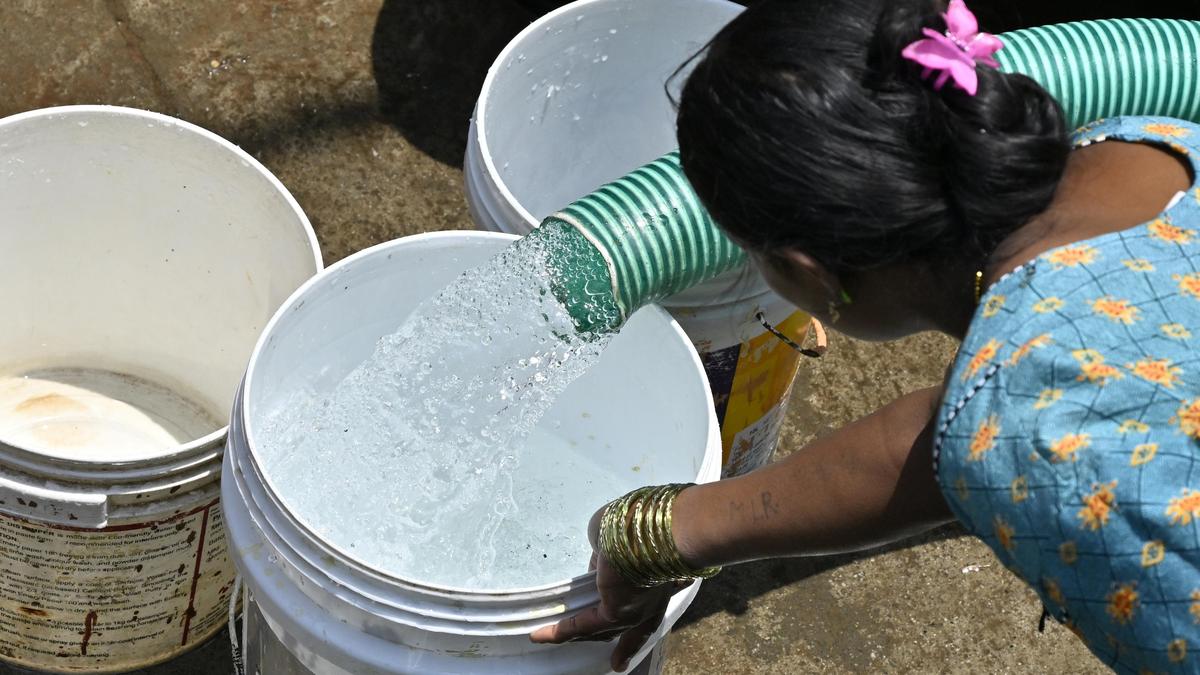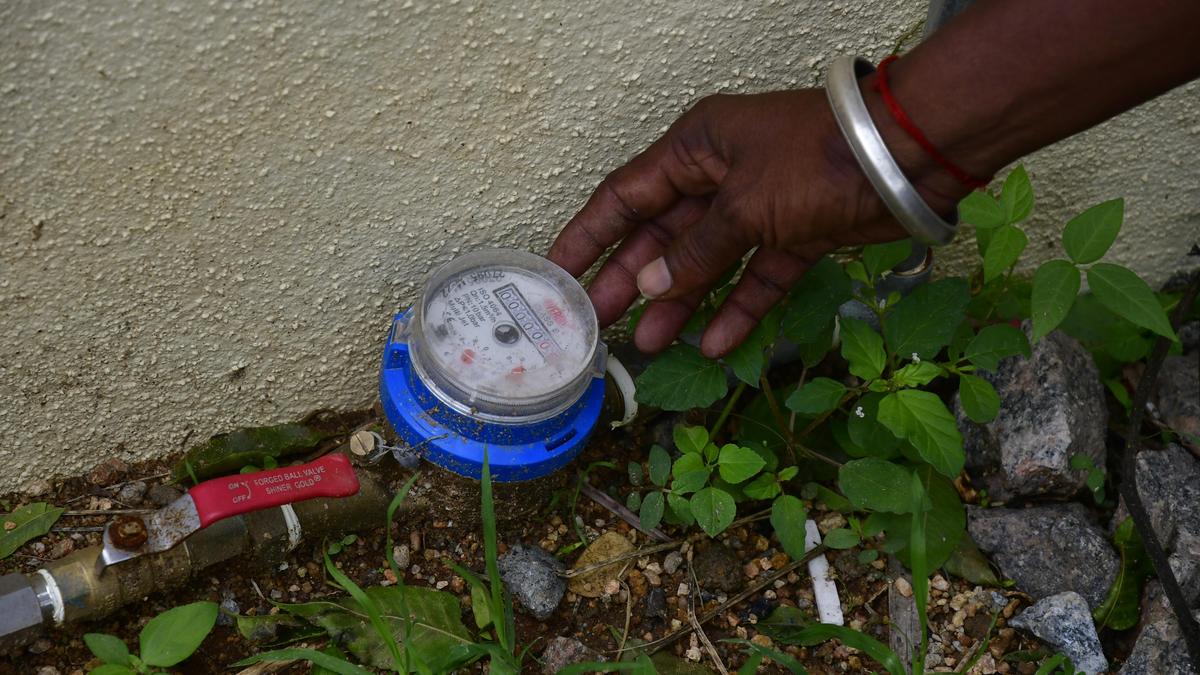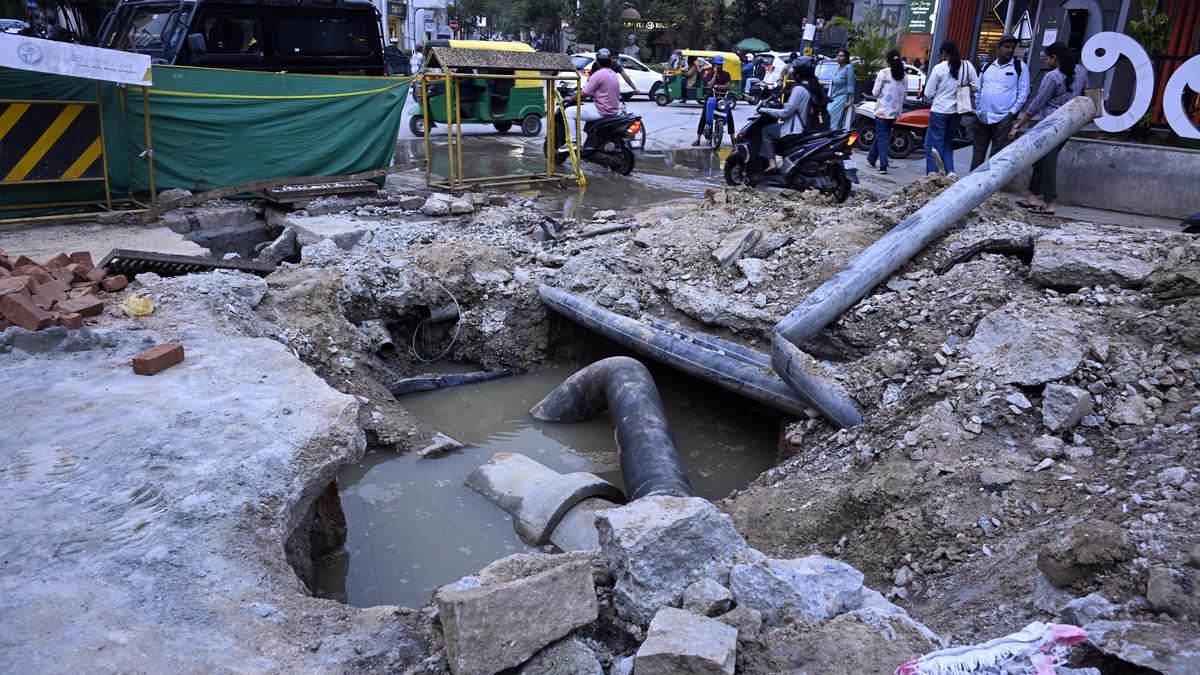
The objective of the project is to identify sources of water loss using artificial intelligence, acoustic sensing, and robotic inspection technologies.
| Photo Credit: SUDHAKARA JAIN
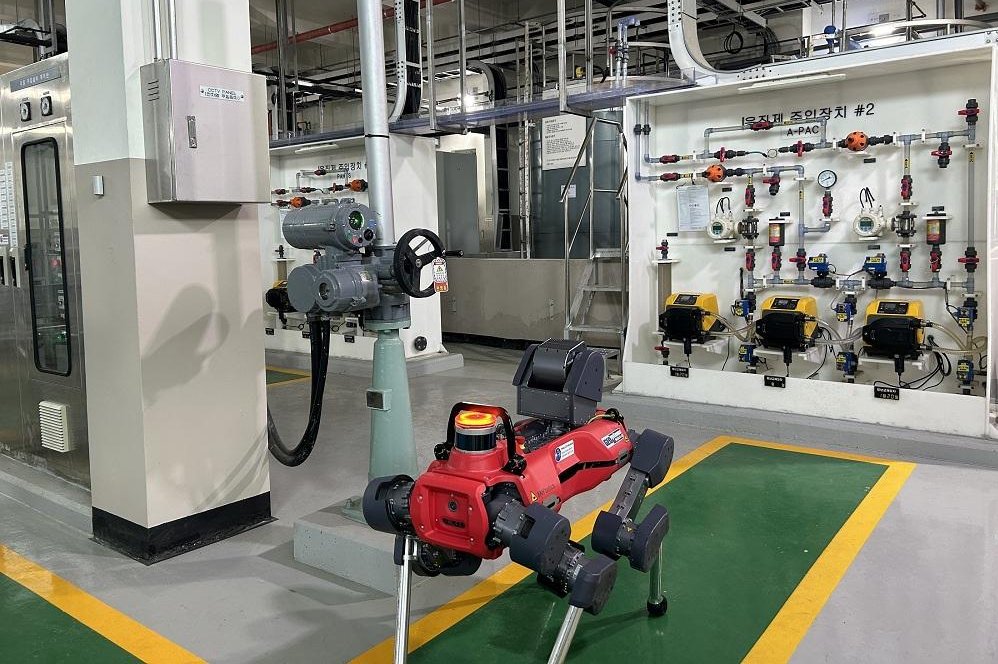
In an attempt to tackle water theft and leakage, the Bengaluru Water Supply and Sewerage Board (BWSSB) will undertake a year-long pilot project using artificial intelligence, acoustic sensing and robotic inspection technologies to identify sources of water loss.The project, which will be carried out by start-ups, SmartTerra and Solinas, has been selected under the Titan Design Impact Awards 2.0-Deep Impact Phase, and will be fully funded through a grant from Titan Company Limited.The BWSSB officials said that the study would be conducted at no cost to the utility, except for civil works such as excavation and pipe repairs that may be required during implementation.“The initiative is aimed at reducing Unaccounted-for Water (UFW) and Non-Revenue Water (NRW)- water that is produced but lost before it reaches consumers due to leakage, theft, metering inaccuracies or other operational inefficiencies,” a release stated.Under the pilot, the SmartTerra will use AI-based predictive analytics to identify vulnerable sections of the pipeline network and assess the likelihood of leakage before failures occur. The company will also deploy acoustic sensors to locate underground leaks. Solinas, meanwhile, will use robotic devices to inspect water pipelines from within and identify defects, blockage and hidden leakage that are difficult to detect through conventional methods.BWSSB Chairman V. Ram Prasath Manohar said that the utility is seeking to leverage emerging technologies to address challenges in urban water management. He said that the BWSSB would provide access to its infrastructure so that innovative solutions can be tested under real operating conditions.He added that the technologies could help improve monitoring of water distribution, identify losses more accurately and improve revenue collection by reducing leakage and unauthorised consumption.He said that locations for the pilot study are yet to be finalised and would be identified in the coming weeks. Field surveys and deployment of the technologies are expected to begin thereafter. The utility said the broader objective is to reduce financial losses arising from leakage and water theft, while also addressing defects in the distribution network that could potentially lead to contamination. If found effective, the technologies may be considered for wider deployment across Bengaluru’s water supply system. Published - June 01, 2026 07:59 pm IST