June 1, 2026 | 09:00 pm
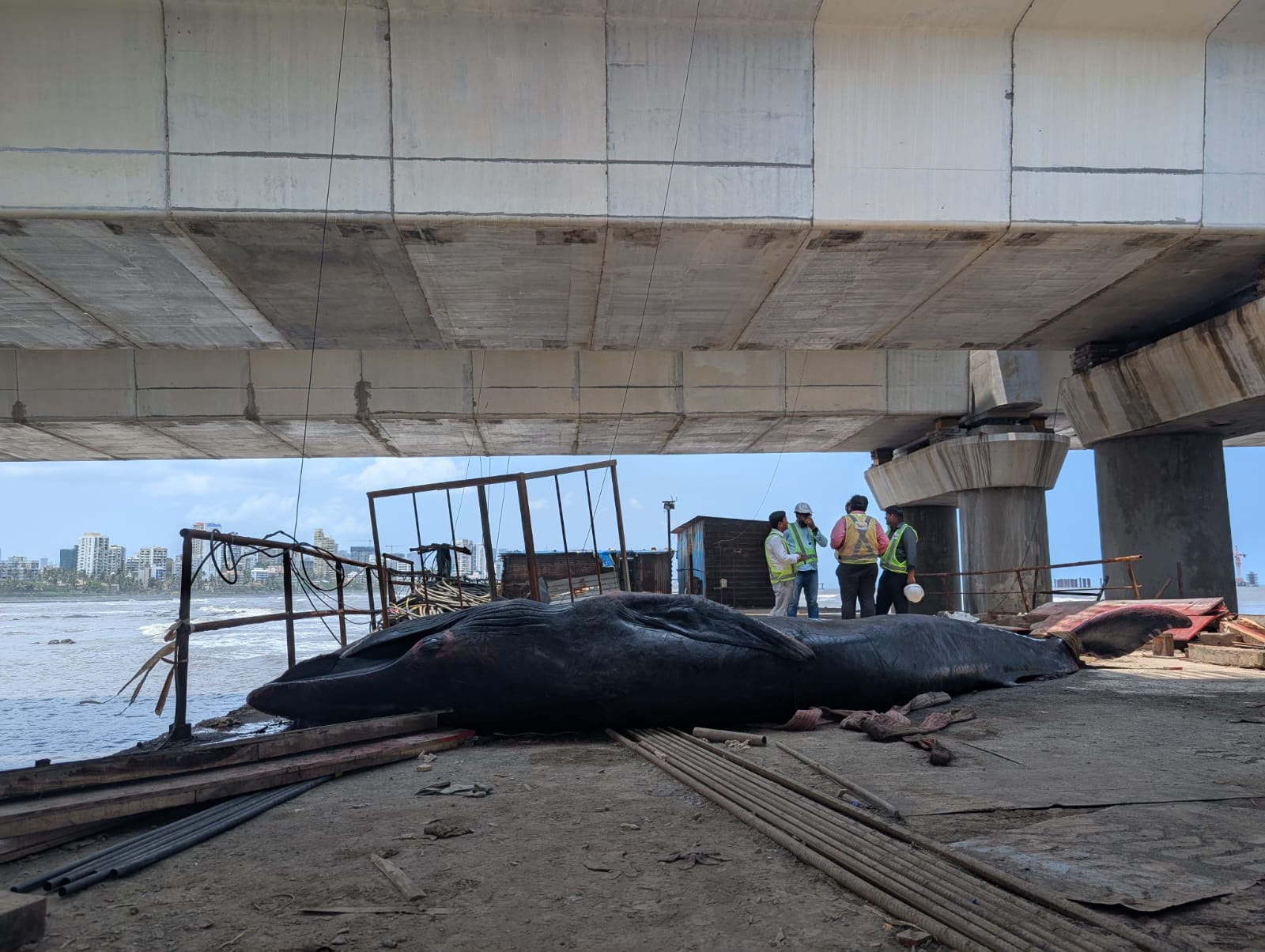
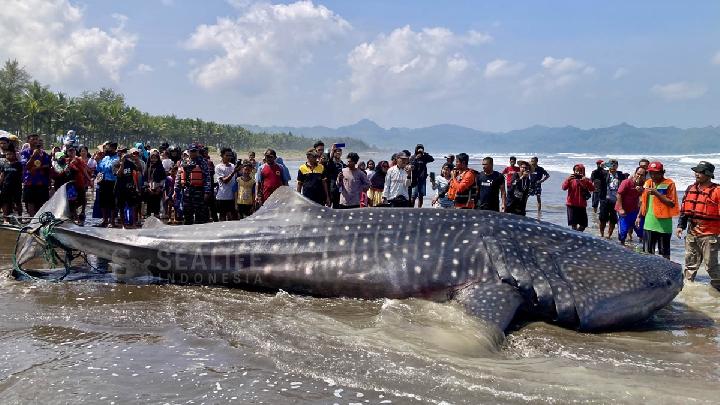
The Rapid Response Team, consisting of the Indonesian Navy, the Indonesian National Police, the Cilacap PSDKP, the Fisheries Service, volunteers, and the community, during the evacuation efforts of the 8.3-meter-long whale shark carcass, which was stranded on Banjarsari Beach in Nusawungu District, Cilacap Regency, Central Java, May 23, 2026. Arief Nugroho/Sealife Indonesia Foundation
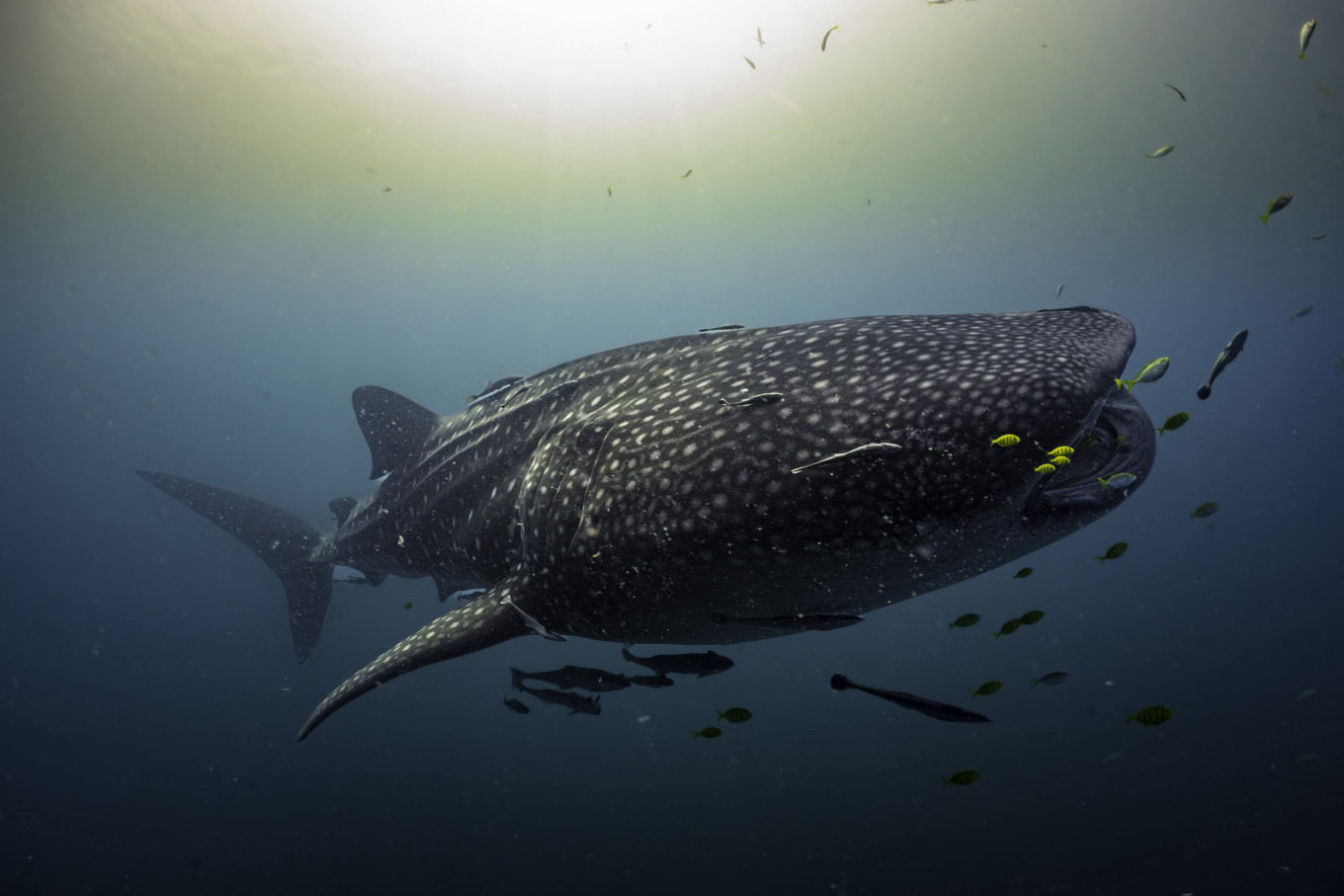
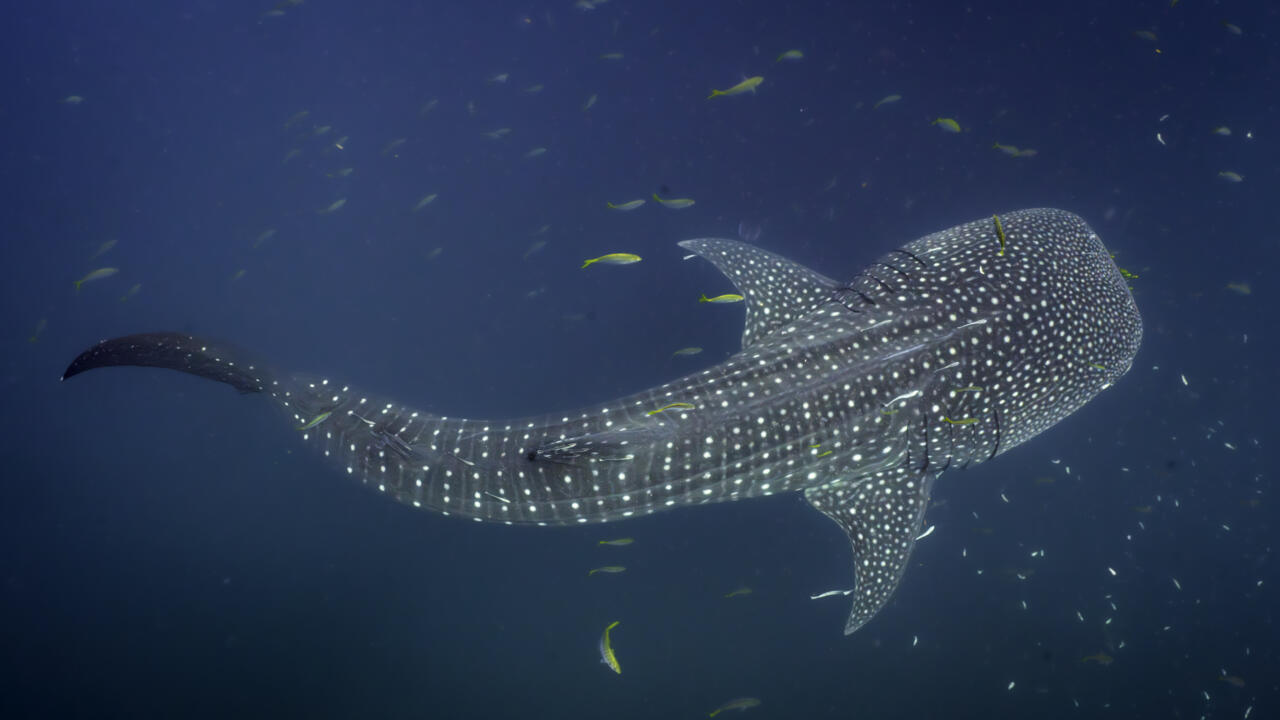
TEMPO.CO, Jakarta - Two whale sharks have stranded along the southern coast of Cilacap, Central Java, within a week, raising concerns over possible environmental or toxic factors behind the unusual events.The most recent stranding occurred on Saturday, May 23, at around 05:30 local time, when an 8-meter whale shark was found on Banjarsari Beach in Nusawungu District. This followed an earlier case on Sunday, May 17, when a smaller whale shark measuring around 4 meters was found stranded along the same coastal stretch. The two locations are about six kilometers apart.Authorities say whale shark strandings are not uncommon in Cilacap. Similar incidents have been repeated in recent years, including a cluster of cases in 2022. The pattern has prompted calls for closer investigation into environmental conditions and marine health in the region.Darmawan from the Pontianak Marine Management Center, Semarang work area, said strandings can be caused by multiple factors, including weather conditions, poor animal health, or interactions with marine objects such as ship propellers. Further necropsy examinations are needed to determine the exact cause.Following the latest incident, Sealife Indonesia Foundation coordinated a rapid multi-agency response involving veterinarians from the Cilacap Regency Agriculture Service, the Cilacap Regency Stranded Marine Biota Management Network, which is a cross-agency organization comprised of the Cilacap Fisheries Service, the Cilacap PSDKP (Marine and Fishery Resources Surveillance), Pontianak Marine Management Center, Semarang work area, Navy, the National Police, veterinarians, researchers from Jenderal Soedirman University (Unsoed), Tagana (Disaster Alert Youth), Community Monitoring Group (Pokmaswas), the village government, a joint search and rescue (SAR) team, IOF, and various other relevant agencies and communities.Due to the whale shark’s size, an excavator was deployed to move the carcass from the shoreline to a safer area for examination and burial. The evacuation process took nearly two hours and involved multiple attempts using ropes, logs, and reinforced lifting straps after initial ropes repeatedly snapped under the animal’s weight.A necropsy later revealed the whale shark measured 8.36 meters and was a juvenile male. External examination found five linear wounds suspected to be caused by a ship propeller. Plastic debris was also discovered in its stomach, along with partially digested small fish known locally as teri nasi.Mukti Trenggono, Lecturer in Marine Science at Unsoed, also collected seawater samples for laboratory testing to assess environmental conditions at the time of the stranding.Mukti noted that elevated chlorophyll-a levels and warm sea surface temperatures in the Cilacap–Kebumen waters could have attracted plankton-feeding species such as whale sharks. However, he emphasized that environmental factors alone do not explain the strandings.Preliminary findings from the Marine Megafauna Specialist Sealife Indonesia Foundation, Dr. Dwi Suprapti, suggest acute intoxication as a possible cause of death. Dwi suspects contamination from polluted water, toxic prey, or ingested plastic debris may have contributed.Laboratory analyses of tissue, stomach contents, and seawater samples are ongoing to determine the definitive cause of the strandings.Read: Germany News: Dead Humpback Whale Off Denmark is 'Timmy'Click here to get the latest news updates from Tempo on Google News