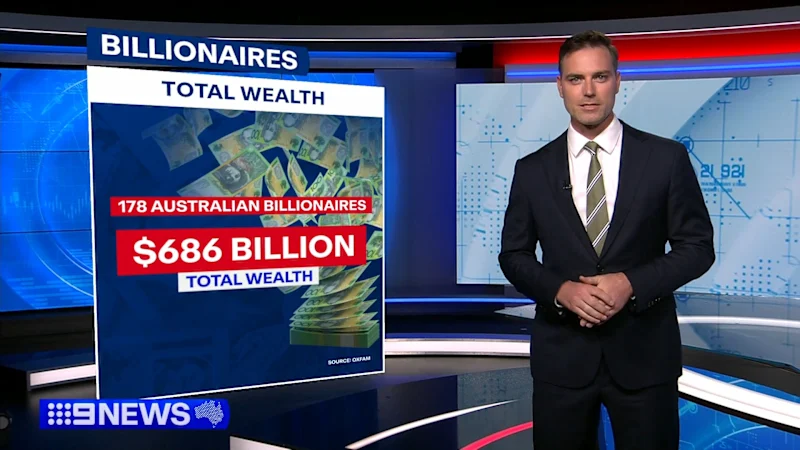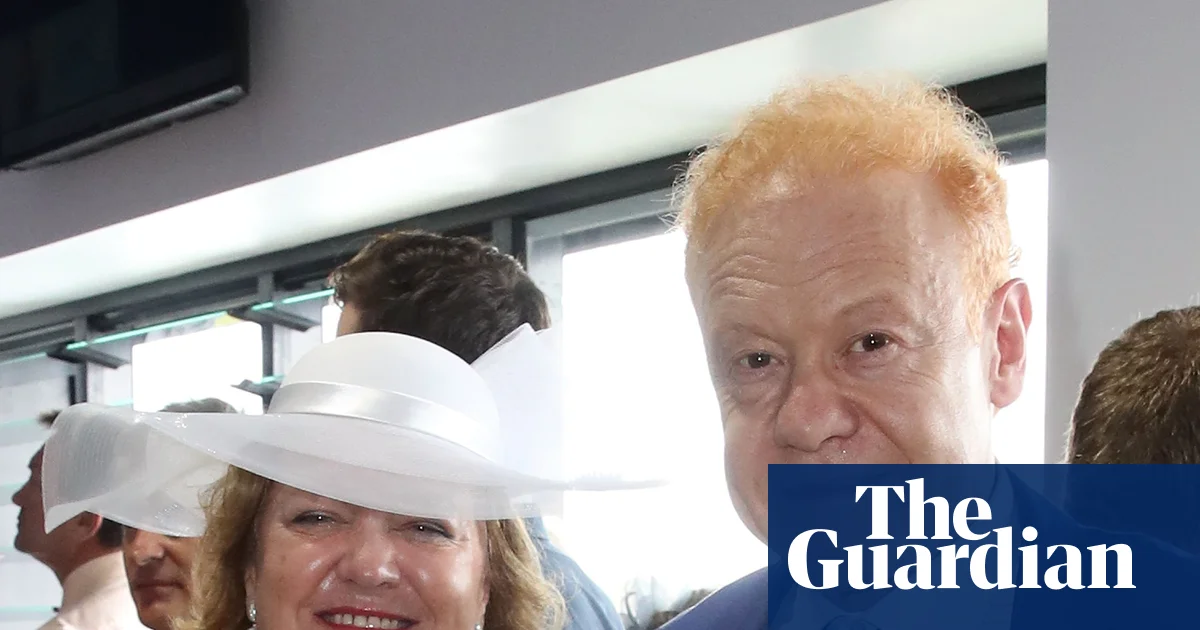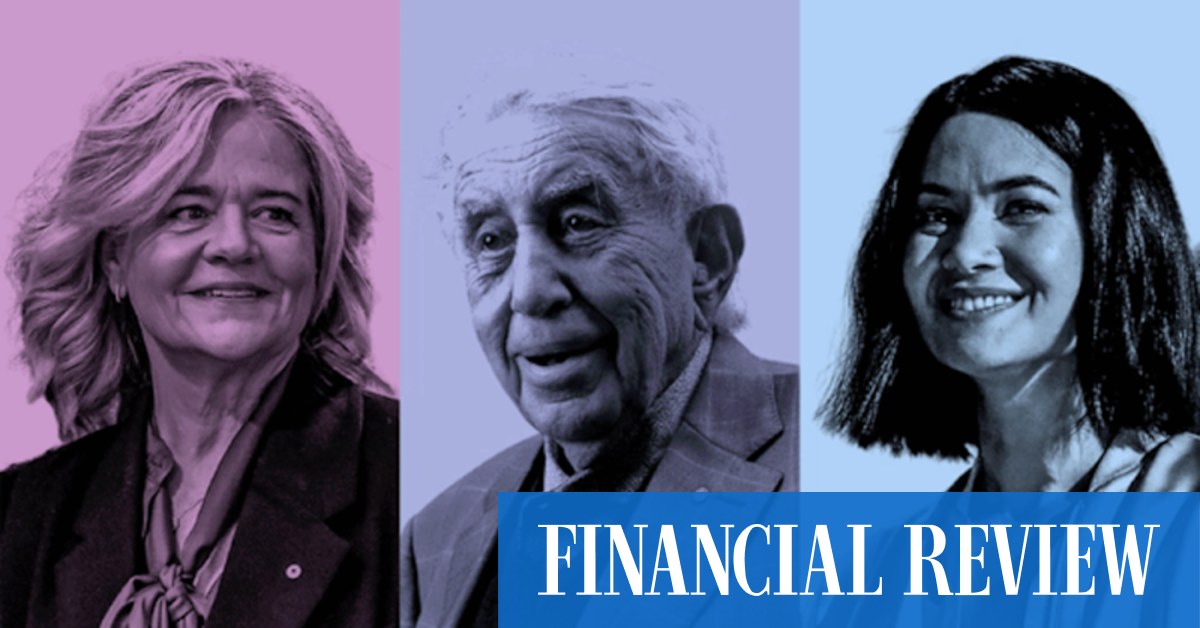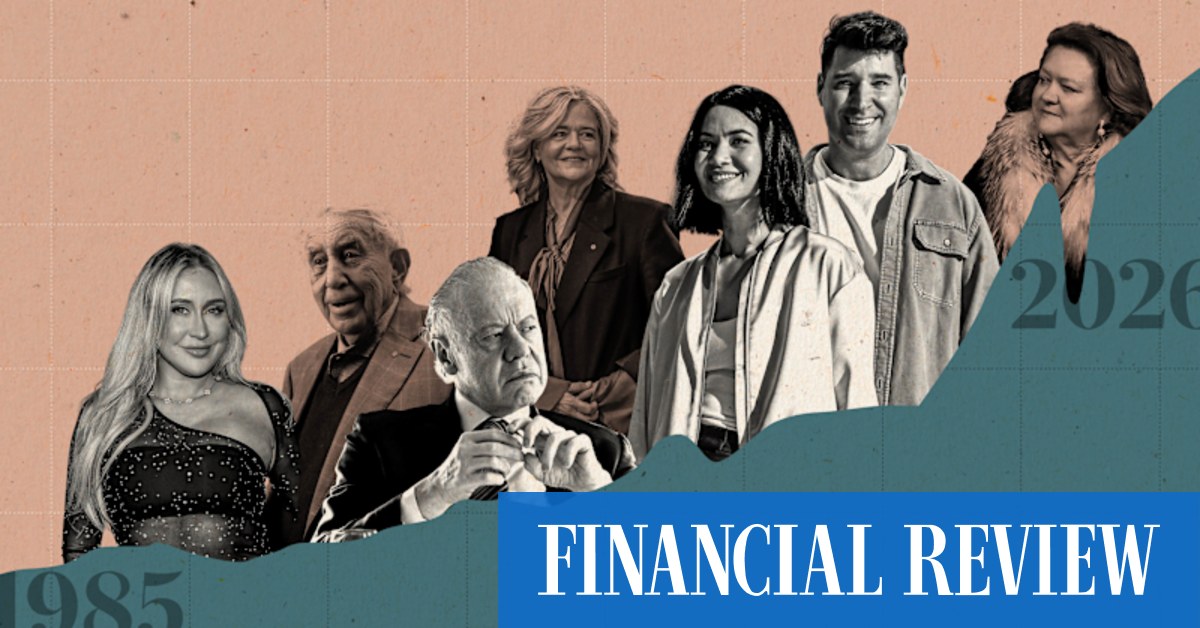
Australia has its highest number of billionaires on record, at 178 — an increase of 17 from last year — with total wealth exceeding $686 billion, analysis by Oxfam has found.The anti-poverty organisation said the collective wealth of Australia's billionaires increased by $25.67 billion over the past year — equivalent to almost $50,000 per minute.The eye-watering numbers are based on Oxfam's analysis of the 2026 Australian Financial Review Rich List.It found the 20 richest Australians now hold more wealth than the bottom 3 million households.Jennifer Tierney says the gap between Australia’s wealthiest people and ordinary households is growing. (Supplied: Oxfam)Oxfam Australia chief executive Jennifer Tierney said the figures highlighted the growing gap between Australia's wealthiest people and ordinary households."There is something fundamentally wrong with a system where extreme wealth keeps skyrocketing while so many people are struggling to afford the basics," she said."Without structural reform to the tax system, that divide will only deepen."While welcoming measures to ease cost-of-living pressure and reform current tax arrangements in the recent federal budget, Ms Tierney said the government did not "go far enough to address the scale of wealth inequality growing in Australia"."A fairer approach to taxing extreme wealth would help ensure governments can properly invest in affordable housing, healthcare, climate action and support for communities doing it tough here and abroad."The 20 richest Australians hold more wealth than the bottom 3 million households, new Oxfam analysis says. (ABC News: Peter Garnish)On May 12, the government revealed sweeping changes to capital gains tax, negative gearing and family trusts, sparking backlash from some investors.A Senate inquiry into the contentious tax change proposal is set to conclude late this month, before parliament rises for its winter break on July 2.More billionaires, more tax contribution?While wealth equality advocates are calling for more government action on tax reform, some researchers argue that the proposed budget "threatens to make all Australians poorer while doing nothing to reduce inequality".Michael Stutchbury, Centre for Independent Studies executive director, said Australia needed more billionaires, given the rich pay a disproportionately high share of taxes.Michael Stutchbury says Australia needs more billionaires as they contribute more tax. (Supplied: Centre for Independent Studies)"The top 1 per cent of taxpayers forked out nearly one-fifth of personal tax revenue 2021-22," he told the ABC, citing Australian Tax Office figures."By international standards, Australia already imposes a high top marginal personal income tax rate of 47 per cent, which kicks in at a relatively low multiple ($190,000) of average earnings."The top income tax scale has hardly been indexed to inflation over the past two decades, so more Australians are being pushed into it by stealth."Mr Stutchbury, formerly editor-in-chief of the AFR, argued that an overly heavy tax system would encourage young Australian entrepreneurs to relocate to lower-taxing economies, such as the US, Singapore or New Zealand."This makes Australia a less attractive destination for the world's entrepreneurs who could help make our economy more productive, boosting national incomes and wages," he said.Roger Wilkins, a professorial fellow in applied economic and social research at the University of Melbourne, however, disagreed, saying it was hard to see any benefits to the growth in the number of billionaires.Roger Wilkins says creating an environment of competitive markets is paramount to Australia's prosperity. (Supplied)"The billionaires themselves will argue that they have created jobs and boosted economic growth, but there is little evidence of this — the jobs and economic growth would very likely occur without them becoming billionaires."Moreover, much of the wealth of Australia's billionaires comes from 'economic rents' — from things like mining and property development — rather than from innovative new enterprises that are potentially sources of productivity growth."Professor Wilkins argued billionaires could, and often do, "undermine democratic institutions and democracy itself"."There are clear negatives from growth in extreme wealth, with billionaires able to use their wealth to influence policy decisions — via political donations, advertising campaigns or simply using the platform their wealth gives them to influence public discourse in the media.Mr Stutchbury says an overly heavy tax system encourages young Australian entrepreneurs to relocate to lower-taxing economies. (ABC News: John Gunn)"There is also the not-insignificant matter that their wealth could be more usefully deployed to improve the economic wellbeing of disadvantaged Australians, which is not to say that problems of poverty and disadvantage could be completely solved via redistribution from the very wealthy — this would not be sufficient on its own."He added that "creating an environment of competitive markets and where wealth creation derives from innovation rather than appropriation of economic rents" was critical to Australia's long-term prosperity."Reducing economic rents is the biggest challenge, not only because it would reduce extreme wealth, but because it would improve economic efficiency and therefore broader living standards."
Australia hits its highest number of billionaires on record. Do we need more?
Australia now has 178 billionaires — an increase of 17 from last year — who collectively hold more than $686 billion in wealth, sparking debate about the advantages and disadvantages of the growing number of ultra-wealthy.
784 words~4 min read