(Image credit: Origin Code)
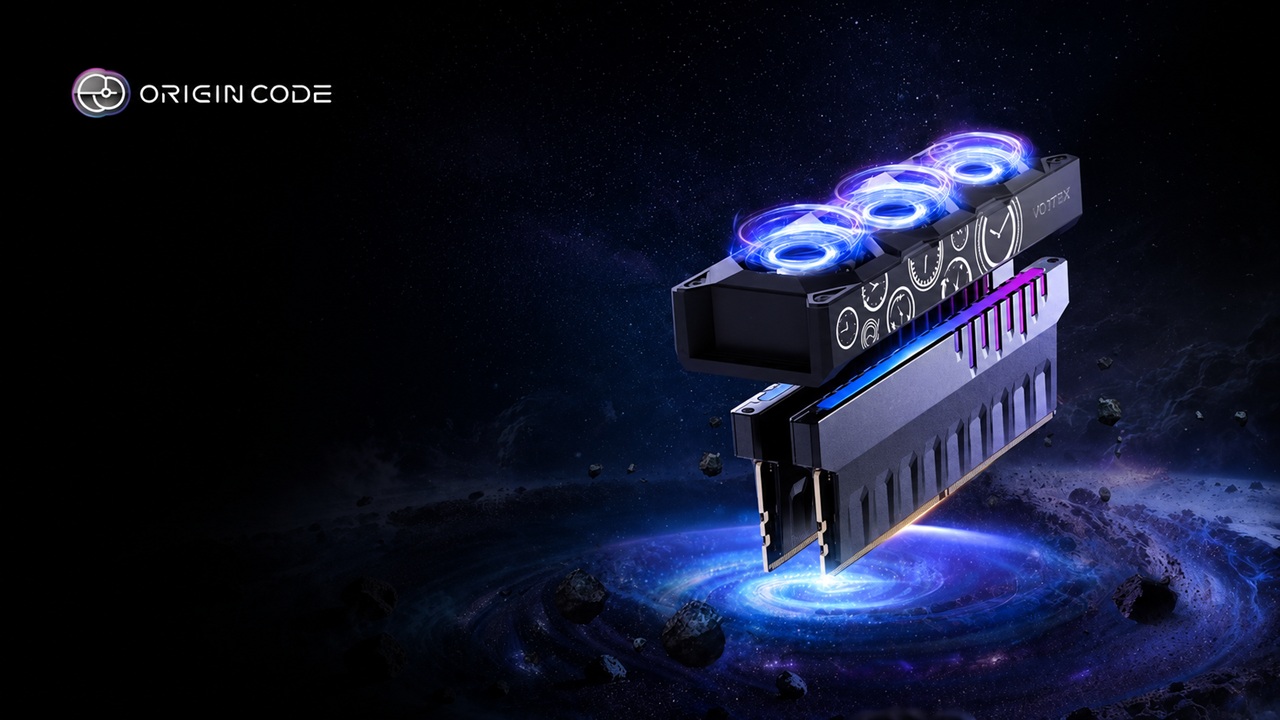
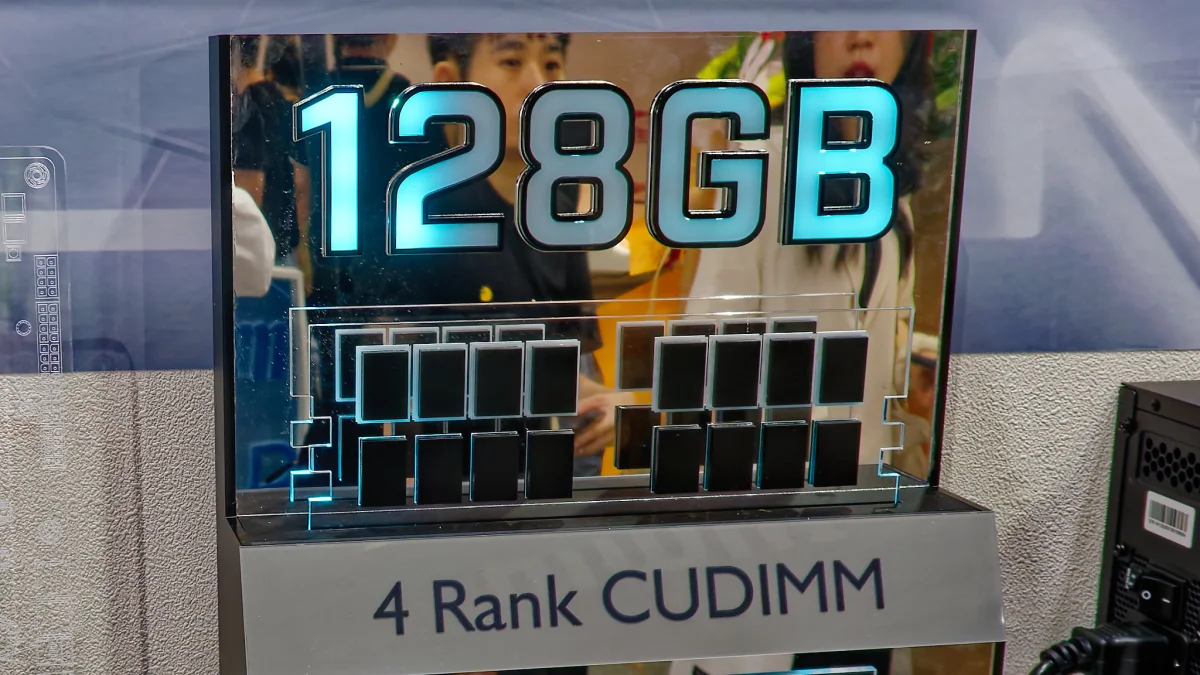
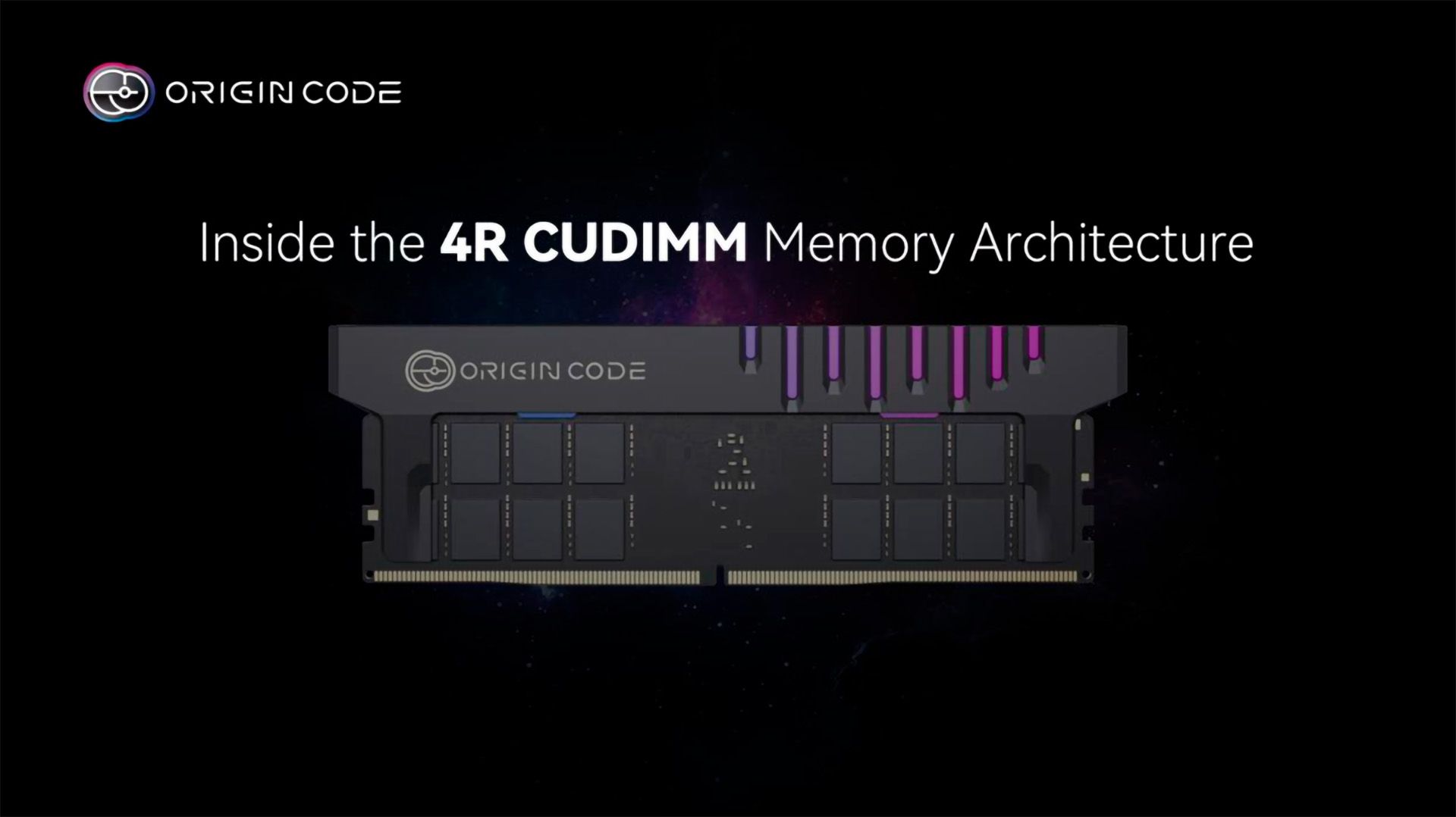
Origin Code, one of the newest players in the memory market, has unveiled the brand's quad-rank (4R) CUDIMM memory kits to compete directly with the best RAM. Unveiled at Computex 2026, with DDR5 memory modules up to 128GB each, achieving up to 256GB (2x128GB) on a dual-DIMM motherboard has become a reality for the mass market.Quad-rank memory has existed for a while, though it has largely been available in the enterprise and server domains. It has played a significant role in enabling high-capacity memory modules. However, it wasn't until very recently that the technology reached the mainstream market. Consumer memory modules normally feature a single- or dual-rank design.In other words, memory modules either have a single set of memory chips (single-rank) or two sets (dual-rank). Quad-rank memory, on the other hand, comes with four sets of memory chips. As a result, memory manufacturers can fit more memory chips on a single memory module, increasing its density. DDR5 already enabled a single 64GB memory module, and now quad-rank DDR5 has upped it to 128GB, a twofold increase. It wouldn't surprise us if the capacity eventually reaches 256GB.Origin Code showcased a standard 4R CUDIMM memory kit on a Gigabyte Z890 Aorus Elite Duo X with a Core Ultra 7 270K Plus processor. The 256GB (2x128GB) DDR5-8000 memory kit had relaxed 64-63-63-128 memory timings, which is entirely expected given that the modules run at 1.1V DRAM voltage. Notably, Origin Code has a flagship version that's geared toward enthusiasts and professionals who demand the absolute best in performance. The premium DDR5-8000 memory has much tighter memory timings, 42-57-57-108, but requires 1.4V.Image 1 of 4(Image credit: Origin Code)The emergence of consumer quad-rank DDR5 memory kits isn't a coincidence but the result of the introduction of CUDIMMs, memory modules equipped with a client clock driver (CKD). Just as the CKD enables memory modules to reach very high frequencies, the chip also enhances the stability of quad-rank memory, which uses four banks of memory chips. Running a large amount of memory puts excessive stress on a processor, which is why quad-rank memory didn't exist before for everyday users until the arrival of CUDIMMs.Origin Code won’t be the only memory vendor to offer quad-rank CUDIMM memory kits. For instance, Adata had already partnered with MSI to demonstrate quad-rank CUDIMM functionality several months ago, showcasing modules running at DDR5-5600 speeds. It’s reasonable to expect that additional brands will soon jump on the quad-rank CUDIMM bandwagon.So far, demonstrations from Origin Code with Gigabyte and Adata with MSI all share one common factor: Intel's Z890 platform. It is reasonable to speculate that quad-rank CUDIMMs will likely not work on AMD's current platform since it hasn't fully embraced CUDIMMs. The chipmaker has confirmed that the AM5 socket supports CUDIMMs, but never said when the feature will arrive. However, the current speculation is that full CUDIMM support could arrive with Zen 6.Get Tom's Hardware's best news and in-depth reviews, straight to your inbox.However, the biggest challenge quad-rank CUDIMM memory kits and consumers face is the persistent global memory shortage. Memory prices have already skyrocketed, and there appears to be no end in sight. That alone is enough to kill any momentum that quad-rank CUDIMMs can generate.