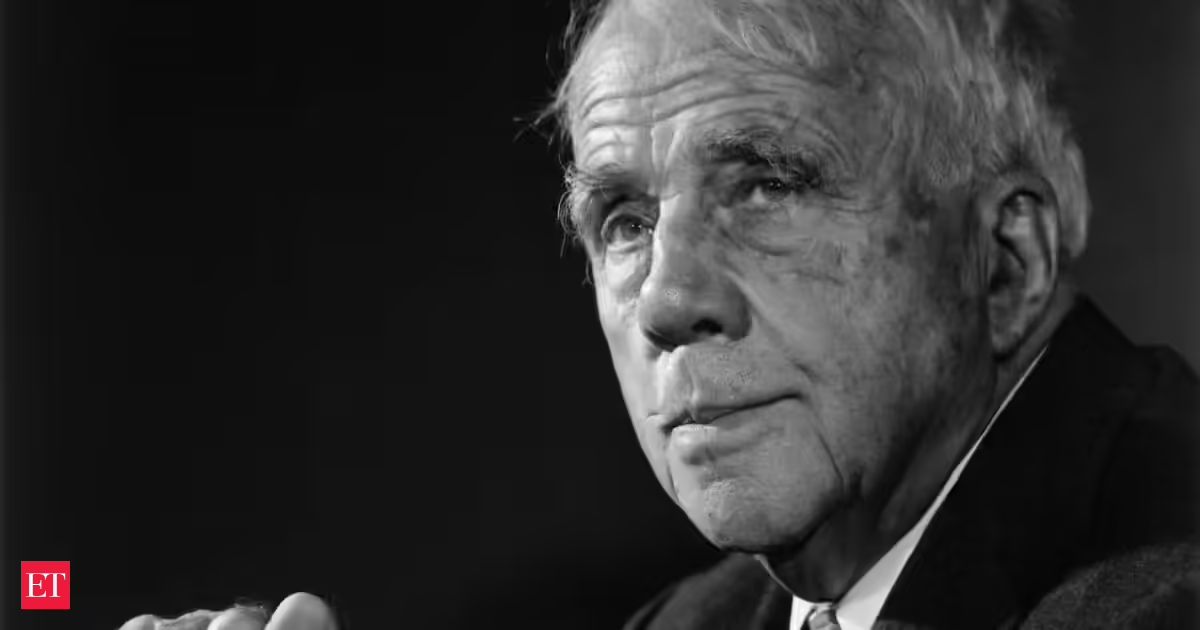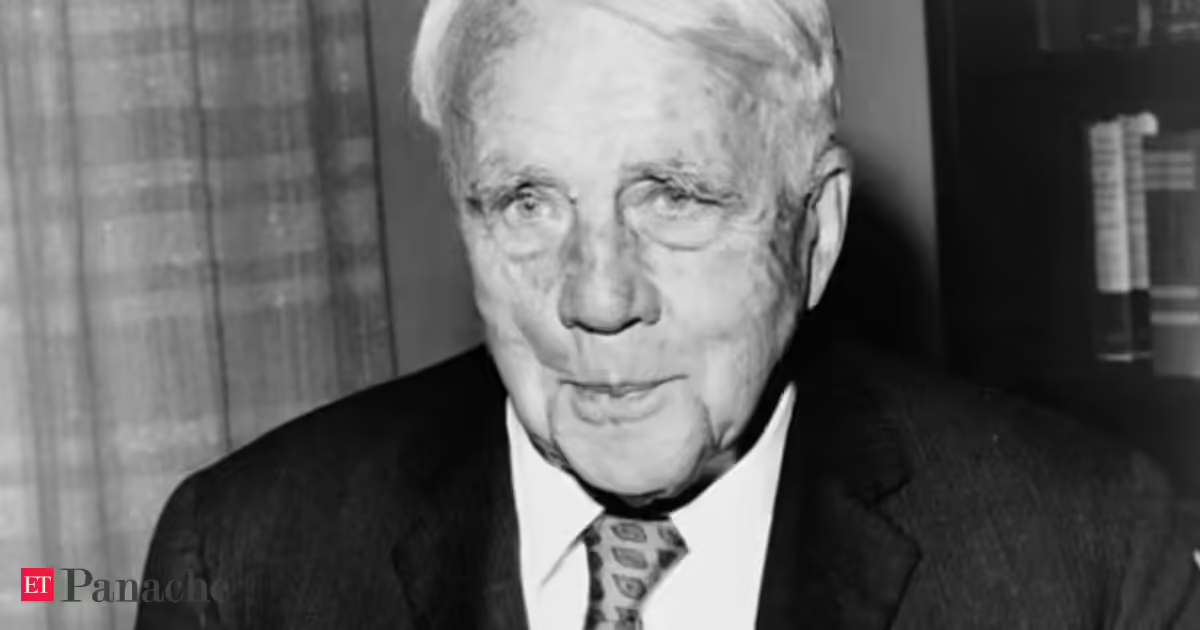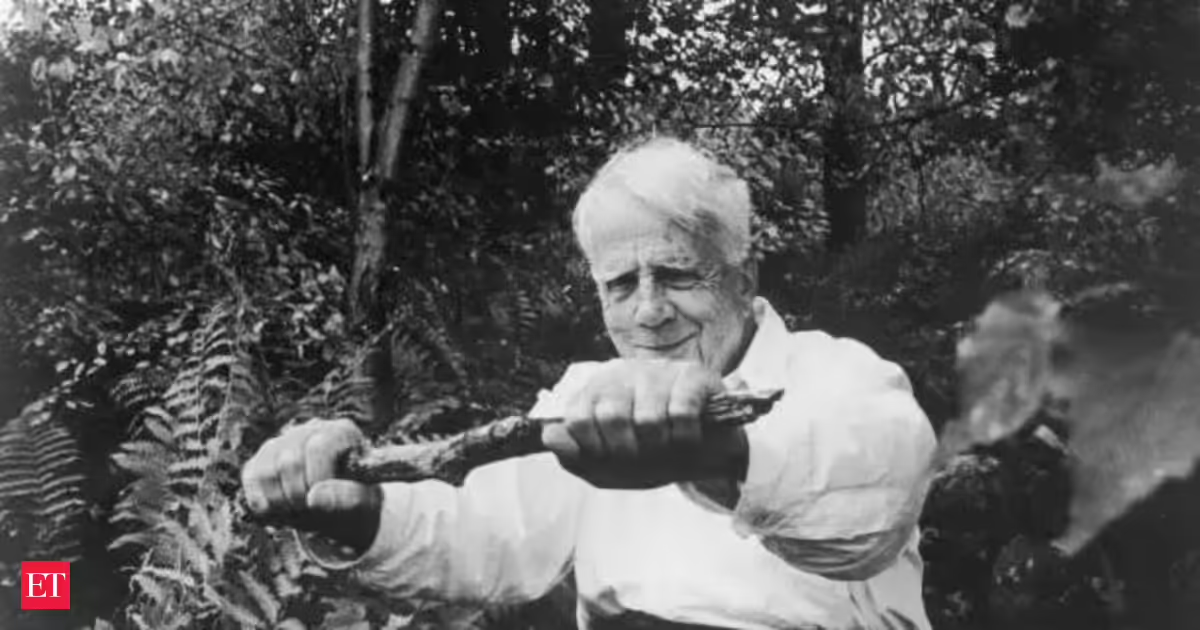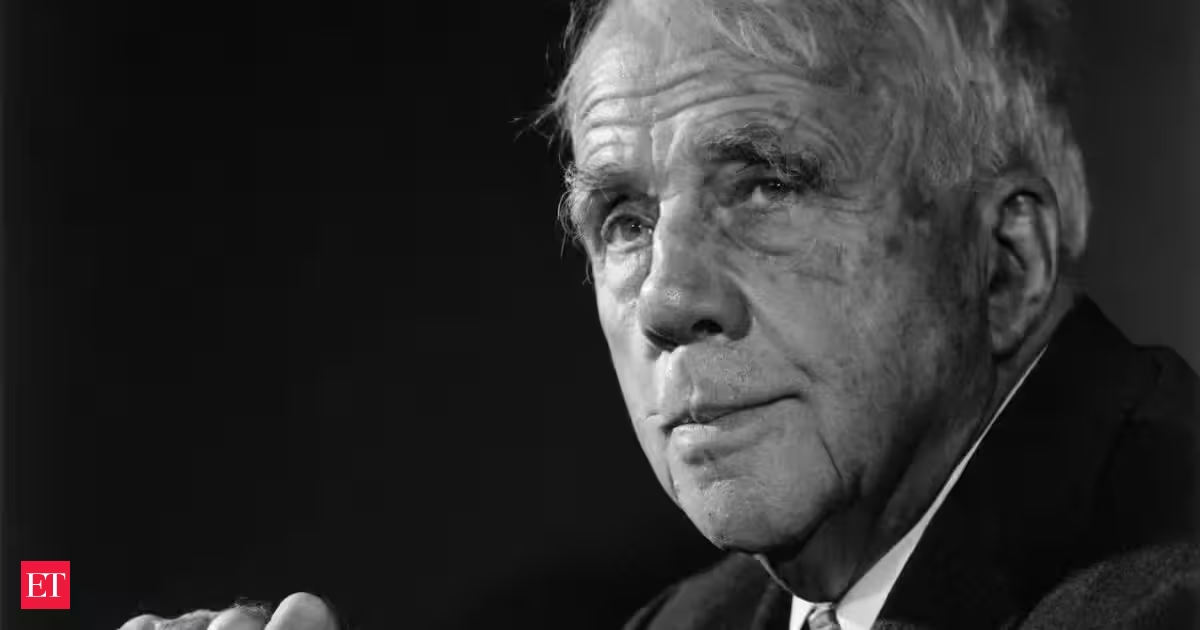
Quote of the Day: "The world is full of willing people; some willing to work, the rest willing to let them." This witty observation is widely attributed to Robert Frost and has been quoted for decades in workplaces, classrooms and leadership discussions. The quote highlights a reality seen in offices, schools, businesses and even everyday life: while some people take initiative and shoulder responsibilities, others are often content to watch from the sidelines.Although humorous on the surface, the saying offers valuable lessons about hard work, accountability and the importance of contributing to a shared goal.What Does The Quote Mean?At its core, the quote draws a contrast between two groups of people.The first group consists of individuals who are willing to put in effort, solve problems and take responsibility. These are the people who step forward when work needs to be done.The second group consists of those who are happy to benefit from the efforts of others without contributing much themselves.The quote is not necessarily meant to criticise everyone in the second category. Instead, it serves as a reminder that progress often depends on people who are willing to take action rather than wait for someone else to do the work.Why The Quote Remains Relevant TodayDespite being decades old, the message feels remarkably modern.Today's world is more connected than ever, yet many organisations still face challenges related to teamwork, accountability and productivity.Whether in a corporate office, a university project or a community initiative, there is often a noticeable difference between those who actively contribute and those who rely on others to carry the load.The quote remains popular because it captures this dynamic in a simple and memorable way.The Importance Of Taking InitiativeOne of the strongest lessons from the quote is the value of initiative.Successful people often distinguish themselves not through extraordinary talent but through a willingness to act.Taking initiative means:Identifying problems before they growVolunteering for responsibilityLooking for solutions instead of excusesContributing without being constantly askedIn many professional environments, employers value initiative as much as technical skills because proactive individuals help organisations move forward.What The Quote Teaches About LeadershipLeadership is not simply about holding a title.True leaders are usually the people who are willing to do the work that others avoid.Great leaders:Lead by exampleAccept responsibilitySupport their teamsSolve challenges rather than ignore themThe quote reminds us that leadership often begins with action rather than authority.Those who consistently contribute and help others frequently emerge as natural leaders regardless of their formal position.Teamwork Requires Shared ResponsibilityThe quote also highlights an important truth about teamwork.Every successful team depends on collective effort.When only a few people carry most of the workload, frustration and burnout can quickly develop. On the other hand, when responsibilities are shared fairly, teams become more productive and motivated.Effective teamwork requires:Mutual respectAccountabilityOpen communicationEqual participationThe saying encourages everyone to ask an important question: Are we contributing our fair share?Why Hard Work Still MattersIn an era dominated by discussions about shortcuts, automation and quick success, the quote reinforces the enduring value of hard work.Many of the world's greatest achievements were built through persistence and effort rather than luck alone.Whether someone is:Building a businessStudying for examinationsLearning a new skillPursuing a career goalConsistent effort remains one of the most reliable paths to success.The quote reminds us that progress depends on people who are willing to put in the work when others may not.Applying The Quote To Everyday LifeThe wisdom behind this saying extends beyond professional settings.In families, communities and friendships, strong relationships often rely on people who are willing to contribute, support others and take responsibility.Simple actions can make a significant difference:Helping without being askedCompleting commitmentsSupporting team effortsTaking ownership of mistakesThese habits build trust and strengthen personal and professional relationships.A Humorous Observation With A Serious MessagePart of the quote's enduring appeal lies in its humour.Many people instantly recognise situations where a small group does most of the work while others benefit from the results.Yet beneath the humour lies a serious message about responsibility and contribution.The quote encourages self-reflection rather than judgement. Instead of focusing on what others are doing, it challenges individuals to consider their own role and contribution.Quote Of The Day: A Reminder To Be Among Those Who Act"The world is full of willing people; some willing to work, the rest willing to let them."Whether or not the quote can be definitively traced to Robert Frost's published writings, its wisdom remains relevant.The saying reminds us that meaningful progress is usually driven by people who are prepared to take action, accept responsibility and contribute their efforts towards a common goal.In a world where it can be tempting to wait for someone else to step forward, the quote offers a simple challenge: be among those willing to do the work.That mindset not only benefits organisations and communities but also helps individuals grow, succeed and make a lasting impact.
Quote of the day by Robert Frost: 'The world is full of willing people; some willing to work, the rest...' Life lessons on responsibility, hard work and human nature
Robert Frost's enduring quote highlights the timeless truth of human behavior: some are willing to work, while others are content to let them. This observation remains relevant today, emphasizing the importance of initiative, accountability, and shared responsibility for progress in both professional and personal spheres. It serves as a reminder to be among those who actively contribute to collective goals.
799 words~4 min read