It’s a mind-boggling question and one that executives at Europe’s biggest companies are asking more frequently, as bots, phishers, and bad AI undermine their ability to understand what is true and what is not.
In recent years, chief executives have become targets of elaborate deepfakes scams, while scrambling to regulate the growing presence of bots across commerce, social media, and consumer platforms.
Bots now account for more than half of all internet traffic. They fake page views, clicks, impressions, and user sessions, all of which inflate web analytics data, and when fake internet activity is mistaken for genuine engagement, companies lose billions. According to Juniper Research, global losses from digital advertising fraud are expected to exceed $131bn by 2030, up from $56bn in 2025.
Whether gen AI is being used for scams, impersonation, and misinformation, or for more harmless purposes, it is undoubtedly making the web feel less trustworthy. It seems ridiculous, but possibly not that ridiculous, to find a better way to tell man from machine.
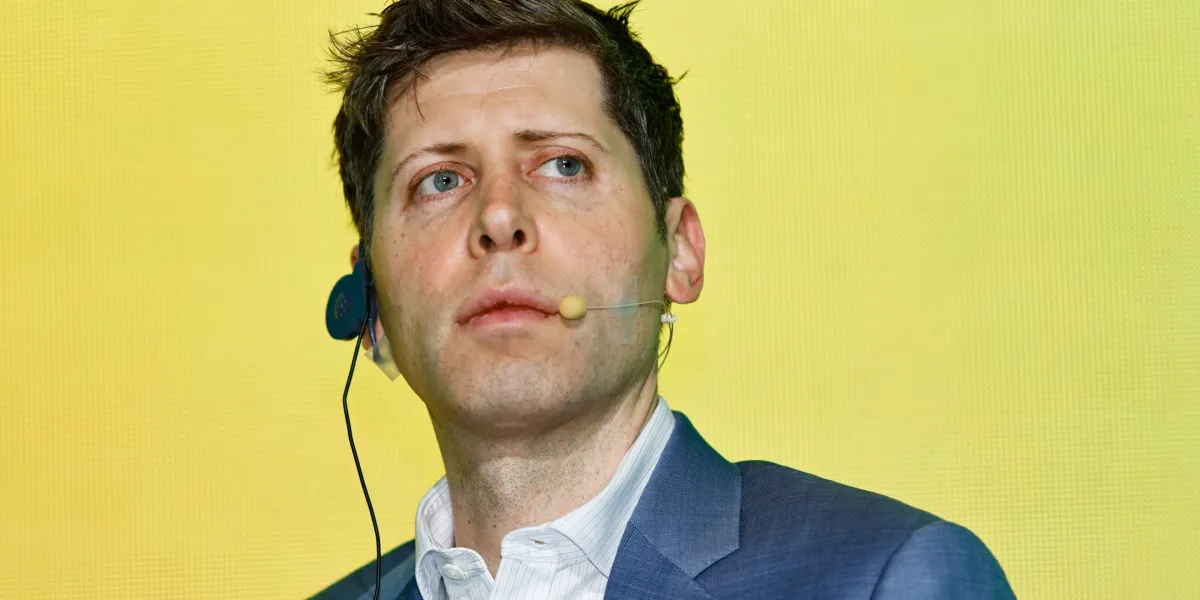
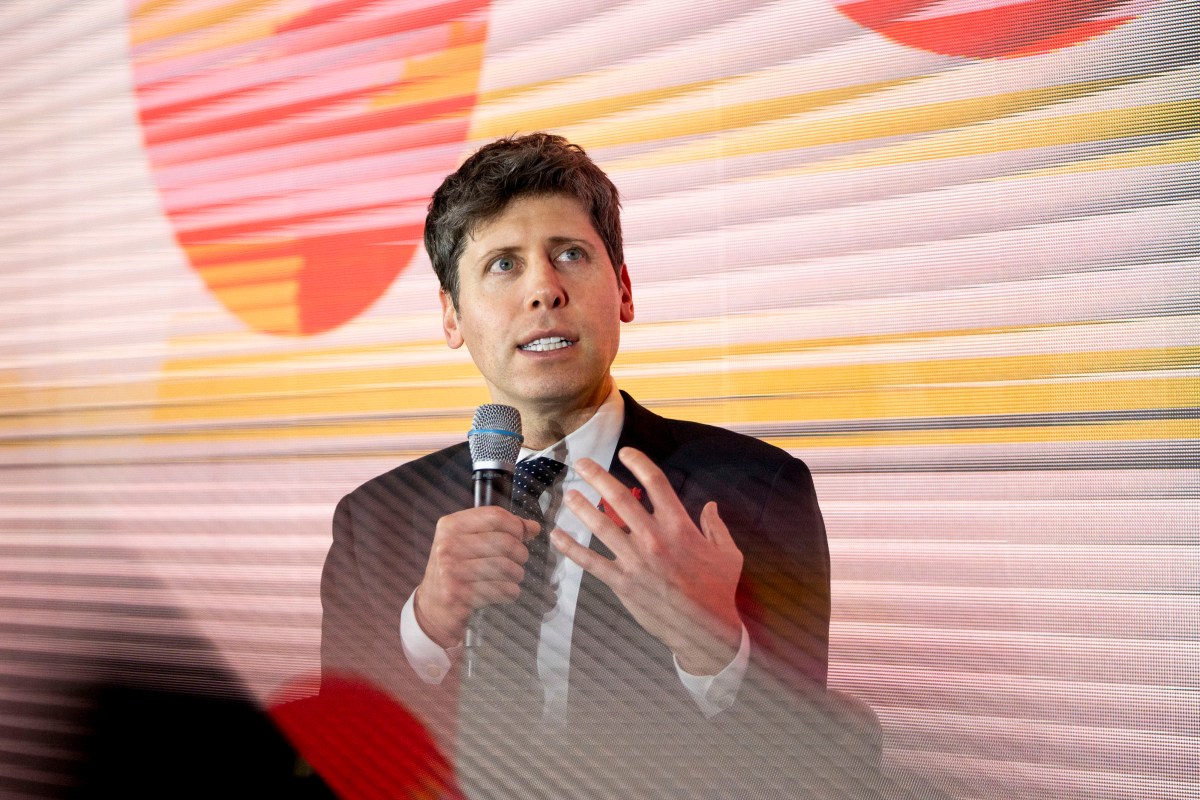
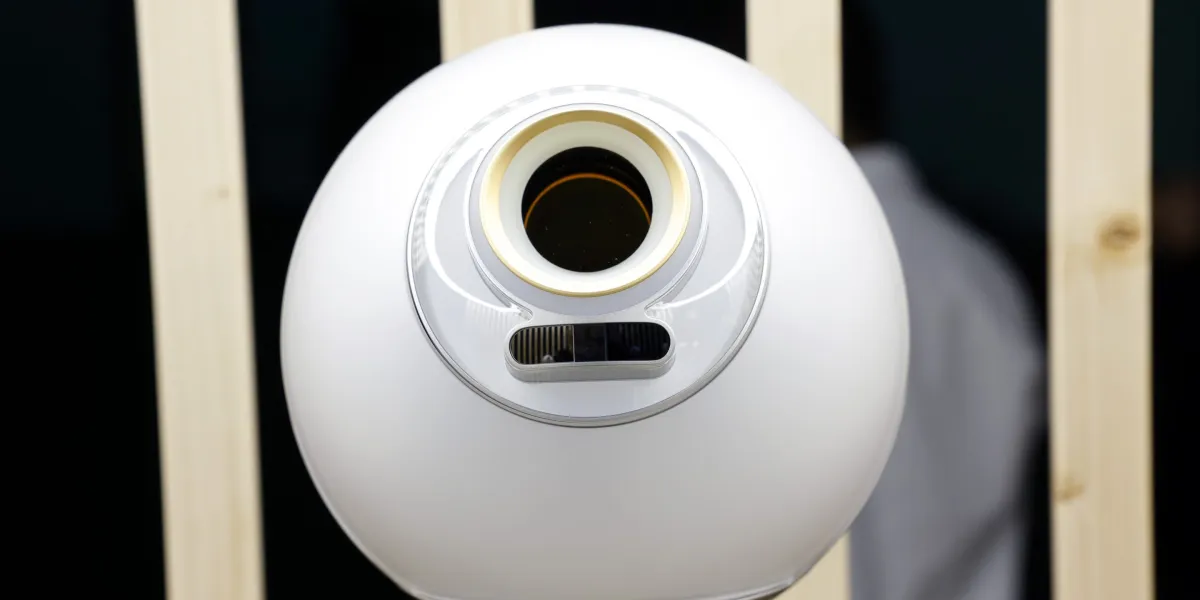
At least, that’s the thinking behind Tools for Humanity, the startup co-founded by OpenAI CEO, Sam Altman, and German entrepreneur, Alex Blania, in 2019. The company uses blockchain-based identity tools to verify people before they can use online apps and services. Last month, it announced an expansion of its verification platform, World ID.